
Apple Cinnamon Tea Benefits | What This Warming Blend Actually Does for Your Body

Apple cinnamon tea delivers genuine health benefits, not just comfort. The combination of apple-derived polyphenols and cinnamon’s active compound, cinnamaldehyde, creates a blend that targets inflammation, blood sugar, digestion, and throat health in ways plain hot water simply can’t match.
It’s one of the most searched herbal teas for a reason. Millions of people reach for it during the cold season, before bed, or as a daily ritual, and the science behind what’s actually happening in that cup is worth understanding.
Whether you’re a singer protecting your voice, a professional looking for a caffeine-free focus ritual, or someone who just wants a warming drink that does more than taste good, the apple cinnamon tea benefits go deeper than most people realize. From soothing an irritated throat to supporting steadier energy without the crash, this blend earns its place in your routine.
This guide breaks down exactly what apple cinnamon tea does for your body, section by section, so you know what you’re drinking, why it works, and how to get the most out of every cup. If you’re looking to explore quality loose leaf tea blends built around real ingredients and real benefits, you’re in the right place.
What Is Apple Cinnamon Tea?
Apple cinnamon tea is an herbal infusion made from dried apple pieces, cinnamon bark or chips, and supporting botanicals like cloves, rosehips, or orange peel, depending on the blend. It contains no tea leaves from the Camellia sinensis plant, making it naturally caffeine-free, deeply aromatic, and built entirely around the therapeutic properties of its fruit and spice ingredients.
The flavor profile, warm, slightly sweet, and lightly spiced, makes it one of the most approachable herbal teas on the market. But what separates a well-crafted apple cinnamon blend from a generic flavored bag is the quality and form of its ingredients. Whole dried apple pieces, true cinnamon (Ceylon or cassia), and real botanical additions deliver compounds the body can actually use. Artificial flavoring delivers none of that.
Key Ingredients and What They Contain
The foundation of any apple cinnamon tea is straightforward, but what each ingredient brings to the cup matters.
Dried apple pieces are a concentrated source of quercetin, a flavonoid with well-documented antioxidant and anti-inflammatory properties. Apple skin, in particular, contains chlorogenic acid, the same polyphenol found in coffee in significant quantities, which is associated with blood sugar regulation and metabolic support. When apple is dried and steeped, these compounds are released into the water, which is exactly why the infusion has functional value beyond flavor.
Cinnamon contributes cinnamaldehyde, the active compound responsible for its distinctive warmth and most of its health effects. Cinnamaldehyde has been studied for its antimicrobial properties, its role in reducing inflammation, and its ability to mimic insulin activity at the cellular level, all of which are relevant for anyone managing blood sugar or metabolic health. Cinnamon also contains procyanidins, a class of antioxidants that support cardiovascular function.
Supporting ingredients in a quality blend, lemon peel, orange peel, marigold blossoms, or rosehips, add vitamin C, additional antioxidants, and flavor complexity that rounds out the therapeutic profile without requiring any added sugar or artificial flavoring to taste good.
Apple Cinnamon Tea vs. Other Herbal Blends: What Makes It Different
Most herbal teas are built around a single dominant botanical. What makes apple cinnamon tea distinctive is that its two core ingredients work synergistically; the mild sweetness of apple softens cinnamon’s intensity, and together they create a flavor that requires no sweetener to feel satisfying. That matters practically, because unsweetened tea is inherently lower glycemic and more gut-friendly than anything you’d need to doctor with honey or sugar to make drinkable.
From a functional standpoint, apple cinnamon occupies a unique middle ground: it’s warming and grounding like a spiced blend, but lighter and more fruit-forward than something built primarily around heavy spices. It steeps well across a wide temperature range, works beautifully both hot and iced, and doesn’t carry the astringency that makes some herbal teas an acquired taste. For people new to loose-leaf or herbal tea, it’s one of the most accessible entry points, and for daily drinkers, it holds up as a ritual without becoming monotonous.
Does Apple Cinnamon Tea Have Caffeine?
Apple cinnamon tea is naturally caffeine-free. Because it contains no Camellia sinensis leaves, the plant that produces black, green, white, and oolong tea, there is no caffeine in the blend by default. This makes it a reliable choice for evening drinking, pregnancy, caffeine sensitivity, or anyone who wants a warm, flavorful cup without the stimulant effect.
The distinction worth noting is between naturally caffeine-free teas and decaffeinated teas. Decaffeinated teas go through a chemical or water-based process to strip caffeine from leaves that originally contained it. Apple cinnamon herbal tea never contained caffeine to begin with; no processing is required. That’s a meaningful difference for people who are cautious about what they put into their bodies.
How Many Calories Are in Apple Cinnamon Tea?
A plain cup of brewed apple cinnamon tea contains virtually no calories, typically between 0 and 5 per 8-ounce serving, depending on the blend’s ingredients. The trace amounts come from the natural sugars in dried apple pieces that dissolve minimally during steeping, not from any added sweeteners.
Where calories come into play is in what you add to the cup. A teaspoon of honey adds roughly 21 calories. A splash of milk or oat milk adds more. The tea itself is as close to calorie-neutral as a flavored beverage gets, which is why it consistently appears in conversations about intermittent fasting, weight management, and clean eating. The base drink won’t disrupt a caloric goal on its own.
Top Health Benefits of Apple Cinnamon Tea
The health benefits of apple cinnamon tea come from two ingredient families working together: the polyphenol-rich profile of dried apple and the bioactive spice compounds in cinnamon. Individually, each ingredient has a substantial body of research behind it. Combined in a daily cup, they deliver anti-inflammatory, antioxidant, digestive, and immune support without caffeine, added sugar, or anything your body needs to work against.

Anti-Inflammatory Compounds, What the Research Says
Chronic low-grade inflammation is linked to nearly every major modern health condition, heart disease, metabolic dysfunction, joint deterioration, and compromised immune response. Apple cinnamon tea addresses this at the compound level through two primary pathways.
Quercetin, concentrated in apple skin and present in dried apple pieces, has been extensively studied as a natural anti-inflammatory agent. It works by inhibiting the release of histamines and suppressing pro-inflammatory cytokines, the signaling proteins that trigger and sustain the inflammation response. A 2016 review published in Nutrients identified quercetin as one of the most widely distributed and pharmacologically active flavonoids in the human diet, with consistent anti-inflammatory effects across multiple study types.
Cinnamaldehyde, the compound that gives cinnamon its characteristic heat and aroma, operates through a complementary mechanism. It inhibits the NF-κB pathway, one of the primary molecular switches that turns on inflammation in the body. This makes cinnamon particularly relevant not just for acute inflammation, sore throat, and joint discomfort, but also for the low-level systemic inflammation that accumulates over time from poor diet, stress, and environmental exposure.
Together, these two compounds make apple cinnamon tea one of the more substantively anti-inflammatory choices in the herbal tea category.
Antioxidant Activity: Polyphenols in Apple + Cinnamaldehyde in Cinnamon
Oxidative stress, the imbalance between free radicals and the body’s ability to neutralize them, is the underlying mechanism behind cellular aging, tissue damage, and a wide range of chronic diseases. Antioxidants are the counterforce, and apple cinnamon tea delivers them in meaningful concentrations.
Apples are one of the most polyphenol-dense fruits in the Western diet. The primary contributors are chlorogenic acid, procyanidins, and quercetin, all of which remain biologically active when the fruit is dried and steeped. Chlorogenic acid, in particular, has been studied for its capacity to neutralize hydroxyl radicals, one of the most reactive and damaging free radical species in human tissue.
Cinnamon consistently ranks among the highest antioxidant-scoring spices in ORAC (Oxygen Radical Absorbance Capacity) measurements, outperforming many fruits and vegetables by weight. While ORAC is a laboratory measure rather than a direct clinical predictor, it reflects the density of active compounds available to work in the body. Cinnamaldehyde, procyanidins, and eugenol in cinnamon each contribute to this profile through distinct antioxidant mechanisms.
The practical implication: a daily cup of apple cinnamon tea provides a consistent, low-effort source of dietary antioxidants that supports cellular protection over time, not as a treatment, but as a meaningful addition to a health-conscious routine.
Digestive Support and Gut Comfort
Apple cinnamon tea has a long history of use as a digestive aid, and its mechanism is well established. Cinnamon has demonstrated the ability to slow gastric emptying, the rate at which the stomach moves food into the small intestine, which reduces post-meal bloating, supports steadier nutrient absorption, and eases the sensation of digestive discomfort that follows a heavy meal.
Cinnamon also carries mild carminative properties, meaning it helps disperse gas in the gastrointestinal tract. For people who experience frequent bloating or cramping, drinking a warm cup of apple cinnamon tea after eating can provide noticeable physical relief, not through any dramatic pharmacological action, but through the combined effect of warmth, hydration, and the spice’s natural carminative compounds.
Apple contributes soluble fiber precursors even in dried, steeped form. While the bulk of fiber remains in the solids rather than the liquid, the polyphenols that do transfer into the brew have been shown to support beneficial gut bacteria, part of the growing body of research connecting polyphenol intake to microbiome diversity.
For anyone with a sensitive stomach, apple cinnamon tea is also notably gentle. It’s low-acid, non-astringent, and free from the tannins that can irritate the gut lining in high-tannin teas.
Blood Sugar Balance: Is Apple Cinnamon Tea Good for Diabetics?
Apple cinnamon tea has a credible, research-supported connection to blood sugar regulation, though it’s important to be precise about what that means in practice.
Cinnamon contains compounds, particularly type-A procyanidins, that have been shown to enhance insulin sensitivity by activating insulin receptors on cell membranes. A meta-analysis published in the Journal of the Academy of Nutrition and Dietetics found that cinnamon supplementation was associated with statistically significant reductions in fasting blood glucose across multiple randomized controlled trials.
Chlorogenic acid from apples has a complementary effect: it inhibits glucose-6-phosphatase, an enzyme involved in glucose release from the liver, helping moderate post-meal blood sugar spikes. This is the same mechanism targeted by some pharmaceutical approaches to type 2 diabetes management, though the effect from dietary sources is more modest and cumulative than that of pharmacological interventions.
For people managing diabetes or insulin resistance, apple cinnamon tea is not a treatment, and it should never replace medical guidance or prescribed therapy. What it can be is a genuinely supportive daily habit, a caffeine-free, sugar-free beverage with ingredients that work in the direction of metabolic health rather than against it. Replacing sweetened drinks with apple cinnamon tea is, in itself, a meaningful blood sugar intervention for most people.
Immune System Support During Cold and Flu Season
Apple cinnamon tea earns its reputation as a cold-weather remedy not through folklore, but through the specific antimicrobial and immune-modulating properties of its ingredients.
Cinnamaldehyde has demonstrated inhibitory effects against a range of common pathogens, including certain bacterial strains and respiratory viruses, in laboratory studies. It disrupts bacterial cell membranes and interferes with biofilm formation, the protective structures that make some bacteria resistant to the immune response. While in vitro research doesn’t directly translate into clinical outcomes, the antimicrobial profile of cinnamon is consistent across studies enough to be taken seriously as a supporting factor in immune defense.
The quercetin and vitamin C found in apple-based blends, particularly those that include rosehip or lemon peel alongside apple pieces, support immune signaling and white blood cell function. Quercetin has been studied specifically for its antiviral properties, with research suggesting it can inhibit viral replication by blocking the cellular entry mechanisms used by certain viruses.
Practically, the warmth of the brew itself supports immune function in indirect but real ways: warm fluids keep mucous membranes hydrated, support mucociliary clearance in the respiratory tract, and provide soothing relief from the throat irritation that often accompanies the early stages of a cold. For performers, teachers, and anyone who depends on their voice, this combination of antimicrobial compounds, vitamin C, and warm hydration makes apple cinnamon tea one of the most purposeful choices during cold and flu season.
Apple Cinnamon Tea for Throat and Voice Health
For throat and voice health specifically, apple cinnamon tea stands apart from most herbal options. The combination of warming spice, fruit-derived anti-inflammatory compounds, and natural hydration directly addresses the physical conditions that compromise vocal performance, irritation, inflammation, dryness, and post-illness recovery in a way that few caffeine-free beverages can match.

Why Warm Herbal Tea Soothes Throat Irritation
The relief that comes from a warm cup of herbal tea isn’t psychological; it’s physiological. Warm liquid at the right temperature (120°F to 140°F) increases blood flow to the mucous membranes lining the throat, accelerating the delivery of immune cells to irritated tissue and supporting the natural repair process. That same warmth temporarily reduces the tension in the muscles surrounding the larynx, which is why singers and speakers instinctively reach for something warm before a performance rather than something cold.
Warm fluids also thin the mucus layer coating the throat and vocal cords. Thick, sticky mucus is one of the primary mechanical obstacles to clean vocal production; it creates drag on the vocal folds, forces unnecessary throat-clearing, and contributes to the rough, effortful sensation that performers recognize immediately. Warm hydration keeps that layer fluid and functional without the stripping effect that caffeine or alcohol creates.
Apple cinnamon tea adds to this baseline benefit through its specific anti-inflammatory compounds. Quercetin and cinnamaldehyde act on the inflamed tissue beneath the mucous membrane, not just on the surface, so the relief goes deeper and lasts longer than warmth alone.
Is Apple Cinnamon Tea Good for a Sore Throat?
Apple cinnamon tea is genuinely effective for sore throat relief, and the mechanism is more specific than general warmth. A sore throat is almost always the result of inflammation, whether from a viral or bacterial infection, vocal strain, acid reflux irritating the posterior pharynx, or environmental dryness. Apple cinnamon tea addresses all four pathways simultaneously.
Cinnamaldehyde’s antimicrobial properties are relevant when infection is the underlying cause. It has demonstrated inhibitory activity against Streptococcus mutans and other common throat pathogens in laboratory research, not a replacement for medical treatment in confirmed strep cases, but a meaningful addition to a recovery protocol. For sore throats driven by viral infection rather than bacteria, the antiviral properties of quercetin offer a parallel line of defense.
For inflammation-driven soreness, whether from overuse, reflux, or environmental exposure, the anti-inflammatory polyphenol profile works directly on the swollen tissue. And for dryness-driven irritation, the warm hydration itself is the primary mechanism: consistent fluid intake is the single most effective way to restore moisture to dehydrated mucous membranes.
Drinking apple cinnamon tea at a comfortable, warm temperature, without added citric acid or strongly acidic components, delivers all of this without further aggravating already-sensitive tissue. It’s one of the most throat-compatible beverages available, flavorful enough to drink consistently, gentle enough to drink when the throat is at its most vulnerable.
Apple Cinnamon Tea for Colds, What It Helps and What It Doesn’t
Apple cinnamon tea is a legitimate supporting tool during a cold, but it’s worth being clear about what falls within its scope and what doesn’t.
What it genuinely helps: warm fluid intake during illness keeps the respiratory mucosa hydrated, which supports the mucociliary escalator, the system of tiny hairs and mucus that physically clears pathogens and debris from the airways. Research consistently shows that staying well-hydrated during upper respiratory infections reduces symptom duration and severity. Apple cinnamon tea makes that hydration more appealing and more consistent than plain water for most people, which is a meaningful practical advantage when appetite and motivation are low.
The antimicrobial and antiviral compounds in cinnamon and apple polyphenols provide active, not passive, support. They don’t eliminate a virus, but they may reduce the microbial load in the throat and oral cavity, support immune signaling, and help maintain the mucosal barrier that the cold virus is actively trying to compromise.
What it doesn’t do: it won’t shorten a cold dramatically on its own, it won’t replace sleep or nutrition as the primary recovery drivers, and it’s not a substitute for medical evaluation if symptoms are severe or prolonged. The honest framing is that apple cinnamon tea is one of the most purposeful things you can drink during a cold, better than caffeinated drinks that dehydrate, better than sugary beverages that feed inflammation. Still, it works best as part of a deliberate recovery approach rather than as a standalone remedy.
How Singers and Speakers Use Warming Teas for Vocal Recovery
Professional voice users, singers, stage performers, broadcast professionals, teachers, podcasters, and public speakers treat their voice the way athletes treat their muscles: with warm-up protocols, active recovery strategies, and deliberate hydration habits. Warming teas are a foundational part of that toolkit, and apple cinnamon tea fits the requirements better than most.
The pre-performance use case is about preparation. Warm herbal tea, 30 to 60 minutes before singing or speaking, increases subglottal warmth, loosens the mucous layer over the vocal folds, and relaxes the pharyngeal muscles that surround and support the larynx. Cold beverages do the opposite; they cause mild vasoconstriction and stiffen the musculature, reducing vocal range and increasing the effort required for projection.
The post-performance recovery use case is about restoration. After heavy vocal use, the vocal folds experience micro-level trauma similar in nature to the muscle breakdown that follows physical exercise. The tissue is inflamed, dehydrated, and vulnerable. Warm hydration with anti-inflammatory compounds, exactly what a well-formulated apple cinnamon blend provides, supports the repair process by increasing blood flow to the larynx, reducing inflammatory signaling in the mucous membrane, and restoring the hydration that heavy vocal use depletes.
Vocal Leaf’s loose-leaf tea blends were built specifically for this use case, formulated for performers who depend on their voice and can’t afford to compromise their recovery with anything that dehydrates, acidifies, or inflames. For a voice professional, what you drink between performances matters as much as how you train. Apple cinnamon tea, steeped correctly and consumed consistently, is one of the simplest and most effective habits in that recovery routine.
Apple Cinnamon Tea for Weight Loss: What’s True
Apple cinnamon tea supports weight management through real, documented mechanisms, but only if you understand what those mechanisms are and what they aren’t. This isn’t a fat-burning tea in any dramatic sense. What it is is a caffeine-free, near-zero-calorie beverage with compounds that work in the direction of metabolic health, appetite regulation, and blood sugar stability, and that combination, applied consistently, makes a measurable difference over time.

Does Apple Cinnamon Tea Help You Lose Weight?
Apple cinnamon tea for weight loss works through cumulative, indirect support rather than direct fat metabolism. No herbal tea burns fat on its own, and any claim to the contrary is marketing rather than science. What apple cinnamon tea does, substantively, is address several of the biological mechanisms that make weight management difficult in the first place.
Cinnamon’s effect on insulin sensitivity is the most clinically relevant factor. When insulin sensitivity is impaired, the body struggles to clear glucose from the bloodstream efficiently, leading to elevated insulin levels that signal the body to store rather than burn fat. Improved insulin sensitivity, which regular cinnamon consumption has been associated with across multiple trials, shifts that equation toward fat utilization rather than storage.
Chlorogenic acid from apples acts as a complementary mechanism, moderating the speed at which glucose enters the bloodstream after eating. Slower glucose absorption means lower insulin spikes, which in turn means less hormonal signaling that drives fat storage and hunger rebound. A 2013 study in the Journal of Agricultural and Food Chemistry found that chlorogenic acid was directly associated with reduced body fat accumulation in subjects with elevated glucose levels.
The most honest framing: Apple cinnamon tea doesn’t replace a caloric deficit, but it creates a more favorable physiological environment for working.
The Metabolism and Blood Sugar Connection
The relationship between blood sugar regulation and weight management is more direct than most people realize. Every significant spike in blood glucose triggers a corresponding insulin release, and chronically elevated insulin doesn’t just store glucose as fat; it actively suppresses glucagon, the hormone that releases stored fat as fuel. The result is a metabolic state where the body is biochemically resistant to burning its own fat reserves, regardless of caloric intake.
Cinnamon disrupts this cycle at two points. Its procyanidins activate the insulin receptor pathway, improving glucose uptake efficiency in muscle and liver cells without requiring additional insulin secretion. Its cinnamaldehyde has been shown to increase the expression of genes encoding glucose transporter proteins, thereby improving the cellular machinery that clears blood sugar after meals.
Apple’s chlorogenic acid operates upstream of this process, reducing the amount of glucose that enters the bloodstream in the first place by inhibiting intestinal glucose absorption. The combined effect across a daily cup is modest but directionally consistent: lower post-meal glucose peaks, lower insulin response, and a metabolic environment that’s more permissive of fat oxidation throughout the day.
For anyone whose weight management is complicated by insulin resistance, pre-diabetes, or metabolic syndrome, these aren’t trivial effects; they’re addressing the exact biological obstacles that make standard dietary advice insufficient on its own.
Best Time to Drink Apple Cinnamon Tea for Weight Management
Timing matters more with apple cinnamon tea than with most herbal beverages, because its primary weight-relevant mechanisms are glucose- and insulin-related, which means proximity to eating is where it earns its place.
Drinking apple cinnamon tea 20 to 30 minutes before a meal is the most strategically sound approach for weight management. The pre-meal window allows chlorogenic acid to prime the gut for slower glucose absorption before food arrives, and the warmth of the cup contributes to a mild satiety signal that can reduce the speed and volume of eating, both of which soften the post-meal insulin spike.
After meals is the second-best window. Cinnamon’s insulin-sensitizing compounds are most useful when glucose is actively entering the bloodstream, which happens in the 30 to 90 minutes following eating. A warm cup at this window supports the body’s natural clearance mechanisms rather than interfering with the timing of food intake.
Morning consumption on an empty stomach is widely practiced and not without benefit; it establishes a metabolic baseline. It replaces higher-calorie morning beverages, but it’s the least targeted application of the tea’s specific glucose-regulating compounds. Think of it as a useful default rather than the optimal strategy.
Does Apple Cinnamon Tea Break a Fast?
Plain-brewed apple cinnamon tea does not break a fast in any meaningful metabolic sense. The brew contains between zero and five calories per cup, trace amounts from dissolved apple solids, which fall well below the threshold that would trigger an insulin response or interrupt fat oxidation in a fasted state.
The more precise answer depends on what kind of fast you’re observing. For intermittent fasting protocols focused on metabolic outcomes, such as fat burning, autophagy, and insulin suppression, apple cinnamon tea is widely considered a fasting-compatible beverage. Its negligible caloric content produces no measurable insulin response, and there is no evidence that its polyphenol compounds interrupt the cellular processes associated with fasting.
For stricter protocols such as water fasting or prolonged medically supervised fasts, any flavored infusion may fall outside the defined parameters, depending on the protocol’s specific rules. In that context, the question is about compliance with a defined framework rather than metabolic impact.
The practical answer for the vast majority of intermittent fasters: Apple cinnamon tea is one of the best options available during a fasting window. It’s flavorful enough to reduce the psychological difficulty of fasting, warm enough to suppress appetite, and metabolically inert enough to preserve the fast’s physiological benefits.
Apple Cinnamon Tea Before Bed, Sleep and Relaxation
Apple cinnamon tea before bed is one of the most well-suited evening rituals in the herbal tea category, not because it contains sedative compounds, but because of what it doesn’t contain and what its ingredients do for the body as it transitions into rest. Caffeine-free by nature, anti-inflammatory by composition, and warm by design, it works with the body’s own wind-down physiology rather than forcing it.

Does Apple Cinnamon Tea Make You Sleepy?
Apple cinnamon tea doesn’t contain melatonin, valerian, or any direct sedative compound, so the accurate answer is that it doesn’t make you sleepy in the pharmacological sense. What it does is remove several biological obstacles that prevent sleep from occurring naturally.
The absence of caffeine is the most immediate factor. Caffeine blocks adenosine receptors, as adenosine accumulates throughout the day and builds sleep pressure. Drinking a caffeinated beverage in the evening disrupts this process directly. Apple cinnamon tea, being entirely caffeine-free, doesn’t interfere with adenosine signaling, so the body’s natural sleep drive arrives on schedule.
Cinnamon’s blood sugar-stabilizing effect is the second relevant mechanism. Blood sugar instability during the night, mild hypoglycemic episodes that occur when glucose drops too sharply after an evening meal, is a documented disruptor of sleep continuity. It triggers the release of cortisol, a wakefulness signal. By moderating blood glucose levels in the hours before sleep, cinnamon helps create the stable metabolic environment that undisturbed sleep requires.
The warmth of the cup contributes a third pathway. Drinking a warm beverage in the evening initiates peripheral vasodilation, blood moves toward the skin surface, and core body temperature drops slightly. This temperature decrease is one of the physiological triggers the brain uses to initiate the transition into sleep. Research published in the Journal of Physiological Anthropology confirmed that warm fluid intake before bed accelerates this core temperature reduction and supports sleep onset.
So while apple cinnamon tea won’t knock you out, it removes friction from the sleep process in three distinct ways simultaneously, which, for most people, is more valuable than a single sedative compound working in isolation.
Why Caffeine-Free Herbal Teas Support Wind-Down Routines
The value of a wind-down routine lies as much in its behavioral effects as in its biochemical ones. The brain responds powerfully to consistent environmental and sensory cues. A reliable sequence of actions performed at the same time each evening becomes a conditioned signal that sleep is approaching, which accelerates the neurological shift from alert wakefulness to restful drowsiness. This is the principle behind sleep hygiene, and it’s why the ritual of making and drinking a warm cup of tea carries genuine sleep value independent of what’s in the cup.
Apple cinnamon tea is particularly well-suited to this role because its sensory profile, the warmth, the spiced aroma, and the mild natural sweetness, is inherently calming rather than stimulating. Scent has a direct pathway to the limbic system, the brain region that governs emotional regulation and the stress response. The aromatic compound eugenol in cinnamon has mild anxiolytic properties, meaning it works in the direction of reduced nervous system arousal, exactly the direction you want to travel in the hour before sleep.
The absence of caffeine removes the single biggest biochemical obstacle to making this routine effective. A wind-down ritual built around a caffeinated drink is fundamentally self-defeating regardless of how calming the ritual itself feels. Apple cinnamon tea allows behavioral and biochemical signals to work together rather than against each other.
Benefits of Apple Cinnamon Tea Before Bed
Drinking apple cinnamon tea before bed delivers a specific set of benefits that accumulate with consistency rather than arriving dramatically on the first night.
Stability of blood sugar throughout the night is the most physiologically significant. The insulin-sensitizing and glucose-moderating compounds in cinnamon and apple work during the digestive window following the last meal of the day, reducing the likelihood of the nocturnal blood sugar fluctuations that disrupt sleep architecture without the sleeper being consciously aware of them. Better glucose stability means more time in deep, restorative sleep stages, which affects energy, mood, and cognitive function the following day.
The anti-inflammatory effect is equally relevant in the overnight context. The body does its most significant tissue repair work during sleep, this is when inflammatory cytokines are cleared, when muscle and mucosal tissue regenerates, and when the immune system consolidates its activity. Consuming anti-inflammatory compounds before this repair window gives the body better biochemical conditions to do that work. For voice professionals, particularly, the overnight recovery window is when vocal fold tissue repairs from the day’s use, and anything that reduces inflammatory load going into sleep accelerates that process.
The ritual dimension, consistent, quiet, screen-free, warm, compounds these physical benefits with the psychological settling that precedes genuine rest. A cup of Vocal Leaf’s loose-leaf tea blends in the hour before bed isn’t just a pleasant habit. It’s a deliberate investment in the quality of the hours your body spends recovering, repairing, and preparing for the next day.
Is Apple Cinnamon Tea Good for Acid Reflux?
Apple cinnamon tea is generally well-tolerated by people with acid reflux. It ranks among the more reflux-compatible herbal options, but the answer depends significantly on the specific blend and how it’s prepared. The base ingredients, when formulated without highly acidic additives, create a warm, low-irritant beverage that supports rather than aggravates the esophageal and pharyngeal tissue that reflux damages over time.

What Triggers Reflux and What Helps
Acid reflux occurs when the lower esophageal sphincter, the muscular valve separating the stomach from the esophagus, relaxes inappropriately, allowing stomach acid to travel back into the esophagus and contact the sensitive mucosal lining of the esophagus and throat. The result ranges from the familiar burning sensation of heartburn to the less obvious symptoms of laryngopharyngeal reflux (LPR): chronic throat clearing, hoarseness, a persistent sensation of something stuck in the throat, and morning voice roughness that voice professionals know immediately.
Several dietary factors directly trigger or worsen this valve dysfunction. Caffeine is one of the most consistent offenders; it relaxes the lower esophageal sphincter, which is precisely the opposite of what reflux sufferers need. High-acid beverages add a second layer of damage by lowering the pH of the refluxate, making the chemical burn to esophageal and pharyngeal tissue more severe. Carbonation, alcohol, and peppermint are similarly contraindicated because each either relaxes the sphincter or increases intragastric pressure.
What helps is the inverse: warm, caffeine-free, low-acid beverages that hydrate the mucosal lining, reduce the inflammatory load in the esophagus, and avoid any compounds that interfere with sphincter function. This is the category apple cinnamon tea naturally falls into when properly formulated, making it one of the more purposeful choices for reflux management rather than an accidental one.
Warming, Low-Acid Blends and Throat Coating
The physical mechanism of throat coating is relevant and underappreciated in the management of reflux. The mucous membrane lining the esophagus and posterior pharynx is the primary tissue damaged by repeated acid exposure. Warm liquid physically bathes this membrane on the way down, temporarily supplementing its protective mucus layer and providing mechanical relief from the dryness and rawness that chronic reflux creates.
Apple cinnamon tea, brewed at the right temperature and without acidic additives, consistently delivers this coating effect. The natural pectin compounds present in dried apple pieces have mild demulcent properties; they contribute a subtle viscosity to the brew that supports rather than irritates mucosal surfaces. This is a meaningful distinction from teas built around citrus peel as a primary ingredient, where the added acidity can offset the warming benefit entirely.
Cinnamon’s anti-inflammatory compounds act directly on damaged tissue. Laryngopharyngeal reflux causes chronic low-grade inflammation in the posterior pharynx. Around the arytenoid cartilages, the structures that voice professionals feel as persistent throat discomfort even when active reflux isn’t occurring. Cinnamaldehyde’s NF-κB inhibition works on exactly this type of sustained mucosal inflammation, which is why regular consumption of a well-formulated cinnamon-based tea can contribute to symptomatic improvement over weeks rather than just in the immediate aftermath of drinking.
The temperature of the brew matters. Excessively hot tea, above 149°F, has been associated in research with increased esophageal irritation and is an independent risk factor for esophageal damage. Brewed at 120°F to 140°F and allowed to cool slightly before drinking, apple cinnamon tea delivers its therapeutic warmth without adding thermal stress to already-compromised tissue.
What to Look for in a Reflux-Friendly Tea
Not every apple cinnamon tea is equally suitable for reflux, and the ingredients list is where the meaningful differences live.
The first thing to check is whether the blend contains added citric acid. Citric acid is commonly used in flavored herbal teas to brighten the taste profile and extend shelf life. Still, it significantly lowers the pH of the brewed cup, turning a potentially reflux-compatible beverage into one that adds acid load to an already-irritated system. A quality loose-leaf blend built around whole dried apple pieces and true cinnamon achieves its flavor naturally without requiring pH-lowering additives.
Peppermint is the second ingredient to avoid. It’s present in many spiced herbal blends as a supporting botanical, and while it’s pleasant in isolation, its menthol content directly relaxes the lower esophageal sphincter, the exact mechanism that causes reflux to occur in the first place. A blend that lists peppermint in any form is contraindicated for reflux sufferers, regardless of its other ingredients.
Caffeine content is the third variable, and with a true herbal apple cinnamon blend, this is already addressed; there are no Camellia sinensis leaves, so caffeine isn’t a factor. The risk arises only if someone is drinking apple-cinnamon-flavored black or green tea rather than a true herbal infusion. Reading the ingredient list to confirm that no tea leaves are present is the simplest verification.
What you want is a straightforward formulation: dried apple, cinnamon, and supporting botanicals that are themselves low-acid and non-irritating. Loose-leaf tea prepared this way gives you full visibility into what’s in the cup, no hidden additives, no artificial flavoring, no compromises for people whose throats and voices depend on getting this right.
Apple Cinnamon Tea During Pregnancy: Is It Safe?
Apple cinnamon tea is generally considered safe during pregnancy in moderate amounts, but the answer requires more precision than a simple yes or no. The safety profile depends on the specific ingredients in the blend, the concentration of the brew, and the frequency of consumption, variables that differ enough between products to make a blanket statement insufficient for anyone making decisions about pregnancy nutrition.
Which Ingredients to Watch and Why
The two primary ingredients in apple cinnamon tea, dried apple and cinnamon, have meaningfully different safety profiles in pregnancy, and understanding the distinction matters.
Dried apple is unambiguously safe. It’s a whole-food ingredient with no documented contraindications in pregnancy at any reasonable intake level. The polyphenols, fiber precursors, and trace vitamins it contributes to the brew are nutritionally benign and, in most cases, beneficial.
Cinnamon is where the nuance enters. There are two commercially common varieties: Ceylon cinnamon (Cinnamomum verum) and cassia cinnamon (Cinnamomum cassia). Ceylon cinnamon contains very low levels of coumarin, a naturally occurring compound that, at very high doses, has been associated with liver stress and blood-thinning effects. Cassia cinnamon contains significantly higher coumarin concentrations, up to 63 times more than Ceylon by some measurements, which is why the European Food Safety Authority has established tolerable daily intake limits specifically for cassia.
In a standard cup of brewed tea, the cinnamon content is modest, and the coumarin that transfers into the liquid is a fraction of what’s present in the dry spice itself. For most people, drinking 1 to 2 cups daily poses no significant concern. During pregnancy, however, where nutritional caution is heightened, and metabolic changes affect how compounds are processed, awareness of the cinnamon variety in a blend is reasonable due diligence rather than excessive worry.
High-dose cinnamon supplementation, the kind found in concentrated capsules or extracts, not brewed tea, has been flagged in some research for potential uterine-stimulating effects at pharmacological doses. This is not a risk associated with drinking a cup of tea. Still, it’s part of why the conversation about cinnamon in pregnancy often generates more caution than the actual evidence for moderate consumption warrants.
Supporting botanicals in the blend warrants the same ingredient-level review. Cloves, which appear in some apple cinnamon spice formulations, contain eugenol at concentrations that, in large amounts, have mild anticoagulant effects. Again, the amounts in a brewed cup are far below the threshold for concern, but knowing what’s in the blend is always the starting point.
Caffeine-Free Options and What That Means for Pregnancy
The caffeine question is one of the most consequential nutritional considerations in pregnancy, and it’s where apple cinnamon herbal tea has a clear, unambiguous advantage over caffeinated alternatives.
Current guidance from major health authorities, including the World Health Organization and the American College of Obstetricians and Gynecologists, recommends limiting caffeine intake during pregnancy to under 200mg per day, roughly equivalent to one 12-ounce cup of coffee. Caffeine crosses the placental barrier freely, and because the developing fetus lacks the liver enzymes to metabolize it efficiently, maternal caffeine intake has a disproportionate effect on fetal exposure relative to what the mother experiences.
A true apple cinnamon herbal tea, made from dried fruit and spice with no Camellia sinensis leaves, contains zero caffeine. This isn’t a reduced-caffeine option or a decaffeinated product; it’s naturally and completely caffeine-free by virtue of its ingredients. For pregnant women navigating the often frustrating process of replacing coffee or tea habits during pregnancy, this represents a genuinely satisfying alternative: warm, flavorful, complex in taste, and requiring no caffeine budget at all.
The distinction between naturally caffeine-free and chemically decaffeinated is also relevant here. Decaffeination processes, while generally considered safe, introduce a processing step and trace residues that some pregnant women prefer to avoid as part of a broader approach to clean-label consumption. Apple cinnamon herbal tea requires no such process; what’s in the cup is exactly what the ingredient list says, steeped in water.
What to Ask Your Healthcare Provider
The appropriate framing for any nutritional question during pregnancy is informed conversation with a qualified provider, not independent decision-making based on general guidance, including this article. That said, coming to that conversation prepared with specific questions produces more useful answers than asking broadly whether herbal tea is safe.
The most useful questions to bring to your provider center on your specific health context. If you have gestational diabetes or are being monitored for blood sugar management, cinnamon’s glucose-modulating effects are directly relevant and worth discussing explicitly. They may work in your favor, or your provider may want to factor them into your monitoring protocol. If you have any bleeding concerns or are on anticoagulant therapy, mentioning the specific botanicals in your blend allows your provider to flag any interactions. If you have a history of pregnancy complications, a more conservative approach to any herbal consumption is standard practice regardless of the individual ingredient profiles.
For most healthy pregnancies, the conversation about one to two cups of a simple apple-cinnamon herbal blend is likely to be brief and reassuring. The value of having it isn’t that the answer will probably be complicated; it’s that your provider knows your complete picture. You don’t have to carry the uncertainty of self-assessment through a period that already carries enough of it. Bring the ingredient list, ask directly, and drink with confidence once you have a clear answer from someone who knows your case.
Apple Cinnamon Tea Variations Worth Knowing
The core apple cinnamon blend is complete on its own. Still, the right addition can extend its benefits in a specific direction, more anti-nausea support, more immune activity, more throat coating, and more nervous system calm. Each variation below works because the added ingredient has a functional profile that complements rather than competes with the apple cinnamon base, and the flavor logic holds up alongside the biochemistry.

Apple Ginger Cinnamon Tea: Benefits of Adding Ginger
Ginger is the most functionally powerful addition to an apple-cinnamon base, and the combination is particularly well-suited for anyone dealing with nausea, inflammation, or post-illness recovery.
The active compounds in ginger, gingerols and shogaols, are among the most studied natural anti-nausea agents available. A 2014 review in the British Journal of Anaesthesia analyzing five randomized controlled trials found that ginger supplementation was significantly more effective than placebo for postoperative nausea, and its antiemetic properties are consistently supported across research on morning sickness, motion sickness, and chemotherapy-induced nausea. Added to an already anti-inflammatory apple cinnamon base, ginger intensifies the overall therapeutic profile without introducing caffeine or acidity.
From a flavor standpoint, ginger’s sharp heat integrates naturally with cinnamon’s warmer, sweeter spice; the two spices occupy different parts of the palate, creating complexity rather than redundancy. For voice professionals and performers, the combination is particularly relevant: ginger’s circulatory-stimulating properties increase blood flow to the throat and larynx, while cinnamon and apple manage the inflammatory response at the mucosal level. The result is a blend that warms, soothes, and actively supports recovery rather than just masking discomfort.
Apple Lemon Cinnamon Tea, Citrus and Vitamin C
Adding lemon to apple cinnamon tea is the most common variation, and it earns its popularity through both flavor and function, though the execution matters more than most people realize.
Lemon’s primary contribution is vitamin C, a water-soluble antioxidant that supports immune function, collagen synthesis in mucosal tissue, and the absorption of other antioxidant compounds already present in the brew. The synergistic relationship between vitamin C and the polyphenols in apple and cinnamon is particularly relevant: vitamin C has been shown to regenerate oxidized quercetin back into its active antioxidant form, effectively extending the functional life of one of the blend’s primary anti-inflammatory compounds.
The reflux caveat applies here. Fresh lemon juice significantly lowers the pH of the brewed cup, which is worth considering for anyone with acid sensitivity or laryngopharyngeal reflux. A small amount of lemon peel, used as a botanical in the blend rather than fresh juice squeezed in, delivers aromatic compounds and a fraction of the vitamin C without the same acid load. For people with healthy esophageal function, fresh lemon is a clean addition. For those managing reflux, lemon peel in the formulation is the more controlled approach.
The flavor result, bright, citrus-forward, still warm and spiced, makes this variation one of the most accessible entry points for people new to herbal tea who find straight apple cinnamon too subtle.
Apple Cinnamon Honey Tea, Soothing Combination
Honey is the oldest documented ingredient in throat care, and its combination with apple cinnamon tea creates one of the most purposeful soothing blends available for vocal health and irritation relief.
Raw honey contains hydrogen peroxide-generating enzymes, methylglyoxal (particularly in manuka varieties), and defensin-1, all of which have demonstrated antimicrobial activity against a broad range of oral and pharyngeal pathogens. Its viscosity also provides direct mechanical coating of the throat mucosa that water-based fluids can’t replicate. A 2012 study published in Pediatrics found honey more effective than a placebo at reducing nighttime cough frequency and severity in children. This finding points to its physical demulcent effect as much as its antimicrobial properties.
The practical instruction matters here: add honey after steeping, not during. Water above 140°F degrades the enzymes responsible for honey’s antimicrobial activity, rendering it a sweetener rather than a functional ingredient. Allow the brewed tea to cool to a comfortable drinking temperature, around 120°F, before stirring in honey to preserve its therapeutic value.
The flavor combination is one of the most naturally harmonious in the herbal tea category. Honey’s floral sweetness rounds out cinnamon’s spice, balances apple’s mild tartness, and creates a cup that feels complete with no other additions.
Vanilla Cinnamon Apple Tea, Flavor and Calming Compounds
Vanilla is the quietest addition on this list functionally, but it earns its place through a specific set of calming properties and an outsized impact on sensory experience.
Vanillin, the primary aromatic compound in vanilla, has been shown to have mild anxiolytic and mood-stabilizing effects in preliminary research. It interacts with serotonin pathways and has been shown to reduce anxiety behaviors in animal studies, with human aromatherapy research suggesting similar directional effects from vanilla scent exposure. While the concentration in a brewed cup is modest, the limbic system’s sensitivity to scent means that even trace aromatic compounds can influence the nervous system’s arousal state, which is part of why vanilla-forward beverages are so consistently associated with comfort and calm.
The practical flavor effect is equally significant. Vanilla softens the spice edge of cinnamon, adds perceived sweetness without actual sugar, and creates a dessert-adjacent flavor profile that makes the cup feel indulgent without being calorically dense. For evening drinking in particular, this combination, the blood sugar stability of cinnamon, the anti-inflammatory base of apple, and the calming aromatics of vanilla, aligns with everything a pre-sleep beverage should accomplish.
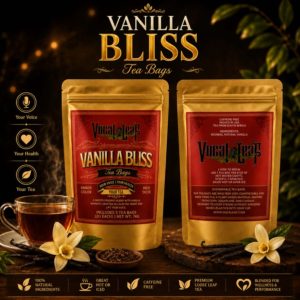
Vocal Leaf’s Vanilla Bliss is built around exactly this flavor logic, with vanilla as a primary rather than incidental note in a blend designed for the wind-down hours. For anyone who finds straight spiced teas too assertive in the evening, the vanilla-cinnamon-apple combination is the natural next step.
Apple Cinnamon Iced Tea, Hot vs. Cold Preparation
Apple cinnamon tea makes a beautiful iced beverage. Still, the preparation method affects both flavor and the functional profile of the brew in ways worth understanding before you make the switch from hot to cold.
Hot steeping extracts water-soluble compounds, such as polyphenols, cinnamaldehyde, and chlorogenic acid, more efficiently than cold steeping. A standard hot brew at 203°F to 212°F for 10 to 12 minutes delivers a higher concentration of the bioactive compounds responsible for apple cinnamon tea’s health benefits than a cold brew of equivalent duration. If functional benefit is the priority, hot brewing followed by cooling over ice is the method that preserves the full therapeutic profile while delivering a chilled final cup.
Cold brew steeping, immersing the loose leaf blend in cold or room-temperature water for 6 to 12 hours, produces a noticeably different flavor result: smoother, less spice-forward, with the apple character more prominent and the cinnamon heat significantly softened. The extraction of bitter compounds is also reduced, which some people strongly prefer. The trade-off is a lower concentration of heat-sensitive beneficial compounds, though the polyphenol content remains meaningful.
For iced preparation, the simplest approach is to brew at full strength hot, using slightly more leaf than a standard hot cup to account for dilution, then pour directly over ice. This method takes under 15 minutes, delivers the complete flavor and functional profile of the blend, and produces a cold beverage that tastes like a deliberate iced tea rather than a leftover cup that went cold. For summer vocal hydration or post-performance recovery in warm conditions, apple cinnamon iced tea prepared this way is one of the most refreshing and purposeful options in the category.
How to Make Apple Cinnamon Tea
Making apple cinnamon tea properly takes under 15 minutes. It requires nothing beyond hot water, quality loose leaf or bagged tea, and attention to two variables that most people underestimate: temperature and steep time. Get those right, and the cup delivers its full flavor and functional profile. Get them wrong, and you extract either too little or the wrong compounds entirely.
Loose Leaf vs. Bagged, Steep Time and Temperature
The format of the tea determines both the ceiling of what’s possible in the cup and the precision required to reach it.
Loose-leaf apple cinnamon tea contains whole or large-cut ingredient pieces, actual dried apple chunks, cinnamon bark fragments, and visible botanicals, which means the surface area available for extraction is distributed across three-dimensional pieces rather than dust. This slower, more gradual release produces a more complex, layered flavor and a higher concentration of intact polyphenols and aromatic compounds. It also means loose leaf is more forgiving of slight steeping errors in either direction: under-steeping yields a lighter but still pleasant cup; over-steeping rarely produces the harsh bitterness that over-steeped fannings create.
Bagged tea typically contains smaller-cut or powdered ingredients with higher surface area, which extract faster but with less nuance. The speed is a practical advantage, three to five minutes in most cases, but the compressed format limits the full aromatic and functional potential of the ingredients. For apple cinnamon specifically, where the whole fruit and bark pieces carry the majority of the beneficial compounds, the difference between loose leaf and a standard bag is meaningful rather than marginal.
The temperature guidance applies to both formats: the target range for apple cinnamon herbal tea is 203°F to 212°F. Unlike delicate green teas that scorch at the boiling point, a fruit-and-spice blend needs near-boiling water to effectively extract cinnamaldehyde from cinnamon bark and polyphenols from dried apple pieces. Water that’s merely warm, below 185°F, produces a noticeably weaker, flatter result.
Hot Apple Cinnamon Tea, Step By Step
The process is straightforward, but each step has a reason.
Start by heating filtered water to just off the boil, 203°F to 212°F. Filtered water matters more than most people acknowledge: chlorine and mineral content in tap water directly affect the perception of delicate fruit and spice flavors, and a clean water base lets the blend express itself without interference.
Warm the cup or teapot before adding the tea. Pouring boiling water into a cold vessel drops the brew temperature by 10°F to 15°F in the first 30 seconds, which affects extraction consistency. A quick rinse with hot tap water solves this entirely.
Measure one heaping teaspoon of loose leaf per eight-ounce cup, approximately two to three grams depending on ingredient density. For a stronger therapeutic cup, use 1.5 teaspoons. Place the leaves in an infuser, strainer basket, or directly in a teapot with a built-in filter.
Pour the heated water directly over the leaves and steep for 10 to 12 minutes. This is longer than most teas and longer than most people expect, but apple pieces and cinnamon bark are dense botanical materials that require extended contact time to release their full compound profile. A five-minute steep of an apple cinnamon loose-leaf blend yields roughly 60 percent of the polyphenol extraction that a 10-minute steep does; the extra time is not optional if the goal is a functionally complete cup.
Remove the infuser, allow the cup to cool to a comfortable drinking temperature of around 120°F to 140°F, and drink without added sugar. The natural sweetness of dried apple and the aromatic warmth of cinnamon create a cup that needs no enhancement to feel satisfying.
Apple Cinnamon Iced Tea Recipe
The method that consistently produces the best iced apple cinnamon tea is hot brewing followed by immediate chilling, not cold brewing or refrigerating a cooled hot cup. Here’s why, and how.
Brew a concentrated hot cup using 1.5 to 2 teaspoons of loose leaf per 6 ounces of water, instead of the standard 8. The higher leaf-to-water ratio compensates for the dilution that occurs when hot tea hits ice, ensuring the final chilled cup has the same depth of flavor and compound concentration as a standard hot brew, rather than a watered-down version.
Steep at full temperature, 203°F to 212°F, for the full 10 to 12 minutes. Hot steeping extracts cinnamaldehyde, chlorogenic acid, and heat-sensitive polyphenols from apple and cinnamon at significantly higher concentrations than cold steeping, regardless of cold steep duration. If the functional benefits of the blend matter to you, cold brewing is not an equivalent substitute.
Fill a glass with ice until it’s full. Pour the steeped, strained concentrate directly over the ice. The rapid temperature drop locks in the aromatic volatiles responsible for the tea’s signature scent profile, which cold brewing never fully develops. Stir once, add a slice of fresh apple or a cinnamon stick as a garnish if serving guests, and drink immediately or refrigerate for up to 24 hours.
For batch preparation, brew a full liter at double strength, pour over a large vessel filled with ice, and refrigerate. The flavor holds well for 24 to 36 hours before the apple notes begin to flatten.
Adding Honey, Lemon, or Ginger for Extra Benefit
Each addition changes the cup in a specific functional direction, and the order and timing of each addition affect whether that benefit actually survives into the final drink.
Honey should always go in last, after the tea has cooled to below 140°F. The enzymatic compounds responsible for honey’s antimicrobial and throat-coating properties, including glucose oxidase, which generates hydrogen peroxide that gives raw honey its antibacterial activity, are heat-sensitive and begin to degrade above that temperature. Adding honey to freshly boiled tea converts it from a functional ingredient to a simple sweetener. One teaspoon is sufficient for flavor; two teaspoons are appropriate if throat soothing is the specific goal.
Fresh lemon juice or lemon peel can go in during or after steeping. A small wedge squeezed in after steeping adds brightness and vitamin C without significantly altering the blend’s flavor balance. For people with acid reflux or vocal irritation, lemon peel steeped alongside the tea delivers aromatic complexity and a fraction of the citrus benefit without the acid load of fresh juice. Avoid adding large amounts of lemon juice to a cup intended for throat recovery; the acidity counteracts the soothing effect the rest of the blend aims to create.
Fresh ginger, a quarter-inch slice of peeled root, can be added directly to the infuser and steeped alongside the apple cinnamon blend for the full 10 to 12 minutes. This extracts gingerols and shogaols alongside the primary blend compounds, producing a unified flavor rather than the sharper, more distinct ginger note you get when adding it afterward. For an anti-nausea or vocal recovery cup, steeping ginger rather than adding it after is the more effective approach, both for flavor integration and for compound extraction.
Apple Cinnamon Tea Nutrition Facts
Apple cinnamon tea is nutritionally minimal in the best sense; a brewed cup contains virtually no calories, negligible sugar, and no macronutrients that require tracking. What it does contain is a meaningful concentration of bioactive compounds that don’t appear on a standard nutrition label but are the real reason to drink it consistently.
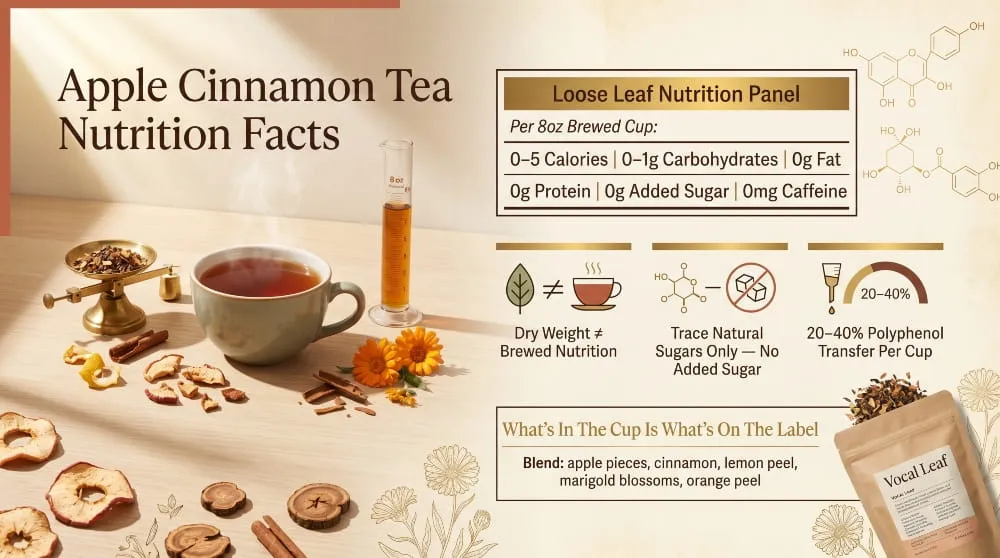
Calories, Sugar, and Carbs: What’s Actually in the Cup
A standard eight-ounce serving of brewed apple cinnamon herbal tea contains between zero and five calories, zero to one gram of carbohydrates, and no fat or protein. These trace amounts come entirely from the minimal water-soluble content of dried apple pieces that dissolves during steeping, not from any added ingredients in a quality, unflavored loose-leaf blend.
To put that in context: the caloric contribution of a daily cup of apple cinnamon tea over an entire year is roughly equivalent to one small apple. As a beverage for people managing caloric intake, intermittent fasting, or metabolic health, it falls into the same practical category as plain water, with the significant advantage of being warm, flavorful, and functionally active in ways plain water is not.
The carbohydrate content deserves the same precision. The one gram or less that appears in some nutrition analyses reflects dissolved fruit sugars from the apple pieces, fructose and glucose in concentrations so low they produce no measurable glycemic response. This is meaningfully different from sweetened tea beverages, fruit juice blends, or even many commercially packaged herbal teas that include added sugar, natural flavoring with caloric content, or sweetened fruit pieces in the blend. A clean, additive-free apple cinnamon formulation meets every nutritional threshold that matters for most health goals.
Does Apple Cinnamon Tea Have Sugar Naturally?
Apple cinnamon tea does contain trace amounts of naturally occurring sugars. Still, the distinction between trace amounts of naturally occurring sugars and added sugar is one of the most important nutritional clarifications to make.
The dried apple pieces in the blend contain fructose and glucose, as all fruit does. When steeped in hot water, a small fraction of these sugars dissolves into the brew. Based on the typical leaf-to-water ratio of a standard cup, approximately two to three grams of loose leaf in eight ounces of water, the sugar that transfers into the liquid is less than 0.5 grams per serving. This is below the threshold that requires disclosure on many international nutrition labeling standards, which is why apple cinnamon tea nutrition labels often read zero grams of sugar despite the presence of fruit in the blend.
Cinnamon itself contains no sugar. Its perceived sweetness is a flavor impression created by cinnamaldehyde stimulating warmth receptors on the palate, not an actual glycemic contributor. This is nutritionally significant because it means cinnamon allows the cup to taste sweet-adjacent without any glucose or fructose from that source entering the equation.
The sugar concern with herbal teas generally comes not from the botanicals themselves but from what manufacturers add to them: natural flavoring (which can include sugar-containing fruit extracts), sweetened dried fruit pieces coated in glucose syrup, or flavor-enhancing additives that technically qualify as natural but carry caloric content the ingredient list doesn’t make obvious. Reading beyond the front label, specifically the full ingredient list rather than the nutrition panel alone, is the only way to verify that a blend is as sugar-free as its marketing suggests.
Reading a Nutrition Label on Loose-Leaf Tea
Nutrition labels on loose-leaf tea are among the most consistently misread food labels in the category, and the confusion is understandable; the label reflects the dry ingredient as measured, not the brewed cup as consumed.
The standard serving size on a loose-leaf tea nutrition label is the dry weight of the tea itself, typically two to three grams. This is the weight of the leaves before steeping, which means the nutrition facts reflect the full caloric and carbohydrate content of the dried apple pieces, cinnamon, and botanicals in their concentrated, un-steeped form. A two-gram serving of dried apple cinnamon loose leaf might show five to ten calories and one to two grams of carbohydrates on this basis, which can create the misleading impression that the brewed tea carries that nutritional load into the cup.
It doesn’t. Steeping extracts water-soluble compounds, polyphenols, flavor molecules, and trace minerals, but leaves the majority of the structural carbohydrates, fiber, and caloric content behind in the spent leaves. The brewed liquid contains a fraction of the nutrition panel figures. Research on polyphenol extraction from fruit-based herbal teas consistently shows that between 20 and 40 percent of total polyphenol content transfers into the brew during a standard steep. In contrast, caloric content transfer is considerably lower, typically under 10 percent of the dry-weight figures.
What the label does tell you accurately is the ingredient quality and composition. A clean, loose-leaf apple cinnamon blend should list only recognizable whole ingredients, apple pieces, cinnamon, perhaps lemon peel, marigold blossoms, or orange peel as supporting botanicals. The absence of artificial flavoring, added sugar, glucose syrup, natural flavors as a catch-all term, or preservatives in the ingredient list is the clearest nutritional signal that what’s in the bag is what ends up in the cup, and nothing else.
Frequently Asked Questions (FAQ’s)
Is apple cinnamon tea good for you?
Yes. Apple cinnamon tea delivers genuine health benefits through quercetin from apple and cinnamaldehyde from cinnamon, compounds with documented anti-inflammatory, antioxidant, and blood sugar-stabilizing properties. It’s caffeine-free, low in calories, and safe for daily consumption.
What does apple cinnamon tea help with?
Apple cinnamon tea supports throat and vocal health, blood sugar regulation, digestive comfort, immune function, and sleep quality. Its anti-inflammatory compounds make it particularly useful for sore throats, post-illness recovery, and anyone managing acid reflux or metabolic health.
Does apple cinnamon tea have caffeine?
No. Apple cinnamon herbal tea is naturally caffeine-free because it contains no Camellia sinensis leaves, the plant that produces all caffeinated teas. This makes it safe to drink at any time of day, including before bed and during pregnancy.
Does apple cinnamon tea break a fast?
No. A plain brewed cup contains between 0 and 5 calories, too few to trigger an insulin response or interrupt fat oxidation. Apple cinnamon tea is widely considered fasting-compatible and among the most satisfying options during a fasting window.
Can you drink apple cinnamon tea while pregnant?
In moderate amounts, one to two cups daily, apple cinnamon herbal tea is generally considered safe during pregnancy. The blend is naturally caffeine-free, which removes the primary beverage concern during pregnancy. Confirm the specific blend ingredients with your healthcare provider before drinking regularly.
Is apple cinnamon tea good for acid reflux?
Yes, when the blend is properly formulated. Apple cinnamon tea is low-acid, caffeine-free, and contains anti-inflammatory compounds that soothe esophageal and pharyngeal tissue. Avoid blends containing citric acid or peppermint, as both can worsen reflux symptoms.
Is apple cinnamon tea good for a sore throat?
Yes. The warm liquid coats and hydrates irritated throat tissue, cinnamaldehyde provides antimicrobial and anti-inflammatory action, and quercetin from apple addresses the underlying mucosal inflammation. It’s one of the most purposeful beverages for throat recovery available without caffeine or acidity.
What is the best time to drink apple cinnamon tea?
The most strategically beneficial times are 20 to 30 minutes before a meal, to prime blood sugar regulation, or in the hour before bed, where its caffeine-free profile and blood sugar-stabilizing compounds support sleep quality. It’s effective at any time of day for general hydration and anti-inflammatory benefits.
Does apple cinnamon tea make you sleepy?
Not directly, it contains no sedative compounds. What it does is remove three common obstacles to natural sleep: caffeine interference, overnight blood sugar instability, and elevated nervous system arousal. The warm cup also triggers peripheral vasodilation, which initiates the core temperature drop the brain uses as a sleep-onset signal.
Is cinnamon apple tea good for people with diabetes?
Evidence supports it as a beneficial daily habit for people with blood sugar management. Cinnamon’s procyanidins enhance insulin sensitivity, and quercetin from apple moderates post-meal glucose absorption. It’s caffeine-free and sugar-free, and it supports metabolic health, though it complements medical management rather than replacing it.
Top Selling Products



Caffeine Free Tea for Voice Professionals | What It Means
Caffeine free tea is widely misunderstood, and for voice professionals, that confusion has real consequences. Many singers, speakers, and performers reach for herbal tea before…

Best Teas for Anxiety | Stress Relief Picks and Tips
The best tea for anxiety is one built around L theanine, the calming amino acid found naturally in real loose leaf tea. It works by…