Why Your Morning Tea Choice Actually Matters
Most people treat their morning drink as a habit rather than a decision. You reach for what’s familiar, brew it on autopilot, and move on. But the tea you choose first thing in the morning, and how you drink it, has a more meaningful impact on your day than most people realize. Energy levels, digestion, focus, even anxiety: your first cup influences them all.
That’s not a reason to overthink it. It’s a reason to choose well once, then enjoy it on repeat.
How Tea Affects Your Body Differently Than Coffee First Thing in the Morning
Coffee is fast. It hits the adenosine receptors hard, delivering a sharp caffeine spike. For many people, especially on an empty stomach, that spike comes with a cost: jitteriness, a mid-morning crash, or acid discomfort that sets a difficult tone for the rest of the day.
Tea works differently, and not just because it contains less caffeine. The way caffeine is delivered in tea is fundamentally slower and steadier. There’s no dramatic peak, which means no dramatic drop. You get lift without the lurch, a more sustained sense of alertness that tends to last longer and feel cleaner.
For people who love the ritual of a hot morning drink but are tired of how coffee makes them feel, this distinction alone is enough to make the switch.

The Role of L-Theanine in Morning Focus and Calm Energy
Here’s what makes tea genuinely unique as a morning drink: L-theanine.
L-theanine is an amino acid found naturally in tea leaves, particularly in black and green teas, and it does something no other common morning beverage can replicate. It promotes a state of relaxed alertness by modulating alpha brain wave activity, essentially taking the edge off caffeine’s stimulating effect without dulling it.
The result is focus without restlessness. Calm without drowsiness. It’s the reason a strong cup of black tea feels so different from an equivalent dose of caffeine from coffee, and why so many people describe tea as the drink that helps them think clearly without feeling wired.
For anyone who needs to perform in the morning, whether that’s on stage, in meetings, or simply thinking straight before 9 am, this L-theanine and caffeine combination is one of the most underappreciated tools available.
Drinking Tea on an Empty Stomach: What You Need to Know
This comes up often, and it’s worth addressing directly: Is tea safe to drink first thing in the morning before eating?
For most people, yes, but the type of tea matters. Strong black teas and some green teas contain tannins, which can cause mild nausea or digestive discomfort in people with sensitive stomachs when consumed without food. If that sounds familiar, it doesn’t mean tea isn’t right for you in the morning. It means you need a gentler option.
Herbal teas, particularly those made with chamomile, ginger, peppermint, or rooibos, are naturally caffeine-free and very low in tannins, making them among the best teas to drink in the morning on an empty stomach. They’re easy on digestion, hydrating, and a genuinely good way to ease into the day before your first meal.
The broader principle: your morning tea should work with your body, not against it. Once you know what your stomach needs in those first waking hours, choosing the right cup becomes straightforward.
The Best Teas to Drink in the Morning (By Goal)
Knowing that tea is good for you in the morning is one thing. Knowing which tea to drink based on what you actually need, that’s where the real value is. This section breaks it down by goal, so you can match your cup to your morning rather than drinking whatever’s closest to the kettle.

Best Morning Tea for Energy, Caffeinated Picks That Won’t Spike and Crash
If energy is the primary ask, black tea is the most reliable answer. It delivers the highest caffeine content of any true tea, enough to meaningfully lift alertness, but paired with L-theanine, that energy arrives smoothly and holds steady rather than peaking and collapsing within the hour.
For mornings when you need to be sharp, present, and functioning at full capacity, a well-brewed loose leaf black tea is hard to beat. It gives you the lift without the volatility.
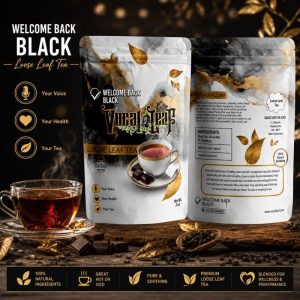
Vocal Leaf’s Organic Loose Leaf Black Tea is one of the most straightforward and satisfying ways to start a caffeinated morning. Full-bodied, clean, and naturally processed, it’s the kind of cup that earns a permanent spot in the morning routine.
Best Morning Tea to Replace Coffee: Bold, Satisfying, and Ritual-Worthy
Replacing coffee isn’t just about finding something with caffeine. It’s about finding something that feels like a morning drink deserves: warm, rich, complex, and worth waking up for.
Black tea gets you there on flavour and caffeine. But if you want something that also brings a little spice and body to the ritual, a chai-style blend hits differently. The warmth of cinnamon, the depth of clove, the gentle heat of ginger, these are flavours that satisfy the part of you that misses coffee’s personality, not just its caffeine.
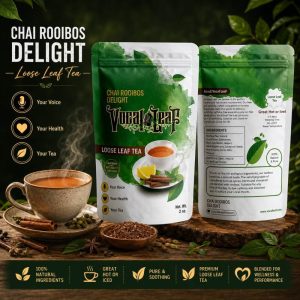
Organic Rooibos Chai Tea from Vocal Leaf does this beautifully. Naturally caffeine-free but deeply satisfying in flavour, it’s the coffee replacement that doesn’t feel like a compromise, especially for those who want the chai experience without any caffeine.
Best Morning Tea for Weight Loss, Metabolism-Supporting Options
No tea is a weight-loss solution on its own, but certain teas do support the conditions that make healthy weight management easier, and drinking them in the morning, before your metabolism has fully activated, is one of the best times to do so.
Green tea is the most studied for this purpose, largely due to its catechin content and its mild thermogenic effect. Black tea has also shown promise in supporting gut microbiome diversity, which is increasingly linked to metabolic health. The consistent thread across the research: regular consumption matters more than any single cup.
The practical answer to a morning weight-loss tea is something you’ll actually drink every day. Flavour compliance is underrated in wellness habits. If the tea doesn’t taste good, the routine doesn’t last.
Best Morning Tea for Digestion, Soothing the Gut Before the Day Begins
A lot happens in the digestive system overnight, and the first thing you consume in the morning sets the tone for how your gut performs through the day. Teas that support digestion work best when consumed warm, slowly, and ideally before food or alongside a light first meal.
Ginger tea is the classic recommendation here; it stimulates digestive enzymes, reduces nausea, and helps move things along without being harsh. Peppermint is another strong option, particularly for people who experience bloating or morning cramping. Rooibos, with its antispasmodic properties, is gentle enough for daily use and kind to sensitive stomachs.
Best Morning Tea for Gut Health and Bloating
Bloating in the morning is more common than people admit, and it’s often a signal that the gut needs support rather than stimulation. Strong caffeinated teas can occasionally aggravate this, making herbal options the smarter choice if your stomach feels unsettled before 9 am.
Rooibos is particularly well-suited here. It’s rich in antioxidants, contains no caffeine, and has been shown to have mild anti-inflammatory effects on the digestive tract. A warm cup of rooibos in the morning is one of the quietest and most effective ways you can support gut comfort.
Organic Rooibos Chai Tea from Vocal Leaf offers the added benefit of warming spices, many of which (cinnamon, ginger, cardamom) have well-documented digestive properties, making this a genuinely functional morning blend.
Best Morning Tea for Focus and Mental Clarity
This is where the L-theanine conversation becomes practical. For mornings that require sustained cognitive performance, deep work, creative output, and high-stakes conversations, the combination of caffeine and L-theanine found in black and green teas is one of the most effective natural focus tools available.
The goal isn’t stimulation. It’s clarity. And tea, more than almost any other morning drink, delivers that distinction reliably.
For a focused morning without caffeine, certain herbal blends containing peppermint or ginkgo-adjacent botanicals can support mental alertness through a different pathway, primarily by improving circulation and sensory activation rather than direct stimulation.
Best Caffeine-Free Tea for Morning, Herbal Options That Still Feel Intentional
Choosing to go caffeine-free in the morning is a legitimate, often underestimated decision. Whether it’s sensitivity, preference, pregnancy, or simply a desire not to be dependent on stimulants to function, the caffeine-free morning tea category is far richer than most people explore.
The key is finding herbal teas that feel purposeful, not like a consolation prize, but like a genuine ritual. Flavour complexity matters here. A well-crafted herbal blend should have layers: a top note, a body, a finish. It should feel like something worth making.
Lemon Berry Dream from Vocal Leaf is one of the better answers to this. Bright, naturally sweet, and layered with fruit-forward flavour, it’s a caffeine-free morning tea that actually excites you to get out of bed, and it’s naturally caffeine-free, never chemically decaffeinated.
Vanilla Bliss is the slower, warmer alternative, smooth and grounding, ideal for mornings when calm is the priority over brightness. Both serve the caffeine-free morning ritual without sacrificing an ounce of enjoyment.
Best Morning Tea on an Empty Stomach, What’s Gentle and What to Avoid
If you drink tea before eating anything, the gentleness of your choice matters more than most people account for. High-tannin teas, strong black teas brewed long, or certain green teas, can cause nausea or stomach discomfort in sensitive individuals when there’s no food to buffer them.
What works well on an empty stomach: rooibos, chamomile, ginger, peppermint, and fruit-based herbal blends. These are low in tannins, naturally soothing, and won’t put your digestive system on the defensive before the day has even started.
What to approach with care: very strong black tea brewed for more than 4 minutes, matcha on an empty stomach, and any tea consumed in large quantities before eating if you know your gut is sensitive.
The good news is that loose leaf herbal teas, particularly the kind Vocal Leaf specialises in, are among the most stomach-friendly ways to start a morning. Whole ingredients, no additives, nothing artificial to irritate the gut lining. Just tea, the way it was meant to be.
The Best Types of Tea for Morning
Understanding which tea type belongs in your morning starts with understanding what each one actually does. Not in a vague, wellness-marketing sense, but practically, in terms of how it affects your body, your energy, and your experience of the first hour of the day.

Black Tea in the Morning, Strength, Caffeine, and Why It Earns Its Place
Black tea is the most straightforward answer to the morning energy question. It contains more caffeine than any other true tea, typically between 40 and 70mg per cup, depending on the variety and brew time, and it delivers that caffeine alongside L-theanine, which smooths the ride considerably compared to coffee.
What makes black tea particularly well-suited to mornings is its flavour profile. It’s bold enough to feel like a proper wake-up drink. There’s body, depth, and a satisfying robustness that lighter teas simply don’t offer at 7 am. For anyone who has tried switching from coffee and found green tea too delicate to scratch the itch, black tea is almost always the answer.
It also pairs well with food, holds up to milk if that’s your preference, and brews reliably even when you’re not fully awake yet. There’s a reason it’s been the default morning drink across entire cultures for centuries: it works.
Organic Loose Leaf Black Tea from Vocal Leaf is the kind of black tea that makes the category shine. Clean, full-bodied, and organically grown, it’s the best morning wake-up tea for anyone who wants caffeine delivered with character rather than compromise.
Green Tea in the Morning, When to Drink It and How to Get the Most From It
Green tea is often the first thing people reach for when they decide to “be healthier” in the morning, and the instinct isn’t wrong, but timing and method matter more with green tea than with almost any other variety.
The biggest mistake people make is drinking green tea immediately upon waking, on an empty stomach. Green tea is higher in tannins than most herbal options and can cause nausea or stomach discomfort if consumed before eating. The better approach is to wait until after a light breakfast, or at minimum after a glass of water, before brewing your first green tea of the day.
When consumed at the right time, green tea is genuinely excellent for morning energy. Its caffeine content is lower than black tea, typically 25 to 45mg per cup, but combined with a meaningful dose of L-theanine, the result is alert, focused, calm rather than stimulation. It’s the best tea for morning clarity without intensity, and for people who find black tea too strong, it’s the natural middle ground.
Brew it with water that’s around 75–80°C rather than fully boiling. Overheating green tea extracts bitterness and diminishes the very compounds that make it worth drinking.
Herbal Tea in the Morning, The Case for Going Caffeine-Free from the Start
The narrative around morning tea tends to default to caffeine, but there’s a genuinely strong case for starting the day with an herbal blend, and it’s not just for people avoiding stimulants.
Herbal teas are naturally caffeine-free (never chemically decaffeinated; they simply contain no caffeine to begin with), which means they hydrate rather than mildly dehydrate, support digestion without aggravating it, and can be consumed on an empty stomach without concern. For anyone whose mornings are already high-stimulation, with a demanding job, a performance schedule, and an anxious disposition, adding caffeine to that mix can push the nervous system harder than it needs to.
A well-crafted herbal morning tea does something different. It grounds you. It gives you a ritual without the dependency. And when the blend is genuinely good, complex, flavourful, satisfying, you don’t miss the caffeine at all.
Lemon Berry Dream is bright and energising in flavour without touching your nervous system, making it one of the best herbal teas to drink in the morning for people who want to feel alive without the stimulant. Vanilla Bliss takes the opposite approach, warm, smooth, and deeply calming, ideal for slow mornings or anyone building a caffeine-free ritual that actually feels luxurious rather than like a sacrifice.
Loose Leaf vs. Tea Bags in the Morning: Does It Make a Difference?
The short answer is yes, and it’s more significant than most people expect.
Tea bags, particularly standard commercial ones, contain what’s known in the industry as “fannings” or “dust”: the smallest, lowest-grade particles left after whole leaves are processed. These particles release tannins quickly, which is why bagged tea can taste bitter or astringent if left too long. The trade-off for convenience is real.
Loose leaf tea uses whole or large-cut leaves that unfurl during brewing, releasing flavour, aroma, and beneficial compounds gradually and fully. The cup you get from a quality loose leaf is richer, smoother, and more complex, and because whole leaves release tannins more slowly, it’s also gentler on the stomach, which matters when you’re drinking first thing in the morning.
For a daily ritual, loose leaf is worth the marginal extra effort. A good infuser, a kettle, and two minutes of attention produce a cup that a tea bag genuinely cannot match. And over time, the cost per cup of quality loose leaf is often comparable to, or even lower than, that of premium bagged alternatives.
Decaf Tea in the Morning, Who It’s Really For, and Which Options Hold Up
Decaf tea occupies a specific and often misunderstood space. It’s worth being direct about who it actually serves well and where its limitations are.
Chemically decaffeinated teas undergo a process that removes caffeine but can also strip away some of the flavour compounds and antioxidants that make tea worth drinking in the first place. The result is often a flatter, less satisfying cup, one that doesn’t fully deliver on the promise of either a proper tea experience or a completely clean one.
Naturally caffeine-free herbal teas are a more honest and more enjoyable solution for anyone avoiding caffeine in the morning. They’re not “decaffeinated”; they never contained caffeine to begin with, which means nothing has been removed or compromised, and the flavour and nutritional profile are fully intact.
Decaf tea does have a legitimate place for people who specifically love the taste of black or green tea but need to avoid caffeine for medical or sensitivity reasons. In that case, look for teas that use CO2 decaffeination, which is the gentlest method and best preserves flavour. But for most people building a caffeine-free morning ritual from scratch, a quality herbal loose leaf blend is the better starting point, and a more satisfying one.
Best Time to Drink Tea, Morning vs. Night
One of the most common questions people ask when building a tea habit is deceptively simple: when should I actually be drinking this? Morning or night? Before food or after? The answer depends on the tea, and getting the timing right makes a meaningful difference in what you get out of it.

Green Tea, Morning or Night?
Green tea is best consumed in the morning or early afternoon, and there are two clear reasons for this.
First, green tea contains caffeine, not as much as black tea, but enough to interfere with sleep quality if consumed within four to six hours of bedtime. If you’re drinking green tea at 9 pm, wondering why you can’t wind down, the timing is likely the issue.
Second, green tea’s catechins and antioxidants are most useful when your body is active and your metabolism is running. Drinking it in the morning, ideally after a light breakfast rather than on an empty stomach, lets those compounds work in alignment with your body’s natural rhythm rather than against it.
The one caveat: if you’re highly caffeine-sensitive, even morning green tea can feel like too much. In that case, a naturally caffeine-free herbal alternative will serve you better in the early hours.
Earl Grey, Morning or Night?
Earl Grey is a black tea base, which means it has a significant caffeine content, making it a morning or mid-afternoon drink for most people. The bergamot oil that defines its flavour also has mild stimulating and mood-lifting properties, which reinforce its place in the first half of the day.
As a morning tea, Earl Grey punches well above its weight. It’s aromatic, complex, and distinctive enough to make the ritual feel special rather than routine. Many people who switch from coffee to tea find Earl Grey to be one of the most satisfying transitions because it delivers both the caffeine and the sensory experience they seek.
Drinking it at night is a choice, not a recommendation, unless you’ve confirmed that caffeine doesn’t affect your sleep; in that case, the bergamot’s subtly calming quality gives it a dual-use personality.
Hibiscus Tea, Morning or Night?
Hibiscus sits in interesting territory. It’s naturally caffeine-free, so there’s no concern about sleep disruption regardless of when you drink it. But its tart, vivid flavour profile and mild effect on blood pressure make it worth considering more carefully.
In the morning, hibiscus tea is refreshing and hydrating, particularly served warm or as a cold brew alongside breakfast. Its high vitamin C content is also better absorbed when your body is active, giving it a functional edge as a morning choice.
At night, hibiscus is one of the more pleasant herbal options precisely because it’s caffeine-free and its slightly tart flavour feels cleansing after a day of eating. It’s one of the few teas that genuinely works well in both windows, making it a versatile addition to any tea rotation.
Why Most Teas Perform Better as Morning Rituals
There’s a broader principle worth noting here: the majority of teas, particularly those with caffeine, and even many herbal blends with stimulating botanicals, are simply better suited to the morning than the evening.
In the morning, your cortisol naturally rises, your body transitions from rest to activity, and your digestive system warms up. A well-chosen morning tea supports that transition, boosts energy, activates digestion, and provides a grounding ritual that sets the tone for the hours ahead.
Evening teas serve a different purpose entirely. That’s a separate conversation. For now, if you’re building a morning ritual and wondering which tea to reach for, the answer is almost always: drink it in the morning, drink it with intention, and choose the type based on what your body needs in those first waking hours, not what’s simply convenient.
Best Morning Tea for Health, And the Coffee Replacement That Actually Satisfies
These two topics belong together because they share the same underlying question: what is the best tea to drink in the morning to feel genuinely good? Whether you’re optimising for long-term health or looking for a coffee replacement that doesn’t feel like a downgrade, the answer starts with understanding what your morning drink is actually doing to your body.

The Healthiest Teas to Drink in the Morning
There’s no single “healthiest” morning tea, because health isn’t a single variable. The best healthy morning tea for you depends on what your body needs most: energy, digestive support, hormonal balance, immune function, or simply consistent hydration without the crash.
That said, a few teas consistently appear at the top of the evidence-based list.
Black tea is one of the most antioxidant-rich drinks available, containing theaflavins and thearubigins that support cardiovascular health, gut microbiome diversity, and sustained energy. Consumed regularly in the morning, it contributes to a cumulative antioxidant load that genuinely matters over time.
Green tea is the most studied tea for broad health outcomes, including cognitive function, metabolic support, and cellular protection. Its high EGCG content makes it one of the most functionally dense morning drinks you can choose, provided you time it correctly and don’t consume it on an empty stomach.
Rooibos rounds out the top tier for a different reason entirely: it’s one of the only teas that delivers a rich antioxidant profile with zero caffeine, zero tannins, and virtually no known contraindications. For people who want a genuinely healthy morning tea without any of caffeine’s complications, rooibos is hard to argue against.
Organic Rooibos Chai Tea from Vocal Leaf combines the antioxidant depth of rooibos with the anti-inflammatory properties of cinnamon, ginger, and cardamom, making it one of the more complete healthy morning teas available as a single cup. It supports digestion and reduces oxidative stress, without affecting your adrenal system
Best Morning Tea for Women’s Health
Women’s health needs in the morning can differ significantly from the general conversation, particularly around hormonal balance, iron absorption, and cycle-related symptoms.
A few considerations worth knowing: black tea and green tea, consumed in large quantities immediately before or after eating, can inhibit iron absorption due to their tannin content. For women who are iron-deficient or managing this carefully, drinking tea at least an hour after meals, or choosing rooibos, which doesn’t carry this concern, is the more informed approach.
For hormonal support, spearmint tea has shown early promise in research related to androgen levels, making it worth exploring for women managing PCOS symptoms. Rooibos, with its mild phytoestrogenic properties and zero caffeine, is also commonly recommended as a gentle daily tea for hormonal balance.
Lemon Berry Dream offers a naturally caffeine-free, fruit-forward option that feels genuinely nourishing in the morning, hydrating, light, and kind to the body regardless of where you are in your cycle. For mornings when warmth and calm are the priority, Vanilla Bliss delivers exactly that, smooth, comforting, and completely free of stimulants.
The Best Morning Tea to Replace Coffee: What Makes the Switch Actually Work
Replacing coffee is one of the most common reasons people explore morning tea seriously, and it’s worth being honest about what makes it succeed or fail.
The switch fails when people choose a tea that’s too delicate to feel satisfying at 7 am. A floral white tea or a light green tea is a pleasant afternoon drink; it is not a credible coffee replacement for someone who’s been waking up to a double espresso. The morning coffee ritual is partly about caffeine, but it’s equally about weight, warmth, boldness, and the sensory satisfaction of something that feels like a proper morning drink.
The switch works when you match intensity with intensity.
Black tea is the closest true equivalent to coffee in terms of strength, body, and caffeine delivery. It’s the most reliable foundation for a morning coffee replacement. Organic Loose Leaf Black Tea from Vocal Leaf brews a cup with genuine depth and character, full-bodied enough to feel substantial, clean enough not to leave the bitterness that often undermines coffee drinkers’ patience with tea.
For those who want the ritual without the caffeine, the answer isn’t a weak herbal substitute; it’s a blend bold enough in flavour to fill the psychological space coffee occupies. Organic Rooibos Chai Tea does this better than almost anything else in the caffeine-free category. The spice profile is warming and complex, the rooibos base is rich and earthy, and the overall experience is satisfying, making the absence of caffeine genuinely easy to forget.
The best morning tea for coffee switchers is a quality loose-leaf black tea, brewed strong and given the same care you’d give a good coffee. The best caffeine-free alternative is a chai-style blend with enough body and warmth to hold its own against the memory of your morning cup.
Either way, the transition is easier than most people expect, especially once the L-theanine effect kicks in and you realise that calm, sustained energy is a more useful way to start the day than a sharp spike that demands a second cup an hour later.
Best Morning Tea for Weight Loss, What Actually Works
Weight loss is one of the most searched morning tea topics, and also one of the most misrepresented. Before getting into which teas are worth your time, it’s worth being direct about one thing: no tea burns fat on its own. Certain teas can support the conditions that make healthy weight management more sustainable, and when consumed in the morning, that support is well-timed.

How Morning Tea Supports Weight Management
The morning is a metabolically significant window. Your body has been fasting overnight, cortisol is naturally elevated to mobilise energy, and your digestive system is primed to respond to what you consume first. Choosing a tea that works with this biology, rather than loading up on a sugary breakfast drink that works against it, is a small but compounding daily decision.
The teas most associated with weight management share a few common mechanisms: they support metabolism, influence gut microbiome health, provide antioxidants that reduce inflammation, and, in some cases, mildly suppress appetite. None of these effects is dramatic in isolation. Together, over time, as part of a considered lifestyle, they add up.
The Best Teas for Weight Loss in the Morning
Green tea is the most researched option in this space. Its combination of caffeine and catechins, particularly EGCG (epigallocatechin gallate), has been shown in multiple studies to increase thermogenesis and fat oxidation modestly. Drinking green tea in the morning, when your metabolism is activating, is the most strategically sound time to consume it. The effect is subtle, not dramatic, but it’s real and consistent with the evidence.
Black tea works through a different pathway. Research suggests black tea may support weight management by promoting the growth of beneficial gut bacteria and reducing the absorption of certain fats in the digestive tract. For anyone who finds green tea too light for a morning drink, black tea offers a bolder cup with its own metabolic credentials.
Ginger tea deserves mention here as well. Ginger has mild thermogenic properties, supports digestive motility, and has been shown to reduce feelings of hunger in some studies. As a morning detox tea, consumed warm, before eating, it’s one of the more functional choices available, particularly for people whose weight management goals are tied to improving digestion and reducing bloating.
Organic Rooibos Chai Tea from Vocal Leaf brings together several of these benefits in one cup. Rooibos contains aspalathin, an antioxidant that has shown early promise in research on blood sugar regulation, a meaningful factor in managing cravings and maintaining energy stability throughout the morning. The warming spices in the chai blend, cinnamon, ginger, and cardamom, each carry their own mild metabolic and digestive benefits. It’s naturally caffeine-free so that it won’t stress the adrenals, and it’s satisfying enough to reduce the urge to snack before a proper meal.
What About Morning Detox Teas?
The detox tea category is worth approaching with clear eyes. Many commercially marketed “detox” or “slimming” teas contain senna or other laxative herbs that produce short-term results through water loss and bowel stimulation, rather than through actual fat metabolism. They can cause cramping, dependency, and electrolyte imbalance with regular use.
A genuine morning detox tea is simply one that supports your body’s natural detoxification pathways, primarily the liver and digestive system, without forcing them. Dandelion root tea supports liver function and acts as a gentle diuretic. Ginger and peppermint support gut motility. Rooibos provides antioxidant support that reduces oxidative stress on the liver.
None of these is dramatic. All of them are sustainable. And sustainability is exactly what distinguishes a morning tea habit that actually contributes to weight management from one that just makes you feel like you’re doing something.
The best morning tea for weight loss is one you’ll drink every day, one that’s genuinely enjoyable, supports digestion, and fits naturally into your morning before food or alongside a light breakfast. Flavour matters more than people admit in wellness habits. If the tea doesn’t taste good, the routine collapses.
Organic Loose Leaf Black Tea for a caffeinated, metabolism-supporting start. Organic Rooibos Chai Tea for a caffeine-free option that still brings warmth, complexity, and functional ingredients to the morning ritual. Either way, the most important variable isn’t which tea you choose; it’s that you choose one and drink it consistently.
Best Morning Tea for Digestion and Gut Health
Your digestive system doesn’t wake up instantly. It needs time, warmth, and the right signals to move from overnight rest into active function, and what you consume in the first 30 minutes of the day has a disproportionate influence on how your gut performs for the rest of the day. The right morning tea doesn’t just taste good; it’s also good for you. It actively participates in that transition.

Why the Morning Is the Most Important Time to Support Digestion
After six to eight hours of fasting, your digestive tract is essentially in a low-activity state. Acid production in the stomach is lower, gut motility is reduced, and the microbiome is awaiting input. A warm liquid first thing in the morning begins to reverse all of that, stimulating peristalsis, warming the stomach lining, and signalling to the digestive system that the day has started.
This is why how you drink your morning tea matters as much as which tea you choose. Warm or hot, consumed slowly, ideally before or alongside a light first meal, this approach extracts the most digestive benefit from whatever tea you’re drinking. Cold tea first thing doesn’t carry the same effect.
The Best Teas for Morning Digestion
Ginger tea is the most functionally powerful option for digestive support in the morning. It stimulates the production of digestive enzymes, accelerates gastric emptying, reduces nausea, and has well-documented anti-inflammatory effects on the gut lining. For anyone who wakes up with a sluggish stomach, mild nausea, or general digestive discomfort, warm, early ginger tea is one of the most direct and evidence-supported interventions available.
Peppermint tea works through a different mechanism: it relaxes the smooth muscle of the gastrointestinal tract, making it particularly effective for people who experience cramping, spasms, or the kind of tight, uncomfortable bloating that sits in the lower abdomen. If your morning digestive complaint is more about tension than sluggishness, peppermint is the more targeted choice.
Rooibos is the gentlest option and arguably the most appropriate for daily, long-term use. It contains no tannins, no caffeine, and no compounds likely to irritate a sensitive gut, while delivering antispasmodic properties and a meaningful antioxidant load that supports the gut lining over time. It’s the best morning tea for gut health as a sustained habit rather than an acute fix.
Organic Rooibos Chai Tea from Vocal Leaf brings all of this together practically. The rooibos base is gentle and gut-friendly, while the chai spices, ginger, cinnamon, and cardamom each contribute their own digestive benefits. Ginger stimulates enzyme production, cinnamon helps regulate blood sugar (which influences digestive rhythm), and cardamom has long been used in traditional medicine as a carminative, meaning it reduces gas and bloating. As a single morning cup, it covers more digestive ground than most teas can manage on their own.
Best Morning Tea for Bloating
Bloating in the morning is often a sign that digestion slowed significantly overnight, either from a late meal, stress, or a gut microbiome that needs consistent support. The teas best suited to addressing morning bloat are those that combine carminative properties (gas-reducing) with gut-motility support.
Peppermint and ginger are the two strongest options here. Fennel tea is another worth knowing; it’s one of the most effective natural carminatives available. It is particularly good for people whose bloating is accompanied by gas and abdominal pressure rather than just fullness.
Rooibos chai, consumed warm first thing, works well as a daily bloat-management tool because of its consistent, gentle action on the digestive system, not dramatic, but reliably effective over time.
What to avoid if bloating is your primary concern: strong black tea on an empty stomach, carbonated morning drinks, and anything with artificial sweeteners, which are known to disrupt gut motility and worsen bloating in many people.
Best Tea First Thing in the Morning for GERD
GERD (gastroesophageal reflux disease) requires a more careful approach to morning tea than most digestive conditions. The lower oesophageal sphincter, the valve that prevents stomach acid from travelling upward, is particularly vulnerable when you’re lying down or first waking up, and certain teas can aggravate this.
Teas to approach carefully with GERD: strong black tea and green tea (their caffeine and tannin content can relax the lower oesophageal sphincter and increase acid production), peppermint (despite its digestive benefits, it also relaxes the sphincter and can worsen reflux in GERD sufferers), and anything acidic, including hibiscus and fruit-forward blends.
Teas that tend to be well-tolerated with GERD: chamomile, which has mild anti-inflammatory and soothing properties on the oesophageal lining; ginger in moderate amounts, which can actually help with gastric emptying and reduce reflux episodes; and rooibos, which is low in acid, free of caffeine, and among the most consistently well-tolerated teas for people managing reflux.
If you have GERD and are looking for the best tea to drink first thing in the morning, a warm cup of rooibos or chamomile, consumed in an upright position, not immediately after lying down, is the most defensible starting point.
Best Morning Tea on an Empty Stomach
The empty stomach question is one of the most practical in this entire guide, and the answer is simpler than most people make it out to be.
Naturally caffeine-free herbal teas are the safest and most comfortable choice when drinking on an empty stomach. They hydrate without acidity, support digestion without agitating it, and carry none of the tannin-related concerns that come with black and green teas before eating.
Lemon Berry Dream from Vocal Leaf is a good example of a tea that works beautifully before breakfast, naturally caffeine-free, gently flavoured, and easy on the stomach from the first sip. Vanilla Bliss is an equally gentle option for those who prefer warmth and softness over brightness first thing in the morning.
If you prefer a caffeinated morning tea and want to drink it before eating, black tea brewed for a shorter time (two to three minutes rather than four or five) significantly reduces tannin extraction, making it considerably gentler on an empty stomach. It won’t be quite as bold, but it’s a workable compromise for people who aren’t ready to eat before they caffeinate.
The broader principle remains the same throughout this section: your morning tea should lower the friction between sleep and full function, not add to it. Choose gently, brew warm, and let the cup do its job.
Our Top Morning Tea Picks from Vocal Leaf
Every tea recommended in this guide serves a specific morning need. The four below are the ones we return to consistently, each chosen because it genuinely delivers on what a morning tea should do, not because it looks good on a shelf. Whether you’re caffeinated or caffeine-free, high-performance or unhurried, there’s a cup here that fits the morning you’re actually having.

For the Coffee Switcher Looking for Boldness Without Bitterness
The biggest obstacle to switching from coffee isn’t the caffeine; it’s finding something with enough body and character to feel like a proper morning drink. Most teas don’t clear that bar. This one does.
Organic Loose Leaf Black Tea is full-bodied, clean, and genuinely satisfying from the first cup. It brews dark, carries real depth, and delivers steady caffeine energy through the L-theanine pairing that coffee simply can’t replicate, no spike, no crash, no second cup demanded forty minutes later. If you’ve tried switching to tea before and found it underwhelming, this is the one that changes the conversation.
Brew it strong. Give it three to four minutes. Drink it the way you used to drink your coffee, with the same intention, the same ritual, the same expectation that it will actually work. It will.
For the Caffeine-Free Morning Ritual
Going caffeine-free in the morning is not a compromise. Done right, it’s a deliberate choice, and Lemon Berry Dream makes that choice easy to feel good about.
Bright, naturally sweet, and layered with fruit-forward flavour, it’s the kind of tea that genuinely excites you to get out of bed. Naturally caffeine-free, not decaffeinated, never chemically processed, it hydrates cleanly, sits easily on an empty stomach, and brings a sensory lift to the morning that doesn’t rely on stimulants to deliver it.
For anyone building a morning routine around clarity and calm rather than caffeine dependency, this is the cup that makes the ritual feel intentional rather than incomplete.
For the Singer, Speaker, or Performer Starting Their Day With Intention
Vocal health is a specific and often overlooked morning consideration. The voice needs hydration, warmth, and freedom from irritants, and the wrong morning drink can compromise all three before the day has properly begun. Coffee’s acidity and dehydrating effect make it a poor choice for performers. Strong teas with high tannin content can dry and constrict. The morning cup for a vocalist, podcaster, teacher, or public speaker needs to work differently.
Organic Rooibos Chai Tea is built for exactly this. Rooibos is naturally caffeine-free, low in tannins, and deeply hydrating, with none of the vocal cord tension that comes with dehydrating drinks. The warming spices support circulation and gently activate the throat without irritating it. It’s rich enough to feel like a proper morning drink, functional enough to make a real difference, and smooth enough that your voice will thank you before you’ve said a word.
This is the morning tea Vocal Leaf was built around, and for anyone whose voice is part of their professional life, it belongs in the morning rotation without question.
For Slow Mornings When Warmth Is the Whole Point
Not every morning needs to be optimised. Some mornings just need to be good, unhurried, quiet, and centred around something that feels genuinely nourishing rather than functional.
Vanilla Bliss is that cup. Smooth, naturally sweet, and deeply comforting, it’s a caffeine-free blend that wraps around a slow morning the way a good morning should feel. No sharpness, no agenda, just warmth, flavour, and a few minutes that belong entirely to you before the day makes its demands.
It’s the tea for weekends. For writing mornings. For the days when the ritual matters more than the productivity, and the cup in your hands is the whole point.
All four teas are loose leaf, organically sourced, and naturally processed, no artificial flavours, no fillers, nothing that doesn’t belong in a cup you’re drinking first thing in the morning. That’s not a marketing claim. It’s the standard Vocal Leaf was built on, and it’s what makes the difference between a tea you drink and a tea you actually look forward to.
How to Build a Morning Tea Ritual That Actually Sticks
Most people don’t fail at morning tea because they chose the wrong blend. They fail because they never built the habit properly in the first place. A morning tea ritual isn’t just about what’s in the cup; it’s about the conditions around it. Get those right, and the habit maintains itself. Get them wrong, and even the best tea in the world ends up sitting in the back of a cupboard.

The Best Way to Brew Tea First Thing in the Morning
The single most important variable in morning tea brewing is water temperature, and it’s the one most people get wrong by defaulting to fully boiling water for every tea they make.
Black tea is forgiving. It handles boiling water well and actually benefits from the full heat to extract its bold, robust flavour. Green tea does not. Boiling water on green tea destroys delicate compounds, extracts excess bitterness, and produces a cup that’s far inferior to what the same leaves could deliver at 75–80°C. If you’ve tried green tea and found it unpleasant, overheated water is likely the reason.
Brew time matters just as much. Two to three minutes for green tea, three to four for black, and five or more for most herbal blends; these aren’t arbitrary guidelines. They’re the difference between a tea that tastes alive and one that tastes like an afterthought. For morning specifically, where you’re often moving quickly, setting a simple timer changes the consistency of your cup more than almost any other single adjustment.
The broader principle for a sustainable morning routine: simplify the process until there’s no friction. A good kettle, a quality infuser, and your tea measured out the night before. That’s it. The ritual should feel easy enough to do half-asleep, because some mornings it will be.
Loose Leaf Morning Tea: Why It Changes the Experience
There’s a reason loose-leaf tea drinkers rarely go back to bags, and it’s not snobbery. It’s a genuinely better experience, and the morning is where that difference is felt most clearly.
Whole and large-cut leaves unfurl slowly during brewing, releasing flavour in layers rather than all at once. The result is a more complex, more aromatic, and smoother cup, one that rewards you with a different depth at four minutes than it offered at two. Tea bags, by contrast, are typically packed with dust and fannings that release tannins aggressively and early, producing a flat, one-dimensional brew that peaks fast and falls off quickly.
In the context of a morning ritual, this matters beyond taste. The act of measuring loose leaf, watching it steep, and taking a moment with the process is part of what makes a morning ritual feel like a ritual rather than just another task. It slows you down by thirty seconds in a way that the rest of your morning doesn’t, and that brief, deliberate pause has real value before the pace of the day sets in.
Morning Tea at Work, What Travels Well and What Doesn’t
For many people, the morning tea ritual doesn’t happen at home; it happens at a desk, between emails, in the first twenty minutes of a workday that’s already moving. Building a tea routine that works at the office requires a slightly different approach, but it’s entirely achievable.
A good travel infuser or a keep-cup with a built-in strainer solves most of the practical problems. Pre-measuring your loose leaf into a small tin the night before removes the one friction point that tends to collapse work routines. And choosing a tea that’s forgiving of imprecise brewing, black tea, rooibos, and most herbal blends, means that an office kettle and a two-minute steep will still produce a satisfying cup even if the conditions aren’t ideal.
What doesn’t travel well: matcha (requires whisking and precise temperature), very delicate green teas (suffer badly from oversteeping if you get distracted), and anything that requires milk or preparation beyond hot water and steeping. Keep the work routine simple, and it’ll hold.
Pairing Your Morning Tea With Food vs. Drinking It Alone
This is worth thinking about more deliberately than most people do, because the interaction between tea and food is not neutral.
Drinking tea alone before eating works best with naturally caffeine-free herbal teas, rooibos, chamomile, and fruit-based blends, which are gentle on the stomach lining and don’t interfere with nutrient absorption. It’s also one of the better windows for teas with digestive benefits, since an empty gut is more receptive to their active compounds.
Caffeinated teas, black and green, are generally better consumed alongside or after a light first meal. This isn’t just about stomach comfort. Tannins in black and green tea can bind to non-haem iron, reducing its absorption when consumed with iron-rich foods, which is worth knowing if your diet relies on plant-based iron sources. Drinking tea thirty to sixty minutes after eating largely eliminates this concern.
The practical morning pairing that works consistently well: a piece of fruit or a light breakfast alongside a cup of Organic Loose Leaf Black Tea for a caffeinated start, or Lemon Berry Dream on an empty stomach for those who prefer to eat later. Both approaches are sustainable, both feel good, and neither requires more thought than you have available before 8 am.
The ritual doesn’t need to be perfect. It just needs to be repeatable, and the best morning tea routine is simply the one you’ll actually do tomorrow.
Frequently Asked Questions (FAQ’s)
What is the best tea to drink in the morning for energy?
Black tea is the best morning tea for energy. It delivers more caffeine than any other true tea, and its natural L-theanine content smooths the energy curve, producing steady, focused alertness without the spike-and-crash of coffee.
Is it okay to drink tea first thing in the morning on an empty stomach?
It depends on the tea. Naturally caffeine-free herbal teas, rooibos, chamomile, and fruit-based blends, are gentle on an empty stomach and safe to drink before eating. Strong black or green teas are better consumed alongside or after a light meal, as their tannin content can cause nausea in sensitive individuals.
What tea is best to replace coffee in the morning?
Black tea is the most effective coffee replacement in the morning; it’s bold, full-bodied, and delivers real caffeine alongside L-theanine for a cleaner, more sustained energy lift. For a caffeine-free alternative that still satisfies, spiced rooibos chai offers enough warmth and complexity to fill the ritual space left by coffee.
What is the healthiest tea to drink in the morning?
There is no single answer, as health needs vary, but black tea, green tea, and rooibos consistently rank highest. Green tea leads in antioxidant research, black tea supports cardiovascular and gut health, and rooibos delivers a rich antioxidant profile with zero caffeine and zero tannins, making it one of the most universally well-tolerated healthy morning teas available.
Is green tea better in the morning or at night?
Green tea is significantly better in the morning. Its caffeine content is enough to disrupt sleep if consumed within four to six hours of bedtime, and its metabolism-supporting catechins are most effective when the body is active. Drink it after a light breakfast for best results, not on an empty stomach.
What is the best caffeine-free tea for the morning?
Rooibos is the best caffeine-free tea for the morning: naturally caffeine-free (not decaffeinated), low in tannins, easy on the stomach, and rich in antioxidants. Fruit-based herbal blends are an excellent alternative for those who want brightness and flavour without any stimulant effect.
What morning tea is best for weight loss?
Green tea and black tea are the most evidence-supported choices for morning weight loss, with green tea’s catechins linked to modest thermogenic effects and black tea supporting gut microbiome diversity. Consistency matters more than which tea you choose; a cup you enjoy and drink daily will always outperform one you take occasionally.
What tea is best for digestion in the morning?
Ginger tea is the strongest option for morning digestion; it stimulates digestive enzymes, reduces nausea, and supports gastric motility. Peppermint works well for bloating and cramping, while rooibos is the best daily choice for gentle, sustained gut health support without irritating a sensitive stomach.
Is loose-leaf tea better than tea bags in the morning?
Yes, meaningfully so. Loose leaf tea uses whole or large-cut leaves that brew a fuller, smoother, and more complex cup than the dust and fannings found in most tea bags. It’s also gentler on the stomach; whole leaves release tannins more slowly, which matters when you’re drinking first thing in the morning.
What morning tea is best on an empty stomach?
Naturally caffeine-free herbal teas are the best choice on an empty stomach; rooibos, chamomile, ginger, and fruit-based blends are all low in tannins and easy on the digestive system before eating. If you prefer a caffeinated morning tea before breakfast, brew black tea for a shorter time to reduce tannin extraction and minimise the risk of stomach discomfort.