
No, Caffeine Free tea does not dehydrate you. Because it contains no caffeine , a mild diuretic , it contributes positively to your daily fluid intake and functions similarly to water in supporting hydration.
Caffeine Free Tea: The Complete Guide to Hydration, Sleep, Energy, and Weight Loss

Caffeine free tea is one of the most practical beverage upgrades a person can make, and one of the most misunderstood. It hydrates you better than caffeinated drinks, supports sleep without sedating you, and fits into a weight-conscious routine without adding calories. This guide covers everything: what caffeine free tea actually is, how it affects your body, the difference between caffeine free and decaf, and which options to choose for your specific goal.
If you’re looking for the best caffeine free loose leaf tea to add to your daily routine, Vocal Leaf caffeine free collection is a strong place to start
What Is Caffeine Free Tea?
caffeine free tea is any tea made from botanicals, herbs, fruits, roots, or spices that never contained caffeine in the first place. It is not decaffeinated; it is naturally stimulant-free. Traditional teas brewed from the Camellia sinensis plant (the source of all conventional tea) naturally carry caffeine. caffeine free options bypass this entirely by using entirely different plant materials.
This matters because the way a beverage reaches “no caffeine” determines a great deal about its quality and effects. A naturally caffeine free tea retains its full botanical profile. Decaffeinated tea has been chemically or mechanically stripped of its caffeine, a process that also removes other compounds.
Caffeine Free vs. Decaf Tea: What’s the Real Difference?
The distinction is meaningful, especially for people with sensitivity to stimulants or those drinking tea during pregnancy, before bed, or as part of a health-focused routine.
Caffeine free tea contains zero caffeine because the plant source never had any. No processing. No residue. No traces. When you drink a naturally caffeine free blend, you can be certain there is no caffeine present.
Decaffeinated tea starts as a conventional tea and has most of its caffeine removed through processing, commonly via CO₂ extraction, ethyl acetate, or the Swiss Water method. The keyword is most. Studies suggest that decaffeinated teas may still retain anywhere from 2 to 15 mg of caffeine per cup, which may not matter to the average person but matters considerably to those managing sensitivity, anxiety, pregnancy, or sleep disorders.
If your goal is truly zero caffeine, for sleep, pregnancy safety, or medical reasons, naturally caffeine free tea is the more reliable choice.
Common Caffeine Free Tea Categories
Caffeine Free teas come in a wide variety of flavors and functional profiles, allowing you to choose one based on your personal needs , whether that’s relaxation, gentle energy, digestion support, or hydration.
Herbal teas are the most recognizable category. Often called tisanes, they are made by infusing herbs, flowers, or botanicals in hot water. Chamomile is widely associated with calm evenings, while peppermint is frequently chosen after meals for its refreshing character.
Rooibos tea, sometimes known as red tea, originates from South Africa and is naturally Caffeine Free. It has a smooth, slightly nutty flavor and is often appreciated as a comforting alternative to black tea without the stimulating effects.
Fruit infusions combine dried fruits, peels, and natural flavors to create vibrant blends that can be enjoyed hot or cold. Because they contain no tea leaves, they remain completely Caffeine Free while offering a naturally sweet taste.
Spice-based blends, featuring ingredients like ginger or cinnamon, are commonly selected for their warming qualities and seasonal appeal. Many people incorporate them into morning routines when they want something flavorful but not overly stimulating.
The variety within Caffeine Free tea is part of what makes it so appealing , it adapts easily to different times of day and different wellness goals while maintaining the core benefit of being free from caffeine.
Does Caffeine Free Tea Dehydrate You?
No. caffeine free tea does not dehydrate you; it actively contributes to your daily fluid intake and functions comparably to water for most healthy adults.
The widespread belief that tea dehydrates comes from caffeine’s mild diuretic effect. Caffeine stimulates the kidneys to excrete more fluid, which is why heavy coffee or conventional tea consumption can increase urination. Remove caffeine from the equation, and that mechanism disappears. Research published in the American Journal of Clinical Nutrition found that beverages with low or no caffeine contribute positively to overall hydration status, on par with water.

Is Caffeine Free Tea the Same as Drinking Water?
Not exactly, but close. Caffeine free tea contributes meaningfully to your daily fluid intake. It contains trace botanical compounds that water does not, but for hydration tracking, it counts. Many people who struggle to drink enough plain water throughout the day find caffeine free tea an easier path to adequate hydration because its flavor makes sipping feel less effortful.
Does Caffeine Free Tea Make You Pee More?
Slightly, because consuming any fluid increases kidney filtration. This is normal fluid regulation, not a diuretic effect. Without caffeine triggering excess urinary output, the effect is mild and no different from drinking a comparable amount of water. You are not losing more fluid than you are taking in.
Does Caffeine Free Tea Count as Water Intake?
Yes. Nutritionists and hydration researchers generally count low-caffeine and caffeine free beverages toward daily fluid goals. The NHS and major dietetic bodies confirm this. One exception: heavily sweetened or additive-dense teas may have other considerations, but pure botanical loose-leaf teas count.
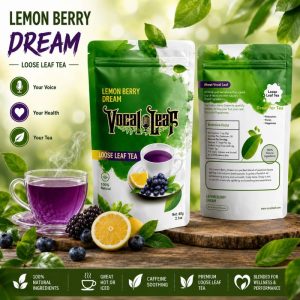
For hydration support: Vocal Leaf Lemon Berry Dream Tea, a bright, fruit-forward loose leaf blend, is a naturally caffeine free option designed for all-day sipping.
Best Caffeine Free Tea for Sleep
The best caffeine free tea for sleep is genuinely stimulant-free, warm, and comforting enough to become a consistent pre-bed ritual. A 2021 review in Nutrients found that warm beverage rituals before bed are associated with improved sleep onset, independent of specific ingredients, largely because they prime the body’s thermoregulatory wind-down process.
The absence of caffeine is the most important variable. Without it, your body’s melatonin production isn’t suppressed, your cortisol isn’t elevated, and the nervous system isn’t pushed toward alertness, conditions that allow natural sleep onset to proceed undisturbed.

The key is not just removing caffeine, it’s choosing ingredients that actively support relaxation and comfort while keeping your hydration balanced.
What to Look for in a Nighttime Tea
Choose a tea that is genuinely caffeine free (not just decaf), warm rather than iced, mild rather than sharply astringent, and simple enough not to irritate sensitive digestion late in the evening. Loose-leaf options are preferable to heavily processed tea bags because they deliver a cleaner botanical profile without additives, dyes, or bleached materials.
Consistency matters more than the specific blend. A cup of tea drunk at the same time every evening becomes a behavioral cue; your brain begins to associate the ritual with sleep, which is a well-documented sleep hygiene principle.
When to Drink Caffeine Free Tea Before Bed
Drink it 30 to 60 minutes before you intend to sleep. This timing allows the warmth to do its regulatory work, avoids mid-sleep bathroom trips, and gives the ritual enough separation from screens and other stimulation to be effective. Keep the serving modest, around 6 to 8 oz is ideal at night.
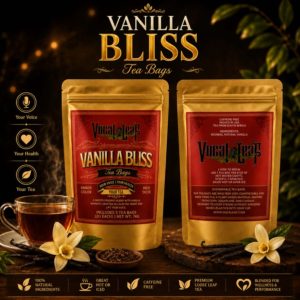
For evening routines Vanilla Bliss is a naturally caffeine free loose-leaf blend with a smooth, warming character that makes it well-suited to nighttime drinking.
Best Caffeine Free Tea for Energy
Caffeine free tea can support energy, just not through stimulation. It works through hydration, aromatic activation, and the behavioral structure that a morning ritual creates.
Mild dehydration is one of the most common and underdiagnosed causes of fatigue. Even a 1–2% reduction in body water is associated with measurable declines in cognitive performance, concentration, and mood, according to research from the University of Connecticut. Starting the day with a warm, flavorful beverage addresses this deficit immediately, without the cortisol spike, adrenal load, or mid-afternoon crash that caffeine-driven energy often brings.

How Energy Works Without Caffeine
Aromatic compounds in botanical teas have a well-documented effect on alertness. The sensory signal of a bright, crisp aroma, combined with warmth, ritual, and hydration, creates a genuine neurological shift toward wakefulness. This is not a placebo. Volatile aromatic compounds interact with olfactory receptors that connect directly to alertness centers in the brain.
The practical result is that a strongly flavored, naturally invigorating caffeine free tea can produce a subjective feeling of alertness that competes meaningfully with low-dose caffeinated options, without the dependency, withdrawal symptoms, or sleep disruption.
Caffeine Free Tea That Gives Energy: What to Choose
Look for blends with bright, forward flavor profiles, citrus notes, warming spice, or fruit-forward character rather than deeply earthy or floral profiles better suited for evening use. The tea should feel invigorating to drink, not sedating.
For morning energy: Lemon Berry Dream Tea delivers a bright, fruit-forward character that supports an alert, clear-headed morning without caffeine.
Best Caffeine Free Tea for Health (Everyday Wellness)
For many people, tea is more than just a beverage, it’s part of a daily wellness routine. Choosing the best caffeine free tea for health allows you to enjoy that ritual without the stimulating effects of caffeine, making it suitable for consistent, all-day drinking. From hydration support to digestive comfort, naturally Caffeine Free options can complement a balanced lifestyle when consumed as part of healthy habits.

Because these teas are typically gentle on the body, they are often favored by individuals who want a dependable drink that promotes overall well-being without interfering with sleep, mood stability, or fluid balance.
What Healthy Usually Means in Tea Terms (Antioxidants, Digestion, Stress)
When people evaluate whether a tea is healthy, they are usually referring to a few core benefits: hydration, digestive ease, antioxidant presence, and a calming sensory experience.
Many herbal and botanical teas contain naturally occurring plant compounds that support the body’s normal processes. While they are not substitutes for medical care, they can contribute positively to everyday wellness when paired with proper nutrition and lifestyle choices.
A common question is does caffeine free tea make you pee? Like any fluid, it increases urination slightly as your body regulates hydration. However, this is a normal biological function , not a sign that the tea is disrupting your fluid balance. In fact, Caffeine Free varieties are far less likely to produce the pronounced diuretic effect associated with caffeinated beverages.
Another concern people often raise is does caffeine free tea stain teeth? Some teas can cause mild surface staining over time due to natural pigments and tannins, but the effect is typically less noticeable than with darker, traditional teas or coffee. Good oral hygiene and rinsing with water after drinking can help minimize discoloration.
Kidney health is also frequently discussed. If you’ve wondered is caffeine free tea bad for your kidneys, the answer for most healthy individuals is no. Moderate consumption is generally well tolerated, especially when the tea is free from excessive additives. Those with existing kidney conditions should always follow medical guidance, but for the average person, Caffeine Free tea can be part of a kidney-conscious hydration pattern.
Best Caffeine Free Tea for Weight Loss
caffeine free tea is not a weight-loss product. But the best caffeine free tea for weight loss is one that supports your overall routine for healthy weight management, and that is a meaningful distinction.
The mechanism is behavioral, not metabolic. When you replace a high-calorie beverage, a flavored latte, a sweetened soda, or a juice with a naturally low-calorie loose-leaf tea, you reduce energy intake without feeling deprived. When you drink tea between meals instead of snacking out of habit rather than hunger, you interrupt a caloric behavior with a zero-calorie one. Over weeks and months, these substitutions add up.
Research consistently shows that high fluid intake supports satiety and reduces incidental eating. A 2010 study in Obesity found that participants who drank water before meals consumed significantly fewer calories. Caffeine free tea produces the same satiety signal as caffeine-containing tea.

Does Caffeine Free Tea Help With Metabolism?
Without caffeine, the mild thermogenic effect associated with conventional tea is largely absent. This is not a reason to dismiss caffeine free tea for weight management; it simply means its value lies in habit support rather than metabolic acceleration. Sustainable weight loss is driven far more by consistent daily behavior than by any single compound.
How to Use Caffeine Free Tea for Weight Goals
Drink it instead of sweetened beverages. Use it to break a habitual snacking pattern during the mid-morning or mid-afternoon window. Replace a late-night snack with an evening cup. These are not dramatic changes, but they are durable ones.
The critical mistake is adding sweeteners. A teaspoon of honey adds 21 calories, which doesn’t sound significant until multiplied by three cups a day, seven days a week. Drink it unsweetened, and the caloric advantage is real.
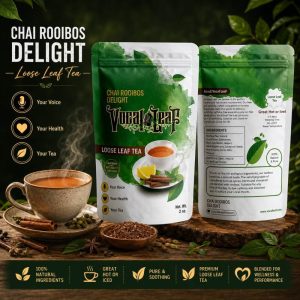
For weight-conscious routines: Vocal Leaf Organic Rooibos Chai Tea, naturally caffeine free, with a rich, spiced warmth that makes it a satisfying substitute for calorie-dense drinks.
Is Caffeine Free Tea Bad for Your Kidneys?
For most healthy individuals, no. Moderate consumption of naturally caffeine free tea does not stress the kidneys. Without caffeine driving excess diuresis, the kidneys process the fluid load as they would any moderate fluid intake, efficiently and without strain.
The situation is different for people with pre-existing kidney disease, those managing oxalate-related kidney stones, or individuals on mineral-restricted diets. Some botanical ingredients contain compounds that interact with certain medications or conditions. Anyone with a diagnosed kidney condition should consult their healthcare provider about specific herbal ingredients before increasing consumption.
For the general population with healthy kidneys, caffeine free loose-leaf tea can comfortably support a consistent hydration pattern associated with kidney health maintenance.
Is Caffeine Free Tea Good for You?
Yes, for most healthy adults, naturally caffeine free loose leaf tea is a genuinely beneficial daily beverage. It contributes to hydration, delivers plant-based polyphenols and antioxidant compounds, encourages a mindful consumption ritual, and removes the stimulant load that can disrupt sleep, raise anxiety, or create dependency.
The health value depends heavily on what you drink. A loose-leaf botanical tea brewed simply from high-quality plant material delivers meaningful nutritional benefits. A heavily processed, artificially flavored tea bag with added sugars delivers significantly less.
Benefits of Caffeine Free Tea
The core benefits of regularly drinking naturally caffeine free loose-leaf tea are: improved daily hydration, antioxidant intake from polyphenolic plant compounds, reduced stimulant exposure, better sleep quality when consumed in the evening, and a structured daily ritual associated with lower perceived stress.
None of these is dramatic. Collectively, they represent a meaningful shift in how the body is treated throughout the day.
Does Caffeine Free Tea Have Tannins?
Some do, some don’t. Tannins are found in plant-based teas, but their levels vary widely depending on the botanical. Rooibos-style blends and fruit infusions tend to have lower tannin content. Tannins at moderate levels of consumption are not harmful; they are naturally occurring plant compounds with antioxidant properties. High tannin intake can slightly inhibit iron absorption when tea is consumed immediately after iron-rich meals, but this is manageable by simply spacing tea and food.
Does Caffeine Free Tea Stain Teeth?
Lightly pigmented, caffeine free teas produce significantly less staining than coffee or conventional black tea. The mechanisms behind staining are tannin content and pigment concentration, both of which are lower in most caffeine free botanicals. Blends with deeper red or dark botanical bases may produce some surface staining over time. Rinsing with water after drinking and maintaining regular oral hygiene helps prevent significant discoloration.
How to Choose the Best Caffeine Free Tea for Your Goal
The right caffeine free tea depends almost entirely on when you are drinking it and what you want from it. The best approach is to match the tea’s profile to the purpose.

Think of Caffeine Free tea as a functional beverage , one that adapts to different moments of your day while remaining gentle on the body. Once you identify what you want from it, the decision becomes much simpler.
If You Want Sleep → Choose Calming Herbal Blends
When relaxation is the priority, look for teas traditionally associated with nighttime comfort. Floral or botanical blends are often preferred because they create a soothing sensory experience that signals the body to slow down.
Teas commonly chosen for evening routines tend to be mild in flavor, warm, and easy to sip without overstimulation. Drinking one consistently before bed can help establish a predictable wind-down ritual , something your brain begins to associate with rest over time.
Best fit: people trying to improve sleep consistency, reduce nighttime alertness, or create a calming pre-bed routine.
If You Want a Morning Routine or Natural Energy → Choose Bright, Refreshing Teas
For mornings, focus on teas that feel uplifting rather than deeply relaxing. Crisp flavors and invigorating aromas can help you feel mentally awake without relying on caffeine.
Options with a clean, refreshing profile often work well as a replacement for traditional caffeinated beverages. They encourage hydration early in the day while supporting a smoother, more stable energy pattern, without the sharp spikes or midday crashes.
Best fit: those transitioning away from caffeine, building a healthier morning ritual, or seeking steady alertness.
If You Want Weight Support → Choose Teas That Encourage Better Habits
No tea alone drives weight loss, but the right choice can reinforce supportive behaviors. A Caffeine Free tea that is satisfying and naturally low in calories makes it easier to replace sugary drinks and avoid unnecessary additions to your daily intake.
Many people benefit from drinking tea between meals or during moments when cravings are more habitual than physical. Over time, this simple substitution can help create a more mindful relationship with consumption.
Best fit: individuals focused on sustainable lifestyle changes rather than quick fixes.
If You Want Hydration → Choose Smooth, Easy-to-Drink Teas
If your goal is to stay hydrated, prioritize teas that are gentle enough for frequent sipping. Smooth, low-bitterness options tend to work best because they encourage consistency , and hydration is ultimately about regular intake.
Variety can also help. Rotating flavors prevents palate fatigue and makes it more likely that you’ll maintain the habit long term. While Caffeine Free tea supports fluid intake, pairing it with plain water ensures a balanced hydration strategy.
Best fit: anyone looking to increase daily fluid consumption while enjoying more flavor than water alone.
Choosing the right Caffeine Free tea is less about strict rules and more about alignment with your lifestyle. When the flavor, timing, and purpose all fit naturally into your day, the habit becomes effortless , and that consistency is where the real benefits begin.
For sleep and evening wind-down: choose smooth, warm, and mild. The beverage should feel soothing, not stimulating. Avoid sharply astringent blends at night. Vocal Leaf’s Vanilla Bliss fits this profile.
For morning energy and hydration: choose bright and flavorful. A forward, lively character signals wakefulness and encourages the consistent sipping that builds daily hydration. Lemon Berry Dream works well here.
For weight support, choose satisfying over sweet. A rich-flavored tea taken unsweetened replaces calorie-dense alternatives without deprivation. Organic Rooibos Chai delivers a bold, spiced warmth that holds up well as a coffee or latte substitute.
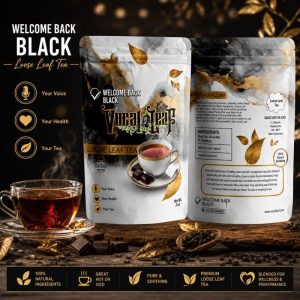
For general health and all-day drinking: choose versatile. A tea that works in the morning and evening, hot or iced, is the one you will actually drink consistently, and consistency is where all the benefits live. Vocal Leaf Organic Loose Leaf Black Tea is a smooth, adaptable everyday blend.
The single most important factor is quality. Loose-leaf tea, brewed from whole botanical material with no fillers, bags, or processing chemicals, delivers a cleaner, more nutritionally complete beverage than most commercially bagged options. It is also more economical per serving at comparable quality levels.
Browse the full Vocal Leaf caffeine free loose leaf tea collection to find the blend that fits your routine.
The variable that matters most is quality. Naturally caffeine free, whole-leaf, botanical loose-leaf tea delivers a meaningfully different experience from grocery-store tea bags, both in taste and in what it actually does for your body.
Vocal Leaf’s loose-leaf tea collection is built around this principle: premium, naturally caffeine free blends formulated for people who care about what they put in their bodies and what they ask of their voice.
caffeine free tea earns its place in a daily routine not through dramatic claims but through consistent, low-friction support. It hydrates better than caffeinated alternatives. It improves sleep quality when consumed at night. It provides a satisfying morning ritual without dependency. And it creates a behavioral structure, the simple act of brewing and drinking something intentionally, that reinforces every wellness goal it touches.
Frequently Asked Questions (FAQ’s)
[/vc_column_text]Yes, Caffeine Free tea is hydrating when consumed as part of your regular fluid intake. Most herbal and botanical teas help maintain fluid balance, making them a practical alternative for people who want more flavor than plain water.
You can typically drink Caffeine Free tea before bed since it lacks stimulants that interfere with sleep. Many people use it as part of a nighttime routine because a warm, calming beverage can help signal the body to relax.
The best Caffeine Free tea for energy is one that feels refreshing and supports alertness without overstimulation. Peppermint, ginger blends, and citrus infusions are often chosen because their bright flavors and aromas promote a naturally awake feeling.
Teas commonly preferred for nighttime are mild, soothing, and fully Caffeine Free. Chamomile, rooibos, and other calming herbal blends are popular choices because they encourage relaxation while keeping you comfortably hydrated.
Caffeine Free tea may slightly increase urination simply because you are consuming more fluid. This is a normal bodily process and not a sign of dehydration, especially since the absence of caffeine reduces the likelihood of a strong diuretic effect.
Some Caffeine Free teas can cause mild surface staining due to natural pigments and tannins. The effect is usually less noticeable than with coffee, and maintaining good oral hygiene or rinsing with water after drinking can help minimize discoloration.
For most healthy individuals, moderate consumption of Caffeine Free tea is not harmful to the kidneys. Those with existing kidney conditions should follow medical advice, but generally, Caffeine Free options can be part of a balanced hydration routine.
Caffeine Free green tea does not directly cause weight loss, but it can support healthier habits. Replacing high-calorie drinks with a low-calorie tea and staying hydrated may contribute to better weight management over time.
Top Selling Products



Related Posts

Best Way to Store Loose Leaf Tea (5 Rules That Actually Work)
The best way to store loose leaf tea is in an opaque, airtight container kept in a cool, dark, and dry place, away from heat,…

How to Make Loose Leaf Tea the Right Way Every Method
Knowing how to make loose leaf tea the right way comes down to five simple steps that work for any tea type and any setup,…

Caffeine Free Tea for Voice Professionals | What It Means
Caffeine free tea is widely misunderstood, and for voice professionals, that confusion has real consequences. Many singers, speakers, and performers reach for herbal tea before…
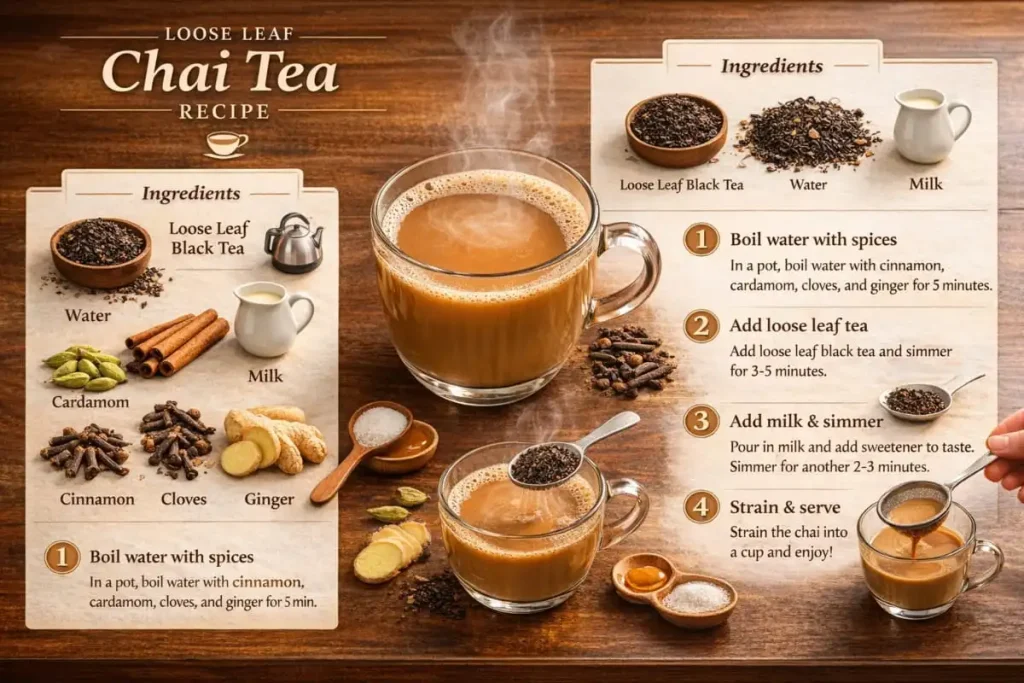
Loose Leaf Chai Tea Recipe | How to Brew It Right Every Time
There is something almost meditative about making chai from scratch. The moment those spices hit the warm milk, cardamom releasing its floral sweetness, ginger building…

Best Tea Flavors | A Complete Guide by Type and Taste Profile
There are thousands of tea flavors in the world, and yet most people spend their entire lives drinking the same two or three. Not because…