
Best Tea for Singers’ Throats (Before & After Singing)

If your throat feels tight, scratchy, or tired after a long rehearsal, you’re not alone. Singing puts real demand on your vocal folds, and even small things, such as dry air, dehydration, late-night practice, or a big belt, can leave your voice feeling less than its best. That’s why so many vocalists look for the best tea for singers‘ throat care: not as a magic fix, but as a simple, calming support that helps you stay comfortable and ready to sing.
This guide is built specifically for singers who want clear answers without salesy hype. You’ll learn which teas are genuinely helpful for soothing irritation, what ingredients matter most (and which ones to avoid before singing), and how to use tea the smart way, whether you’re warming up for a performance or recovering after heavy vocals. By the end, you’ll have an easy, singer-friendly plan for choosing the right tea and protecting your throat so your voice can feel smooth, steady, and confident.
What Is Throat-Soothing Tea for Singers?
Throat-soothing tea for singers is a warm, gentle drink, usually herbal, that’s chosen to help the throat feel calmer, smoother, and more comfortable before or after vocal use. When people say tea for singers’ throat, they’re typically looking for something that supports hydration, reduces that scratchy, tight feeling, and encourages a relaxed, easy voice, especially during long rehearsals, recordings, or performances.
You’ll often hear the same idea described in different ways: singers’ throat tea, throat tea for singers, or throat care tea for singers. They all point to one core purpose: comfort and vocal readiness. The best options usually focus on soothing herbs and natural ingredients that feel mild on the throat, rather than strong caffeinated blends that can be drying for some singers.
Important note: throat tea isn’t a cure for illness, and it won’t replace good vocal technique or proper rest. But as part of a smart routine, the right throat care tea for singers can be a simple, effective way to keep your throat feeling supported so that you can sing with less strain and more confidence.
Best Tea for Singers’ Throat (Top Choices by Situation)
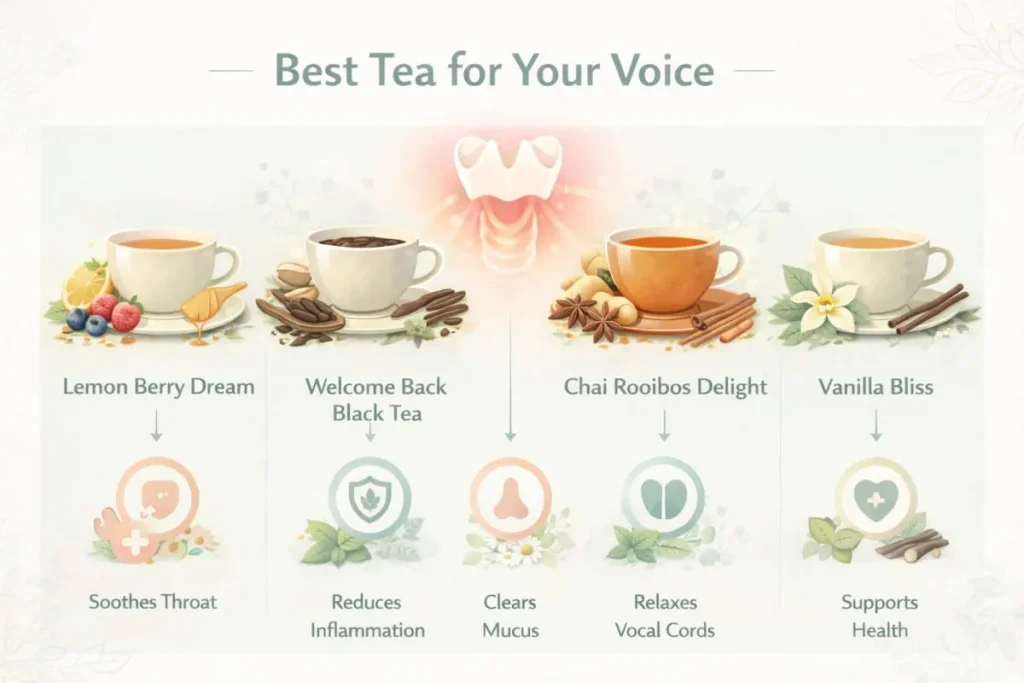
When you’re choosing the best tea for a singer’s throat comfort, the right option depends on what your voice needs today. Some days you want gentle daily support. Other days, you need quick soothing after heavy practice. The goal is always the same: a throat-soothing tea for singers that feels smooth going down and helps your throat stay relaxed, hydrated, and performance-ready.

Here are the most singer-friendly choices by situation:
- For daily throat comfort (maintenance): Go for mild herbal blends that feel soft on the throat and support steady hydration. This is the safest everyday tea for singers’ throat routines because it’s gentle and easy to tolerate.
- For vocal fatigue after rehearsal: Choose a calming singer’s throat tea that’s warming and soothing, especially if your throat feels dry, scratchy, or tense.
- For dryness (AC rooms, winter air, long talk-and-sing days): A moisture-supporting throat care tea for singers works best, encouraging slow sipping and keeping the throat comfortably coated.
- For pre-singing warmups: Pick a light throat tea for singers that’s warm (not scalding), smooth, and not overly acidic, so you don’t trigger throat irritation right before vocals.
Best Tea for Singers’ Sore Throat (Fast Comfort Picks)
If your throat feels sore from singing, you want relief without making things worse. The best approach is to choose a throat-soothing tea for singers that’s gentle, non-irritating, and easy to sip slowly.

Fast comfort picks usually share these traits:
- Smooth, mild taste (no harsh bitterness that can feel scratchy)
- Naturally soothing ingredients often paired with warm water and slow sipping
- Low irritation risk, meaning you avoid anything that feels too drying, too strong, or too acidic
A solid rule: when you’re dealing with soreness, your tea for singers’ throat should feel like comfort, not a strong remedy. If it makes you cough, clears your throat more, or feels sharp, it’s not the right choice for that moment.
Best Hot Tea for Sore Throat Singer (When Heat Helps Most)
Heat can be incredibly helpful when it’s used correctly. The best hot tea for sore throat singer moments is when your throat feels tight, dry, or inflamed from overuse, and you need a warm, relaxing sensation to ease tension.

For singers, the sweet spot is:
- Warm, not burning (too-hot tea can irritate tissue and set you back)
- Sipped slowly to keep the throat comfortable over time
- Simple and soothing, a true throat care tea for singers, not a strong or overly stimulating blend
Think of warm tea as a supportive tool: it can help you feel looser, calmer, and more comfortable, especially before light singing or during recovery. When chosen smartly, a good singer’s throat tea routine can become one of the easiest ways to protect your voice and sing more comfortably, session after session.
Why Singers Get Throat Irritation (And What Tea Can Actually Do)
Singing isn’t just talking with melody; it’s athletic work for your voice. Long rehearsals, loud belting, dry air, allergies, acid reflux, or even too much speaking during the day can leave the throat feeling scratchy, tight, or tired. That’s why many vocalists reach for throat-soothing tea for singers, not because tea is a cure-all, but because the right routine can support comfort and recovery when your voice has been pushed.
Does tea help a sore throat when singing? (What it can vs can’t do)
Yes, tea can help a sore throat from singing in supportive ways, but it’s important to be realistic. A good tea for singers’ throat care can:
- Ease dryness and reduce that sandpaper feeling
- Encourage gentle hydration when water alone feels too plain
- Create warmth and relaxation, helping your throat feel less tense
- Support comfort so you’re less likely to over-clear your throat
But tea can’t fix everything. A singer’s throat tea won’t:
- Heal vocal strain instantly
- Replace vocal rest, proper technique, or medical care
- Remove infection or serious inflammation on its own
Think of throat tea for singers like a supportive tool, helpful for comfort, not a miracle treatment.
Hydration vs soothing: What singers should expect
A lot of people confuse hydration with soothing, but for singers, they’re slightly different.
- Hydration is about keeping your body and tissues supported over time. Tea helps here mainly because it encourages you to sip regularly, especially when your throat feels dry.
- Soothing is the feeling of relief: warmth, smoothness, and a calmer throat sensation. That’s where throat-soothing tea for singers can shine, especially if it’s gentle and easy to tolerate.
The best throat care tea for singers often does both: it supports steady sipping (hydration) and feels comforting (soothing). Just remember, most of the soothing effect is about comfort and reduced irritation, not a permanent fix in minutes.
When throat pain is a warning sign (Simple safety notes)
If your throat feels mildly irritated after singing, that can be normal, especially after long sessions. But pain is different from normal fatigue. Use tea as comfort, but also listen to your body.
Consider it a warning sign if you have:
- Sharp pain while singing
- Voice loss that doesn’t improve with rest
- Ongoing hoarseness for more than 1–2 weeks
- A feeling of strain that keeps returning quickly
In those cases, relying only on tea for the singer’s throat support isn’t enough. The smartest move is to reduce vocal load, rest properly, and if it persists, get checked by a professional (ENT/voice specialist). Tea can still be part of the routine, but it should support recovery rather than mask a bigger issue.
What to Look For in Throat Care Tea for Singers
Not every herbal tea is automatically singer-friendly. The best throat care tea for singers feels smooth, supports comfortable sipping, and doesn’t trigger extra dryness or irritation. If your goal is a reliable routine, not random trial-and-error, these are the qualities that matter most.

Throat soothing tea for singers, the key properties
A truly throat-soothing tea for singers usually has a few consistent traits:
- Gentle and non-harsh: It should feel soft going down, not sharp or bitter.
- Comforting warmth: Warm (not scalding) tea relaxes the throat and can ease that tight, tense feeling.
- Easy to sip slowly: The best blends encourage steady sipping, which supports hydration habits.
- Low irritation risk: No burn, no strong menthol kick, and nothing that makes you cough or clear your throat more.
In simple terms, the right tea for a singer’s throat comfort should feel like support, not a challenge.
Ingredients that calm vs ingredients that dry you out
When choosing throat tea for singers, it helps to know which ingredients typically feel calming and which can backfire, especially before vocals.
Common calming/comfort-focused ingredients (often singer-friendly):
- Honey-based or naturally sweet herbs (gentle feel, helps the tea go down smoothly)
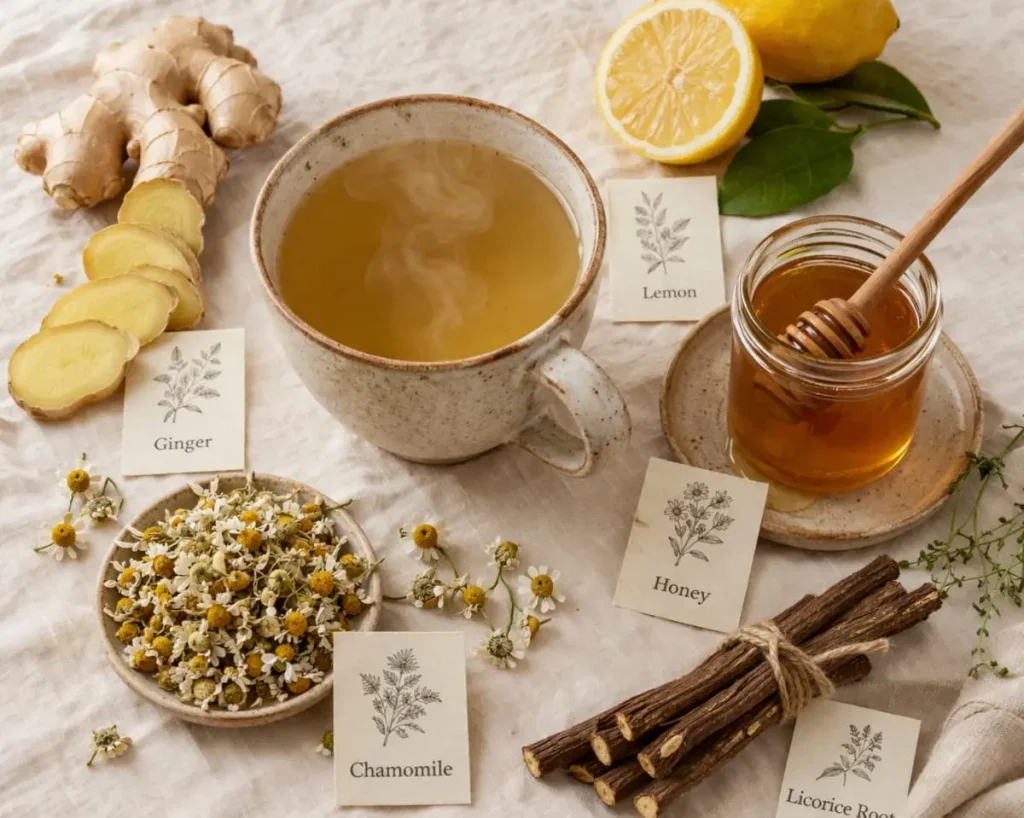
- Ginger (warming, comforting, great when used mildly)
- Licorice root (often used in singers’ throat tea blends for a soothing feel; not for everyone)
- Ayurvedic-style blends (often combine gentle spices and herbs that feel warming and supportive)
Ingredients that can feel drying or irritating for some singers:
- Strong mint/menthol-heavy blends (can feel cool but may trigger throat clearing)
- Very strong astringent teas (can leave the mouth/throat feeling dry)
- Highly aromatic, intense spice mixes (can feel sharp right before singing)
Your best bet is to start with gentle blends and notice how your throat responds. Your perfect throat-soothing tea for singers is the one that reduces irritation, not the one that increases it.
Caffeine, acidity, dairy, and sugar: what to limit before singing
If you’re drinking tea for a singer’s throat support before singing, small choices matter because they can affect mucus, reflux, and dryness.
- Caffeine: Some singers find caffeine drying. If you’re sensitive, go herbal or keep caffeinated tea light and balanced with water.
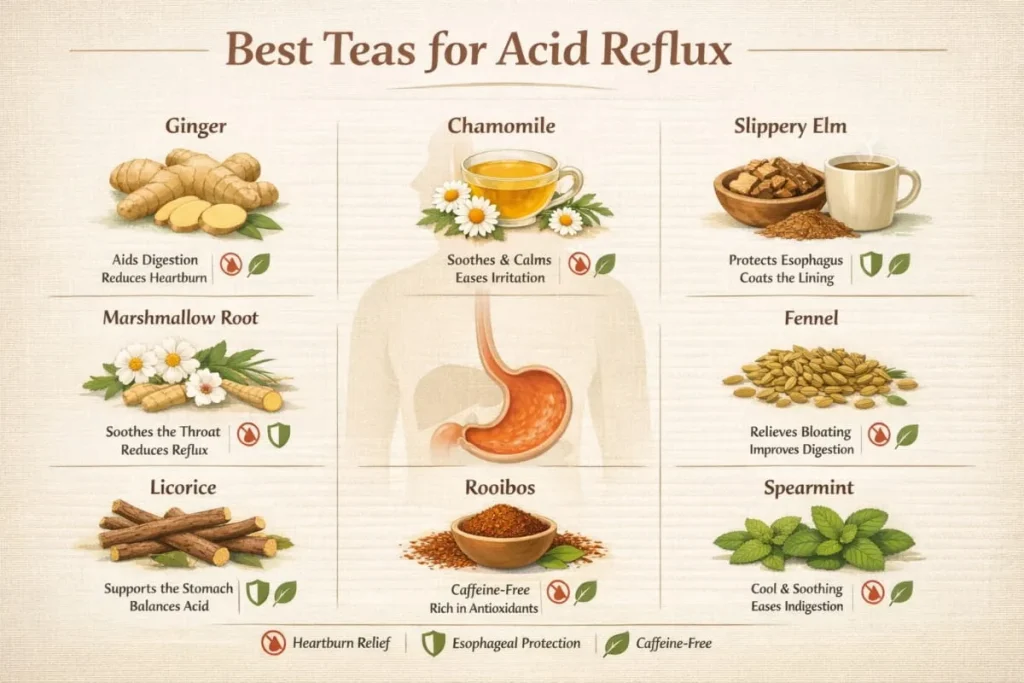
- Acidity: Acidic drinks can aggravate reflux and throat irritation. If you’re reflux-prone, keep tea gentle and avoid anything that triggers heartburn.
- Dairy: For some people, dairy can make the throat feel coated or increase mucus sensation, which can mess with vocal clarity.
- Sugar: Too much sugar can feel sticky and may lead to more throat clearing. If you sweeten, keep it minimal, comfort without heaviness.
Bottom line: the best throat care tea for singers is mild, warm, and easy on your system, so it supports comfort and vocal readiness without adding new problems right before you sing.
The Best Tea Options for Singers (By Need)
The best tea depends on what your voice is dealing with right now. A tired throat after practice needs a different approach than a scratchy throat on a dry winter morning. The good news is: once you match the tea to the moment, your routine becomes simple, consistent, and genuinely helpful, without having to guess every time.

Tea for the singer’s throat (daily maintenance options)
For everyday vocal support, you want tea for singers’ throat care that’s gentle, reliable, and easy to drink often. Think of these as maintenance choices, ideal for rehearsals, long speaking days, and regular practice.
The best daily options are usually:
- Mild herbal blends that feel smooth and non-irritating
- Warm, light teas you can sip slowly without triggering dryness
- Simple soothing ingredients (nothing too strong, nothing too acidic)
Daily throat tea for singers should never feel intense. If the tea makes you cough, clear your throat, or leave you feeling overly dry afterward, it’s not a great maintenance choice. Your goal is steady comfort, so your throat stays calm and your voice stays consistent.
Tea for singers’ sore throat (recovery-focused options)
When you’re dealing with soreness after singing, your priority changes: you want comfort fast, and you want to avoid anything that makes irritation worse. The best tea for a singer’s sore throat moments is typically warm, gentle, and soothing enough that you naturally slow down and sip.
Recovery-focused tea works best when it:
- Feels warm and calming, not harsh
- Encourages hydration without forcing you to drink a lot at once
- Supports a rest and recover mindset rather than pushing vocals
If you’re searching for the best tea for sore throat singer recovery, pair your tea with vocal rest and avoid aggressive throat clearing. Tea helps most when it’s part of a calm recovery routine, not a shortcut to keep singing through pain.
And if you’re choosing the best hot tea sore throat singer option, keep the temperature comfortably warm, not scalding, because overly hot drinks can irritate sensitive tissue.
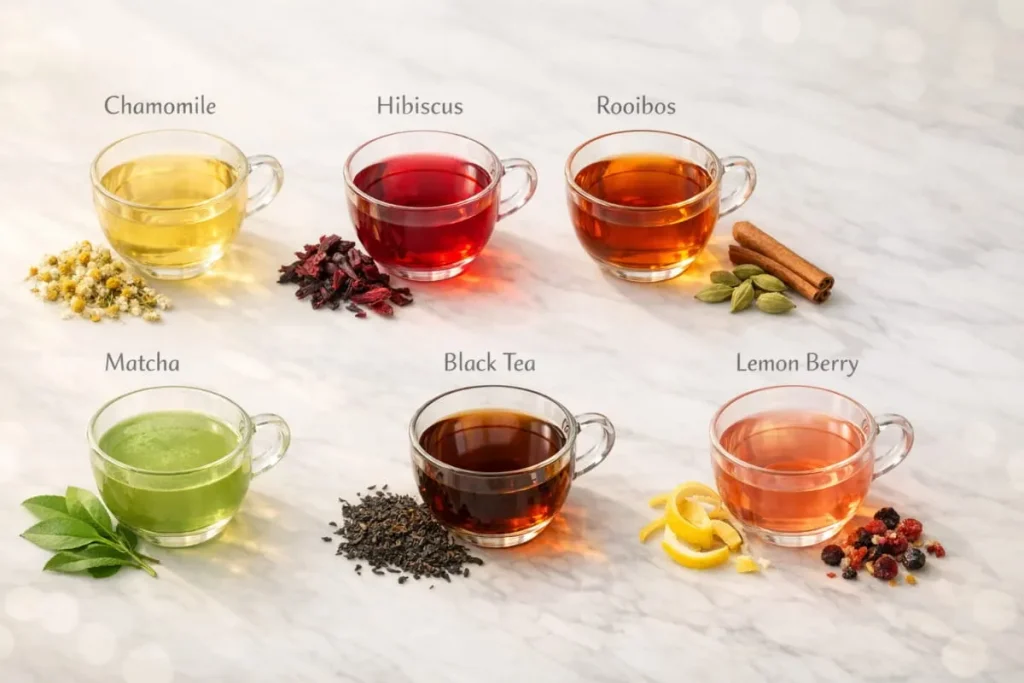
Throat tea for singers: when to choose herbal vs traditional teas
This is where most singers get stuck, so here’s the simplest rule:
- Choose herbal when your throat feels irritated, dry, or when you’re singing soon. Herbal teas are often the safest go-to throat tea for singers because they’re usually gentler and lower risk for dryness.
- Choose traditional teas (black/green) when you tolerate them well, you’re not actively sore, and you’re not sensitive to caffeine. Some singers do fine with them, but if caffeine dries you out or makes you feel tight, go herbal instead.
If you’re currently dealing with soreness and searching for tea for singers’ sore throat, herbal tea is usually the safer starting point because it keeps the focus on comfort and throat-friendliness. Daily maintenance calls for gentle consistency, recovery calls for warmth and calm, and the herbal vs traditional choice should always favor what keeps your throat relaxed and your voice steady.
Ingredient Spotlights Singers
When singers look for a reliable throat-soothing tea, they often search for ingredients rather than brands. That’s smart, because ingredients tell you what a tea is designed to do. Below are the most common singer favorites, when they’re actually helpful, and how to use them in a way that supports your voice (not irritates it).
Ginger honey tea singing throat: when it’s helpful + how to make it singer-friendly
Ginger honey tea singing throat support is popular for a reason: it’s warm, comforting, and can feel instantly soothing when your throat is tired or scratchy after practice. It’s especially helpful when you’re dealing with:
- Dryness from long rehearsal sessions
- Mild irritation after heavy vocals
- A tight throat that needs warmth and calm
How to make it singer-friendly (simple):
- Use warm water, not boiling (too much heat can irritate)
- Add a small amount of fresh ginger (mild is better than intense)
- Stir in a little honey once the water is warm, not scalding, so it stays smooth
- Sip slowly, especially 20–40 minutes before singing or during recovery
The key is balance: ginger should feel warming, not burning. If it feels sharp or triggers coughing, reduce the ginger or switch to a gentler blend.

Is licorice tea good for a singer’s throat? (Benefits + who should avoid it)
Is licorice tea good for a singer’s throat? For many singers, yes, because licorice root is commonly used in throat-care tea blends for its smooth, coating, comfort-focused feel. It can be especially nice when your throat feels dry, scratchy, or overworked, and you want a tea that feels soft going down.
Why singers like it:
- Often feels naturally soothing and smooth
- Can support a calmer throat sensation during recovery
- Works well in many singers’ throat tea mixes designed for comfort
Who should avoid or be cautious with licorice tea:
Licorice root isn’t for everyone. If you have high blood pressure, heart concerns, kidney issues, are pregnant, or take certain medications, it’s safer to avoid it or check with a healthcare professional first. If you’re unsure, choose a different throat-tea-for-singers option that doesn’t include licorice.
Ayurvedic tea for a sore throat: what ayurvedic usually includes and why it’s used
Ayurvedic tea for a sore throat is usually a herbal blend inspired by traditional Indian wellness practices. Ayurvedic doesn’t mean one single recipe; it usually means a mix of warming, soothing spices and herbs designed to support comfort and balance.
What it often includes:
- Gentle warming spices (like ginger, cinnamon, clove, cardamom)
- Soothing herbs (sometimes including licorice, tulsi/holy basil, or similar)
- A naturally comforting flavor that encourages slow sipping
Why singers use it:
Ayurvedic blends can feel particularly helpful when your throat is irritated, and you want warmth that relaxes tension, especially after a long session. The main advantage is the comfort effect: warmth, smoothness, and steady sipping, which makes it a practical, throat-soothing tea choice for singers during recovery.
If you’re preparing to sing soon, keep it simple: choose an ayurvedic blend that feels mild (not overly spicy), and drink it warm, not piping hot, so your throat stays relaxed and performance-ready.
What Tea Is Good for Your Throat Before Singing? (Pre-Session Routine)
If you’re asking what tea is good for your throat before singing, the best answer is: choose something gentle, warm, and easy on your system, then use it as part of a simple routine that supports hydration and relaxation. The goal isn’t to coat your voice or force a quick fix. It’s to help your throat feel comfortable, reduce dryness, and set you up for a smoother warmup.
Timing: how long before singing to drink tea
For most singers, the sweet spot is 20–40 minutes before singing. That window gives you time to sip slowly, let the warmth settle, and avoid feeling rushed right before you start vocal work.
A simple timing rule:
- 30 minutes before = best all-around
- 15 minutes before = okay if you’re short on time, but sip lightly
- Right before singing = avoid chugging; a few small sips are enough
If your throat tends to dry out quickly, start earlier and keep sipping small amounts rather than drinking a full cup at once.
Temperature: warm vs very hot (comfort + control)
Warm tea helps singers because it encourages relaxation and comfort, but very hot tea can backfire. Too much heat can irritate sensitive tissue, make you feel inflamed, or trigger coughing.
Best practice:
- Warm = ideal (comfortable to sip without flinching)
- Very hot = not worth it (less control, more irritation risk)
If you can’t take a normal sip right away, it’s too hot for pre-singing use. You want comfort and control, not a burning sensation.
A simple pre-singing tea + warmup flow (no fluff, practical)
Here’s a clean, singer-friendly routine you can repeat anytime:
- Make a gentle tea (herbal, mild, non-acidic)
- Sip slowly for 5–10 minutes (don’t chug)
- Do 2 minutes of easy breathing + jaw/neck release
- Start a light warmup (hums, lip trills, soft scales, easy volume)
- Take small sips as needed between warmup sets
- Begin singing gradually, not full-power instantly
This routine works because it supports your throat without forcing anything. When you use tea this way, it becomes a steady tool in your vocal prep, helping you start smoother, feel more comfortable, and sing with less strain.
Sore Throat After Singing: A Tea-Based Recovery Routine
After a heavy session, long rehearsal, recording day, or intense belting, your throat can feel tight, scratchy, or used up. This is exactly when singers start wondering: Does tea help a sore singing throat? In most cases, yes, because the right tea supports comfort, encourages gentle hydration, and helps your throat relax while you recover. The key is choosing teas that soothe the throat for singing without irritating already-sensitive tissue.
Best tea for sore throat singer: first 2 hours after heavy vocals
The first two hours after heavy vocals are your recovery window. Your goal is to calm irritation and reduce the urge to keep testing your voice.
A singer-friendly plan looks like this:
- Choose a warm, gentle tea that feels smooth to sip
- Keep the flavor mild, comfort over intensity
- Sip slowly over 15–30 minutes rather than drinking fast
- If your throat is dry, this is the time for throat-soothing blends that feel soft and easy
In this moment, the best tea for sore throat singer recovery is the one that makes your throat feel calmer within a few sips, no burning, no throat-clearing, no harsh medicinal punch.
Pairing tea with rest, steam, and hydration (support stack)
Tea works best when it’s part of a simple recovery stack, not the only thing you do. Think of tea as a comfort tool that helps you stay consistent with recovery.
The support stack:
- Tea (warm + gentle): comfort + steady sipping
- Rest: reduce talking and avoid testing high notes
- Steam (optional but helpful): warm steam can feel calming when you’re dry or tight
- Hydration: keep water nearby and sip throughout the evening
This is where tea shines. If you’re asking, does tea help a sore singing throat, the honest answer is: it helps most when it supports the basics, hydration, relaxation, and rest, so irritation doesn’t linger.
What to avoid when your throat is already irritated
When your throat is already sensitive, certain choices can slow recovery, no matter how healthy they seem.
Avoid or limit:
- Very hot drinks (too much heat can irritate tissue)
- Highly acidic drinks (can aggravate reflux and throat sensitivity)
- Strong mint/menthol-heavy teas if they trigger coughing or throat clearing
- Too much sugar (can feel sticky and increase throat-clearing)
- Caffeine, if it makes you feel dry or tight
Most importantly: don’t use tea to push through pain. If your throat hurts, treat it as feedback. Use soothing throat teas for singing to support recovery, then give your voice the calm time it needs to bounce back stronger.
Convenience: Singers Throat Tea Single Packets (On-the-Go)
Rehearsals, gigs, studio sessions, singers rarely have time to brew a perfect cup. That’s where the singer’s throat tea single packets come in. They’re simple, portable, and consistent, which makes them ideal when you need quick throat comfort without hunting for ingredients. The key is choosing packets that actually support your voice instead of loading your throat with harsh flavors, excess sweetness, or drying additives.
What single packets should contain (and what to avoid)
Good Singers Throat Tea single packets are ready-to-go versions of a gentle throat-support blend.
What they should contain:
- Mild herbal bases that feel smooth and easy to sip
- Soothing, comfort-focused ingredients (the kind that calm irritation rather than wake up your throat)
- Simple formulas, fewer ingredients usually mean fewer surprises
What to avoid (especially before singing):
- Heavy artificial sweeteners or strong flavorings that feel sharp
- Very high caffeine if you get dry or tight from it
- Overly strong mint/menthol if it triggers throat clearing
- Super acidic fruit punch style mixes that can irritate sensitive throats
A good packet should feel like a warm, gentle support, not a strong energy drink in tea form.
How to use packets without making it overly sweet or harsh
Even great packets can become harsh if you mix them incorrectly. The goal is smoothness and comfort.
Here’s how singers get the best results:
- Use warm water, not boiling water
- Start with more water than recommended if the packet tastes too strong
- If it’s sweet already, don’t add extra sweeteners
- Sip slowly, small sips work better than finishing it fast
- If you want honey, add a small amount only after it’s warm (not scalding)
If the tea feels sharp, makes you cough, or leaves your throat feeling dry-cleaned, dilute it and go gentler next time. With a singer’s throat tea single packets, consistency matters more than intensity.
Travel + rehearsal bag checklist (tea-focused)
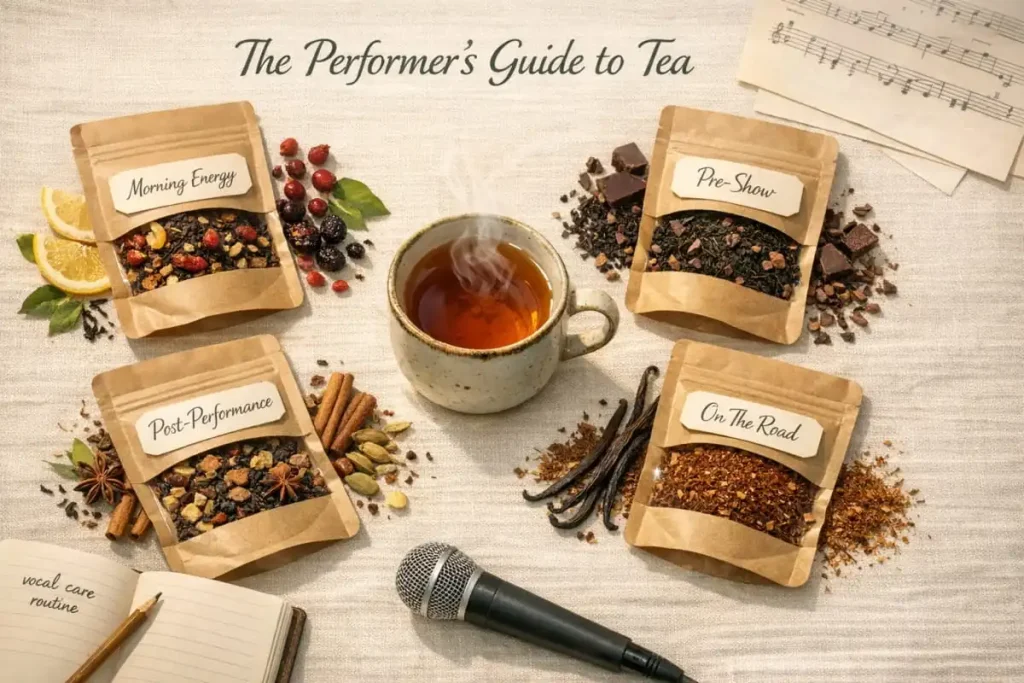
If you want your throat routine to work anywhere, keep a simple tea kit ready. Here’s a practical checklist singers actually use:
- 2–4 single tea packets (your reliable go-to)
- A small thermos or heat-safe bottle (warm water on demand)
- A small honey stick or mini sachet (optional, for dryness)
- A plain water bottle (hydration always comes first)
- A spare cup (collapsible or lightweight)
- A backup gentle packet (for days your throat feels extra sensitive)
With this setup, you’re never stuck without support. Singer’s throat tea single packets aren’t about perfection; they’re about having a dependable, voice-friendly option that keeps your throat comfortable wherever you sing.
Final Recommendation: Your Go-To Tea Plan as a Singer
The best tea routine is the one you’ll actually follow, simple, consistent, and singer-friendly. Instead of switching teas every week, build a go-to plan that covers your three most common situations: everyday practice, heavy vocal days, and performance nights. This keeps your throat supported without overthinking it.
If you only pick one tea… (simple decision rule)
If you want one reliable option, choose a gentle herbal throat-soothing blend that feels smooth, warm, and non-irritating. Your rule is simple:
Pick the tea that helps you sip comfortably and keeps your throat relaxed, without triggering cough, throat clearing, or dryness.
If a tea feels too strong, too minty, too acidic, or leaves your throat feeling tight afterward, it’s not your one tea. Your best single choice is always the one that feels soft and easy on your throat every time.
If you’re practicing daily… (maintenance rule)
For daily practice, consistency beats intensity. Use a light, gentle tea as a regular support habit, especially on dry or long-talking days.
Maintenance rule:
- Drink a mild warm tea once daily (or on practice days)
- Sip slowly, and keep water nearby
- Stay with blends that feel smooth and predictable
Daily tea should help your throat stay comfortable, not make it feel worked. If you’re practicing a lot, your tea routine should be calm, light, and easy to repeat.
If you’re performing tonight… (pre-performance rule)
On performance nights, your priority is vocal control. Tea should support comfort and relaxation without adding anything that could mess with clarity.
Pre-performance rule:
- Choose a gentle tea you already tolerate well
- Drink it 20–40 minutes before singing
- Keep it warm, not hot
- Avoid anything that triggers throat clearing or reflux (too sweet, too acidic, too strong)
- Take small sips during prep, don’t chug
The goal is a steady, comfortable throat and a confident start. When your tea routine is predictable, your voice feels more predictable too, and that’s exactly what you want before you step in front of a mic.
Frequently Asked Questions (FAQ’s)
Does tea help a sore singing throat?
Yes, tea can help a sore singing throat by soothing irritation, supporting hydration, and relaxing throat tension, especially when it’s warm and gentle. It won’t cure strain instantly, but it can make your throat feel calmer and reduce the urge to clear your throat.
Best use: sip slowly after singing, and pair with rest + water.
What tea is good for your throat before singing?
A mild, non-irritating herbal tea is best before singing because it supports comfort without drying you out. Choose a tea that feels smooth, warm (not hot), and low-acid, and drink it 20–40 minutes before vocals.
Avoid: very hot drinks, overly sweet mixes, and anything that triggers throat clearing.
Is licorice tea good for a singer’s throat?
Licorice root tea can be good for singers’ throats because it often feels smooth and soothing, and it’s commonly included in throat care tea for singers’ blends.
Who should avoid it: people with high blood pressure, heart/kidney issues, pregnancy, or those on certain medications; check with a professional if unsure.
Best tea for a singer’s sore throat: what works fastest?
The fastest relief usually comes from a warm, gentle throat-soothing herbal tea that you can sip slowly for 10–20 minutes. The best option is the one that reduces scratchiness and tension without causing coughing, throat clearing, or irritation.
Quick tip: warm (not boiling) tea + vocal rest + hydration works better than tea alone.



)
&description=&image=https://vocalleaf.com/wp-content/uploads/2026/02/Best-Tea-for-Singers-Throats-1024x683.webp)