
Best Tea for Dry Throat | The Teas That Help and the Ones That Hurt

The best teas for a dry throat are caffeine-free herbal blends, teas with no tannins to strip moisture from the throat lining and no caffeine to work against your hydration. Vocal Leaf loose leaf herbal teas are formulated specifically for this: Lemon Berry Dream and Vanilla Bliss coat and hydrate without any of the astringency that makes conventional tea counterproductive for an already-dry throat.
But not every tea helps. Some of the most popular varieties, including green tea, black tea, and peppermint, can actually leave your throat feeling drier than before. The difference comes down to what’s in your cup and how your body responds to it.
Below you’ll find the teas worth reaching for, the ones to avoid, and an honest breakdown of exactly why some teas soothe while others strip.
What Causes a Dry Throat, and Why Tea Can Help (or Hurt)
Before reaching for the kettle, it helps to understand what’s actually happening in your throat, and why your choice of tea matters more than you might think.
Common Reasons Your Throat Feels Dry
Throat dryness rarely has a single cause. Dry indoor air, especially in heated or air-conditioned rooms, is one of the most common triggers. Mouth breathing, allergies, and mild dehydration all strip moisture from the delicate mucous membranes lining your throat. For singers, teachers, and speakers, extended voice use adds another layer; the constant vibration and airflow through the throat accelerates moisture loss faster than most people realize.
In most cases, dryness isn’t a sign of infection. It’s your throat asking for hydration and a little protection.
How Hydration and Herbal Compounds Affect Throat Tissue
Drinking warm liquids is one of the fastest ways to restore moisture to throat tissue; the warmth increases blood flow to the area, while the liquid itself rehydrates the mucosal lining. But plain water, while helpful, doesn’t linger. Certain herbal teas go a step further by delivering plant-based compounds that actively coat and calm the throat, not just wet it.
Herbs like marshmallow root and slippery elm contain mucilage, a naturally gel-like substance that clings to throat tissue and forms a temporary protective layer. Others, like ginger and chamomile, work through anti-inflammatory action, reducing irritation at the source rather than just masking the sensation.

The Difference Between Soothing Teas and Drying Teas
This is where most people get caught off guard. Tea is not automatically good for a dry throat, its effect depends almost entirely on what it contains. Herbal teas made from roots, flowers, and botanicals tend to be genuinely soothing. They’re naturally caffeine-free, low in astringent compounds, and often rich in the very ingredients that support throat health.
Caffeinated teas, black, green, and oolong, contain tannins, a class of compounds that bind to the proteins in your saliva and create that dry, slightly puckering sensation after you swallow. Caffeine adds a mild diuretic effect on top of that. The result is a cup that feels warming in the moment but can leave your throat feeling tighter and drier afterward.
Knowing this distinction is the foundation of choosing a tea that actually helps.
The Best Teas for a Dry Throat
Not all teas are created equal when it comes to throat relief. The ones that work best share a common thread: they either coat the throat, reduce inflammation, or do both at once. Here are the teas worth reaching for when dryness sets in.

Ginger Tea for Dry Throat: Why It Works
Ginger is one of the most well-researched herbs for throat comfort, and for good reason. Its active compounds, primarily gingerols and shogaols, have strong anti-inflammatory properties that help reduce the irritation behind that raw, scratchy feeling. Ginger also stimulates saliva production, which is exactly what a dry throat needs. A cup of warm ginger tea doesn’t just soothe the surface; it works on the underlying irritation that makes dryness uncomfortable in the first place.
For an extra layer of relief, a small amount of raw honey stirred in adds its own coating and antimicrobial properties.
Vocal Health Herbal Blends, Teas Formulated for Singers, Speakers, and Performers
For people who rely on their voice professionally, a single-herb tea often isn’t enough. Vocal health blends are formulated with combinations of throat-supporting botanicals, typically built around herbs like the ones above, layered with flavors that make them genuinely enjoyable to drink every day.
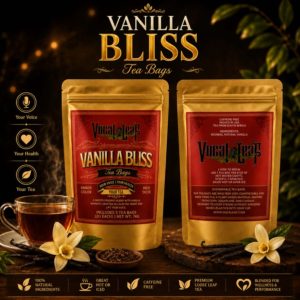
At Vocal Leaf, every blend is crafted with the performing voice in mind. Lemon Berry Tea combines bright citrus and berry notes with herbs that keep the throat hydrated and comfortable, a natural fit before a performance or a long day of speaking. Vanilla Bliss offers a softer, warming option with a smooth finish that coats without heaviness, making it one of the most approachable daily teas for dry throat relief.
Both are caffeine-free, which means none of the tannin-related dryness that comes with conventional teas, just ingredients that work with your throat, not against it.
Herbal vs. Caffeinated: Which Teas Are Safe for a Dry Throat?
This is one of the most frequently asked questions about tea and throat health, and the confusion is understandable. Tea feels hydrating; it’s a warm liquid, after all. But the type of tea matters enormously, and some of the most popular varieties work against a dry throat rather than for it.

Does Green Tea Dry Out Your Throat?
Green tea is often positioned as the healthy choice, and in many contexts it is. But for a dry or irritated throat, the picture is mixed. Green tea contains tannins, less than black tea, but enough to cause that familiar drying, astringent sensation in some people. If you’ve noticed your throat feeling tighter or drier after a cup of green tea, tannins are almost certainly the reason.
The lighter the brew and the cooler the water temperature, the fewer tannins are extracted. So if you prefer green tea, a shorter steep at a lower temperature will reduce the astringency, but it won’t eliminate it. For active throat dryness, a caffeine-free herbal tea is a safer and more effective choice.
Does Black Tea Make Your Throat Dry?
Black tea has a higher tannin content than green tea, which makes the drying effect more pronounced. It also contains more caffeine, which adds a mild diuretic effect on top of the astringency. For most people, an occasional cup of black tea won’t cause noticeable dryness. But if your throat is already dry, scratchy, or strained, black tea is likely to make the sensation worse rather than better.
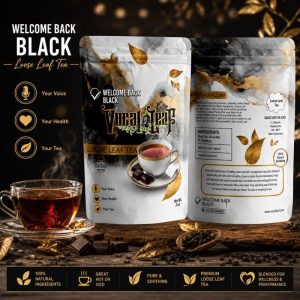
That said, black tea isn’t without merit for throat health in other contexts. Organic Loose Leaf Black Tea is crafted for mindful daily drinking, and when your throat is in good shape, a well-brewed quality loose leaf black tea can be part of a balanced routine. The key is knowing when to reach for it and when to opt for something gentler.
Why Caffeine-Free Tea Is the Best Choice for a Dry Throat
When your throat is dry, caffeine-free tea is not just a safe option, it is the correct one. Naturally caffeine-free herbal teas carry none of the compounds that make conventional tea counterproductive for an irritated throat. No tannins means no astringent stripping of the mucosal lining. No caffeine means no diuretic pull working against the hydration your throat needs. What remains is warm liquid drawn from botanicals that work with throat tissue rather than against it.
There is an important distinction worth knowing: naturally caffeine-free is not the same as decaffeinated. Decaffeinated teas begin as caffeinated leaves and have the caffeine chemically removed, a process that leaves residual compounds and does nothing to reduce tannin content. Naturally caffeine-free herbal teas never contained caffeine or significant tannins to begin with. That difference matters when throat relief is the goal.
Vocal Leaf’s caffeine-free loose leaf teas are naturally caffeine-free, never decaffeinated, and formulated specifically for throat and vocal health.
Why Caffeine and Tannins Matter for Throat Hydration
Understanding these two compounds clears up most of the confusion around tea and throat dryness. Tannins are polyphenolic compounds found naturally in tea leaves; they’re what create the dry, slightly puckering feeling after you swallow. They bind to proteins in your saliva, temporarily reducing its lubricating effect and leaving the throat feeling stripped of moisture.
Caffeine compounds the problem through a different mechanism. As a mild diuretic, it nudges your body toward fluid loss rather than retention, the opposite of what a dry throat needs.
Herbal teas made from flowers, roots, and fruit contain neither caffeine nor significant levels of tannins. That’s why chamomile, ginger, rooibos, and botanical blends consistently outperform conventional teas for throat relief. They hydrate without drawbacks, and the best ones also actively support throat tissue.
Why Does Tea Sometimes Make My Throat Feel Dry?
It’s a surprisingly common experience: you make a cup of tea expecting relief, only for your throat to feel drier than before. You’re not imagining it, and there’s nothing wrong with your throat. The answer lies almost entirely in what’s in the tea and how it was brewed.

Tannins, The Main Culprit Behind Throat Dryness
Tannins are the single biggest reason tea makes your throat feel dry. They’re naturally occurring compounds found in tea leaves, particularly in black, green, and oolong varieties, and they have a strong astringent effect on soft tissue. When tannins contact the mucous membranes in your mouth and throat, they bind to the proteins in your saliva and temporarily reduce its ability to lubricate. The result is that familiar dry, slightly rough feeling that lingers after you swallow.
The stronger and longer you brew a caffeinated tea, the more tannins are released into your cup, and the more pronounced the drying effect becomes.
Caffeine and Its Mild Diuretic Effect
Caffeine contributes to throat dryness through a different but complementary mechanism. As a mild diuretic, it encourages the body to excrete more fluid than it retains. Drink enough caffeinated tea when your throat is already dry, and you may be working against your own hydration rather than supporting it.
This doesn’t mean a single cup of black or green tea will dehydrate you; the tea’s fluid content offsets a significant portion of its diuretic effect. But for someone with an already dry or strained throat, the net result is less helpful than switching to a caffeine-free herbal alternative.
Brewing Temperature and Throat Irritation
Water temperature is an underappreciated variable in throat comfort. Brewing tea at very high temperatures, particularly green and white teas, which are more delicate, extracts more tannins and can make the astringency noticeably worse. Beyond tannin extraction, drinking tea that’s too hot can cause direct thermal irritation of the throat lining, which can amplify the sensation of dryness and leave the tissue feeling more inflamed afterward.
The ideal temperature for throat-soothing teas is warm, not scalding, comfortably hot enough to feel soothing but cool enough to sip without discomfort. For herbal teas specifically, a slightly lower steep temperature also preserves the more delicate botanical compounds that provide the soothing effect in the first place.
How to Brew Tea So It Soothes Instead of Dries
The good news is that a few simple adjustments make a significant difference. If you’re committed to drinking caffeinated teas, steep for a shorter time, two minutes rather than five, and use water that’s just off the boil rather than fully boiling. This reduces tannin extraction meaningfully without sacrificing flavor.
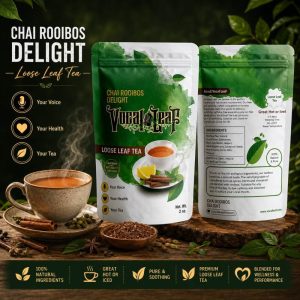
Better still, reach for a caffeine-free herbal tea when your throat needs real relief. Organic Rooibos Chai Tea is a particularly good example; rooibos is naturally tannin- and caffeine-free, and the warming chai spices bring their own anti-inflammatory benefits without the astringency that makes conventional tea problematic. Brew it at a comfortable temperature, let it cool slightly before drinking, and you have a cup that feels good on your throat from the first sip to the last.
How to Get the Most Throat Relief from Your Tea
Choosing the right tea is only half the equation. How you prepare and drink it shapes how effective it actually is, and a few small habits can significantly increase the relief you get from every cup.

The Right Water Temperature for Throat-Soothing Teas
Temperature matters more than most people realize. For herbal teas, water between 90°C and 95°C (195°F to 200°F) is ideal, hot enough to fully extract the beneficial compounds from roots, flowers, and botanicals, but not so aggressive that it degrades the more delicate ones. Marshmallow root and slippery elm, in particular, actually perform better steeped in slightly cooler water for a longer period, as excessive heat can break down the mucilage that makes them effective.
Just as important is the temperature of the tea when you drink it. Scalding hot liquid irritates the throat lining directly, which is counterproductive when you’re trying to soothe it. Let your cup cool for a few minutes until it’s comfortably warm; that’s the sweet spot where the soothing effect is strongest, and the risk of thermal irritation is lowest.
Adding Honey, or Lemon to Boost Effect
A well-chosen addition can turn a good throat tea into a genuinely effective one. Raw honey is the most well-supported; it coats the throat, has natural antimicrobial properties, and its viscosity adds a layer of protection that plain tea can’t replicate on its own. A teaspoon stirred into any herbal tea is one of the simplest upgrades you can make.
Fresh lemon juice adds vitamin C and a mild astringent quality that can help clear excess mucus, making it useful when dryness comes with congestion. Keep the amount modest, though; too much citrus can tip from soothing to irritating for some people.
Slippery elm powder, stirred directly into warm tea, is the most targeted option for persistent dryness. It dissolves into the liquid and delivers mucilage straight to the throat lining with every sip, essentially turning your tea into a functional throat coat.
How Often to Drink Tea for a Dry Throat
For active dryness or irritation, consistency matters more than quantity. Three to four cups spread throughout the day tends to be more effective than drinking a large amount at once, it keeps the throat continually hydrated and gives herbal compounds a sustained presence rather than a single spike.
If you’re a singer, teacher, or speaker with a performance or long session ahead, starting the day with a warm herbal tea and returning to it between demanding stretches is a practical routine that many voice professionals swear by. The goal is steady maintenance, not a last-minute fix.
Hot vs. Iced: Does Temperature Matter?
Warm tea is generally more effective for throat relief than iced tea, and the reason goes beyond preference. Warmth promotes blood flow to the throat tissue, relaxes the muscles around the larynx, and helps thin any mucus that’s contributing to the dry, tight feeling. Cold, on the other hand, can cause throat muscles to constrict slightly, the opposite of what you want when your throat is already uncomfortable.
That said, iced herbal tea is far from harmful. On a hot day or after an outdoor performance, a cooled-down herbal blend is infinitely better for your throat than a caffeinated or carbonated alternative. If you’re choosing between iced herbal tea and nothing, the herbal tea wins every time, just don’t expect the same immediate soothing response you’d get from a warm cup.
Best Tea for Dry Throat, When Dryness Comes with Irritation
A dry throat on its own is uncomfortable. A dry throat paired with a cough is a different challenge entirely; the coughing dries the throat further, the dryness triggers more coughing, and the cycle feeds itself. Breaking that loop requires a tea that works on both fronts simultaneously.

Teas That Address Both Dryness and Throat Irritation
The most effective teas for a dry throat and cough combine coating properties with anti-inflammatory action. The coating addresses the dryness; the anti-inflammatory action calms the irritation driving the cough reflex.
Licorice root tea is one of the strongest options here. It coats the throat with demulcent compounds while also acting as a natural expectorant, helping to loosen and clear the irritants that trigger coughing in the first place. Ginger tea works similarly, reducing inflammation while stimulating warmth and circulation in the throat. Thyme tea, less commonly discussed but highly effective, has been used traditionally for respiratory irritation and carries natural antimicrobial properties that make it particularly useful when a cough accompanies dryness.
Blended herbal teas that layer multiple throat-supporting botanicals tend to outperform single-herb options in this situation. Vanilla Bliss from Vocal Leaf offers a smooth, coating base that soothes dryness without any astringency. At the same time, Lemon Berry Dream brings a bright citrus element alongside hydrating herbs, a combination that works well when the throat is both dry and reactive.
For any of these teas, adding raw honey is especially worthwhile when a cough is present. Research consistently supports honey as one of the most effective natural options for calming the cough reflex in adults, and its coating effect directly addresses the underlying dryness.
When to See a Doctor vs. When Tea Is Enough
Tea is genuinely effective for mild to moderate throat dryness and the kind of irritating cough that comes with dry air, voice overuse, or the tail end of a cold. If your symptoms are uncomfortable but manageable, and there’s no fever, no difficulty swallowing, and no sharp pain, warm herbal tea, rest, and hydration are reasonable first responses.
However, there are situations where tea is supportive care at best, and professional attention is what’s actually needed. If your dry throat and cough have persisted for more than two weeks without improvement, if you notice any changes in your voice that don’t resolve with rest, if swallowing becomes painful, or if a fever accompanies the irritation, those are signals to see a doctor rather than steep another cup.
For performers and voice professionals in particular, persistent hoarseness or throat discomfort that doesn’t respond to rest and hydration warrants an ENT visit sooner rather than later. Tea supports vocal health as part of a consistent daily routine, but it isn’t a substitute for medical care when something more serious is at play.
Your throat does a lot, every conversation, every lesson, every performance asks something of it. The least you can do is give it something that actually helps.
Vocal Leaf was built around exactly that idea. Every blend is crafted with vocal and throat health at the center, is caffeine-free and tannin-free, and is made from botanicals that work with your throat rather than against it: no astringency, no drying effects, no compromise.
Browse Vocal Leaf’s full collection of herbal and caffeine-free teas, and find the blend that fits your voice.
Best Tea for Dry Throat for Singers, Speakers, and Performers
A dry throat is uncomfortable for anyone. For a singer mid-set, a teacher three hours into a school day, or a keynote speaker on stage in a convention center, it is a professional crisis.
The difference comes down to volume and intensity of use. Casual conversation asks relatively little of the throat. Professional voice use is relentless, sustained vibration of the vocal cords, constant airflow across the larynx, long stretches without adequate rest or hydration. Stage environments compound the problem: performance venues and conference halls are typically air-conditioned to manage crowd heat, which strips moisture from the air and accelerates mucosal lining dehydration faster than most performers realize. Microphone proximity encourages mouth breathing, bypassing the nose’s natural humidifying function and delivering dry air directly to the throat. Classroom environments add chalk dust, dry heating systems, and hours of unbroken voice projection on top of all of it.
The result is that voice professionals experience dry throat not as an occasional inconvenience but as a recurring, occupational condition. Managing it requires consistency, not just a reactive cup of tea when things go wrong.
Why Caffeine-Free Loose Leaf Tea Is the Professional Standard
Most performers already know to avoid caffeine before a performance. What fewer realize is that the tannins in caffeinated teas, not just the caffeine itself, are actively working against a healthy vocal environment. Tannins bind to the proteins in saliva, reducing its lubricating effect on the throat lining. For a voice professional, that subtle stripping of moisture compounds across a full performance or workday in ways that a single glass of water cannot easily reverse.
Caffeine-free loose-leaf tea solves both problems at once. No tannins means no astringency, no drying effect, no interference with the saliva that keeps the vocal tract comfortable. No caffeine means no diuretic effect, pulling fluid away from tissues that need it. What remains is warm liquid with genuine soothing properties, the exact environment a professional voice needs to perform at its best.
Loose leaf also matters. The botanical compounds that support throat tissue, the anti-inflammatory plant extracts, the coating agents, the warming spice complexes, are most potent in whole-leaf and whole-herb form. Bag teas use the dust and broken fragments left after better-grade material has been separated; extraction is faster, but the complexity and benefits are shallower.
The Right Tea for Every Point in Your Day
Morning vocal warm-up: Start with something warming and smooth. Vanilla Bliss is the natural choice here; its gentle warmth relaxes the throat without any astringency that could tighten the vocal cords before the first rehearsal or lesson begins. Sip it slowly while the voice wakes up, not as a rush before heading out the door.
Pre-performance or before a long session: Lemon Berry Dream offers a bright citrus and berry profile, complemented by botanicals that keep the throat hydrated and responsive. The citrus element helps clear any lingering mucus without the aggressive menthol effect that can cause reactivity in sensitive voices. Brew it 20–30 minutes before you need your voice to perform, and let it cool to a comfortably warm temperature before drinking.
During breaks: Organic Rooibos Chai is built for sustained use throughout a long day. Rooibos is naturally tannin-free and caffeine-free, and the warming chai spices deliver anti-inflammatory benefits without the drying astringency of black tea-based chai. For teachers, presenters, or performers with back-to-back sessions, this is the cup to return to between rounds.
The goal is not a single cup before a performance and nothing else. It is a consistent routine that keeps the throat hydrated, supports the mucosal lining, and keeps the vocal instrument in the best possible condition for the demands being placed on it.
Vocal Leaf’s full range of loose leaf teas for vocal and throat health was built with exactly this in mind, and for a deeper look at how tea fits into a performer’s routine, the guide to the best tea for performers and speakers covers the full picture.
Your Throat Does a Lot. Give It Something That Actually Works.
Most teas are built for taste. Vocal Leaf is built for your voice. Every blend in the collection is caffeine-free, tannin-free, and formulated from botanicals that actively support throat comfort, not as an afterthought, but as the entire point. Whether you are a singer protecting your instrument before a performance, a teacher managing five hours of daily voice projection, or anyone who simply wants a dry throat to feel better faster, there is a blend that fits your routine.
Frequently Asked Questions (FAQ’s)
Is Tea Good for a Dry Throat?
Yes, but only certain types. Caffeine-free herbal teas made from botanicals like ginger, chamomile, and marshmallow root actively soothe and hydrate throat tissue. Caffeinated teas containing tannins can have the opposite effect.
Can Tea Dry Out Your Throat?
Yes, some teas can. Black tea, green tea, and oolong contain tannins that create a drying, astringent sensation in the throat. Choosing a caffeine-free herbal tea eliminates this risk.
Why Does Chamomile Tea Make My Throat Dry?
Chamomile itself is not a drying herb, but some people are sensitive to it, particularly those with ragweed allergies, which can cause mild irritation. If chamomile consistently dries your throat, switching to ginger or marshmallow root tea is a simple fix.
Why Does My Throat Feel Dry After Drinking Tea?
The most likely cause is tannins, astringent compounds found in caffeinated teas that bind to proteins in your saliva, reducing their lubricating effect. Brewing time, water temperature, and caffeine content all influence how pronounced this dryness feels.
What is the Best Tea for a dry, scratchy throat?
Ginger, licorice root, marshmallow root, and chamomile are among the most effective options. Caffeine-free herbal blends formulated for vocal and throat health, combining several of these botanicals in one cup, tend to deliver the most consistent relief.
Does Green Tea Help or Hurt a Dry Throat?
It depends on how sensitive your throat is. Green tea contains tannins that can cause dryness in some people, especially when brewed strongly or at high temperatures. For active throat irritation, a caffeine-free herbal tea is a more reliable and gentler choice.
Top Selling Products






Best Tea for Singers | What Actually Helps Your Voice
If you sing, whether you perform professionally, teach voice lessons, or spend your weekends in rehearsal, you’ve probably wondered whether tea actually does anything useful…

Best Tea for Vocal Cords | Herbs, Hydration and Recovery
If your voice feels tired, strained, or dry, the right tea for your vocal cords can make a real difference, not by healing damaged tissue,…

Best Tea for Laryngitis | Soothe Your Voice Naturally
The best tea for laryngitis is a warm, caffeine free loose leaf blend that hydrates the throat and eases the strain on inflamed vocal cords.…

What Is Chai Tea? The Ultimate Guide to Ingredients, Benefits, Types & How It’s Made
If you’ve ever wondered what chai tea is, you’re not alone. It’s one of the most searched beverage questions online, yet the answer is often…

Best Tea for Your Voice | Does It Make You Sound Deeper
What it can do is change how your voice feels and sounds in the moment, which is where most of the confusion starts. If you…

The Best Tea for Performers & Speakers, And Why Your Voice Deserves Better
You spend hours rehearsing the words. You perfect the tone, the breath, the timing. But then you reach for whatever is nearby, a cup of…

Best Tea for Stress Relief | Calming Loose Leaf Blends
Stress is something everybody carries. It shows up in tight shoulders, restless nights, and a mind that won’t quiet down after a long day. And…

Best Teas for Acid Reflux, Heartburn and GERD
Acid reflux doesn’t just cause heartburn. If you have searched for tea good for acidity, you are asking the same question, acidity and acid reflux…

Best Morning Tea for Energy and Focus Without Coffee Crash
The best tea to drink in the morning is black tea if you want steady, coffee level energy without the crash, rooibos chai if you…

Best Tea for Cough | The Complete Guide to Soothing Relief
The best tea for cough relief is a warm, hydrating blend that soothes irritated throat tissue while easing the reflex that triggers coughing in the…

Best Teas for a Cold That Actually Work
Best teas for a cold combines warmth, hydration and gentle steam to ease congestion, calm a scratchy throat and help your body rest while it…

Best Teas for Inflammation | Guide to Nature’s Most Powerful Anti-Inflammatory Herbs
The best tea for inflammation depends on where and how inflammation is affecting you. For systemic and gut inflammation, rooibos and black tea offer daily…