
Best Tea for Stress Relief | Calming Loose Leaf Blends

Stress is something everybody carries. It shows up in tight shoulders, restless nights, and a mind that won’t quiet down after a long day. And while there’s no single cure for it, some of the most effective relief has always come from the simplest places: a quiet moment, a warm cup, and the right blend of herbs working gently with your body.
Tea has been used for thousands of years across cultures, not just as a beverage, but as a form of care. Ancient Chinese herbalists brewed it for calm. The Ayurvedic tradition relied on it for balance. Your grandmother probably had her own version of it, too, something she put on the stove whenever things felt like too much.
Today, science is catching up to what those traditions always knew. Certain teas contain compounds that genuinely interact with your nervous system, lowering cortisol, easing muscle tension, and helping your mind shift out of fight-or-flight. But with dozens of options on the market, knowing which tea is actually good for stress relief and which are just good marketing takes a little guidance.
That’s exactly what this guide is for.
Whether you are looking for the best herbal tea for stress relief, trying to decide between green tea and black tea, searching for a caffeine-free option you can sip at night, or just curious about what makes a stress relief tea actually work, you’ll find a clear, honest answer here. No fluff. No overwhelming lists. Just everything you need to choose the right cup for the way stress shows up in your life.
Let’s start from the beginning.
Best Tea for Stress What to Look For
The best tea for stress is not the one with the longest ingredient list, it is the one that matches how your stress actually shows up. Look for two things: a compound that measurably lowers cortisol, and a caffeine profile that fits your day. Vocal Leaf’ Organic Loose Leaf Black Tea delivers L theanine for calm, steady focus without a crash. Chai Rooibos Delight is naturally caffeine free, with aspalathin supporting the body cortisol response all day long. For evening wind down, Vanilla Bliss brings the same caffeine-free rooibos base in a smoother, sleep ready cup. And when stress calls for something bright rather than warming, Lemon Berry Dream offers a caffeine free citrus lift that works any time of day.
What Tea Is Actually Good for Stress Relief?
Not every tea that claims to calm you actually does. Some are beautifully packaged blends with little more than flavor. Others contain ingredients that have been studied, tested, and trusted for generations. Understanding the difference starts with understanding what stress actually does to your body, and how certain teas work against it.
How Tea Affects the Nervous System
When you’re stressed, your body activates the sympathetic nervous system, which is responsible for the “fight or flight” response. Your heart rate climbs, cortisol rises, muscles tighten, and your brain stays on high alert even when there’s nothing left to react to.
The right tea gently nudges your body in the opposite direction. It activates the parasympathetic nervous system, the “rest and digest” state, through specific plant compounds that interact with receptors in your brain and body. This isn’t a placebo effect. It’s biochemistry.
The warmth of the liquid itself also plays a role. Warm beverages have been shown to promote feelings of comfort and social connection, easing psychological tension before the herbs even begin to work. But the real power is in what’s inside the cup.
The Science Behind Stress-Relieving Compounds
Different teas relieve stress through different mechanisms, and knowing which compounds do what helps you choose the right type for your needs.

L-theanine is probably the most well-researched. Found naturally in green tea and some black teas, it’s an amino acid that promotes alpha brain wave activity, the same relaxed-but-alert state you experience during meditation. It doesn’t sedate you. It simply takes the edge off without dulling your focus, which is why green tea for stress relief is such a popular and effective choice for daytime use.
Apigenin is a flavonoid found in chamomile that binds to GABA receptors in the brain, the same receptors targeted by anti-anxiety medications, just far more gently. This is the compound responsible for chamomile’s legendary calming effect, and it’s why chamomile tea has remained one of the most recommended herbal teas for stress relief for centuries.
Adaptogens are a different category entirely. Herbs like ashwagandha and holy basil help your body regulate its response to stress over time rather than just masking the feeling in the moment. They work on the hypothalamic-pituitary-adrenal axis, the system that controls your cortisol output, making them particularly useful for people dealing with chronic, ongoing stress rather than a single hard day.
Beyond these three, compounds like rosmarinic acid in lemon balm, flavonoids in rooibos, and kavalactones in kava each interact with the nervous system in their own ways, all contributing to the wide variety of teas that genuinely support stress relief.
What to Look for in a Stress Relief Tea, Caffeine-Free vs. Low-Caffeine
This is one of the most important decisions you’ll make when choosing a tea for stress, and it’s one that most guides skip over too quickly.
Caffeine is a stimulant. For some people, a moderate amount, particularly when paired with L-theanine, as in green tea, can actually promote calm focus. For others, especially those dealing with anxiety alongside stress, even small amounts of caffeine can amplify tension, disrupt sleep, and keep the nervous system in a heightened state.
As a general rule, if your stress tends to show up as anxiety, restlessness, a racing mind, or sleep trouble, a caffeine-free herbal tea is almost always the better choice. Chamomile, rooibos, lemon balm, passionflower, and hibiscus are all naturally caffeine-free and genuinely effective.
If your stress is more about mental fatigue, low energy, or difficulty concentrating under pressure, a low-caffeine option like green tea, which has L-theanine to balance its stimulant effect, may serve you better.
The best stress relief tea isn’t a universal answer. It’s the one that matches how stress actually feels in your body and fits the time of day you need it most. The rest of this guide will help you find exactly that.
Vocal Leaf Organic Loose Leaf Black Tea helps with stress through L theanine, which promotes calm alertness without sedation. For a caffeine free option, Chai Rooibos Delight regulates cortisol through aspalathin, its signature compound. Both work gently on the nervous system rather than forcing relaxation, the right pick depends on whether you need focus or a full caffeine free reset.
Does Tea Lower Cortisol? What the Research Says
Yes, and the mechanism is specific enough to matter when you’re choosing which Tea to drink.
Cortisol is the body’s primary stress hormone, released by the adrenal glands in response to perceived threat. In short bursts, it’s useful. Chronically elevated, it disrupts sleep, impairs digestion, strains the cardiovascular system, and, critically for voice professionals, inflames the mucosal tissue lining the larynx and vocal tract. Managing cortisol through daily habit is not a wellness trend. It is physiological maintenance.
How Tea Compounds Interact With Cortisol
L-Theanine and the HPA Axis: The hypothalamic-pituitary-adrenal axis is the hormonal chain that triggers cortisol release. L-theanine, naturally present in black Tea, has been studied for its ability to blunt HPA axis reactivity, meaning it doesn’t just mask the feeling of stress; it measurably reduces the hormonal cascade that produces it. Research published in peer-reviewed nutrition journals found that L-theanine supplementation reduced both salivary cortisol and self-reported stress scores during acute stress. Vocal Leaf’s Organic Loose Leaf Black Tea delivers L-theanine in its natural matrix, alongside the polyphenols and antioxidants that support its absorption.
Aspalathin and Adrenal Output Rooibos contains aspalathin, a flavonoid found in no other plant on earth. Animal and in vitro studies have shown that aspalathin inhibits adrenal steroidogenesis, the process by which the adrenal glands produce cortisol, at the cellular level. This makes rooibos not simply a caffeine-free alternative to black Tea, but a physiologically distinct option with its own cortisol-modulating mechanism. Vocal Leaf’s Organic Rooibos Chai Tea delivers aspalathin in a naturally caffeine-free, full-bodied blend that serves as a daily cortisol management tool as much as a stress-relief ritual.
Hydration and Cortisol Amplification: One underreported mechanism: dehydration directly elevates cortisol. Even mild fluid deficit, as little as 1–2% of body weight in water loss, triggers measurable increases in cortisol output as the body interprets the deficit as a physiological stressor. Warm Tea hydrates more effectively for many people than cold water because it’s consumed more consistently and in larger volumes throughout the day. Any of Vocal Leaf’s four blends supports this hydration baseline.
What Tea Cannot Do
Research is clear but bounded. Tea compounds modulate cortisol; they do not eliminate it, and they are not a substitute for addressing the source of chronic stress. The evidence supports Tea as a daily physiological tool that lowers baseline cortisol reactivity over time, making acute stress events more manageable. Think of it as training your adrenal response rather than suppressing it.
For voice professionals specifically, keeping baseline cortisol low is part of vocal longevity. Chronically elevated cortisol thins the mucosal layer protecting the vocal folds, increases laryngeal inflammation, and contributes to voice fatigue. A daily loose-leaf practice isn’t incidental to vocal health; it’s structural. Browse Vocal Leaf loose leaf collection to find the right blend for your cortisol management routine.
Tea for Stress at Work, Non-Drowsy Options for Busy Days
Work stress is its own category. The pressure is sustained, the hours are long, and the last thing you need is a tea that makes you foggy by noon or wired by 3 p.m. The right cup for a busy workday isn’t the heaviest sedative in your cabinet; it’s something that lowers cortisol levels without affecting your focus.
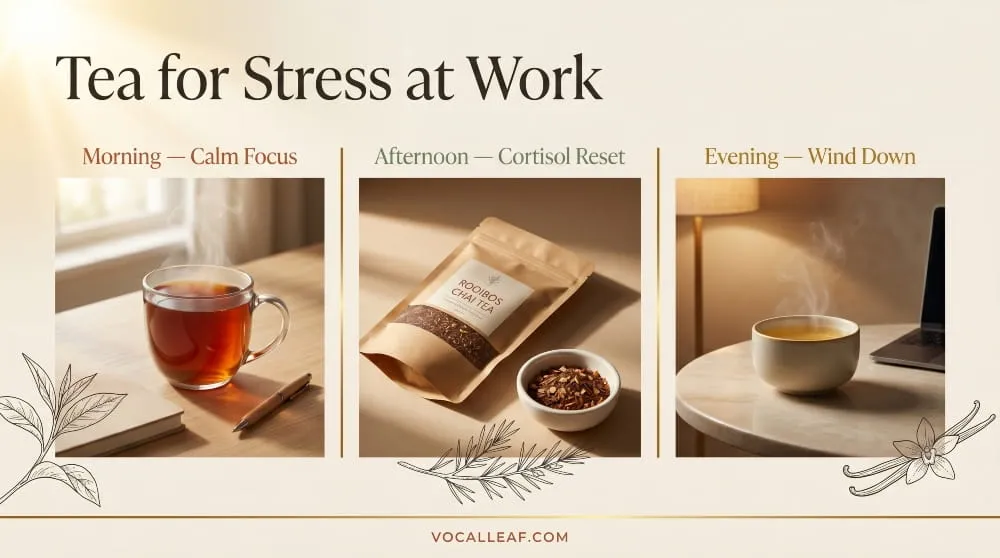
Two mechanisms matter here. The first is L-theanine, an amino acid found naturally in Tea that promotes alpha brain wave activity, the mental state associated with calm alertness. It doesn’t sedate. It doesn’t stimulate. It smooths the jagged edge off a stressful morning while keeping your thinking sharp. The second is caffeine-free hydration: chronic low-grade dehydration amplifies the body’s cortisol response, meaning that something as simple as staying hydrated with a warm, flavorful cup throughout the day has a measurable effect on how stressed you feel.
The Right Tea for Each Part of Your Workday
Not every hour of the workday calls for the same cup. Early mornings under deadline pressure are different from a mid-afternoon meeting spiral or a late-evening wind-down before tomorrow starts early again.
Morning, Calm Focus Under Pressure: Vocal Leaf’s Organic Loose Leaf Black Tea is the morning work tea. It carries natural L-theanine alongside its caffeine, which means the energy it delivers is smoother and more sustained than coffee’s cortisol-spiking jolt. For anyone whose work involves speaking, presenting, or performing- teachers, trainers, sales teams, voice professionals- this is the cup that keeps your mind clear and your voice steady through a full morning.
Afternoon, Sustained Without the Crash. This is where caffeine-free becomes the smarter choice. Vocal Leaf’s Organic Rooibos Chai Tea delivers the warmth and depth that feels like a substantial break without the mid-afternoon cortisol spike that another caffeinated drink would bring. Rooibos contains aspalathin, a compound unique to the red bush plant that research links to reduced adrenal cortisol output, making it a functionally sound choice for the most stressful hours of the workday, not just a pleasant ritual.
Evening Wind-Down: If work bleeds into the evening, the transition out of work mode requires a deliberate signal to your nervous system. Vocal Leaf’s Vanilla Bliss serves that function, naturally caffeine-free, warm, and rich enough to feel like a genuine reward rather than just hydration. The act of brewing and holding a cup of something warm activates the parasympathetic nervous system before a single sip is taken.
Non-Drowsy Doesn’t Mean Ineffective
A common misconception is that a stress tea has to cause drowsiness to be working. It doesn’t. The compounds in loose leaf tea for stress relief that reduce cortisol and support GABA pathways can do so without crossing the sedation threshold, particularly when the Tea is caffeine-free rather than chemically manipulated. Vocal Leaf’s blends are naturally caffeine-free, never chemically decaffeinated, which means the calming effect comes from what is genuinely in the Leaf, not from what has been stripped out of it.
The Best Herbal Teas for Stress Relief
When most people think about tea for stress relief, herbal tea is what comes to mind first, and for good reason. Unlike traditional teas made from the Camellia sinensis plant, herbal teas are crafted from flowers, roots, leaves, and botanicals that have been used medicinally for centuries. They’re naturally caffeine-free, gentle on the body, and remarkably diverse in the way they work. Here are the ones that genuinely earn their reputation.

Fruity teas don’t always get taken seriously in wellness conversations, but they deserve more credit than they typically receive. The key is understanding what’s actually in them.
A fruit-forward herbal blend built on ingredients like hibiscus, rosehip, citrus peel, or berry leaves isn’t just a pleasant drink; these botanicals deliver real antioxidant activity, support hydration, and contribute to a sensory experience that, in itself, promotes calm. The act of brewing something bright and aromatic, sipping it slowly, and taking that moment of pause is a legitimate stress-relief practice. The tea is the ritual as much as it is the remedy.
The best fruity teas for stress relief combine flavor with function, ingredients that taste uplifting while also supporting the body’s response to tension.
A strong example of this done well is Vocal Leaf Lemon Berry Dream Tea, a caffeine-free loose leaf blend built around sun-ripened lemon peel, sweet blackberry leaves, orange peel, marigold blossom, and a gentle warmth from cinnamon. It’s bright and citrus-forward without being sharp, lightly sweet without added sugar, and completely caffeine-free, making it as appropriate for an evening wind-down as for a midday reset. It’s the kind of tea that lifts your mood through both its ingredients and the simple pleasure of drinking it, which is exactly what a good stress relief tea should do.
The best herbal tea for stress is naturally caffeine free and works with your body cortisol response rather than against it. Vocal Leaf Chai Rooibos Delight delivers aspalathin, rooibos cortisol modulating compound, in a warming spiced blend. Vanilla Bliss offers the same caffeine free rooibos base for a smoother, sleep friendly cup.
Rooibos Tea for Stress Relief: The Underrated Choice
If chamomile is the most famous herbal tea for stress relief, rooibos is quietly one of the most effective, and consistently one of the most overlooked. Native to the Cederberg mountains of South Africa, rooibos has been consumed for centuries for its gentle, restorative qualities. It doesn’t carry the cultural weight of chamomile or the dramatic reputation of kava, but for people who drink it regularly, it often becomes the tea they reach for most.

What Makes Rooibos a Great Stress Tea
Rooibos works differently from most calming teas. Rather than containing a single standout compound like apigenin or L-theanine, it offers a broad spectrum of antioxidants, particularly aspalathin and nothofagin, that help regulate the body’s stress response at a hormonal level.
Research has shown that aspalathin, a flavonoid unique to rooibos, may help inhibit cortisol production, the hormone most directly associated with chronic stress. This isn’t a sedative effect. Rooibos doesn’t slow you down or make you drowsy. Instead, it works more subtly, helping your body avoid the cortisol spikes that keep stress levels elevated long after the triggering situation has passed.
It’s also completely caffeine-free by nature, not because the caffeine has been removed in processing, but because the rooibos plant never contained it to begin with. That distinction matters. It means rooibos is genuinely gentle on the nervous system, appropriate for sensitive individuals, and safe to drink at any time of day, including right before bed. For anyone who has found that even low-caffeine teas leave them feeling wired rather than calm, rooibos is often the answer they’ve been looking for.
Rooibos vs. Chamomile for Relaxation
Both are caffeine-free, both are widely recommended for stress and relaxation, and both are gentle enough for daily use, so how do you choose between them?
The difference comes down to how and when stress affects you. Chamomile works most noticeably on the mind. Its apigenin content acts directly on brain receptors to quiet mental chatter, ease anxiety, and prepare the body for sleep. If your stress is primarily psychological, racing thoughts, worry, difficulty switching off, chamomile is likely the more targeted choice.
Rooibos, on the other hand, works more on the body’s hormonal and physiological stress response. It’s less immediately sedating and more quietly stabilizing. If your stress shows up as tension you carry throughout the day, a body that feels perpetually activated, or a general sense of being worn down rather than acutely anxious, rooibos tends to suit that profile better.
The good news is that they don’t compete; they complement each other. Many people who take their stress relief seriously keep both in their kitchen and choose based on what a particular day calls for.
Chai Rooibos, Warming Spices That Calm the Nervous System
Traditional chai is made with black tea as its base, which means it contains a significant amount of caffeine alongside its warming spice profile. For people who love the taste and ritual of chai but find that caffeine amplifies their stress or anxiety, this has always been a frustrating trade-off.
Rooibos chai solves that problem entirely.
By replacing black tea with rooibos as the base, you preserve everything that makes chai feel comforting, the aromatic depth, the warming heat of spice, the ritual of a rich, full-bodied cup, while eliminating the caffeine that can undermine the calm you’re trying to create. And the spices themselves aren’t just there for flavor. Ginger has well-documented anti-inflammatory and calming properties. Cardamom has been used in Ayurvedic medicine for centuries to ease nervous tension. Cinnamon helps regulate blood sugar, which plays a more significant role in stress and mood stability than most people realize.
Together, rooibos and warming spices create a cup that works on stress from the outside in, the sensory warmth of the aroma and flavor signaling safety and comfort to the nervous system before the compounds even begin their work.
Vocal Leaf’s Chai Rooibos Delight is a well-crafted example of this combination done right. It brings together smooth rooibos with ginger, cardamom, cinnamon, aniseed, and clove into a blend that is bold and aromatic without being harsh, and entirely caffeine-free. Where conventional black chai can leave sensitive drinkers jittery or overstimulated, this blend delivers the same warming, grounding experience without that edge. It’s particularly well-suited to an evening ritual, the kind of cup that marks the transition from the demands of the day to something slower and quieter.
Green Tea for Stress Relief: Does It Work?
The short answer is yes, but with nuance worth understanding. Green tea occupies an interesting middle ground among stress-relief teas. It contains caffeine, which would typically disqualify it from a stress relief conversation, yet it remains one of the most recommended teas for calm focus and anxiety management. The reason for that apparent contradiction lies in a single amino acid that makes green tea genuinely unlike any other caffeinated beverage.

L-Theanine in Green Tea and Its Calming Effect
L-theanine is the compound that sets green tea apart. Found almost exclusively in the Camellia sinensis plant, and in particularly high concentrations in shade-grown green teas, it’s an amino acid that promotes alpha brain wave activity, the same relaxed, alert mental state associated with meditation and deep focus.
What makes L-theanine so relevant to stress relief is its interaction with caffeine. On its own, caffeine stimulates the central nervous system, raises cortisol, and can exacerbate anxiety in people already under stress. L-theanine counteracts those edges. The two compounds work together to produce what researchers describe as calm alertness, a state where you feel focused and present without the tension or jitteriness that caffeine alone tends to create.
Studies have shown that L-theanine on its own reduces psychological and physiological stress responses, lowers heart rate during acute stress tasks, and improves subjective feelings of relaxation without causing drowsiness. This is why green tea for stress relief works particularly well for people whose stress is tied to mental pressure, high-demand work, or the need to stay sharp under difficult circumstances, rather than the kind of stress that calls for sedation and sleep.
It’s worth noting that the L-theanine content in green tea varies widely depending on how it was grown, processed, and brewed. Shade-grown varieties consistently produce higher levels, which is why the type of green tea you choose matters as much as the fact that you’re drinking green tea at all.
Black Tea vs. Green Tea for Stress Relief
It’s one of the most common questions in the stress relief tea conversation, and the answer isn’t as straightforward as most people expect. Both come from the same plant. Both contain caffeine and L-theanine. But they’re processed differently, they taste completely different, and they interact with stress in ways that make each one better suited to a specific type of person and a specific kind of day.

Which Is Better for Stress, Black or Green Tea?
The comparison comes down to composition and how each tea’s profile affects your particular stress response.
Green tea is less oxidized, which means it retains higher levels of L-theanine relative to its caffeine content. That ratio, more calming amino acid per unit of stimulant, is what gives green tea its well-documented reputation for producing calm focus rather than tension. For stress that shows up as anxiety, mental overwhelm, or a nervous system that already feels overstimulated, green tea’s gentler profile is generally the more appropriate choice.
Black tea is fully oxidized, which reduces its L-theanine content somewhat while producing a bolder, more robust flavor and a slightly higher caffeine level. On paper, that might sound like it disqualifies black tea from a conversation about stress relief. But the reality is more nuanced. Black tea still contains meaningful amounts of L-theanine, and research has shown that it delivers measurable stress-reducing benefits, just through a slightly different mechanism and with a different felt experience.
A landmark study published in Psychopharmacology found that people who drank black tea four times daily for six weeks showed significantly lower cortisol levels and reported faster recovery from stressful events than those who drank a placebo. The researchers concluded that black tea genuinely aids stress recovery, not just in the moment of drinking it, but in how the body bounces back from stress over time.
So which is better? For acute anxiety and nervous system sensitivity, green tea has the edge. For stress recovery, mental grounding, and the kind of sustained resilience that carries you through demanding periods, black tea holds its own far more than its reputation in wellness circles suggests.
Caffeine Considerations for Stressed and Anxious People
This is where the conversation requires honesty rather than a blanket recommendation.
Caffeine stimulates cortisol production. For someone already carrying a high stress load, adding more cortisol through caffeine consumption can quietly compound the problem, making it harder to sleep, keeping the nervous system in a low-grade activated state, and amplifying the physical sensations of anxiety, like a racing heart or shallow breathing.
That doesn’t mean caffeinated teas are off the table for stressed people. It means context matters enormously. The time of day you drink it, your individual caffeine sensitivity, whether you’ve eaten, how much sleep you’ve had, and what kind of stress you’re managing all influence how your body responds.
As a practical guideline, if your stress is primarily cognitive, deadlines, mental load, or performance pressure, moderate caffeine paired with L-theanine, as found in both green and black tea, can actually help you function better under that pressure without significantly worsening the stress experience. If your stress tips into anxiety, disrupts your sleep, or leaves you feeling physically wired and depleted, caffeine-free herbal options will serve you considerably better, regardless of how much you enjoy the taste of tea with caffeine.
When Black Tea Can Actually Help
Black tea’s value in a stress relief context is most pronounced in two specific situations: morning grounding rituals and stress recovery.
There’s a reason the British tradition of tea in difficult moments became a cultural cliché; it’s grounded in something real. The ritual of brewing a proper cup of black tea, the familiar warmth of it, the slight bitterness that demands your attention and presence, the way it anchors the start of a day, these aren’t trivial things. Ritual itself is one of the most underrated tools for stress management, and black tea has built one of the strongest rituals of any beverage in human history.
Beyond the ritual, the moderate caffeine and L-theanine combination in black tea creates a state of alert calm that many people find genuinely useful for moving through a stressful day with steadiness rather than anxiety. It doesn’t sedate. It doesn’t overstimulate. It grounds.
For those who want that experience from a quality loose-leaf blend rather than a generic tea bag, Vocal Leaf Welcome Back Black Tea is worth reaching for. It brings the depth and character of a premium loose-leaf black tea to the daily ritual, the kind of cup that feels intentional rather than automatic, which is exactly what stress relief through tea is supposed to feel like. When you’re choosing black tea as a conscious wellness practice rather than just a caffeine habit, the quality of what’s in your cup matters a great deal.
Caffeine-Free and Non-Drowsy Teas for Stress Relief
There’s a persistent misconception that caffeine-free teas are somehow a lesser choice, the option you settle for when you’re trying to cut back, rather than something you actively seek out. In the context of stress relief, that thinking is exactly backwards. For many people, removing caffeine from their tea routine is one of the most effective things they can do to reduce stress. Not because caffeine is inherently harmful, but because of what it does to the system that stress is already taxing.

Why Going Caffeine-Free Can Actually Reduce Cortisol
Cortisol is your body’s primary stress hormone. It’s not a villain; it serves essential functions, including waking you up in the morning and helping you respond to genuine threats. The problem is that modern stress keeps cortisol elevated far longer than it was designed to be, and caffeine adds fuel to that fire.
Every time you consume caffeine, your body responds with a cortisol spike. For someone in a low-stress baseline state, this is relatively inconsequential; for someone already managing elevated stress, tight deadlines, difficult relationships, financial pressure, and poor sleep, that additional cortisol hit compounds what’s already there. Over time, chronically elevated cortisol contributes to disrupted sleep, increased anxiety, weight changes, and a nervous system that never fully recovers between stressful events.
Switching to caffeine-free teas, particularly those built around herbs and botanicals that actively support the parasympathetic nervous system, removes that compounding effect entirely. Your cortisol is no longer being pushed higher by your tea, while its other ingredients try to bring it down. The whole cup works in one direction, toward calm.
Best Caffeine-Free Teas for Daytime Stress (Non-Drowsy)
The hesitation most people have about caffeine-free teas during the day is understandable; nobody wants to feel sleepy at two in the afternoon. But the assumption that caffeine-free automatically means sedating reflects a misunderstanding of how most calming herbs actually work.
Chamomile in high doses can lean toward sleep-inducing effects, but most daytime herbal blends are designed to reduce tension without affecting alertness. Lemon balm is a perfect example; it eases anxiety and lifts mood without any sedative quality whatsoever. Rooibos works similarly, regulating the cortisol response while leaving your energy and mental clarity completely intact. Hibiscus, peppermint, and citrus-forward blends tend to be uplifting rather than calming in the sedating sense; they reduce stress by refreshing the senses and improving mood rather than quieting the nervous system into rest.
For non-drowsy stress relief during the day, look for blends built around lemon balm, rooibos, citrus, hibiscus, or light floral herbs. These give you the cortisol-reducing, mood-supporting benefits of herbal tea without any risk of afternoon fog.
Best Teas for Stress Relief at Night Without Grogginess
Evening is where caffeine-free tea truly comes into its own. The goal shifts; you’re no longer trying to stay alert while managing stress, you’re trying to help your nervous system complete its transition from the demands of the day into genuine rest. This is a physiological process, and the right tea can meaningfully support it.
The key distinction for nighttime stress relief tea is choosing herbs that promote relaxation without leaving you groggy the next morning. Pharmaceutical sleep aids, and even some strong herbal sedatives, can create a kind of heaviness that carries into the following day. The best bedtime stress teas work more gently, easing the transition into sleep rather than forcing it, so you wake up rested rather than foggy.
Passionflower and valerian are effective for serious sleeplessness tied to stress, but they can be potent for some people. For most, a smoother option, something that tastes genuinely comforting, feels like a deliberate end-of-day ritual, and carries the body toward calm without any pharmaceutical weight, is both more pleasant and more sustainable as a nightly practice.
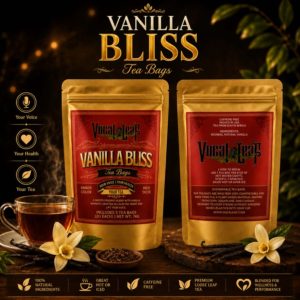
This is precisely where Vocal Leaf Vanilla Bliss earns its place. It’s a smooth vanilla rooibos tea that does everything an evening stress relief tea should do, and nothing it shouldn’t. The rooibos base is naturally caffeine-free, gently supports cortisol regulation, and produces a rich amber cup with a warmth that feels almost physically settling. The natural vanilla rounds it out into something silky and sweet, without a trace of bitterness, making it as enjoyable to drink as it is effective for winding down.
What also sets it apart is the attention to how it’s made. Vanilla Bliss comes in plant-based, compostable triangle bags made from corn, sugarcane, and cassava, designed to steep strongly and infuse fully without shedding microplastics into your cup. It’s a small detail that reflects a larger commitment to clean, intentional brewing. For anyone building a genuine evening wellness ritual around stress relief, it’s the kind of tea you look forward to rather than simply consume, and that anticipation itself is part of what makes the ritual work.
A Simple Honey Lemon Ritual for Stress
The stress relief tea conversation tends to revolve around the same handful of names: chamomile, green tea, kava, and rooibos. And while those deserve their prominence, several other teas quietly deliver real benefits for stressed, overstimulated people and rarely get the attention they’ve earned. These aren’t obscure alternatives for the sake of variety. They work, and for certain types of stress, they work remarkably well.

Honey Lemon Tea, Simple and Soothing
Not every effective stress relief tea requires an impressive list of botanicals or a clinical study to justify it. Sometimes the most powerful thing a cup of tea can do is feel like care, and honey lemon tea has been delivering exactly that across cultures and generations for as long as people have been sick, tired, or overwhelmed.
The combination works on multiple levels. Warm water alone activates the parasympathetic nervous system and raises core body temperature, signaling safety and rest to a stressed brain. Lemon provides a bright, clean sensory reset; its aroma alone has been shown in studies to reduce anxiety and improve mood by affecting the limbic system. Honey adds natural sweetness, along with trace amounts of compounds with mild antimicrobial and anti-inflammatory properties, and its thick, coating quality is particularly soothing for a throat tight with tension or worn out from a long day of talking.
Together, these three elements create something less about pharmacology and more about the felt experience of being taken care of, which, in its own way, is one of the most legitimate forms of stress relief there is. A honey lemon tea made slowly, held in both hands, sipped without a screen in front of you, is a micro-ritual of self-care that costs almost nothing and asks very little. For many people, that simplicity is exactly what makes it work.
Stress Relief Tea Recipes You Can Make at Home
Knowing which teas work for stress relief is one thing. Actually building them into your daily life is another. Recipes help bridge that gap; they turn good intentions into repeatable rituals, and it’s in those rituals that the real long-term benefit of stress relief tea lies. These three are simple enough to make on any day, purposeful enough to feel intentional, and effective enough to matter genuinely.

How to Make an Iced Lemon Berry Stress Relief Tea
Not every stress relief moment calls for a steaming mug. On warm afternoons, during busy workdays, or whenever you want something bright and refreshing that still does the work of a proper stress-relief tea, an iced version is not only more appealing but also just as effective. Cold brewing or strong hot brewing over ice retains the beneficial compounds while delivering a completely different sensory experience.
This recipe is built around Vocal Leaf Lemon Berry Dream, a caffeine-free loose-leaf blend of lemon peel, sweet blackberry leaves, orange peel, marigold blossom, and cinnamon, made for exactly this kind of recipe. Bright, citrusy, lightly sweet with no added sugar, and completely free of caffeine, it brews into a vivid, jewel-toned iced tea that looks as good as it tastes.
What you need:
- 2 teaspoons of Vocal Leaf Lemon Berry Dream loose-leaf tea
- 1 cup of water, heated to 203–212°F
- A full glass of ice
- Optional: a slice of fresh lemon and a sprig of mint to serve
How to make it: Measure 2 teaspoons of Lemon Berry Dream into your infuser or strainer. Pour the hot water directly over the leaves and steep for the full 10 to 12 minutes, longer than you might steep for a hot cup, because the ice will dilute the brew once poured. Don’t rush this step. The full steep time allows the blackberry leaves and citrus elements to release their flavors and beneficial compounds into the water fully.
Once the steep is complete, remove the leaves and pour the hot concentrate immediately over a full glass of ice. The rapid temperature drop locks in the bright citrus notes, producing a clean, vivid color. Stir once, add your lemon slice and mint if using, and drink within the hour for the freshest flavor.
The result is a stress-relieving iced tea that genuinely earns that description, not just a cold drink with a wellness claim attached, but a purposeful, caffeine-free blend that refreshes your senses, supports your body’s stress response, and turns an ordinary afternoon pause into something worth looking forward to. For anyone searching for an iced tea for stress relief that delivers on both flavor and function, this is the recipe to keep.
How to Choose the Best Stress Relief Tea for Your Needs
Everything covered in this guide so far has been about understanding what different teas do and why. This section is about applying that understanding to your actual life: matching the right tea to the right moment, the right format to the right routine, and ultimately building a relationship with stress-relief tea that is practical enough to sustain and intentional enough to work.

Best Tea by Goal
Stress is not one thing. It shows up differently depending on the person, the day, and what’s driving it, and the best tea for stress relief shifts accordingly. Here’s how to match your cup to what you’re actually dealing with.
For sleep disrupted by stress, the goal is nervous system downregulation without next-morning grogginess. Passionflower, valerian in moderate amounts, and chamomile are the most effective options here. A smooth, naturally caffeine-free rooibos blend, taken as part of a consistent pre-sleep ritual, provides the psychological anchoring that strengthens the physiological effect over time.
For focus under pressure, the goal isn’t sedation; it’s the removal of the anxiety that’s interfering with concentration. Green tea, particularly shade-grown varieties high in L-theanine, is the most targeted choice. The L-theanine and caffeine combination supports alert calm without the cortisol spike that straight coffee produces.
For anxiety running alongside stress, caffeine-free is non-negotiable for most people. Lemon balm, chamomile, and passionflower address the GABA pathways most directly involved in anxiety. Lavender and rooibos support the cortisol side of the equation. A blend that combines several of these works better than any single herb alone.
For energy recovery after prolonged stress, the body needs antioxidant support and cortisol regulation more than sedation. Rooibos, hibiscus, and green tea all deliver meaningful antioxidant activity. This is the category where drinking tea consistently over days and weeks matters more than what you drink in a single sitting.
For stress relief during a demanding day, non-drowsy caffeine-free teas, lemon balm, rooibos, and citrus blends let you manage tension without compromising alertness. These are the teas that fit into a workday without side effects in either direction.
Loose Leaf vs. Tea Bags, Which Is Better for Stress Relief?
This question matters more than it might appear to, particularly when the goal is therapeutic rather than purely pleasurable.
The core difference is surface area and ingredient quality. A standard tea bag contains broken, finely ground tea particles, which the industry calls “fannings” or “dust”, that have a much larger surface area relative to their volume. This means they release flavor and caffeine quickly, but the volatile aromatic compounds and more delicate beneficial constituents degrade faster during processing and storage. Most mass-market tea bags are also made from materials that can introduce unwanted compounds into your cup, particularly when exposed to boiling water.
Loose leaf tea, by contrast, uses whole or large-cut leaves and botanicals that retain their essential oils, aroma, and active compounds significantly longer. When steeped properly, at the right temperature, the right time, with enough room for the leaves to fully expand, loose-leaf tea produces a more complex, more aromatic, and in most cases more therapeutically active cup than its bagged equivalent.
For stress relief specifically, where you’re relying on compounds like apigenin, L-theanine, rosmarinic acid, and aspalathin actually to do something in your body, the quality and integrity of those compounds in your cup is not a trivial consideration. Loose leaf is the better choice when the tea’s function matters as much as its flavor.
That said, convenience is a real factor in whether a wellness habit actually sticks. A tea you drink every day in a bag form is more valuable than a loose leaf tea you brew twice a week when you have time. The ideal answer, for most people, is loose leaf as the default, where possible, and a high-quality bagged option, made with whole ingredients and clean materials, as the practical backup for busier moments.
Is Stress Relief Tea Safe? Health Considerations
For most healthy adults, stress relief teas are among the gentlest wellness tools available, far gentler than pharmaceutical interventions and with a safety profile that centuries of traditional use have broadly confirmed. But “herbal” does not automatically mean “harmless for everyone,” and a few specific areas deserve honest, clear attention before you make any tea a regular part of your routine. Here is what the evidence actually says.

Is Kava Tea Bad for Your Liver? What Research Says
The concern about kava and liver toxicity is real and documented. Since the late 1990s, multiple cases of serious liver injury, including liver failure requiring transplantation, have been linked to kava consumption, leading several European countries and Canada to restrict or ban kava products at various points. The U.S. FDA has issued consumer advisories about the risk.
However, the full picture is more nuanced than the headlines suggest. The vast majority of documented cases involved extremely heavy consumption, use of low-quality or improperly processed kava products, or individuals who were simultaneously consuming alcohol or medications that are themselves hard on the liver. Traditional Pacific Island populations who have consumed kava ceremonially for generations show far lower rates of liver complications, suggesting that preparation method, dosage, and individual health status all play significant roles.
The current scientific consensus sits somewhere in the middle. Moderate, occasional use of high-quality, traditionally prepared kava by healthy individuals with no pre-existing liver conditions appears to carry a relatively low risk. But “relatively low” is not the same as “no risk,” and the consequences of liver damage are serious enough that the caution is warranted.
If you have any liver condition, drink alcohol regularly, or take medications that are processed by the liver, including common over-the-counter pain relievers like acetaminophen, kava is not a safe choice for you. For everyone else, treat it as an occasional tool rather than a daily tea, source it carefully from reputable suppliers, and pay attention to how your body responds.
What Is a Safe Substitute for Kava Stress Relief Tea
If you’ve been drawn to kava for its stronger anti-anxiety effect but want to avoid the liver concerns entirely, the good news is that several herbal alternatives address similar aspects of the stress and anxiety response through safer, better-tolerated mechanisms.
Passionflower is the most compelling kava substitute for people dealing with genuine anxiety alongside stress. Clinical research has found it comparable to low-dose pharmaceutical anti-anxiety treatment in some studies, and its safety profile for regular use is considerably cleaner than kava’s. It works on GABA pathways similarly to kava but without the hepatotoxicity risk.
Lemon balm offers a gentler but reliable alternative for milder anxiety and stress, effective enough for daily use, with no known safety concerns at normal consumption levels. For people whose primary complaint is the inability to mentally switch off rather than acute anxiety, lemon balm often addresses the core issue more directly than kava would anyway.
Ashwagandha-based teas and blends take a different approach entirely, working on the HPA axis to regulate cortisol over time rather than producing an immediate calming effect. For chronic, ongoing stress rather than acute anxiety episodes, this adaptogenic approach is arguably more appropriate than kava in the first place.
Any well-crafted herbal blend combining chamomile, lemon balm, and passionflower will cover most of what people seek from kava, with none of the risk, and the cumulative effect of drinking such a blend consistently will, for most people, outperform the intermittent use of a stronger but riskier herb.
Stress Relief Tea and Blood Pressure
The relationship between stress-relief tea and blood pressure is worth understanding clearly, as it runs in both directions.
On the beneficial side, hibiscus tea has the strongest clinical evidence for a blood-pressure-lowering effect among all commonly consumed teas. Multiple randomized controlled trials have demonstrated meaningful reductions in systolic and diastolic blood pressure with regular hibiscus consumption, results significant enough that some integrative medicine practitioners recommend it as a complementary approach for people with mild hypertension.
Green tea and rooibos both show modest yet positive effects on cardiovascular markers, including blood pressure, through their antioxidant and anti-inflammatory activities. For people whose stress manifests physically as elevated blood pressure and cardiovascular tension, incorporating these teas into a daily routine supports the body’s stress response on both physiological and psychological levels.
The cautionary note is equally important. If you are currently taking medication for blood pressure, adding teas with meaningful blood-pressure-lowering effects, particularly hibiscus in regular amounts, can compound the medication’s effect and lower your pressure more than intended. This isn’t a reason to avoid these teas. Still, it is a reason to mention them to your doctor if you’re on antihypertensive medication, so your levels can be monitored appropriately.
Is Stress Relief Tea Safe for Pregnancy?
Pregnancy changes the safety calculations for almost every herb, and stress-relief teas are no exception. The general principle is straightforward: what enters your body during pregnancy reaches your baby. Many herbal compounds that are entirely safe for healthy adults have not been adequately studied in pregnant populations. Hence, the absence of confirmed harm is not equivalent to confirmed safety.
Several commonly used stress relief herbs require specific caution during pregnancy. Kava should be avoided entirely. Valerian lacks sufficient safety data for pregnancy and is generally recommended against. Lavender in large medicinal quantities, passionflower, and high doses of lemon balm all fall into the “insufficient evidence, err on the side of caution” category.
The teas that are generally considered safe in moderation during pregnancy include chamomile, rooibos, and ginger, though even chamomile in very large amounts has raised theoretical concerns, making moderation the sensible approach.
The most important thing to understand is that “herbal” and “natural” do not automatically mean “ safe in pregnancy.” If you are pregnant and managing stress, which is both common and genuinely important to address, the right approach is to discuss specific teas with your midwife or OB before making them a regular part of your routine. Most will be supportive of gentle, well-established options like rooibos consumed in normal quantities. The conversation is worth having.
Non-Drowsy Options for Daytime Use
The drowsiness concern is one of the most common reasons people hesitate to try stress relief teas during working hours, and it’s a legitimate one; nobody wants a 2 pm cup of tea to turn into a 2 pm nap.
The solution is simply choosing the right herbs for the time of day. The sedating effects associated with stress relief tea are largely specific to a handful of herbs, valerian, high-dose passionflower, and strong chamomile, consumed in significant quantities. Most other stress-supporting botanicals have no sedative properties.
Rooibos is entirely non-drowsy. It regulates cortisol and supports calm without affecting alertness. Lemon balm reduces anxiety and improves mood without sedation. Research has actually shown that it can improve cognitive performance under stress. Hibiscus is refreshing and uplifting. Citrus-forward herbal blends tend to be energizing rather than calming in the sedating sense. Green tea’s L-theanine, paired with its moderate caffeine, actively supports focus.
For daytime stress relief, the rule of thumb is simple: avoid valerian entirely during the day, keep chamomile to a single moderate cup rather than multiple strong steeps, and lean toward rooibos, lemon balm, green tea, or bright herbal blends as your working-hours companions. Stress relief and sharp thinking are not mutually exclusive; the right tea supports both at once.
Vocal Leaf Teas for Stress Relief, A Performer’s Toolkit
Every other stress-relief tea guide on the internet is written for the general public. This one isn’t.
Singers, teachers, speakers, podcasters, and voice actors carry a stress burden that is inseparable from their instrument. Performance anxiety spikes cortisol hours before a show. A long teaching day inflames mucosal tissue. A stressful recording session tightens the muscles surrounding the larynx, narrowing the range and fatiguing the voice more quickly. For voice professionals, managing stress isn’t a wellness preference; it’s occupational maintenance.
Vocal Leaf is the only tea brand built exclusively for this. Every blend in the collection is formulated with vocal health as the primary brief, which means stress relief and vocal support aren’t separate benefits competing for the same formula; they are the same.
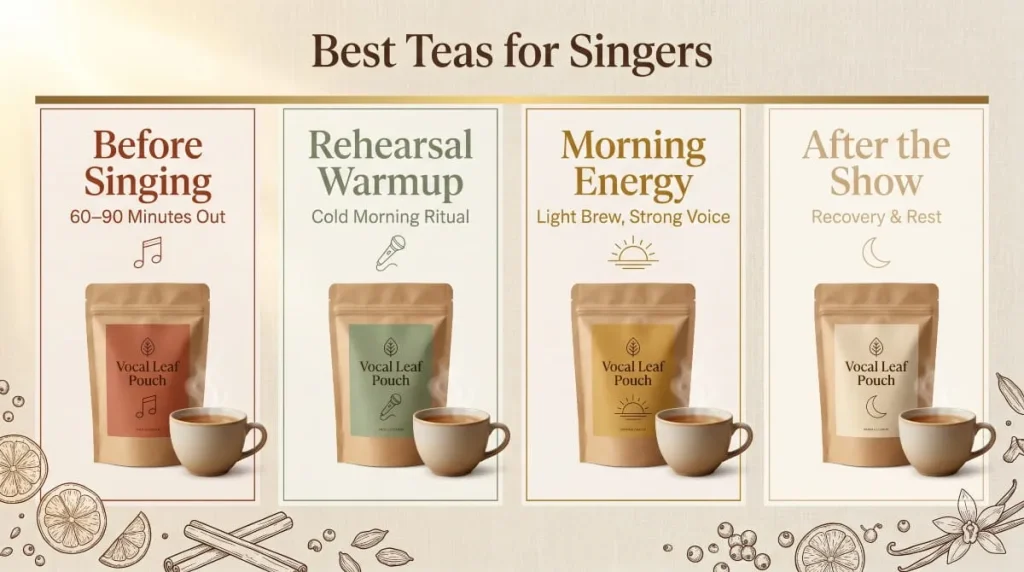
Here is how the four blends map to a performer’s stress profile:
Before Performance, Organic Loose Leaf Black Tea: L-theanine moderates pre-performance cortisol without the sedation that would blunt stage presence. The clean energy profile supports focus and vocal projection simultaneously. Steep 10–12 minutes, drink warm, 60–90 minutes before you perform.
High-Stress Rehearsal Days, Organic Rooibos Chai Tea: Naturally caffeine-free with aspalathin’s adrenal-modulating properties. The warming spice profile supports circulation to the vocal tract. Suitable across a full rehearsal day without caffeine accumulation.
Vocal Recovery After Stressful Events, Lemon Berry Dream. The citrus-forward profile supports mucosal hydration. After a demanding performance, teaching day, or high-stakes presentation, this blend bridges the gap between vocal exertion and overnight recovery. Certified 100% Soothing.
Pre-Sleep Cortisol Clearance, Vanilla Bliss. Sleep is when vocal tissue repairs. Cortisol suppresses that repair cycle. Vanilla Bliss, naturally caffeine-free, supports the transition into the deep sleep stages where vocal fold recovery actually occurs. One cup 30–45 minutes before bed.
No competitor offers this framework because no competitor built their product line around the voice. That is the Vocal Leaf difference, and this section is where it belongs.
Final Thoughts
Stress is not something you eliminate; it’s something you learn to manage, one small habit at a time. Tea won’t solve everything, but a well-chosen cup, brewed with intention and drunk without distraction, is a genuine act of care for a nervous system that rarely gets enough of it.
Whether you start with a classic chamomile at night, a bright iced lemon berry tea in the afternoon, a warming rooibos chai when you need grounding, or a smooth vanilla blend as your evening ritual, the most important thing is that you start somewhere and stay consistent.
The best stress relief tea is the one that fits your life well enough to become part of it.
If you’re ready to build that ritual with teas crafted specifically for calm, comfort, and quality, explore the full Vocal Leaf collection and find the blend that speaks to your kind of stress.
Frequently Asked Questions
Which tea is best for stress relief?
Chamomile is the most universally recommended starting point, well-studied, gentle, and effective for most types of stress. For caffeine-free daytime calm, rooibos is an excellent alternative. The best choice ultimately depends on how your stress shows up and what time of day you need support.
Is green tea or black tea better for stress?
Green tea has a higher L-theanine-to-caffeine ratio, making it better for anxiety-driven stress and calm focus. Black tea is more effective for stress recovery and for grounding through a structured daily routine. Neither is universally superior; they serve different stress profiles.
Can I drink stress relief tea every day?
Most caffeine-free herbal teas, such as chamomile, rooibos, lemon balm, and hibiscus, are safe for daily consumption and work better when used consistently than when used occasionally. The exception is kava, which should be reserved for occasional use only due to its liver-related concerns.
What is the fastest-acting tea for anxiety?
Kava acts the fastest and most noticeably, but comes with safety caveats worth understanding before use. Among safer options, lemon balm and passionflower tend to produce noticeable calming effects within 30 to 60 minutes of consumption, making them the most reliable fast-acting choices for everyday anxiety relief.
Are stress relief teas safe during pregnancy?
Not all of them. Rooibos and moderate chamomile are broadly considered safe options during pregnancy. Kava, valerian, and passionflower should be avoided. Always consult your midwife or doctor before adding any herbal tea to your routine during pregnancy. The conversation is straightforward and worth having.
What is a substitute for kava stress relief tea?
Passionflower is the closest functional alternative, with clinical research supporting its effectiveness for anxiety relief through similar GABA pathways, and a significantly cleaner safety profile. Lemon balm is a gentler but reliable option for daily use, particularly for stress that shows up as an inability to switch off mentally.
Is loose leaf tea better than bags for stress relief?
Generally, yes, loose leaf retains more of the volatile compounds and active constituents that make stress relief teas therapeutically effective, and the ingredients tend to be higher quality. That said, a consistently drunk tea bag beats a loose leaf tea you rarely get around to brewing. Quality in whichever format you’ll actually use matters most consistently.
Top Selling Products


Best Tea for Singers | What Actually Helps Your Voice
If you sing, whether you perform professionally, teach voice lessons, or spend your weekends in rehearsal, you’ve probably wondered whether tea actually does anything useful…
Best Tea for Vocal Cords | Herbs, Hydration and Recovery
If your voice feels tired, strained, or dry, the right tea for your vocal cords can make a real difference, not by healing damaged tissue,…
Best Tea for Laryngitis | Soothe Your Voice Naturally
The best tea for laryngitis is a warm, caffeine free loose leaf blend that hydrates the throat and eases the strain on inflamed vocal cords.…

What Is Chai Tea? The Ultimate Guide to Ingredients, Benefits, Types & How It’s Made
If you’ve ever wondered what chai tea is, you’re not alone. It’s one of the most searched beverage questions online, yet the answer is often…
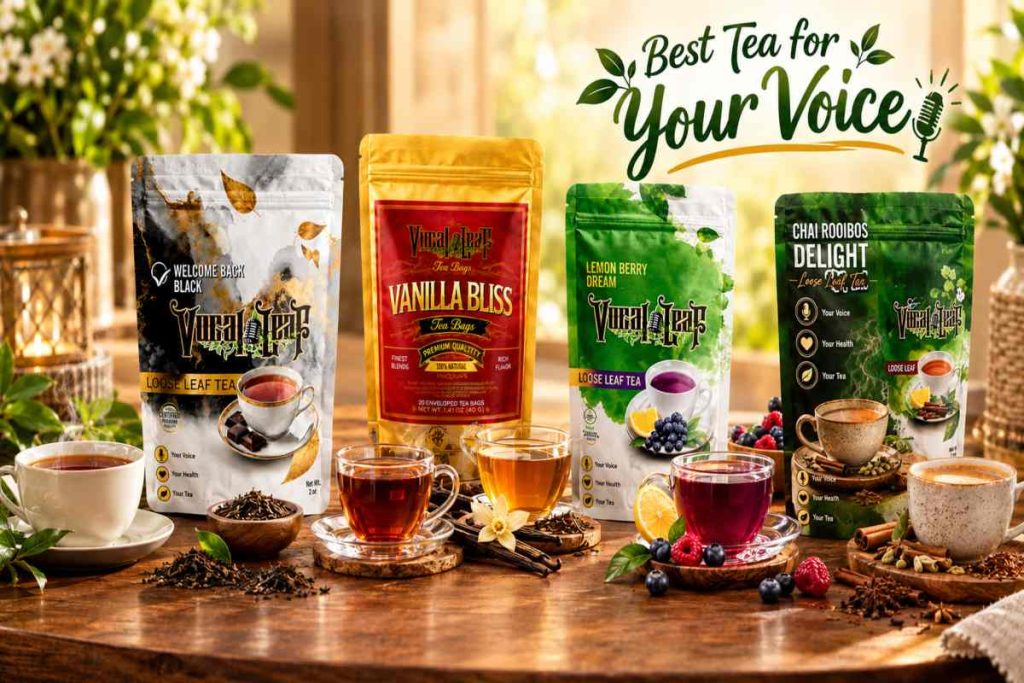
Best Tea for Your Voice | Does It Make You Sound Deeper
What it can do is change how your voice feels and sounds in the moment, which is where most of the confusion starts. If you…
The Best Tea for Performers & Speakers, And Why Your Voice Deserves Better
You spend hours rehearsing the words. You perfect the tone, the breath, the timing. But then you reach for whatever is nearby, a cup of…
Best Tea for Dry Throat | The Teas That Help and the Ones That Hurt
The best teas for a dry throat are caffeine-free herbal blends, teas with no tannins to strip moisture from the throat lining and no caffeine…
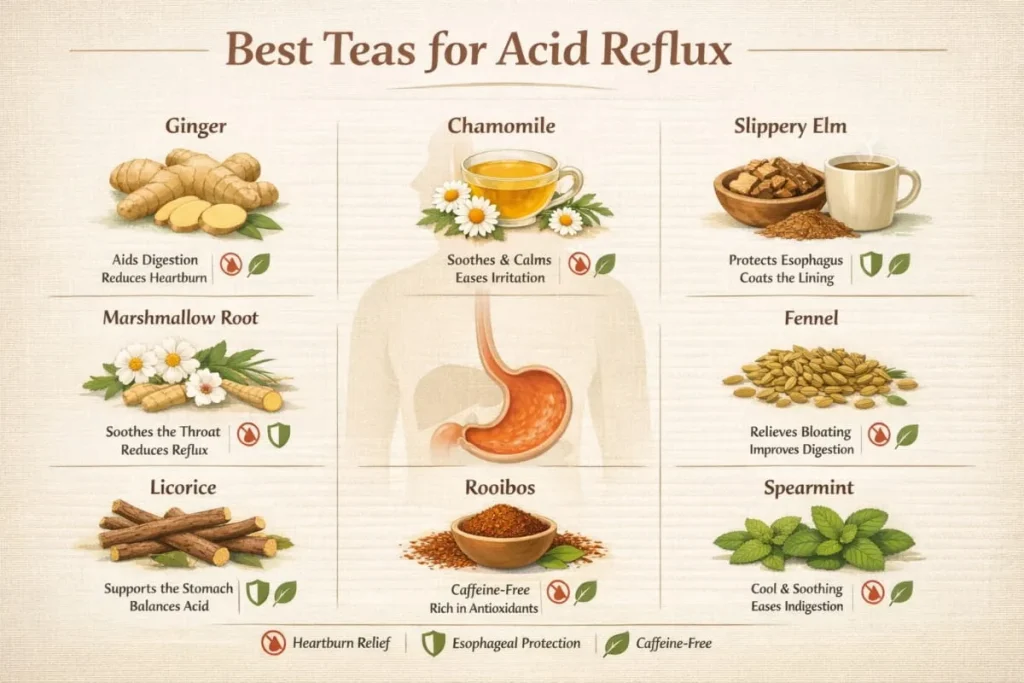
Best Teas for Acid Reflux, Heartburn and GERD
Acid reflux doesn’t just cause heartburn. If you have searched for tea good for acidity, you are asking the same question, acidity and acid reflux…

Best Morning Tea for Energy and Focus Without Coffee Crash
The best tea to drink in the morning is black tea if you want steady, coffee level energy without the crash, rooibos chai if you…
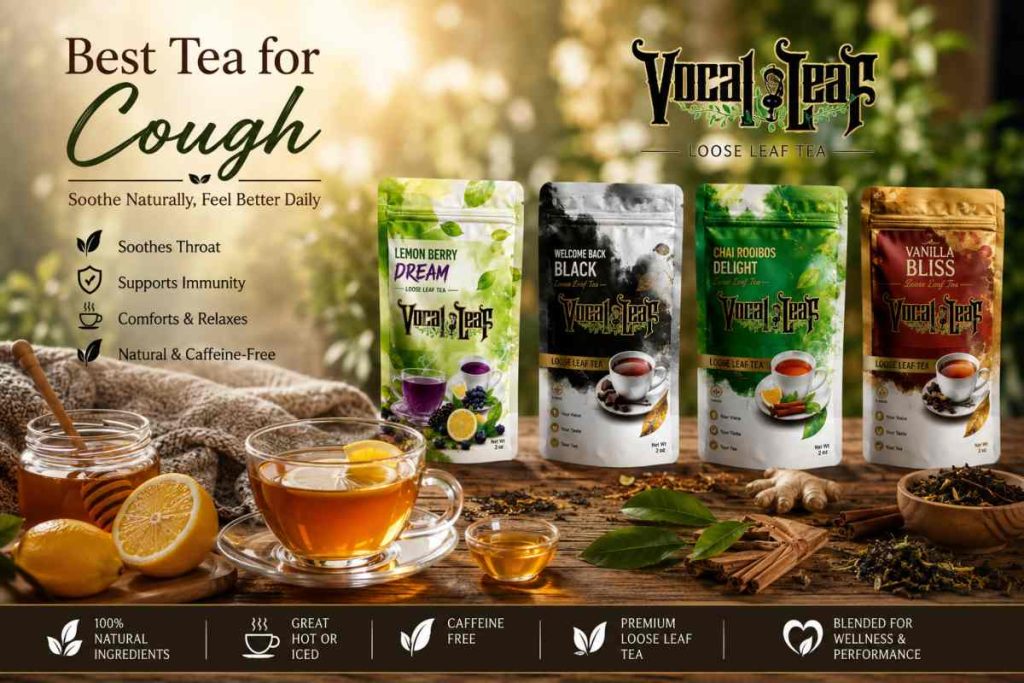
Best Tea for Cough | The Complete Guide to Soothing Relief
The best tea for cough relief is a warm, hydrating blend that soothes irritated throat tissue while easing the reflex that triggers coughing in the…

Best Teas for a Cold That Actually Work
Best teas for a cold combines warmth, hydration and gentle steam to ease congestion, calm a scratchy throat and help your body rest while it…

Best Teas for Inflammation | Guide to Nature’s Most Powerful Anti-Inflammatory Herbs
The best tea for inflammation depends on where and how inflammation is affecting you. For systemic and gut inflammation, rooibos and black tea offer daily…