Vocal Leaf

Best Tea for a Your Voice | What Actually Works (and What to Avoid)

Best Teas for a Lost Voice,

You woke up, and it was gone. Or it’s going, that familiar scratchiness, the strain on every word, the rasp where your voice used to be clean and clear. Whether you’re a singer with a performance this week, a teacher who can’t afford to go quiet, or someone who simply pushed too hard and is now paying for it, the question is the same: what actually helps?

Tea keeps coming up as the answer. And for good reason, but not every tea earns that reputation. Some blends genuinely support voice recovery and help you get your voice back faster. Others, despite being popular or widely recommended, can quietly make things worse. The difference matters more than most people realise.

This guide cuts through the noise. You’ll learn which teas are genuinely worth reaching for when your voice is lost or hoarse, why certain ingredients work at a physiological level, and what to skip entirely until your voice is back. If you rely on your voice for a living, you’ll also find specific recommendations for singers, speakers, and voice professionals who need more than just comfort; they need consistency.

The best tea for a lost voice isn’t a mystery. It just needs to be the right one.

Why Your Voice Goes and What Tea Can (Realistically) Do

Losing your voice feels sudden, but it rarely is. Something pushed your vocal cords past their limit: a long day of teaching, a night of performing, a cold that settled in your throat, or simply too many hours of talking without enough water. Understanding what’s actually happening helps you make smarter decisions about what to drink and why it matters.

The Mechanics Of Voice Loss

Your vocal cords are two small folds of tissue that vibrate together hundreds of times per second every time you speak or sing. When they’re healthy and hydrated, that vibration is smooth and effortless. When something disrupts them, your voice pays the price.

The four most common culprits are overuse, infection, dryness, and acid reflux. Overuse inflames the cords directly, too much strain, not enough rest. Infection causes swelling that prevents them from vibrating cleanly. Dryness reduces the lubrication they depend on. Reflux sends stomach acid up into the throat, irritating the tissue even when you feel no obvious heartburn. Often it’s a combination of more than one.

What Warm Fluids Actually Do

Here’s the part that surprises most people: tea doesn’t touch your vocal cords. The liquid you swallow travels down your oesophagus, not your airway; your vocal cords sit in your larynx, sealed off during swallowing. So tea isn’t coating or lubricating your cords directly.

What it does do is just as valuable. Warm fluids hydrate your body systemically, which keeps the mucous membranes lining your throat moist and your vocal cords functioning in a better-supported environment. The warmth also relaxes the muscles surrounding the larynx, reducing tension that compounds vocal strain. And consistent sipping discourages the reflex to clear your throat, which, ironically, is one of the most damaging things you can do to already-irritated tissue.

What Tea Cannot Do

Tea won’t repair inflammation overnight. It won’t fix a vocal cord injury, reverse the effects of a serious infection, or replace vocal rest. If your voice has been gone for more than two weeks, or if you’re experiencing pain rather than just hoarseness, that’s a conversation for a doctor, not a cup of chamomile.

What tea can do is create the right internal conditions for your voice to recover, and for many people, that’s exactly what makes the difference between a one-day setback and a week-long struggle.

The Best Teas for a Lost Voice, Ranked by Situation

Not all voice loss is the same, and not all tea should be either. The right cup depen

ds on what your voice actually needs right now, whether that’s soothing inflammation, getting through a long day, recovering overnight, or protecting your voice before you use it professionally. These four teas cover every situation, and each one earns its place for a specific reason.

Best Teas for a Lost Voice

Best Overall For A Lost Voice: Lemon Berry Dream

When your voice is gone, and you need something that works on multiple levels at once, Lemon Berry Dream is the place to start. The citrus base actively encourages hydration; you’ll sip more because it tastes good, and consistent sipping is one of the most effective things you can do when your voice is lost. The berry botanicals add a gentle soothing quality to irritated throat tissue, and the bright, clean flavour makes it easy to drink cup after cup without flavour fatigue setting in. If you’re looking for the best tea for voice loss and you want one recommendation to reach for first, this is it.

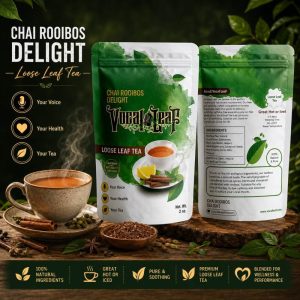
Best For Inflammation: Organic Rooibos Chai

If your lost voice came with that deep, achy irritation, the kind that lingers after overuse, a cold, or a heavy week of performing, Organic Rooibos Chai addresses the root of the problem. Ginger, cinnamon, and cardamom are among the most studied warming spices for their anti-inflammatory action, and rooibos carries that work with a naturally caffeine-free base that won’t dehydrate or stress your system while it’s trying to recover. It’s warming without being harsh, and it works particularly well as a midday tea remedy for voice loss when your throat needs active support rather than just comfort.

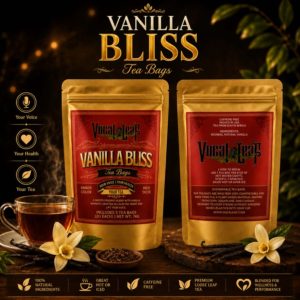
Best For Overnight Recovery: Vanilla Bliss

Your voice recovers most while you sleep. What you drink in the hours before matters. Vanilla Bliss is built on South African rooibos with natural vanilla, entirely caffeine-free, and genuinely easy to look forward to at the end of a difficult vocal day. It won’t interfere with sleep, and sleep alongside hydration is the most powerful tool for voice recovery available to you. A warm cup of Vanilla Bliss an hour before bed creates a recovery ritual that signals rest to your body while keeping your throat hydrated through the night. For anyone trying to get their voice back fast, this evening habit is worth more than it might seem.

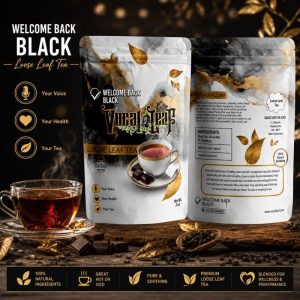
Best For Voice Professionals Who Need Focus: Organic Black Tea

Singers, voice actors, teachers, and speakers often face a particular challenge: they need to recover while also functioning. Caffeine-free isn’t always the answer when you have a performance, a recording session, or a full day of classes ahead of you. Organic Loose Leaf Black Tea delivers focus without the edge that coffee creates. Black tea releases its caffeine alongside L-theanine, an amino acid that produces calm, sustained alertness without the jittery spike that tightens the throat and shallows breathing. The key is how you brew it: steep for no more than three to five minutes to keep tannin extraction low, and sip alongside a glass of water to offset any drying effect.

Vocal Leaf Tea Is Best For… Caffeine Best Timing
Lemon Berry Dream General lost voice recovery & hydration Caffeine-free Any time of day
Organic Rooibos Chai Inflammation, deep irritation & digestive support Caffeine-free Midday support
Vanilla Bliss Overnight recovery, stress & deep sleep Caffeine-free Evening, before bed
Organic Black Tea Focus + voice care combined for performers Low–Moderate Morning, pre-performance

Best Tea for Singers, Voice Actors, and Speakers

When your voice is your instrument, or your livelihood, tea isn’t just a comfort drink. It’s part of how you show up consistently, protect what you’ve built, and recover from the demands that most people don’t put on their voice every single day. The right approach looks different depending on where you are in your day.

Before a Performance Or Session

The goal in the hour before you sing, record, or speak at length isn’t to fix anything; it’s to set your voice up to perform at its best. Warm tea drunk 30 to 60 minutes before vocal use gives your throat time to settle, your muscles time to relax, and your hydration levels time to stabilise without making you feel waterlogged right before you start.

Temperature matters more than most singers realise. Scalding tea can irritate the very tissue you’re trying to protect. Iced tea before a performance constricts the muscles around the larynx and undoes whatever warming up has achieved. The sweet spot is comfortably warm, the kind you can sip steadily without thinking about it.

For singers and voice actors who need both focus and vocal support before a demanding session, Organic Loose Leaf Black Tea is the strongest pre-performance choice. The L-theanine alongside caffeine produces calm, clean alertness, exactly what you need before a long recording session or a demanding set, without the anxiety-inducing spike that tightens your throat and affects breath control. Brew it light, steep it short, and sip it alongside water.

After Heavy Vocal Use

Post-performance recovery is where most voice professionals underinvest. You’ve done the work, the adrenaline is fading, and your vocal cords have been vibrating at extraordinary speed for hours. What you drink in the next two to three hours shapes how your voice feels tomorrow.

This is where caffeine-free teas earn their place. Organic Rooibos Chai is particularly effective after heavy use; the anti-inflammatory spice base addresses the low-level irritation that builds up over a long performance or recording session. In contrast, rooibos hydrates without the drying effects that caffeinated teas can introduce when your body is already fatigued. Sip it warm, slowly, and without rushing.

If your throat feels deeply tired rather than inflamed, Lemon Berry Dream is a lighter, brighter option that keeps you hydrating comfortably through the recovery window. Its flavour encourages steady sipping, which is ultimately what recovery comes down to.

Daily Maintenance for Voice Professionals

The singers and speakers who rarely lose their voice aren’t lucky. They’ve built a daily routine that keeps their instrument protected before problems start. Tea plays a quiet but consistent role in that routine, not as a magic fix, but as a habit that maintains hydration, reduces chronic throat irritation, and gives the voice a stable foundation to work from.

Vanilla Bliss fits naturally into a daily maintenance routine because it asks nothing of you. Caffeine-free, smooth, and easy to drink every evening, it creates the kind of consistent end-of-day hydration that compounds quietly over weeks. The best tea for your singing voice long-term isn’t the one you reach for in a crisis; it’s the one you actually drink every day.

Ginger Tea and Voice Loss: Does It Actually Help?

Of all the teas recommended for a lost or hoarse voice, ginger comes up most often, and unlike a lot of folk remedies, it actually has something real behind it. But it’s not the right choice for everyone, and the way you prepare it matters more than most people realise.

Ginger Tea and Voice

Why Ginger Works

Ginger contains gingerols and shogaols, active compounds with well-documented anti-inflammatory properties. When your voice is hoarse or lost due to irritation or overuse, the tissue lining your throat is inflamed. Ginger doesn’t numb or mask that inflammation; it works with your body’s natural response to reduce it. That’s a meaningful distinction, and it’s why ginger tea for voice loss has genuine merit rather than just a warm, comforting placebo effect.

Beyond its anti-inflammatory effects, ginger is a natural circulatory stimulant. Warm ginger tea increases blood flow to the throat tissue, supporting the healing process and helping the area recover from strain more efficiently. For singers and speakers with a hoarse voice after heavy use, that combination of anti-inflammatory and circulatory support is exactly what the tissue needs.

How to Make Ginger Tea for Voice Recovery

The most effective version is simple. Slice four or five thin pieces of fresh ginger root, about the size of a 50p coin each, and steep them in just-boiled water for eight to ten minutes. The longer steep draws out more of the active compounds. Add a teaspoon of raw honey once the water has cooled slightly, for both flavour and its throat-soothing properties. Drink it warm, not hot, and sip slowly rather than gulping.

Timing matters too. Ginger tea works best as a consistent habit rather than a single heroic dose. Two to three cups spread across the day, morning, midday, and late afternoon, give your body a sustained supply of anti-inflammatory support while keeping hydration levels steady throughout.

If you’re looking for a ready-made option that delivers ginger alongside other voice-supportive spices, Organic Rooibos Chai combines ginger with cinnamon and cardamom in a caffeine-free base, offering a stronger flavour profile than plain ginger tea and the added benefit of rooibos hydration underneath.

When Ginger Tea Can Backfire

Ginger tea is not the right choice for every lost voice. If your hoarseness is connected to acid reflux, which is more common than people realise, and can cause voice loss even without obvious heartburn symptoms, ginger tea brewed strongly can aggravate the problem rather than help it. Ginger stimulates digestive activity, and for a throat already irritated by stomach acid, that extra stimulation can intensify symptoms.

The same caution applies to sensitive throats in general. A very strong ginger brew can create a warming sensation that crosses into irritation for some people. If that happens, dilute it further or switch to a gentler option like Lemon Berry Dream, a softer, citrus-forward herbal blend that soothes without the intensity.

Peppermint tea, chamomile, lemon, and ginger combinations are other teas worth knowing about. Chamomile is the gentlest choice for a voice that’s sensitive rather than inflamed; its calming properties reduce irritation without the stimulating effect of ginger. Lemon and ginger together offer a slightly different balance, with lemon adding vitamin C and a brightness that makes the blend easier to drink in larger quantities. Peppermint creates a cooling, open sensation that some singers find helpful. However, if reflux is part of your picture, mint is best avoided, as it relaxes the lower oesophageal sphincter and can worsen acid-related voice problems.

Herbal teas, as a category, are generally the safest territory for voice recovery. They’re caffeine-free, gentle on the system, and easy to drink consistently, which is ultimately what voice recovery requires more than anything else.

Honey, Lemon, and Other Add-Ins: What the Research Says

What you put into your tea matters almost as much as the tea itself. The right add-ins can meaningfully strengthen a cup’s effect on a lost or hoarse voice. The wrong ones, particularly before singing or performing, can quietly undo it. Here’s what’s actually worth adding, and what to think twice about.

Honey, Lemon, and Other Add-Ins

Honey

Honey is the one add-in that genuinely earns its reputation. It creates a thin coating along the throat lining that reduces friction and rawness associated with irritation, and raw honey in particular has well-researched antimicrobial properties that can help when voice loss has an infectious cause, a cold, a mild throat infection, or post-viral hoarseness.

The evidence here is stronger than for most natural remedies. Studies into honey’s wound-healing and antibacterial properties are extensive. While most weren’t conducted specifically on vocal tissue, the mechanism is consistent: honey creates a protective, soothing layer and actively works against the bacteria that can compound throat irritation.

One practical note: add honey after the water has cooled to a comfortably warm temperature. Very hot water degrades its active compounds, diminishing much of what makes it useful. A teaspoon stirred into warm, not steaming, tea is the right approach.

Lemon

Lemon is more complicated. On the positive side, it provides vitamin C, which supports immune function when your voice loss has an infectious cause, and its brightness makes tea more palatable in large quantities, which indirectly helps by encouraging you to drink more and stay better hydrated.

The trade-off is acidity. Lemon juice is acidic enough to be a problem for anyone whose voice loss is connected to acid reflux, or for a throat that’s already raw and sensitive. In those cases, lemon doesn’t soothe; it adds another layer of irritation to tissue that’s already struggling. If your throat feels genuinely painful rather than just hoarse, skip lemon until the rawness settles.

For most people with straightforward voice loss from overuse or a mild cold, lemon and honey together in a warm herbal base, something like Lemon Berry Dream, which already carries citrus brightness, is a well-balanced and genuinely supportive combination.

Mint

Peppermint and spearmint create a sensation that feels therapeutic, that cooling, open-airway feeling makes your throat feel clearer and more comfortable almost immediately. The problem is that the sensation and the effect aren’t always the same thing.

Mint can mask vocal strain rather than address it. If you’re a singer or voice actor and mint makes your throat feel fine before a performance, there’s a real risk of pushing your voice harder than it’s ready for because you can’t feel the feedback it’s trying to give you. The discomfort is information; numbing it isn’t always the right move.

There’s also the reflux consideration. Mint relaxes the lower oesophageal sphincter, which makes it easier for stomach acid to travel up into the throat. For anyone with reflux-related voice loss, even mild, silent reflux, mint is one of the clearest add-ins to avoid.

What to Skip Before Singing or Performing

A few add-ins that seem helpful but are worth avoiding in the hours before vocal use:

Dairy, milk, cream, or any dairy-based addition stimulates mucus production in many people, creating a thick, heavy quality in the voice that makes singing and speaking feel effortful and imprecise. Even if you don’t notice it in daily life, you’ll likely notice it on stage or in the studio.

Excessive sugar and heavily sweetened tea can trigger throat clearing, one of the most damaging reflexes for already-sensitive vocal cords. Keep sweetness light.

Very acidic add-ins, lemon in large amounts, apple cider vinegar blends, or anything strongly acidic is best avoided before performance for the same reason it’s problematic for reflux: it irritates rather than soothes the very tissue you need performing at its best.

The simplest pre-performance cup is often the most effective, warm, lightly sweetened with a small amount of raw honey, caffeine-appropriate for your needs, and nothing that asks your throat to do extra work before you even open your mouth.

Teas to Avoid When You’ve Lost Your Voice

Not every tea belongs in a voice recovery routine. Some of the most popular and widely drunk teas can actively slow recovery, increase throat irritation, or create conditions that make vocal performance harder, not easier. Knowing what to avoid is just as important as knowing what to reach for.

Teas to Avoid When You've Lost Your Voice

High-caffeine Teas

Caffeine is a mild diuretic. In practical terms, that means it pulls fluid from your body when your vocal cords need hydration to heal and function. A cup of strongly brewed black tea or a high-caffeine green tea won’t devastate your recovery on its own. Still, it works against the very thing tea is supposed to do: keep your throat environment moist and your mucous membranes lubricated.

This doesn’t mean all caffeinated tea is off the table. A lightly brewed black tea like Organic Loose Leaf Black Tea, steeped for three to five minutes rather than ten, delivers far less caffeine and significantly fewer tannins than a strong brew, and sipping it alongside water offsets the mild drying effect. The problem is the strong, heavily caffeinated cup, not caffeine at a sensible level.

Chai tea sits in a similar category. A heavily spiced, strongly brewed masala chai with milk adds caffeine, tannins, and dairy in a single cup, three things that individually create problems for a lost voice and, together, compound each other.

High-tannin Brews

Tannins are the compounds responsible for the dry, puckering sensation you get from a strong cup of black or green tea. That sensation isn’t just unpleasant, it’s your throat tissue responding to astringent compounds that bind to and constrict the mucous membranes. For a voice that’s already dry, irritated, or strained, that constriction makes things measurably worse.

Earl Grey is a particularly common culprit among voice actors and singers who reach for it out of habit. The bergamot oil adds flavour, but the strong black tea base, brewed to full strength, delivers a high tannin load that leaves the throat drier than before. If Earl Grey is your daily tea, it’s worth switching to a shorter steep or choosing a gentler base entirely while your voice is recovering.

The fix in most cases is simple: brew lighter, steep shorter, and drink alongside water. Tannin extraction increases significantly with steeping time, so pulling your tea at three minutes rather than seven makes a genuine difference to how it feels in your throat.

Iced Tea

Cold constricts. When iced tea hits the muscles of your larynx and the tissue surrounding your vocal cords, it tightens them, reducing the flexibility and suppleness that warm vocal cords depend on for smooth, effortless vibration. This is why singers avoid cold drinks before performing, and why iced tea during voice recovery works against the process rather than supporting it.

This doesn’t mean cold tea is permanently off limits. After a performance, once your voice has done its work, a room-temperature or lightly cooled tea causes no meaningful harm. The timing is what matters. During active recovery or in the hours before vocal use, warm is always the better choice.

Milk-based Tea Drinks

Milk tea, tea lattes, and any tea made with cream or dairy-based milk introduce a well-documented problem for voice users: mucus production. Dairy stimulates mucus in many people, creating a thick, heavy quality in the voice that makes singing and extended speaking feel effortful and imprecise. You might not notice it in a quiet conversation, but on a microphone, in a recording booth, or mid-performance, the difference is audible and frustrating.

This applies to oat milk and some plant-based alternatives, too, though to a lesser degree. If you want a creamier tea during recovery, a small amount of honey provides richness without triggering a mucus response and brings its own soothing benefits.

The common thread across everything to avoid is the same: anything that dries, constricts, or coats the throat, interfering with vocal function. Voice recovery asks for a simple, clean environment. The teas that support it best are the ones that do the least harm while doing the most good.

Does Tea Make Your Voice Deeper? (And Other Common Questions)

A few questions about tea and the voice come up so consistently that they deserve a straight answer, not a hedge, not a disclaimer, just clarity. These are the ones worth addressing directly.

Does Tea Make Your Voice Deeper

Does Tea Actually Change Your Vocal Pitch?

No. Tea does not make your voice deeper, and no specific type, green tea, black tea, or herbal tea, has any meaningful effect on the fundamental pitch of your voice. Vocal pitch is determined by the physical characteristics of your vocal cords: their length, their mass, and the tension your laryngeal muscles create when you speak or sing. A cup of tea changes none of those things.

The confusion likely stems from the fact that warm tea can loosen, lower, and make a voice more resonant, especially first thing in the morning when the voice hasn’t fully woken up yet. That sensation is real, but it’s temporary, and it’s muscular, not structural. What you’re feeling is relaxation, not a change in your instrument.

How Warmth Temporarily Relaxes Vocal Folds

This is the part that’s genuinely useful to understand. The muscles surrounding your larynx hold a significant amount of tension, particularly after a long day of speaking, after poor sleep, or when you’re anxious before a performance. Warm fluids, such as tea, relax the surrounding muscles. When the muscles relax, the vocal folds sit in a slightly more open, looser position, and the voice that comes out reflects that ease.

For singers, this is why a warm cup of tea before a session can make the voice feel freer and more flexible, not because the tea has changed the voice, but because it has reduced the muscular tension that was restricting it. The effect is real and worth using deliberately. It just isn’t the same as making your voice deeper, and it doesn’t last beyond the warmth itself.

Does Tea Make Your Voice Sound Better?

This one has a more nuanced answer. Tea doesn’t improve your voice acoustically; it doesn’t add resonance, extend your range, or strengthen your tone. But it can absolutely improve your voice by addressing the conditions that degrade it.

A well-hydrated voice vibrates more cleanly and consistently than a dry one. A throat that isn’t chronically irritated requires less effort to use. A singer or speaker who isn’t fighting dryness, inflammation, or the urge to clear their throat constantly can use their voice more efficiently and for longer. That’s not an acoustic effect, it’s a functional one. And functionally, the right tea, drunk consistently as part of a real vocal care routine, makes a meaningful difference in how your voice behaves over days and weeks, not just in the moment.

So does tea help your voice sound better? Not in the way a recording engineer might mean. But for anyone who depends on their voice daily, the answer in practice is yes.

Beyond Tea: Other Things That Help Get Your Voice Back

Tea does a lot, but it doesn’t work alone. The fastest voice recoveries happen when tea is part of a broader approach, one that addresses the conditions your voice needs to heal, not just the symptom of hoarseness itself. These are the other elements that make a real difference.

Beyond Tea Other Things That Help Get Your Voice Back

Vocal Rest, and What That Actually Means

Vocal rest is the most powerful recovery tool available, and the most misunderstood. Most people interpret it as speaking quietly or whispering when their voice is lost. Whispering is actually harder on your vocal cords than normal speech; it creates a forced, unnatural tension across the cords that strains already-irritated tissue. If your voice needs rest, the choice is between normal, easy conversation and silence. There is no useful middle ground.

How much rest you need depends on why your voice is lost. Overuse from a long performance or heavy teaching week typically resolves with 24 to 48 hours of reduced vocal demand, good hydration, and sleep. A voice lost to infection needs the underlying illness to resolve first; rest helps, but it isn’t the cure on its own. The honest answer is that pushing through voice loss, continuing to speak, perform, or strain, almost always extends recovery rather than shortening it.

Humidity and Steam

Dry air is a significant and underappreciated enemy of voice recovery. Central heating in winter and air conditioning in summer both strip moisture from the air, and a voice trying to heal in a dry environment is constantly working against itself. A humidifier running in your bedroom overnight is one of the most practical investments a voice professional can make. The difference it creates in how the voice feels in the morning is often immediate.

Steam inhalation offers a more direct version of the same benefit. Leaning over a bowl of hot water with a towel over your head for five to ten minutes brings warm moisture directly to the throat and nasal passages, reducing dryness and loosening any congestion that’s compounding the problem. It won’t rebuild the voice on its own, but as a complement to warm tea and rest, it noticeably accelerates comfort and recovery.

Foods to Eat and Avoid

What you eat while your voice is recovering matters more than most people consider. Foods that support recovery are anti-inflammatory and hydrating, such as warm broths, soft-cooked vegetables, fruits with high water content, and anything gentle on the throat. Raw honey eaten directly, rather than dissolved in tea, sits on the throat lining longer and can be particularly soothing for rawness and irritation.

On the other side, spicy food, alcohol, and anything highly acidic can worsen inflammation or trigger reflux that reaches the throat. Alcohol is particularly disruptive; it dehydrates, suppresses the immune response, and irritates mucous membranes at exactly the moment your voice needs the opposite. Crunchy, scratchy foods like crackers or dry toast are worth avoiding, too; the mechanical irritation they cause on an already-sensitive throat is minor but real.

When to See a Doctor

Most voice loss resolves on its own within a week with rest, hydration, and the right home approach. But hoarseness that persists beyond 2 to 3 weeks without an obvious explanation, no recent illness, and no identifiable overuse deserves medical attention. Persistent hoarseness can occasionally signal something that tea and rest won’t address: vocal cord nodules, polyps, or, in rarer cases, something that requires proper diagnosis.

The same applies to voice loss accompanied by significant pain, difficulty swallowing, or a lump sensation in the throat. These aren’t reasons to panic, but they are reasons not to wait. A visit to a GP or an ENT specialist gives you clarity, and clarity is always more useful than hoping it resolves on its own.

For everything else, the lost voice after a long week, the hoarseness after a cold, the rasp after a performance, the combination of warm tea, rest, humidity, and time is a genuinely effective recovery protocol. Your voice is resilient. It usually just needs the right conditions to come back.

Your Voice Deserves Better Than Guesswork

Losing your voice is frustrating, but recovering it doesn’t have to be complicated. The right warm tea, drunk consistently, creates the internal conditions your vocal cords need to heal. Pair that with genuine rest, a humidifier, and a little patience, and most voices come back stronger than expected.

What you’ve read here isn’t a quick fix; it’s a framework. Know what works, understand why it works, and build a daily habit around it before your voice is in crisis. The singers, speakers, and voice professionals who rarely lose their voice aren’t lucky. They’ve simply made the right choices consistently enough that their instrument stays protected.

Start with one cup. Build the habit from there.

Frequently Asked Questions (FAQ’s)

What is the Best Tea for a Lost Voice?

The best tea for a lost voice is a warm, caffeine-free herbal blend that supports hydration and soothes throat irritation. Lemon Berry Dream is a strong first choice for general recovery, while Organic Rooibos Chai works particularly well when inflammation is the main issue.

Does Hot Tea Help When You Lose Your Voice?

Yes, but temperature matters; tea should be comfortably warm, not scalding. Very hot tea can irritate already-sensitive throat tissue, while warm tea relaxes the muscles surrounding the larynx and supports the hydration your vocal cords need to recover.

Is Ginger Tea Good for Voice Loss?

Yes, ginger tea is one of the most effective options for a lost or hoarse voice. Its active compounds have well-documented anti-inflammatory properties that address throat irritation at the source, though it’s best avoided if your voice loss is connected to acid reflux.

Is Black Tea Good or Bad for Your Voice?

Black tea brewed lightly and steeped for three to five minutes is generally fine and beneficial for voice professionals who need gentle caffeine alongside vocal support. Brewed strongly, however, the high tannin content creates an astringent, drying effect that works against voice recovery.

How Long Does It Take to Get Your Voice Back?

Most voice loss from overuse or a mild cold resolves within two to seven days with proper rest, hydration, and warm fluids. Pushing through and continuing heavy vocal use almost always extends recovery; rest is the single most important factor in how quickly the voice returns.

Is Green Tea Good for Your Voice?

Green tea can be helpful for the voice when brewed lightly, as it provides antioxidants and gentle hydration. Brewed strongly or consumed in large quantities, its caffeine and tannin content can have a mild drying effect, so a shorter steep and moderate intake is the better approach.

Does Tea Make Your Voice Deeper?

No, tea does not change vocal pitch. Warm tea can make the voice feel temporarily looser and more relaxed by reducing muscular tension around the larynx, but this is a functional effect, not a structural one, and it doesn’t alter the fundamental characteristics of your voice.

What Tea Do Singers Drink Before Performing?

Most singers reach for a warm, caffeine-appropriate tea 30 to 60 minutes before performing. Caffeine-free options like Lemon Berry Dream or Vanilla Bliss suit those who want pure hydration and calm, while Organic Loose Leaf Black Tea suits singers who need sustained focus alongside vocal support.

Can Peppermint Tea Help a Lost Voice?

Peppermint tea creates a cooling sensation that can feel immediately soothing, but it doesn’t address the underlying inflammation causing voice loss. It’s also best avoided if reflux is a factor, as mint relaxes the lower oesophageal sphincter and can worsen acid-related throat irritation.

How Do You Make Tea for Voice Recovery?

Use fresh loose-leaf tea or a quality blend, steep in comfortably hot, not boiling water, and drink warm rather than hot. Add a teaspoon of raw honey after the water cools slightly for extra soothing benefits. Sip consistently throughout the day rather than drinking one large cup, as steady hydration supports voice recovery more than a single dose.

Previous Post
Loose Leaf Chai Tea Recipe | How to Brew It Right Every Time
Next Post
Best Iced Tea Brands: Top Picks for Every Taste & Lifestyle

Related Posts

Leave a Reply

Your email address will not be published. Required fields are marked *

Fill out this field
Fill out this field
Please enter a valid email address.
You need to agree with the terms to proceed