
What Is Chai Tea? The Ultimate Guide to Ingredients, Benefits, Types & How It’s Made

If you’ve ever wondered what chai tea is, you’re not alone. It’s one of the most searched beverage questions online, yet the answer is often simplified, misunderstood, or confused with coffeehouse variations. Chai tea is far more than a trendy latte flavor. It’s a centuries-old spiced tea tradition rooted in South Asian culture, built on black tea and aromatic spices, and known for its bold, warming character.
At its core, Organic Rooibos Chai Tea is a blend of strong black tea simmered with spices such as cardamom, cinnamon, ginger, cloves, and black pepper, usually combined with milk and lightly sweetened. In many parts of the world, it’s traditionally called masala chai, which literally means spiced tea. Outside of India, the term chai tea became common, even though the Word chai itself simply means tea.
Today, chai appears in many forms, from traditional masala chai to modern chai lattes and even espresso-based dirty chai drinks. That evolution has created confusion about what chai actually is, how it differs from regular tea, whether it contains caffeine, and what makes its flavor so distinctive.
This guide answers those questions clearly and comprehensively. You’ll learn where chai tea comes from, what it’s made of, how it tastes, the health benefits associated with its spices, how to make it properly, and how it compares to other drinks like Coffee, matcha, and regular black tea. By the end, you’ll have a complete understanding of chai tea, not just as a menu item, but as a cultural beverage with depth, history, and character.
What Is Chai Tea?
At its simplest, chai tea is a spiced tea beverage made by brewing black tea with aromatic spices, then combining it with milk and a touch of sweetness. But if you’re asking what chai is or what exactly is chai tea, the answer goes deeper than a basic recipe. Chai is both a drink and a tradition, a daily ritual in many South Asian homes and a symbol of hospitality, comfort, and community.
In Western cafés, chai tea is often associated with frothy lattes and flavored variations. Traditionally, however, chai refers to a strong, spiced tea simmered on the stovetop. When people search chai is what or what is a chai drink, they’re usually looking for clarity: chai is tea infused with spices, not a separate plant or a coffee-based beverage.
Understanding chai tea means understanding its language roots, its tea base, and its cultural history.

What Does Chai Mean?
The Word chai simply means tea. It comes from the Hindi Word चाय (chai), which itself traces back to the Chinese Word for tea. So when people say chai tea, they are technically saying tea tea. The phrase became popular outside India to distinguish spiced Indian tea from other types of tea.
If you’re wondering what language chai is or what chai means, the answer is straightforward: it’s the Hindi Word for tea. In India and many surrounding regions, ordering chai automatically implies a spiced milk tea, not plain black tea.
Is Chai Just Tea?
Chai is tea, but it’s not just tea.
When someone asks, Is chai just tea?, the confusion often stems from how it’s presented internationally. Traditional chai, often called masala chai, combines black tea with spices such as cardamom, cinnamon, ginger, cloves, and black pepper. Milk and sugar are commonly added during the brewing process.
So while chai uses tea as its base, the spices transform it into something richer and more layered than plain black tea. The result is a bold, aromatic drink that balances warmth, sweetness, and gentle heat.
What Type of Tea Is Chai?
If you’re asking, What kind of tea is chai?, the answer is typically black tea.
Authentic chai is made with strong black tea varieties, most commonly Assam tea, which provides a robust flavor that can stand up to milk and spices. The tea leaves are simmered rather than steeped lightly, which creates a deeper, fuller-bodied brew.
In modern adaptations, you may find green tea chai or herbal chai blends. However, traditional chai tea is made with black tea. So when people search what tea is chai or what type of tea is chai tea, they’re usually referring to this classic black tea foundation.
The Origin and Cultural History of Chai
Chai originates from India, where it has been consumed for centuries. When someone searches for what country is chai from the answer lies in South Asian culture. While tea plants are native to parts of Asia, the spiced milk tea tradition developed and became widespread in India during the 19th and early 20th centuries.
Over time, chai became embedded in daily life. Street vendors known as chai wallahs serve it in small cups across cities, towns, and railway platforms. It’s offered to guests in homes, shared during conversations, and enjoyed during work breaks. Asking what culture is chai tea from points directly to Indian culture, though variations now exist throughout Pakistan, Nepal, Bangladesh, and beyond.
Today, chai has traveled globally, evolving into café drinks like the chai latte. Yet at its heart, chai tea remains a spiced black tea beverage with deep cultural roots, a drink shaped as much by history and community as by ingredients.
What Does Chai Taste Like?
Chai tea has a bold, layered flavor that blends strength, warmth, and subtle sweetness into one balanced cup. If you’re wondering what chai tastes like, imagine the richness of black tea infused with fragrant spices, softened by milk, and rounded out with a gentle sweetness. It’s comforting yet complex, spicy but smooth.
Unlike plain black tea, chai is designed to be expressive. Every sip carries depth from the tea leaves and brightness from spices like cardamom and ginger. The result is a drink that feels warming and slightly creamy, with a lingering aromatic finish.

Flavor Profile Explained
The flavor profile of chai tea starts with a strong black tea base, usually Assam, that provides a malty, slightly brisk foundation. From there, traditional spices shape its character:
- Cardamom adds floral sweetness
- Cinnamon brings warmth
- Ginger contributes gentle heat
- Cloves and black pepper introduce depth and subtle spice
Milk smooths the sharp edges of the spices, while sugar enhances the natural warmth without overpowering it. This balance is what makes masala chai so distinctive.
If you’re asking what a masala chai is, it refers specifically to this spiced tea blend. Masala chai, made with black tea, spices, milk, and a sweetener, is considered the traditional and most authentic form of chai.
Is Chai Sweet or Spicy?
Chai is both sweet and spicy, but in harmony rather than competition.
The spices give chai its signature warmth and mild heat, while milk and sugar soften the intensity. Traditional masala chai leans gently sweet, but the spice profile remains noticeable. The sweetness is not syrupy like a dessert drink; rather, it enhances the tea’s natural complexity.
In coffee settings, the flavor can vary depending on the preparation method. A chai latte, for example, is often sweeter and creamier than traditional stovetop chai. If you’re wondering what is in a chai latte or what a chai latte is made of, it typically includes spiced tea concentrate mixed with steamed milk, sometimes topped with foam. The spice remains, but the texture becomes smoother and more indulgent.
What Color Is Chai?
Chai tea is usually a warm brown or caramel color, depending on how much milk is added. Traditional masala chai brewed with milk takes on a creamy tan shade, while stronger versions with less milk appear deeper brown.
A chai latte often appears lighter in color because of a higher milk-to-liquid ratio. Iced versions may look layered before being stirred, but once mixed, they settle into a smooth beige tone. The color reflects its richness; darker chai generally means stronger tea and spice concentration.
Why Chai Has a Warm, Aromatic Taste
Chai’s warmth comes from both its spices and the way it’s brewed. Unlike many teas that are steeped briefly, traditional chai is simmered. This slow cooking process extracts essential oils from the spices, intensifying their aroma and creating a fuller body.
That’s why chai feels comforting and fragrant even before you take a sip. The combination of heat from ginger and pepper, sweetness from cinnamon, and floral brightness from cardamom creates a layered sensory experience.
Variations build on this base. A dirty chai, for instance, adds a shot of espresso to traditional chai. If you’re asking what a dirty chai is or what is in a dirty chai latte, it’s essentially spiced tea combined with Coffee. The espresso deepens the flavor, adding roasted bitterness that contrasts with the sweet spice blend. The difference between chai and dirty chai comes down to that espresso shot.
Similarly, the difference between chai and chai latte lies in texture and preparation. Chai is traditionally simmered with milk and spices on the stove, while a chai latte is typically made with spiced tea concentrate and steamed milk for a creamier, café-style presentation.
No matter the variation, chai’s defining taste remains consistent: warm, aromatic, gently sweet, and unmistakably spiced.
Why Is It Called Chai Tea If Chai Means Tea?
If chai already means tea, why do people say chai tea? The phrase may sound repetitive, and technically, it is. In Hindi and several other languages, the Word chai simply translates to tea. So saying chai tea is essentially saying tea tea.
However, the story behind this redundancy reveals something interesting about language, trade, and globalization.

The Linguistic Roots of Chai
The Word chai comes from the Hindi term चाय (chai), which itself traces back to the Chinese Word for tea. Across much of South Asia, ordering chai traditionally refers to spiced milk tea, what many now call masala chai.
In India, you would simply ask for chai and receive a hot, spiced tea with milk. There would be no need to clarify further.
Colonial Trade and Global Spread
Tea became globally commercialized during British colonial rule in India in the 19th century. The British expanded tea cultivation and distribution, turning India into one of the world’s largest tea producers. As tea culture spread internationally, so did variations of the Word used to describe it.
In English-speaking countries, however, tea already referred broadly to all tea varieties. When spiced Indian tea entered Western markets, simply calling it chai created confusion. Consumers unfamiliar with Hindi did not automatically associate the Word with tea.
To clarify the product, marketers began using the phrase chai tea to distinguish it from plain black tea, green tea, or herbal tea. The additional tea made the drink easier to categorize in cafés and grocery stores.
Why Western Branding Adopted Chai Tea
As Indian-spiced tea gained popularity in Western cafés, particularly in the form of chai lattes, branding needed to be simple. Chai alone sounded unfamiliar to many customers, while chai tea clearly signaled that it was a type of tea-based beverage.
Over time, the redundant phrasing became normalized in English usage. Even though linguistically repetitive, chai tea now functions as a distinct product name in global markets.
This is a common pattern in language. Similar examples include naan bread (naan means bread) and Sahara Desert (Sahara means desert). When foods and cultural items travel internationally, words often adapt to fit new linguistic environments.
How Language Shifts When Food Globalizes
When a traditional food or drink crosses borders, its name often changes to match the understanding of a new audience. In India, chai refers broadly to tea, especially spiced tea with milk. In Western contexts, chai has come to mean a specific flavor profile, warm spices blended with black tea.
So while chai tea may be technically redundant, it reflects how language evolves through trade, marketing, and cultural exchange.
Understanding why it’s called chai tea not only clarifies the terminology but also highlights the journey of a traditional Indian beverage as it became a global staple.
Chai vs Other Drinks (Key Differences)
Chai tea is often compared to other popular beverages, especially regular tea, Coffee, chai lattes, and matcha. While they may share certain ingredients or preparation methods, each drink has a distinct identity. Understanding the differences helps clarify common questions, such as the difference between chai and tea, chai and Coffee, or chai and matcha.

Chai vs Regular Tea
The difference between chai and regular tea lies primarily in flavor and preparation.
Regular tea, such as black, green, or herbal tea, is typically steeped in hot water and served plain or lightly sweetened. Chai, on the other hand, is brewed with a blend of warming spices and usually combined with milk. While chai uses black tea as its base, the addition of spices like cardamom, cinnamon, and ginger transforms it into a richer, more aromatic drink.
In simple terms, chai is a spiced tea, while regular tea is brewed from tea leaves without added spices. The taste difference is significant: regular tea is lighter and more straightforward, while chai is layered, creamy, and bold.
Chai vs Masala Chai
Many people search for the difference between chai and masala chai, but traditionally, there isn’t one.
In India, chai often refers to masala chai, spiced tea made with black tea, milk, and a spice blend. The Word masala simply means spice mix, so masala chai translates to spiced tea.
Outside South Asia, however, the term chai is sometimes used more loosely to describe flavored tea drinks, especially in cafés. In that context, masala chai refers specifically to the traditional stovetop version, while chai might refer to concentrates or pre-made blends.
Culturally speaking, chai and masala chai are essentially the same beverage at their core.
Chai vs Chai Latte
The difference between chai and chai latte comes down to preparation and texture.
Traditional chai (masala chai) is simmered with tea leaves, spices, milk, and sweetener in one pot. A chai latte, however, is typically made with spiced tea concentrate and steamed milk, much like a coffee latte. This creates a creamier, frothier drink with a softer spice presence.
Chai tends to be stronger and spicier, while a chai latte is smoother and milkier. Both share the same foundational flavor profile, but the café-style latte emphasizes texture and sweetness more than traditional stovetop chai.
Chai vs Coffee
When comparing chai and Coffee, the main differences involve flavor profile and caffeine delivery.
Coffee is brewed from roasted coffee beans and has a naturally bitter, bold taste. Chai is brewed from tea leaves and spices, resulting in a warm, aromatic flavor that balances spice and sweetness. While both beverages contain caffeine, Coffee generally has a higher caffeine content than traditional chai made from black tea.
For those seeking a gentler energy boost with more layered flavor complexity, chai offers a middle ground between tea and Coffee. Coffee delivers intensity and sharpness; chai provides warmth and spice.
Chai vs Matcha
Chai and matcha are both tea-based drinks, but they differ significantly in composition and taste.
Matcha is made from finely ground green tea leaves whisked into water or milk, producing a vibrant green drink with an earthy, slightly grassy flavor. Chai, by contrast, is usually based on black tea infused with spices and milk, creating a brown, creamy beverage with warming notes.
The difference between chai and matcha extends beyond flavor. Matcha has a more concentrated green tea profile and often contains higher caffeine levels compared to standard chai. Chai’s character comes from its spice blend, while matcha’s identity centers on pure green tea intensity.
Each of these drinks serves a different purpose and appeals to different taste preferences. Chai stands apart for its balance of tea strength, spice warmth, and creamy texture, a combination that makes it distinct from regular tea, Coffee, and even other specialty tea drinks like matcha.
| Type | What it is | Tea Base | Milk/Sweetness | Caffeine | Taste & Feel | Best For |
|---|---|---|---|---|---|---|
| Masala Chai | Traditional stovetop spiced tea | Black tea | Med-High milk / Med sugar | Medium | Bold, spicy, aromatic, comforting | Authentic daily sipping |
| Chai Latte | Café-style (concentrate + steamed milk) | Black tea concentrate | High milk / Med-High sugar | Medium | Creamy, smooth, dessert-like | Gentle, milky indulgence |
| Dirty Chai | Chai latte + Espresso shot | Black tea + Espresso | High milk / Med-High sugar | High | Spiced + roasted coffee depth | Coffee lovers needing a kick |
| Iced Chai | Chai served cold over ice | Black tea | Med-High milk / Medium sugar | Medium | Refreshing, spiced, lighter finish | Warm weather refreshment |
| Spiced Chai Var. | Custom spice ratios (Extra ginger/clove) | Black tea | Varies / Varies | Medium | Ranges from mild to very spicy | Personalizing flavor profile |
| Green Chai | Chai spices with green tea base | Green tea | Low-Med milk / Low-Med sugar | Low-Med | Lighter body, softer spice, herbal | A lighter, less intense option |
What Is the Difference Between Chai Concentrate, Powder & Syrup?
As chai has become more popular worldwide, it has evolved beyond the traditional stovetop method. Today, you’ll find chai concentrate, chai powder, and chai syrup on store shelves and café menus. Many people searching for what chai concentrate is, what is chai powder, or what is chai syrup are trying to understand how these products compare, and which one is closest to authentic masala chai.

While all three aim to deliver the flavor of chai tea, they differ significantly in preparation, taste, and authenticity.
What Is Chai Concentrate?
Chai concentrate is a pre-brewed, highly concentrated version of chai tea. It is typically made by simmering black tea and spices together, then reducing the liquid to concentrate the flavors. Sugar is often added during production.
To prepare it, you simply mix the concentrate with milk (hot or cold), usually in a one-to-one ratio. This makes chai tea concentrate one of the most convenient ways to prepare a chai latte at home.
In terms of authenticity, chai concentrate comes closest to traditional masala chai because it is brewed using actual tea leaves and spices. However, the flavor may be sweeter and less customizable than stovetop chai made from scratch.
Best for: convenience with relatively authentic flavor.
What Is Chai Powder?
Chai powder is a dry mix designed for quick preparation. It usually contains powdered tea extract, ground spices, sugar, and sometimes milk powder. To make a drink, you simply add hot water or milk and stir.
While chai powder is convenient and shelf-stable, it tends to taste less complex than freshly brewed chai. Because it often includes sweeteners and stabilizers, the spice notes may be milder or more uniform.
If you’re wondering whether chai powder is authentic, it is more of a modern adaptation than a traditional preparation. It delivers the flavor profile of chai but without the simmering process that defines masala chai.
Best for: quick preparation and portability.
What Is Chai Syrup?
Chai syrup is a sweet, spiced liquid designed primarily for café-style drinks. It contains sugar, water, and spice flavoring, sometimes with tea extract, sometimes without. Syrups are commonly used in coffee shops to flavor chai lattes or specialty drinks.
Unlike chai concentrate, chai syrup does not always contain brewed tea as its base. Instead, it focuses more on sweetness and spice flavoring. This makes it less authentic compared to traditional chai or even concentrate-based versions.
Chai syrup tends to produce a sweeter, dessert-like beverage rather than a robust spiced tea.
Best for: flavored drinks and specialty café beverages.
Which One Tastes Closest to Traditional Chai?
If your goal is to replicate traditional masala chai at home, chai concentrate generally offers the closest flavor because it is brewed from real tea and spices. However, it may still lack the depth of freshly simmered chai made from whole spices.
Chai powder and chai syrup prioritize convenience and sweetness over traditional preparation methods. While they can be enjoyable, they typically do not capture the full-bodied, aromatic complexity of authentic stovetop chai.
In short:
- Chai concentrate = brewed, closest to traditional
- Chai powder = quick mix, less complex
- Chai syrup = sweet flavoring, café-focused
Understanding these differences helps you choose the version that matches your preferences, whether you value authenticity, convenience, or sweetness.
Is Chai Tea Good for You?
Many people who search for what chai tea is good for are not just curious about its flavor; they want to know whether it offers real health benefits. The answer depends on how it’s prepared, but traditionally made chai tea can provide several wellness-supporting properties thanks to its combination of black tea and functional spices.
The benefits of chai tea primarily come from its ingredients. When brewed traditionally with natural spices and moderate sweetness, chai can be a warming, antioxidant-rich beverage that supports digestion, circulation, and overall well-being. However, heavily sweetened café versions may reduce some of those health advantages.

Let’s break down what chai tea is good for, health-wise.
Health Benefits of Chai Spices
The core health value of chai tea lies in its spice blend. Traditional masala chai includes ingredients long used in Ayurvedic practices:
- Ginger is known for supporting digestion and easing nausea.
- Cardamom may help reduce bloating and promote gut balance.
- Cinnamon is often associated with blood sugar support.
- Cloves and black pepper contain antioxidants and anti-inflammatory compounds.
Black tea itself provides polyphenols, plant compounds linked to heart health and immune support. Together, these ingredients contribute to the overall benefits of chai tea.
When asked what chai is good for the body, the answer often includes digestive comfort, antioxidant support, and gentle caffeine stimulation.
Does Chai Have Caffeine?
Yes, chai does contain caffeine, but typically less than Coffee.
Since traditional chai is made with black tea, it naturally includes caffeine. On average, a cup of chai tea contains significantly less caffeine than a standard cup of brewed Coffee. The exact amount depends on the tea strength and brewing method.
If you’re wondering about chai caffeine levels, they generally fall in the moderate range. This makes chai a suitable option for people who want a milder energy boost without the intensity of Coffee. Green chai variations may contain even less caffeine than black tea-based chai.
Is Chai Good for Digestion?
One of the most recognized benefits of chai tea is digestive support. The combination of ginger, cardamom, and black pepper has traditionally been used to stimulate digestion and reduce discomfort after meals.
Ginger, in particular, is widely known for its ability to ease nausea and support gut motility. That’s one reason chai is often consumed after heavy meals in South Asian culture.
If you’re asking what chai tea is good for you in practical terms, digestive comfort is one of its most consistent advantages.
Can Chai Support Weight Loss?
When people search for “ is chai tea good for weight loss, the answer depends on preparation.
Unsweetened or lightly sweetened chai made with black tea and spices can fit into a balanced diet. Black tea contains compounds that may support metabolism, and spices like cinnamon are sometimes linked to blood sugar regulation. However, chai itself is not a magic weight loss drink.
High-calorie chai lattes loaded with sugar or syrups may not support weight goals. For weight-conscious drinkers, reducing added sugar and choosing lighter milk options can make chai a more supportive beverage choice.
Is Chai Tea Good for the Body?
In moderation, chai tea can be good for the body. It provides antioxidants from black tea, digestive support from spices, and moderate caffeine for alertness. Compared to sugary sodas or heavily sweetened drinks, traditional chai offers a more functional beverage option.
Ultimately, what chai tea is good for comes down to its ingredients and preparation. When brewed traditionally with natural spices and balanced sweetness, chai delivers warmth, flavor, and potential wellness benefits in one cup.
How to Make Chai Tea at Home
Learning how to make chai tea at home allows you to control the strength, sweetness, and spice balance. Whether you prefer traditional masala chai simmered on the stovetop or a café-style chai latte, the process is simple once you understand the basics.
At its core, chai is made by brewing tea with spices and milk rather than steeping tea separately. The method you choose will influence the depth and texture of the final drink.

Traditional Masala Chai Recipe
If you’re wondering how to make masala chai the authentic way, the key is simmering, not just steeping.
Start by bringing water to a gentle boil. Add loose black tea (Assam works well) along with whole or freshly crushed spices such as cardamom, cinnamon, ginger, cloves, and black pepper. Let the mixture simmer so the spices fully infuse the liquid.
Next, add milk directly to the pot and continue simmering for several minutes. This step creates the rich, creamy body that defines traditional chai. Sweeten to taste, then strain and serve hot.
This stovetop method is the most traditional way to make chai. The longer simmer allows the spices to release their essential oils, producing a bold, aromatic flavor.
How to Make a Chai Latte
A chai latte is typically smoother and creamier than traditional masala chai. If you’re looking for how to make a chai latte at home, you can prepare it in two main ways.
One option is to brew strong chai on the stovetop, then steam or froth additional milk separately before combining. The second, more common café-style approach uses chai concentrate. In this case, you simply heat the concentrate and mix it with steamed milk in roughly equal proportions.
A chai latte emphasizes texture and milkiness more than spice intensity. The result is softer and slightly sweeter than traditional chai.
How to Make a Dirty Chai
Dirty chai combines chai with espresso. If you’re curious how to make a dirty chai, begin by preparing either traditional chai or a chai latte base. Then add one shot of freshly brewed espresso.
The espresso deepens the flavor with roasted notes and increases caffeine content. The balance between spice and Coffee creates a layered drink that appeals to both tea and coffee drinkers.
For a stronger version, some people add two shots of espresso. The key is maintaining harmony between the chai spices and the Coffee’s boldness.
Best Milk for Chai
Choosing the best milk for chai depends on the texture and richness you prefer.
Whole milk creates a creamy, full-bodied drink that complements the spices beautifully. If you prefer a lighter option, low-fat milk still produces a good texture while reducing richness.
Plant-based alternatives also work well. Oat milk is often considered one of the best milk options for chai latte because of its natural sweetness and smooth consistency. Almond milk provides a nuttier flavor, while soy milk delivers creaminess similar to dairy.
Ultimately, the best milk for chai or chai latte is one that balances the spice without overpowering it.
How to Make Iced Chai
Iced chai offers a refreshing twist on the traditional drink. If you’re wondering what iced chai is made of, the base remains the same: brewed spiced tea and milk.
To make iced chai, first brew chai slightly stronger than usual. Allow it to cool to room temperature, then refrigerate. Pour the chilled chai over ice and add cold milk to taste. Sweeten if desired.
You can also make an iced chai latte by combining chilled chai concentrate with cold milk and ice. Stir well before drinking to ensure the spices are evenly distributed.
Whether served hot or cold, traditional or latte-style, making chai at home allows you to customize every detail, from spice intensity to sweetness and milk choice, while preserving the essence of this classic spiced tea.
Does Authentic Chai Always Contain Milk?
One of the most common assumptions about chai tea is that it must contain milk. While traditional masala chai is typically prepared with milk, authentic chai does not always require it. The answer depends on region, tradition, and personal preference.

Traditional Masala Chai Includes Milk
In India, the most widely consumed form of chai is masala chai, a blend of black tea, spices, milk, and sweetener simmered together in one pot. The milk is not just an add-on; it is a core part of the drink’s texture and balance. It softens the spices, adds body, and creates the creamy tan color most people associate with chai tea.
So when many people think of authentic chai, they picture this milk-based preparation. In everyday Indian households and street stalls, chai almost always includes milk.
Regional Variations of Chai
However, chai is not limited to one strict formula. Across South Asia and beyond, regional variations exist. Some areas prefer stronger tea with less milk, while others adjust the spice ratios. In certain contexts, especially in homes, people may prepare chai lighter or darker to suit their taste.
Historically, tea itself was consumed without milk in many parts of Asia before the milk-and-spice style became dominant in India. As chai spread, preparation styles adapted.
Black (Doodh-Free) Chai Versions
There is also a version known informally as “black chai,” sometimes called doodh-free chai (doodh means milk). This version skips milk entirely and focuses on black tea and spices brewed in water.
Without milk, the flavor becomes sharper and more spice-forward. The tea feels lighter but more intense in aroma. While less common in daily Indian street culture, black chai is still an authentic way to prepare the drink.
Vegan Adaptations
Modern dietary preferences have introduced plant-based variations. Vegan chai replaces dairy milk with alternatives such as oat milk, almond milk, or soy milk. These adaptations maintain the creamy texture while accommodating dairy-free diets.
Because the essence of chai lies in its tea-and-spice blend, using plant-based milk does not make it any less authentic in spirit. It simply reflects how traditional drinks evolve when they enter new cultural and dietary environments.
So, Does Chai Always Contain Milk?
Traditionally, masala chai includes milk, but authentic chai does not strictly require it. The defining elements are black tea and spices. Milk enhances the drink, but the core identity of chai remains rooted in its spiced tea base.
Understanding this distinction helps clear up confusion and highlights the flexibility of a beverage that has traveled across regions, cultures, and generations.
How Much Caffeine Is in Chai Compared to Other Drinks?
If you like chai for its cozy, warming kick, you’re not imagining it; chai does contain caffeine. But the real advantage is where it sits on the spectrum: often stronger than most green tea, typically lighter than Coffee, and usually below (or sometimes comparable to) matcha, depending on how it’s made.

Quick caffeine comparison (typical servings)
| Drink | Typical Serving | Approx. Caffeine (mg) |
|---|---|---|
| Chai (Black Tea-based) | 8 oz | ~50–60 mg |
| Brewed Coffee | 8 oz | ~96 mg |
| Green Tea (Brewed) | 8 oz | ~29 mg |
| Matcha | 2–4g powder (½–1 tsp) | ~38–176 mg* |
Chai vs Coffee (mg comparison)
A standard 8 oz brewed Coffee is listed at 96 mg of caffeine.
Chai is usually lower, often around 50–60 mg per cup, which is why many people find it more “steady” than Coffee.
Chai vs Green Tea
Brewed green tea commonly lands lower (Mayo Clinic lists 29 mg per 8 oz).
Chai is typically higher in caffeine because it’s usually made with black tea, which gives it a more noticeable lift.
Chai vs Matcha
Matcha can vary widely, but a typical serving (about 2–4 grams) is often quoted in the ~38–176 mg range, meaning matcha can be similar to chai on the low end or exceed Coffee on the high end.
Chai is generally more predictable because it behaves like black tea, unless you “dirty” it with espresso.
Note for accuracy: chai caffeine changes with tea strength, brew time, and whether it’s made from brewed tea, concentrate, or mixed with espresso (dirty chai).
Is Chai Better Than Coffee for Anxiety?
For many people, chai can feel “gentler” than Coffee, especially if anxiety shows up as jitters, a racing heart, or restless energy. That doesn’t mean chai is automatically “better for anxiety” for everyone. Still, it often functions like a softer option because of two key differences: caffeine dose and tea’s naturally calming compounds.

Caffeine differences: the biggest reason chai may feel calmer
Coffee typically delivers more caffeine per cup than tea-based chai. Higher caffeine intake is more likely to trigger physical anxiety sensations in sensitive people (nervousness, fast heartbeat, shaky hands, trouble sleeping).
In practice:
- A typical cup of chai (black tea-based) contains about 50–60 mg of caffeine.
- A typical cup of brewed Coffee is often higher, around ~96 mg for 8 oz.
So if your anxiety is caffeine-responsive, switching from Coffee to chai can reduce the “spike.”
Theanine in tea: stimulation without the same “edge.”
Tea naturally contains L-theanine, an amino acid studied for its relaxation and stress-modulating effects. Reviews and research summaries describe L-theanine’s potential to reduce tension/anxiety measures and blunt stress responses in certain settings.
This matters because chai is typically tea-based, so you may get a different “feel” than Coffee: more alertness without as much jitter for some people. (It’s not magic, just a different chemical profile.)
Stimulation vs. jitters: why the experience feels different
Coffee is a strong stimulant. Tea-based chai is usually moderately stimulating, and the combination of lower caffeine + L-theanine may make the energy feel steadier for some drinkers. Meanwhile, if you’re already anxious, high caffeine can amplify “fight-or-flight” sensations.
When chai might not be better
Chai can still worsen anxiety if:
- You’re very caffeine-sensitive (chai still contains caffeine).
- You drink large sizes or multiple servings back-to-back.
- Your chai is a dirty chai (chai + espresso), which can push caffeine levels closer to those of Coffee.
A practical takeaway (that reads well in a guide)
If Coffee makes you feel wired, shaky, or tense, chai is often a smarter swap because it tends to deliver less caffeine and includes tea compounds linked with calmer focus. But the best choice is the one your body tolerates, so treat it like a personal experiment: try chai in the morning, avoid “dirty” versions, and notice whether your mood feels steadier than it does with Coffee.
Conclusion
Chai tea is more than just a flavored drink on a café menu; it is a centuries-old spiced tea tradition rooted in culture, ritual, and everyday comfort. If you began by asking what chai tea is, the answer now becomes clear: chai is a bold black tea infused with aromatic spices, typically blended with milk and lightly sweetened to create a balanced, warming beverage.
From traditional masala chai simmered on the stovetop to modern variations like the chai latte and dirty chai, this drink has evolved while preserving its essential character. Its flavor is layered and comforting, its spices offer potential health benefits, and its caffeine content provides a gentler lift compared to Coffee. Whether served hot or iced, classic or customized, chai remains unmistakably distinct.
Understanding what chai is, where it comes from, what it’s made of, and how it compares to other drinks gives you more than just knowledge; it deepens appreciation for a beverage that blends history, flavor, and function in one cup.
At its heart, chai tea is simple: tea, spices, milk, and time. Yet that simplicity creates one of the most recognizable and beloved drinks in the world.
Frequently Asked Questions About Chai Tea
What exactly is chai tea?
Chai tea is a spiced tea beverage traditionally made by simmering black tea with a blend of aromatic spices such as cardamom, cinnamon, ginger, cloves, and black pepper. Milk and sweetener are usually added, creating a creamy and balanced drink.
In many parts of the world, this traditional preparation is known as masala chai, which literally means “spiced tea.” Outside South Asia, the term “chai tea” became popular to distinguish it from plain black tea, even though the Word chai itself simply means tea.
Is chai stronger than Coffee?
In terms of caffeine, chai is generally not stronger than Coffee.
Traditional chai made with black tea contains moderate caffeine, typically much less than a standard cup of brewed Coffee. However, the spices in chai can create a warming, stimulating effect that feels energizing without the sharp intensity of Coffee.
If espresso is added, as in a dirty chai, the caffeine level increases and may approach that of coffee-based drinks.
Is chai tea healthy?
Chai tea can be a healthy beverage choice when prepared traditionally and consumed in moderation.
The black tea base provides antioxidants, while spices such as ginger and cinnamon are associated with digestive support and anti-inflammatory properties. When asking whether chai tea is healthy, the answer often depends on how much sugar and milk are added. Lightly sweetened or unsweetened versions retain more of the natural benefits of chai spices.
Highly sweetened café versions may reduce those advantages due to added calories.
Why is it called chai tea?
The phrase “chai tea” is somewhat redundant because chai means tea in Hindi.
In India, simply saying “chai” refers to spiced milk tea. When the drink became popular internationally, the term “chai tea” was adopted to differentiate it from other types of tea. Although technically repetitive, the phrase has become widely accepted in English-speaking countries.
Is chai originally from India?
Yes, chai originated in India.
While tea plants are native to parts of Asia, the tradition of brewing tea with milk and spices developed and became widespread in India. Over time, chai became deeply integrated into Indian culture and daily life. It is commonly served in homes, markets, and by street vendors known as chai wallahs.
Today, chai is enjoyed worldwide, but its roots are firmly rooted in South Asian tradition.
Can you drink chai every day?
For most people, drinking chai every day is perfectly fine in moderation.
Because chai contains caffeine from black tea, daily consumption should be balanced according to individual caffeine tolerance. Choosing a moderate level of sweetness and mindful milk portions can help maintain its benefits.
Many people in South Asia drink chai daily as part of their routine. When prepared thoughtfully, it can be a comforting and flavorful addition to everyday life.
Top Selling Products






Best Tea for Singers | What Actually Helps Your Voice
If you sing, whether you perform professionally, teach voice lessons, or spend your weekends in rehearsal, you’ve probably wondered whether tea actually does anything useful…

Best Tea for Vocal Cords | Herbs, Hydration and Recovery
If your voice feels tired, strained, or dry, the right tea for your vocal cords can make a real difference, not by healing damaged tissue,…
Best Tea for Laryngitis | Soothe Your Voice Naturally
The best tea for laryngitis is a warm, caffeine free loose leaf blend that hydrates the throat and eases the strain on inflamed vocal cords.…

Best Tea for Your Voice | Does It Make You Sound Deeper
What it can do is change how your voice feels and sounds in the moment, which is where most of the confusion starts. If you…

The Best Tea for Performers & Speakers, And Why Your Voice Deserves Better
You spend hours rehearsing the words. You perfect the tone, the breath, the timing. But then you reach for whatever is nearby, a cup of…
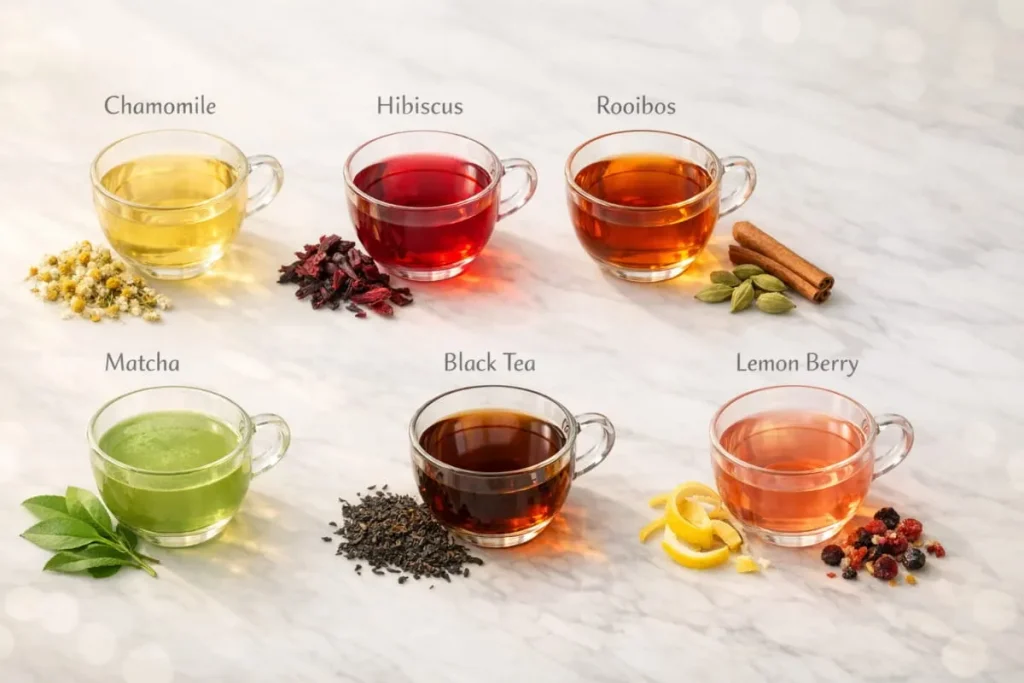
Best Tea for Stress Relief | Calming Loose Leaf Blends
Stress is something everybody carries. It shows up in tight shoulders, restless nights, and a mind that won’t quiet down after a long day. And…

Best Tea for Dry Throat | The Teas That Help and the Ones That Hurt
The best teas for a dry throat are caffeine-free herbal blends, teas with no tannins to strip moisture from the throat lining and no caffeine…
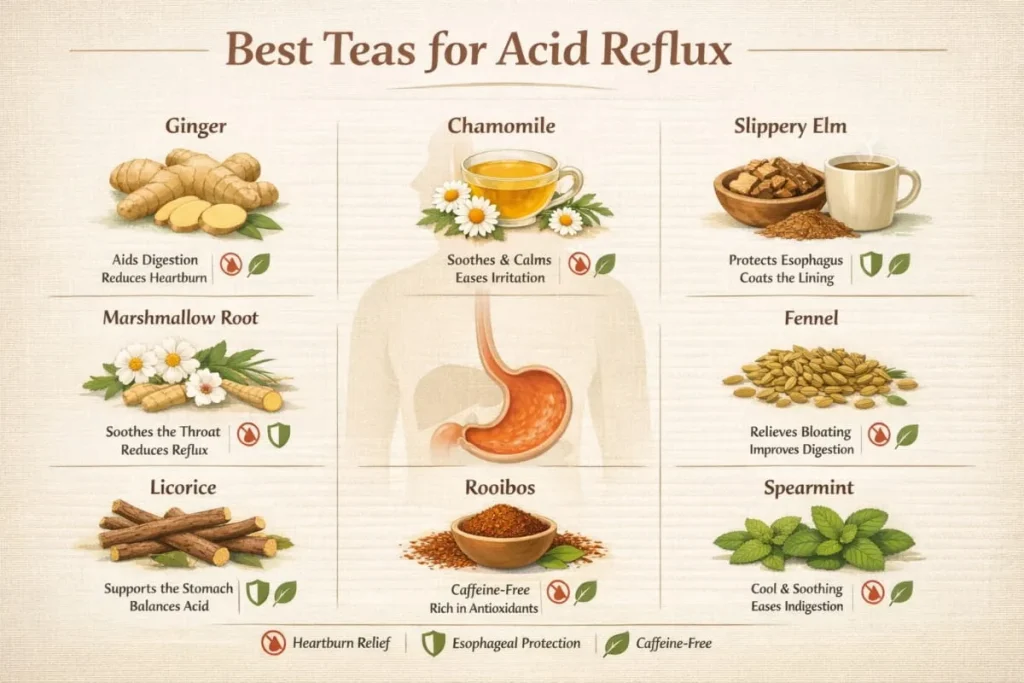
Best Teas for Acid Reflux, Heartburn and GERD
Acid reflux doesn’t just cause heartburn. If you have searched for tea good for acidity, you are asking the same question, acidity and acid reflux…

Best Morning Tea for Energy and Focus Without Coffee Crash
The best tea to drink in the morning is black tea if you want steady, coffee level energy without the crash, rooibos chai if you…

Best Tea for Cough | The Complete Guide to Soothing Relief
The best tea for cough relief is a warm, hydrating blend that soothes irritated throat tissue while easing the reflex that triggers coughing in the…

Best Teas for a Cold That Actually Work
Best teas for a cold combines warmth, hydration and gentle steam to ease congestion, calm a scratchy throat and help your body rest while it…

Best Teas for Inflammation | Guide to Nature’s Most Powerful Anti-Inflammatory Herbs
The best tea for inflammation depends on where and how inflammation is affecting you. For systemic and gut inflammation, rooibos and black tea offer daily…