
Best Tea for Body Aches | What to Drink When You Hurt

When your body aches, the right tea can ease discomfort by supporting circulation, warming muscles from the inside out and calming the nervous system through warmth and hydration. Loose leaf herbal tea, naturally caffeine free and never chemically decaffeinated, is one of the most effective and gentle options for relief during illness, recovery, or fatigue. Body aches are your body distress signal. Whether you are fighting a cold, recovering from a long week, running a fever, or pushing through the kind of exhaustion that settles into your bones, the discomfort is telling you something, slow down, hydrate and give your body what it needs to recover.
Tea has been used as a comfort remedy for countless years, seen in almost every culture worldwide and there is a reason it keeps showing up when people feel their worst. Warmth alone increases blood flow to tense, aching muscles. Hydration from hot liquid helps flush out what your immune system is fighting. And the ritual of sitting with a warm cup has a measurable calming effect on the nervous system, which matters more than most people realize, when your body is under stress from illness or fatigue, your muscles contract, your tension increases and your perception of pain intensifies.
The best tea for body aches is not just something warm and soothing, it is a blend crafted with compounds that actively support your body recovery process. Not all teas are equal in this regard. A chemically decaffeinated tea, for example, strips out beneficial compounds along with the caffeine. A low quality bagged tea offers minimal therapeutic value. Loose leaf tea steeped at the right temperature retains the full profile of what makes it effective, the antioxidants, the warmth delivery capacity, the depth of flavor that makes you actually want to drink enough of it.
This guide covers everything you need to know about choosing the best tea for body aches, including which teas work best for fever and chills, flu related aches, muscle pain, headaches and full body fatigue. If you are reaching for something to drink right now because everything.
Why Tea Helps with Body Aches
Tea helps with body aches because it delivers warmth, hydration and natural plant compounds simultaneously, addressing three of the core drivers of physical discomfort in a single cup. No single remedy does all three as gently or as effectively.

How Warmth and Hydration Affect Muscle Pain
Warmth is one of the oldest and most clinically supported tools for muscle pain relief. When you drink hot tea, the heat absorbed through your digestive system raises your core temperature slightly, which dilates blood vessels and increases circulation to tight, aching muscles. Better blood flow means more oxygen delivery and faster removal of metabolic waste, the byproducts that accumulate in muscle tissue during illness or physical stress and contribute directly to that deep, persistent ache.
Hydration compounds this effect. Dehydration is one of the most underappreciated causes of body aches, particularly during illness. When you have a fever, your body loses fluid rapidly and even mild dehydration causes muscles to cramp, stiffen and fatigue faster. Drinking hot tea keeps fluid intake high while the warmth makes hydration feel actively soothing rather than like a chore. Research consistently shows that people drink significantly more when a beverage is warm and flavorful, which means a cup of tea for muscle recovery is not just comforting, it is a functional hydration strategy.
The Role of Natural Compounds in Soothing Discomfort
Beyond warmth and water, high quality pain relief tea provides a rich supply of antioxidants and polyphenol natural plant compounds that support the body response to physical stress. These compounds work by neutralizing free radicals, which spike during illness, inflammation and physical exhaustion and by supporting the cellular repair processes that allow your body to recover faster.
The difference between a quality loose leaf blend and a mass produced bagged tea is significant here. Loose leaf tea is made from whole or large cut leaves and botanicals, which retain far more of their natural compound profile. Bagged teas are typically made from dust and fannings, the lowest grade remnants of the processing chain, which means less therapeutic value per cup, even when the label promises the same benefits. When your body is already under stress, the quality of what you put in it matters more, not less.
Citrus elements, botanical blossoms and warm spice profiles found in premium loose leaf blends each bring their own contribution to the recovery process, from supporting immune response to easing the kind of full body tension that makes every position uncomfortable when you are sick.
Why Caffeine Free Tea Is the Right Choice When You are Sick
When your body aches, caffeine works against your recovery. It is a vasoconstrictor, meaning it narrows blood vessels, which is the opposite of what aching muscles need. It is also a mild diuretic, increasing fluid loss at exactly the moment your body needs to retain hydration. And it activates your central nervous system, making it harder for the deep rest that drives physical recovery to actually happen.
Naturally caffeine free loose leaf tea, not chemically decaffeinated, but botanically caffeine free from the source, gives you everything that makes tea effective for body aches without any of the compounds that slow your recovery. The distinction between naturally caffeine free and decaffeinated matters, chemical decaffeination processes strip out beneficial antioxidants and polyphenols along with the caffeine, leaving a weaker, nutritionally diminished cup. A naturally caffeine free herbal blend retains its full compound profile while giving your nervous system the rest it needs to let your body fully relax and recover.
When you are sick, achy, or simply exhausted, your body has one job, repair. Give it warm, hydrating, naturally caffeine free loose leaf tea and you are actively supporting that process rather than getting in the way of it.
What Tea Is Good for Body Aches? Here is What to Look For
The best tea for body aches is one that is naturally caffeine free, steeped hot and made from whole leaf botanicals that retain their full compound profile. Format, temperature and quality all determine how much relief you actually get from the cup.

Key Properties to Look for in a Body Ache Tea
Not every tea that claims to soothe discomfort actually delivers. When you are choosing a tea specifically for body aches, three properties separate an effective cup from a forgettable one.
The first is natural caffeine free status. As covered above, caffeine constricts blood vessels and promotes fluid loss, both counterproductive when muscles are tense and your body is already dehydrated from illness or exertion. A tea that is botanically caffeine free, not chemically stripped of it, keeps your vascular system open and your hydration intact.
The second is botanical density. The more whole leaf material and genuine botanical ingredients in your blend, the higher the concentration of antioxidants and polyphenols in your cup. Loose leaf blends that include real citrus peel, dried botanicals and natural spice elements consistently outperform single note teas for full body comfort, because the compound variety is broader and the synergistic effect is stronger.
The third is the steep temperature and time. A tea steeped too cool or too briefly does not fully release its beneficial compounds. For body ache relief, you want a full steep at the recommended temperature, typically between 200°F and 212°F for herbal blends, long enough for the water to carry everything the botanicals have to offer. A ten to twelve minute steep, like the one recommended for Vocal Leaf Lemon Berry Dream, produces a dramatically richer, more therapeutically dense cup than a two minute dip of a bagged tea.
When your throat is also affected alongside your body aches, a common combination during illness, the same tea properties that soothe muscles also support vocal tissue. A warm, naturally caffeine free loose leaf blend is one of the most recommended tea for laryngitis precisely because its benefits are not limited to a single symptom.
Loose Leaf vs Bagged Tea Does It Matter When You are Under the Weather?
It matters more when you are sick than at any other time. Here is why, when you are under the weather, your body ability to absorb and process nutrients is already compromised by the energy demands of fighting illness. The quality of what you consume has a disproportionate impact on how much benefit you actually receive.
Loose leaf tea is made from whole or large cut leaves and botanicals. The surface area exposed during steeping is greater, the essential oils are more intact and the antioxidant concentration per cup is measurably higher. Studies comparing whole leaf and dust grade teas have found antioxidant levels can vary by as much as 50% between formats, a meaningful difference when you sre trying to support recovery rather than just stay warm.
Bagged tea, by contrast, is typically made from fannings and dust, the byproduct of tea processing, not the product itself. It brews fast and looks dark in the cup, which creates an impression of strength. But dark color and therapeutic value are not the same thing. When your body aches and you need genuine support, reaching for a quality loose leaf blend is not a luxury preference, it is the more effective choice.
Hot Tea vs Iced Tea for Body Aches Which Works Better?
For body aches specifically, hot tea outperforms iced tea in the acute phase of discomfort. The warmth is doing functional work, dilating blood vessels, relaxing tense muscle tissue and raising core temperature slightly in a way that directly counteracts the chilled, clammy sensation that comes with fever or exhaustion. You cannot get that effect from a cold drink, regardless of how good the tea is.
That said, iced tea still contributes meaningfully to recovery through hydration. If you have a fever and the thought of drinking something hot feels intolerable, a room temperature or lightly iced version of the same blend still delivers antioxidants and fluids. The therapeutic ceiling is lower, but it is far better than not drinking anything.
The practical answer starts with hot tea when body aches are most intense and transition to a cooled version as your fever breaks and your comfort with temperature returns. Both formats work best when made from the same high quality loose leaf base, the same blend that earns its place as a recovery tool can do double duty as a Tea for Stress Relief once you are on the other side of the worst of it.
The Best Teas for Body Aches, Fever and Chills
The best teas for body aches combine warmth, hydration and botanical compounds that support your body recovery, not just in one symptom area, but across the full picture of how illness and fatigue actually feel. These four Vocal Leaf blends each target a different expression of body ache discomfort, so the right choice depends on what your body is asking for right now.

Lemon Berry Dream For Fever, Chills and Whole Body Fatigue
When fever and body aches arrive together, your body is fighting on two fronts simultaneously, elevated temperature is doing the work of killing pathogens while your muscles bear the cost of that effort in the form of deep, whole body fatigue and chills. What you need in that moment is hydration that actually motivates you to keep drinking, warmth that counteracts the cold sensation and a compound profile rich enough to support what your immune system is already doing.
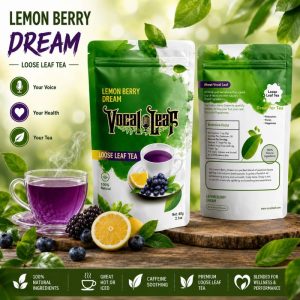
Lemon Berry Dream delivers on all three. Its citrus forward profile, built on freeze dried lemon granules, lemon peel, lemon oil and orange peel, provides a bright, clean flavor that stays appealing even when illness has dulled your appetite and made richer foods or drinks feel overwhelming. Marigold blossoms contribute antioxidant compounds that support cellular recovery, while the naturally sweet base from sweet black honey leaves and candied sugar means you do not need to add anything to make the cup genuinely comforting.
Steep it at 203–212°F for 10–12 minutes. The longer steep at high temperature extracts the full citrus oil profile, which is where most of the functional value lives. This blend works equally well hot or iced, hot when the chills are at their worst, cooled to room temperature as the fever begins to break and your body starts tolerating ambient temperature again.
For fever, chills and whole body fatigue, Lemon Berry Dream is the first cup to reach for.
Organic Rooibos Chai Tea For Deep Muscle Aches and Tension
Deep muscle aches, the kind that make it uncomfortable to lie in any position for too long, respond best to warmth and circulation support delivered together. This is where a warm spice profile does work that a simple herbal blend cannot.
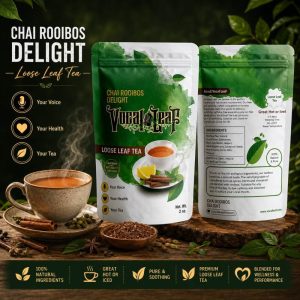
Organic Rooibos Chai Tea is built on a rooibos base, which is one of the most antioxidant dense botanicals available in a naturally caffeine free form. Rooibos contains a unique antioxidant called aspalathin, not found in any other plant, alongside nothofagin and a broad spectrum of polyphenols that support the body response to physical stress. The warm chai spice profile layered over that base promotes circulation, which is the core mechanism for delivering oxygen to tense muscle tissue and removing the metabolic waste that causes that persistent, deep ache.
Crucially, rooibos is naturally caffeine free, not decaffeinated, but caffeine free from the plant itself. That means your blood vessels stay dilated, your hydration stays intact and your nervous system gets to stay calm while your muscles do the work of recovering. No vasoconstriction, no stimulation pulling against the rest your body needs. For deep muscle aches, post illness tension, or the kind of full body soreness that follows a fever breaking, Organic Rooibos Chai is the blend that works hardest in the background while you rest.
Vanilla Bliss For Body Aches with Anxiety or Restlessness
Body aches and anxiety are more connected than most people realize. When you are physically uncomfortable, your nervous system stays in a low grade alert state, which keeps muscles tense, disrupts sleep and creates a feedback loop where the discomfort prevents the rest that would actually resolve it. Breaking that loop requires addressing both the physical and the neurological at once.
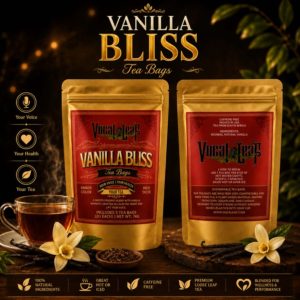
Vanilla Bliss is Vocal Leaf calmest, most enveloping blend, warm, smooth and naturally caffeine free in a way that signals to your nervous system that it is safe to settle. The vanilla profile is not just a flavor choice, warm, sweet aromatic compounds have a well documented calming effect on the limbic system, the part of the brain that governs both emotional regulation and the body physical stress response. When your muscles are aching and your mind would not stop running through how bad you feel, a warm cup of something genuinely soothing is doing real neurological work.
This is the blend for evenings when body aches have made sleep difficult, for the kind of sick day where anxiety about being unwell is compounding the physical discomfort, or for recovery periods where your body is healing but your nervous system has not caught up yet. Naturally caffeine free and never chemically decaffeinated, Vanilla Bliss would not interfere with the sleep that is, ultimately, the most powerful recovery tool you have. For body aches paired with restlessness, worry, or disrupted sleep, this is the cup.
Organic Loose Leaf Black Tea For Body Aches When You Still Need to Function
Not every experience of body aches means you are fully down. Sometimes the ache is moderate, the kind that comes from a long travel day, the early stages of a cold, or the cumulative fatigue of a demanding week and you still have things that need to get done. In those cases, a fully caffeine free blend may not be what your situation calls for.
Organic Loose Leaf Black Tea is Vocal Leaf only caffeinated blend and it earns its place on this list specifically for those in between state. Black tea contains both caffeine and L theanine, an amino acid that moderates the stimulating effect of caffeine, producing alertness without the spike and crash pattern of coffee or energy drinks. The result is a calm, sustained focus that lets you function without amplifying the nervous system tension that makes body aches feel worse.
The antioxidant content of high quality loose leaf black tea is also significant. Research shows that black tea polyphenols support the body inflammatory response and the theaflavins unique to black tea have been studied specifically for their role in helping immune function during periods of physical stress. Steeped properly, whole leaf, full temperature, adequate time, a quality loose leaf black tea delivers measurably more of these compounds than any bagged equivalent.
This is the blend for mornings when you ache but cannot afford to stop, for the tail end of illness when you are mostly recovered but still dragging, or for the kind of body fatigue that needs a gentle lift rather than full rest. Use it strategically, not as a substitute for the rest your body still needs, but know that on the days when function and recovery have to coexist, Organic Loose Leaf Black Tea is built for exactly that balance.
Tea for Body Aches and Fever What to Drink First
When body aches and fever arrive together, tea is one of the most effective first responses, not because it reduces fever directly, but because it addresses the three things fever most aggressively depletes, hydration, warmth tolerance and the body ability to sustain the immune effort required to fight what is causing it.

Should You Drink Tea When You Have a Fever?
Yes and for most people experiencing a fever with body aches, tea is one of the best things they can reach for. The hesitation some people have comes from a misunderstanding of what fever actually needs. A fever is not a malfunction, it is your immune system deliberately raising your core temperature to create an environment hostile to pathogens. Supporting that process means keeping your body hydrated, your temperature stable and your energy reserves as intact as possible. Tea does all three.
The warmth of a hot cup helps your body maintain the elevated temperature your immune system is working hard to sustain, without the energy cost of generating that heat entirely from within. The fluid replenishes what fever sweats away and fever can increase fluid loss by as much as half a liter per hour in moderate cases, a deficit that compounds muscle aches, headaches and fatigue rapidly if not addressed. And a naturally caffeine free loose leaf blend does this without the vasoconstrictive and diuretic effects of caffeinated drinks that would work directly against your recovery.
The one exception worth noting, if your fever is very high or accompanied by symptoms beyond general body aches and chills, tea is a comfort measure, not a medical treatment. Drink it alongside whatever care your situation requires, not instead of it.
Best Tea for Fever and Chills Together
Fever and chills together create one of the most uncomfortable combinations illness produces. Your body temperature is elevated, but you feel cold, which means warmth from outside is doing double duty. It soothes the chilled sensation on the surface while supporting the elevated temperature environment your immune system needs internally.
For this specific combination, Lemon Berry Dream is the strongest choice in the Vocal Leaf lineup. Its citrus profile, lemon peel, orange peel, freeze dried lemon granules, makes it one of the most hydration motivating blends to drink when appetite and thirst are both suppressed by illness. Marigold blossoms contribute antioxidant compounds that support immune response at the cellular level. The naturally sweet base means it needs nothing added to be palatable, which matters when illness has made even small efforts feel significant.
Steep it at full temperature, 203 to 212°F, for the complete 10 to 12 minutes. At this steep time and temperature, the citrus oils and botanical compounds are fully extracted, producing a cup that delivers everything the blend has to offer rather than a diluted version of it. Drink it hot when chills are present, allow it to cool slightly as your fever stabilizes and your body begins tolerating ambient temperature more comfortably again.
If cough accompanies your fever and body aches, which is common during respiratory illness, the same warm, naturally caffeine free loose leaf approach that works for fever also provides meaningful throat support. A quality tea for cough and fever together addresses the full symptom picture rather than treating each discomfort in isolation.
How Much Tea Should You Drink When Sick?
The general guidance for fluid intake during illness is higher than most people follow in practice. Adults are typically advised to consume between eight and twelve cups of fluid daily when healthy, during fever or active illness, that baseline rises, particularly as fever increases perspiration and respiration rates.
Three to four cups of hot loose leaf tea spread across the day is a practical and effective target when you are sick with fever and body aches. This spacing matters as much as the total volume, drinking at regular intervals, every two to three hours rather than all at once, maintains a more consistent state of hydration than large, infrequent amounts and keeps the warming and antioxidant effects sustained rather than concentrated in a single window.
The most useful rhythm when fever and body aches are both present, one cup upon waking, when overnight fluid loss from fever sweating has already created a deficit, one mid morning as symptoms typically peak, one in the early afternoon to bridge the energy low that hits hardest in recovery and one in the evening, caffeine free, to support the deep sleep that does more restorative work than any remedy available. Naturally caffeine free blends like Lemon Berry Dream, Organic Rooibos Chai and Vanilla Bliss all work at any point in this rhythm without disrupting the sleep your body needs most.
If drinking hot liquid feels difficult, common when fever is high and nausea is present alongside body aches, allow the steeped tea to cool to a comfortable temperature before drinking. The hydration benefit remains fully intact and even slightly cooled tea continues to deliver its antioxidant and botanical compound profile. What matters most is consistent intake, not a specific temperature threshold.
Tea for Body Aches from Cold, Flu and Sickness
When body aches are caused by a cold, flu, or active illness, tea does more than provide comfort, it directly supports the physiological processes your body is running in the background to fight the infection, clear the congestion and repair the muscle tissue that bears the cost of that immune effort.

Hot Tea for Colds and Body Aches How It Helps
A cold produces body aches through a specific mechanism, your immune system releases signaling proteins called cytokines to coordinate the fight against the virus and those cytokines cause inflammation in muscle tissue as a side effect of activating your body defenses. The aching you feel is not the cold itself, it is your immune system doing its job and the discomfort scales with how hard that job is.
Hot tea addresses this from multiple angles at once. The steam from a hot cup helps open congested nasal passages, improving airflow and reducing the sinus pressure that compounds headaches and facial pain during a cold. The warmth promotes circulation, which helps carry immune cells more efficiently to where they are needed. The fluid replenishes what runny noses, elevated breathing rates and low grade fever steadily strip away. And the act of drinking something warm and genuinely pleasant activates the parasympathetic nervous system, the branch responsible for rest and repair, in a way that measurably reduces the perception of pain and discomfort.
A 2008 study published in Rhinology found that hot drinks provided immediate and sustained relief from cold symptoms including runny nose, cough, sneezing, sore throat, chilliness and fatigue, with effects that significantly exceeded those of the same drink consumed at room temperature. Warmth is not a placebo. It is a delivery mechanism.
For cold related body aches specifically, the most effective tea for a cold is one that combines a citrus forward botanical profile with natural caffeine free status and a full steep at high temperature, exactly the combination that makes Lemon Berry Dream the right first choice when a cold is what is driving the ache.
Tea for the Flu Body Aches, Headaches and Sickness Together
The flu produces a more intense version of everything a cold causes, deeper muscle aches, higher fever, more severe headaches and a level of full body exhaustion that makes even small movements feel costly. The immune response is more aggressive, the cytokine release is heavier and the fluid loss from fever is faster. Every mechanism that makes tea effective for cold related body aches applies to the flu, just with more urgency.
What changes with flu level body aches is the priority order. Hydration becomes the most critical variable, because flu related fever and sweating can deplete fluid reserves faster than the mild dehydration of a standard cold. Headaches that accompany flu body aches are frequently dehydration headaches as much as cytokine headaches, meaning that consistent tea intake directly reduces their intensity by addressing the fluid deficit driving them.
Organic Rooibos Chai is particularly well suited to flu related body aches because its antioxidant density is among the highest of any naturally caffeine free botanical blend. The warm spice profile promotes circulation, important when flu aches are concentrated in large muscle groups like the back, legs and shoulders. And its naturally caffeine free base means you can drink it at any hour without disrupting the deep, restorative sleep that is genuinely the most powerful antiviral tool your body has available.
For a complete guide to managing the full symptom picture, fever, aches, fatigue and sickness together, the best tea for flu recovery covers everything you need to know about building an effective tea routine when the flu hits hardest.
What to Add to Your Tea When You are Sick Rock Sugar, Lemon Peel, Citrus
What you add to your tea when you are sick matters more than most people consider. The wrong additions, refined white sugar in large quantities, dairy, or artificial sweeteners, can work against recovery by suppressing immune function, thickening mucus, or simply adding digestive load your body does not need right now. The right additions amplify what your tea is already doing.
Rock sugar is the best sweetener to reach for when you are sick and your tea needs a little something. Unlike refined white sugar, rock sugar is minimally processed and dissolves slowly, which means it adds gentle sweetness without the sharp glycemic spike that can temporarily suppress white blood cell activity, a documented effect of high dose refined sugar consumption. It is also easier on a raw or irritated throat than the acidic edge that honey can sometimes carry. Lemon Berry Dream already contains candied sugar within its blend, which functions similarly, with a subtle, natural sweetness that makes the cup more drinkable without undermining what your immune system is doing.
Lemon peel and citrus elements are the other additions worth reaching for. Fresh lemon peel steeped alongside your tea introduces additional citrus oils and vitamin C into the cup, amplifying the citrus profile already present in Lemon Berry Dream and adding a brightness that keeps the tea appealing even when illness has dulled your palate. Orange peel works in the same way and because Lemon Berry Dream already contains both lemon peel and orange peel as core ingredients, you are building on a botanical base that was designed for exactly this kind of enhancement.
What to avoid, milk or cream of any kind, which coats the throat and can reduce the bioavailability of the antioxidant compounds your tea is trying to deliver. Large amounts of refined sugar, for the immune suppression reason above. And anything carbonated or acidic enough to irritate already inflamed throat tissue. When you are sick with body aches and sickness together, the cup should be as clean and botanically rich as possible, warm, naturally sweet, citrus forward and steeped long enough to carry everything it has to offer.
How to Brew Tea for Maximum Relief When Your Body Aches
How you brew your tea when you are experiencing body aches matters as much as which tea you choose. The right temperature, steep time and drinking rhythm determine how much of the botanical value actually makes it into your cup and into your recovery.
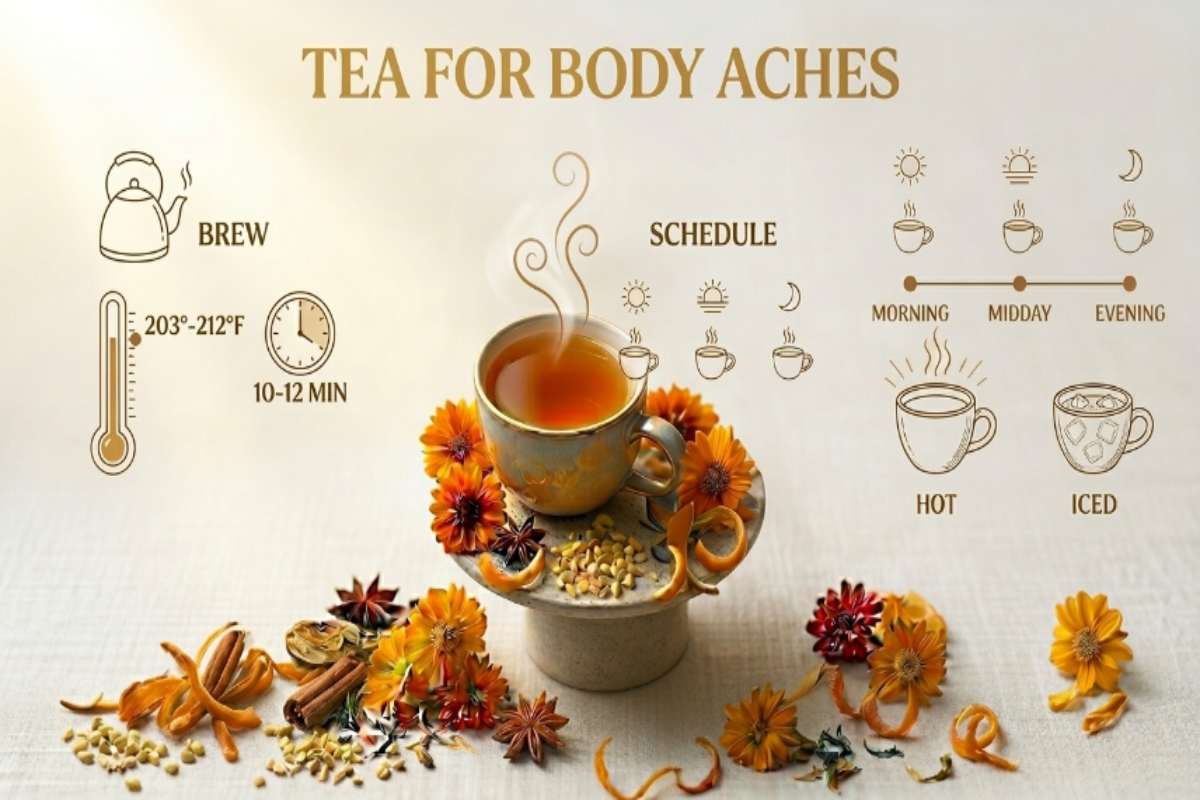
Temperature and Steep Time Why It Matters When You are Sick
Most people understeep their tea. It is understandable, when you are sick and achy, waiting ten minutes for a cup feels like a long time. But cutting the steep short is the single most common way to reduce the therapeutic value of a quality loose leaf blend and it is especially counterproductive when your body actually needs what the tea has to offer.
Here is what is happening during a proper steep, water temperature determines which compounds are extracted and how efficiently. Too cool and the water does not have the energy to pull the full antioxidant and polyphenol profile from the botanical material. Too hot, a rolling boil holds too long and you risk degrading delicate aromatic compounds that contribute both to flavor and to the calming effect of the steam. The ideal window for herbal loose leaf blends is 203 to 212°F, just at or slightly below a full boil, maintained through a covered steep that traps heat and aromatic compounds in the cup rather than letting them escape into the air.
Steep time completes the equation. Vocal Leaf Lemon Berry Dream, for example, is designed for a 10 to 12 minute steep at that temperature range. At the 10 minute mark, the citrus oils from the lemon peel, orange peel and freeze dried lemon granules are fully released into the water. The marigold blossoms have had enough contact time to contribute their antioxidant compounds. The naturally sweet base has dissolved evenly, which means the cup is balanced in flavor and does not require anything added. A two minute steep of the same blend produces a fraction of that profile, lighter in color, thinner in flavor and meaningfully lower in the botanical compounds you are drinking it for.
Research on polyphenol extraction from botanical teas consistently shows that steep time has a dose dependent relationship with antioxidant concentration,longer steeps within the recommended window produce higher compound yields. When you are sick and your body is working hard, that difference is worth the wait. Cover your cup while it steeps, use water at the right temperature and let the blend do what it was designed to do.
How to Drink Tea for Body Aches Throughout the Day
Timing and consistency matter as much as the quality of what you are brewing. A single excellent cup of tea provides a short window of warmth, hydration and botanical support. A well spaced routine of three to four cups throughout the day maintains those effects continuously, which is what your body needs when it is fighting illness or recovering from physical stress.
The most effective daily rhythm when body aches are present runs like this. First cup in the morning, within thirty minutes of waking, this addresses the overnight fluid deficit that fever sweating and elevated respiration create during sleep and it sets the tone for hydration before the day demands begin. A citrus forward blend like Lemon Berry Dream works best here, its bright profile is more tolerable on an early stomach than something heavier and the hydration motivation it creates is highest when you need it most.
Second cup mid morning, as symptoms typically intensify with activity and the morning initial warmth begins to wear off. Third cup in the early afternoon, which bridges the energy and comfort low that hits hardest during the post noon window when both body temperature and mood naturally dip. For the afternoon cup, Organic Rooibos Chai supports the circulation and muscle tension relief that deep aches most need during the hours when you are most likely to be upright and moving.
Evening is the most important window for a naturally caffeine free blend, Vanilla Bliss or Lemon Berry Dream rather than anything caffeinated. The goal at this point in the day is to prepare your nervous system for the deep sleep that does more restorative work than any remedy available. If your situation calls for a caffeinated option earlier in the day, the mild body aches of a functioning sick day rather than a full rest day, Vocal Leaf Organic Loose Leaf Black Tea is the right choice for morning and mid morning cups only, with the transition to caffeine free blends by early afternoon to protect sleep quality.
The overarching principle, consistency beats intensity. Four moderate cups spaced across the day outperform two large cups consumed close together, because hydration and botanical support are most effective when they are maintained rather than delivered in bursts.
Should You Drink Tea Hot or Iced for Body Aches?
For active body aches, particularly those accompanied by fever, chills, or the deep muscle fatigue of illness, hot tea is unambiguously the better choice. The warmth is doing physiological work that a cold drink cannot replicate, dilating blood vessels, raising core temperature, relaxing tense muscle tissue and opening congested airways through steam. These are not incidental benefits. They are direct, mechanism driven responses to heat that make a meaningful difference in how much relief a cup of tea provides.
Iced tea still has a role in a body ache recovery context, but it is a secondary one. Its primary contribution is hydration and hydration is valuable enough that if hot tea feels genuinely intolerable during high fever or nausea, a room temperature or lightly cooled version of the same blend is far better than drinking nothing. The antioxidant and polyphenol profile of the tea is preserved regardless of the serving temperature, only the warmth dependent benefits are reduced.
The practical guidance, default to hot during the acute phase of body aches, illness, or fever. Allow the cup to cool naturally rather than rushing it if a very hot liquid feels uncomfortable, a tea steeped at 210°F and allowed to rest for five minutes will settle to a more drinkable temperature while retaining most of its heat delivery capacity. Transition to room temperature or lightly iced versions of the same blend as recovery progresses and your body temperature tolerance returns to normal. The blend does not change, the serving temperature adapts to where you are in the recovery arc.
One practical note on iced preparation when you are sick, cold steeping which produces a naturally sweeter, lower compound extraction, is not the right method during illness. If you need cooled tea, brew it hot at the full temperature and steep time, then allow it to cool. This preserves the full compound extraction that hot brewing produces, giving you the hydration benefit of a cooler drink without sacrificing the botanical value that makes the tea worth drinking in the first place.
The Vocal Leaf Difference Naturally Caffeine Free, Never Chemically Decaffeinated
Vocal Leaf is the only tea brand built exclusively for voice professionals and the people who depend on their bodies to perform and that specificity shows up in every decision made about what goes into each blend, starting with the most fundamental one, natural caffeine free status, achieved through botanical selection rather than chemical processing.

The distinction matters more than most tea drinkers realize. When a tea is labeled decaffeinated, it has undergone a chemical or solvent based process to strip caffeine from leaves that originally contained it. That process is not surgical. It removes caffeine, but it also degrades or eliminates a significant portion of the antioxidants, polyphenols and volatile aromatic compounds that make tea therapeutically valuable in the first place. A decaffeinated tea and a naturally caffeine free tea can look identical in the cup, same color, similar flavor, but their compound profiles are not the same and what your body receives from each is not the same.
Vocal Leaf caffeine free blends are botanically caffeine free from the source. The plants and botanicals used to build these blends never contained caffeine to begin with, which means nothing has been stripped, nothing has been processed out and nothing has been lost. What is in the cup is the full, intact botanical profile of every ingredient at its natural best. For body aches, illness recovery and any situation where your body is under stress and needs genuine support, that difference is not cosmetic. That is the entire point.
The caffeine free loose leaf tea category at Vocal Leaf includes three of the four blends in the lineup, Lemon Berry Dream, Organic Rooibos Chai and Vanilla Bliss, each designed to deliver maximum botanical value without the vasoconstrictive, diuretic, or sleep disrupting effects of caffeine. Organic Loose Leaf Black Tea completes the range for situations where moderate, L theanine moderated caffeine is the right call, the only caffeinated option in a lineup otherwise built entirely around natural, chemical free botanical wellness.
Every blend is made from whole leaf and whole botanical ingredients steeped at temperatures and times that extract the full compound profile rather than a diluted version of it. No artificial flavoring beyond what is declared. No chemical processing. No shortcuts that trade therapeutic value for manufacturing convenience.
When your body aches, when your voice is strained, when you are sick and looking for something that will genuinely support your recovery rather than just warm your hands, what is in your cup should be exactly what it claims to be. At Vocal Leaf, that is not a marketing position. It is the only way we make tea.
Conclusion
Your body aches for a reason and the best tea for body aches answers that call directly. Warmth dilates blood vessels and eases tense muscles. Hydration replaces what fever and illness strip away. Naturally caffeine free botanicals support the immune and recovery processes already running in the background. Choose Lemon Berry Dream for fever and chills, Organic Rooibos Chai for deep muscle tension, Vanilla Bliss for restlessness and disrupted sleep, or Organic Loose Leaf Black Tea for the days when function and recovery have to coexist. Every blend at Vocal Leaf is made from whole botanicals, naturally caffeine free and never chemically decaffeinated, because when your body is working its hardest, what is in your cup should be worth every sip. Brew it hot, steep it fully and let the tea do its part.
Frequently Asked Questions (FAQs)
What tea is good for body aches?
The best tea for body aches is a naturally caffeine free loose leaf blend steeped hot at full temperature. Vocal Leaf Lemon Berry Dream is the strongest first choice, its citrusforward botanical profile supports hydration and immune response simultaneously, addressing the core drivers of whole body ache directly.
Is herbal tea good for body aches and fever?
Yes, herbal tea is one of the most effective comfort remedies for body aches and fever because it delivers warmth, hydration and antioxidant compounds in a single cup. Naturally caffeine free herbal blends are particularly well suited because they support recovery without the vasoconstrictive or diuretic effects that caffeine introduces when your body is already depleted.
Can hot tea help with body aches and chills?
Hot tea is one of the best responses to body aches and chills together. The warmth counteracts the cold sensation on the surface while supporting the elevated core temperature your immune system needs internally. A 2008 study in Rhinology confirmed that hot drinks provide immediate, sustained relief from chilliness and body discomfort that room temperature drinks cannot replicate.
What tea should I drink for body aches from the flu?
For flu related body aches, Organic Rooibos Chai is the strongest choice, its rooibos base delivers one of the highest antioxidant concentrations of any naturally caffeine free botanical and its warm spice profile promotes circulation to the large muscle groups where flu aches hit hardest. Lemon Berry Dream works equally well for the fever and chills component of flu symptoms.
What is the best tea for headaches and body aches?
The best tea for headaches and body aches together is one that prioritizes hydration above everything else, since dehydration is a primary driver of both symptoms during illness. Lemon Berry Dream, with its citrus forward profile and natural sweetness, is the most hydration motivating blend in the Vocal Leaf lineup, making it easier to maintain consistent fluid intake when appetite and thirst are suppressed.
How often should I drink tea when I have body aches?
Three to four cups spaced every two to three hours throughout the day is the most effective rhythm for body ache relief. Consistency matters more than volume, regular intake maintains hydration, warmth and botanical support continuously, which outperforms drinking large amounts infrequently and produces more sustained relief across the full day of recovery.
Is caffeine free tea better for body aches than regular tea?
Yes, naturally caffeine free tea is the better choice for body aches in most situations. Caffeine constricts blood vessels, increases fluid loss and activates the nervous system, all of which work against the circulation, hydration and rest your body needs to recover.
Top Selling Products




Best Tea for Singers | What Actually Helps Your Voice
If you sing, whether you perform professionally, teach voice lessons, or spend your weekends in rehearsal, you’ve probably wondered whether tea actually does anything useful…

Best Tea for Vocal Cords | Herbs, Hydration and Recovery
If your voice feels tired, strained, or dry, the right tea for your vocal cords can make a real difference, not by healing damaged tissue,…
Best Tea for Laryngitis | Soothe Your Voice Naturally
The best tea for laryngitis is a warm, caffeine free loose leaf blend that hydrates the throat and eases the strain on inflamed vocal cords.…

What Is Chai Tea? The Ultimate Guide to Ingredients, Benefits, Types & How It’s Made
If you’ve ever wondered what chai tea is, you’re not alone. It’s one of the most searched beverage questions online, yet the answer is often…

Best Tea for Your Voice | Does It Make You Sound Deeper
What it can do is change how your voice feels and sounds in the moment, which is where most of the confusion starts. If you…

The Best Tea for Performers & Speakers, And Why Your Voice Deserves Better
You spend hours rehearsing the words. You perfect the tone, the breath, the timing. But then you reach for whatever is nearby, a cup of…
Best Tea for Stress Relief | Calming Loose Leaf Blends
Stress is something everybody carries. It shows up in tight shoulders, restless nights, and a mind that won’t quiet down after a long day. And…

Best Tea for Dry Throat | The Teas That Help and the Ones That Hurt
The best teas for a dry throat are caffeine-free herbal blends, teas with no tannins to strip moisture from the throat lining and no caffeine…

Best Teas for Acid Reflux, Heartburn and GERD
Acid reflux doesn’t just cause heartburn. If you have searched for tea good for acidity, you are asking the same question, acidity and acid reflux…

Best Morning Tea for Energy and Focus Without Coffee Crash
The best tea to drink in the morning is black tea if you want steady, coffee level energy without the crash, rooibos chai if you…

Best Tea for Cough | The Complete Guide to Soothing Relief
The best tea for cough relief is a warm, hydrating blend that soothes irritated throat tissue while easing the reflex that triggers coughing in the…

Best Teas for a Cold That Actually Work
Best teas for a cold combines warmth, hydration and gentle steam to ease congestion, calm a scratchy throat and help your body rest while it…