
Best Tea for Flu | What to Drink When You are Sick

When you have the flu, the best tea to drink is a hot, loose leaf herbal or black tea, something warm enough to ease throat irritation, hydrate inflamed tissue and give your body the recovery environment it needs. The heat matters. The ingredients matter. And if your voice and throat have taken a hit, what you steep makes all the difference.
Tea has been a go to flu remedy for centuries and modern research backs up why it works. A 2021 review published in Nutrients found that polyphenols in tea, particularly theaflavins in black tea, demonstrate meaningful antioxidant and anti inflammatory activity that may support immune response during respiratory illness. That is not folk wisdom. That is biochemistry in a cup.
But not every tea earns its place on the sick day shelf. Generic blends loaded with artificial flavoring, chemically decaffeinated leaves, or herbs that trigger mucus production can make symptoms worse, not better. What your body needs when it is fighting the flu is clean, soothing hydration with functional ingredients, steeped properly, served hot and gentle enough to drink repeatedly throughout the day.
That is exactly what herbal teas are built for. Every blend is naturally caffeine free or low caffeine, never chemically decaffeinated and formulated specifically to support the throat and vocal tissue that flu hits hardest. Whether you are three days into body aches and a raw throat, or managing a stomach flu that will not quit, there is a right tea for where you are right now and this guide will help you find it.
Why Tea Works When You Have the Flu
Tea works when you have the flu because it delivers three things your body desperately needs at once, heat, hydration and bioactive compounds that support recovery. No other beverage does all three simultaneously, which is why reaching for a well steeped cup is one of the most effective things you can do when symptoms hit.

Hot Tea vs Cold Drinks When You are Sick
Cold drinks feel instinctively wrong when you have the flu and that instinct is correct. Cold liquids cause the blood vessels in your throat and nasal passages to constrict, slowing circulation to tissue that is already inflamed and fighting hard. Sports drinks, cold juice and iced beverages also tend to be high in sugar, which research has linked to temporary suppression of white blood cell activity, the last thing you need when your immune system is already under strain.
Hot tea does the opposite. It dilates blood vessels, increases circulation to inflamed tissue and creates an internal environment that supports rather than stresses your recovery. For anyone whose flu has settled in the throat, leaving that raw, stripped feeling that makes swallowing painful, the difference between a hot cup and a cold drink is subtle. It is immediate.
How Warmth and Steam Help Flu Symptoms
The steam rising from a hot cup of loose leaf tea is doing real work. Inhaling warm vapor helps loosen mucus in nasal passages, reduces the swollen feeling in the sinuses and delivers temporary but meaningful relief to congestion that makes breathing uncomfortable. It is one reason why drinking tea slowly, with your face close to the cup, tends to feel more effective than drinking it quickly.
Warmth also has a direct effect on the throat itself. The larynx and surrounding tissue respond well to gentle, sustained heat. When flu causes the vocal folds to swell and the throat to tighten, a slow, steady stream of hot tea acts like a compress from the inside, reducing discomfort without any of the drying effects that over the counter throat sprays can cause with repeated use.
Hydration Is the Real Hero Why Tea Beats Water
Hydration is the single most important thing you can do when you have the flu and tea is simply a better vehicle for it than plain water. That is not a marketing claim, it is physiology. A study published in the European Journal of Clinical Nutrition found that tea is at minimum as hydrating as water and that its mild diuretic reputation is a myth when consumed in normal quantities.
What tea adds that water cannot is functional depth. The polyphenols in black tea and the naturally occurring compounds in herbal blends support the mucous membranes lining your throat and respiratory tract , the exact tissue flu attacks most aggressively. Keeping those membranes moist and supported is not just about comfort. It is about giving your body the environment it needs to repair. Plain water hydrates. Tea hydrates and works.
The Best Teas for Flu Symptoms What to Reach For First
The best teas for flu symptoms are ones that combine genuine hydration with functional ingredients, not artificial flavoring, not chemically processed leaves and not blends that irritate the throat they are supposed to soothe. Vocal Leaf four core blends were built with exactly this in mind, each one supports the throat and vocal tissue that flu targets hardest and each one earns its place at a different stage of recovery.

Black Tea for Flu Antioxidants and L Theanine for Immune Recovery
Black tea is one of the most evidence backed teas you can drink when you have the flu. Its theaflavins and thearubigins, the polyphenols formed during oxidation, have demonstrated meaningful antioxidant activity in peer reviewed research and its naturally occurring L theanine supports calm, focused recovery without the jittery edge of coffee or heavily caffeinated alternatives. For anyone fighting the flu who still needs to function, that balance matters.
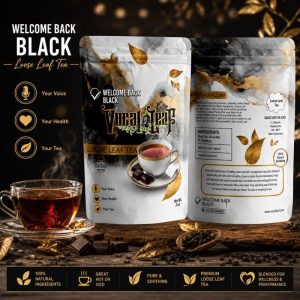
Organic Loose Leaf Black Tea brings all of that in a clean, single origin steep. No artificial additives, no chemical decaffeination, just a full bodied black tea that delivers antioxidant support, gentle caffeine for energy without overstimulation and the sustained warmth your throat needs through the worst days of a flu. If you are asking whether black tea is good for flu, the answer is yes and loose leaf gives you meaningfully more of what makes it work than a bagged alternative.
Rooibos Chai Tea Naturally Caffeine Free Support for Flu Recovery
When your body is fighting the flu and sleep is the priority, caffeine becomes the enemy. Rooibos is one of the few naturally caffeine free bases that delivers genuine therapeutic depth, it is rich in aspalathin and nothofagin, antioxidants unique to the rooibos plant that support cellular recovery without any stimulant interference. That makes it one of the best herbal teas for flu, particularly in the evening or when symptoms are at their most draining.
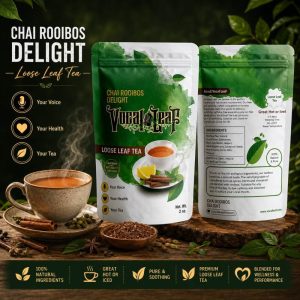
Vocal Leaf Organic Rooibos Chai Tea layers that rooibos base with warming chai inspired botanicals that feel exactly right when you are sick and cold and need something that works from the inside out. Crucially, it is naturally caffeine free, not chemically decaffeinated, which means nothing interferes with the deep, restorative sleep your immune system depends on to do its job. This is the blend to reach for after sundown, or any time you need recovery without stimulation.
Lemon Berry Dream Citrus and Soothing Botanicals When You Need Both
Lemon and citrus have been paired with illness recovery for good reason. Vitamin C adjacent compounds in citrus peel support immune function, the bright acidity cuts through the flat, stale feeling that flu brings to your palate and the warmth of a citrus forward steep does immediate work on a raw, tight throat. It is one of the most instinctively satisfying teas to drink when you are sick and when it is done well, it is genuinely effective.
Lemon Berry Dream is Vocal Leaf answer to the lemon tea for flu question and it goes well beyond a simple lemon blend. Steeped at 203–212°F for 10–12 minutes, it opens into a layered cup of citrus, vanilla and blackberry notes built on a base that includes lemon peel, orange peel, freeze dried lemon granules and marigold blossoms. The result is a tea that tastes like a remedy should, bright, warming and deeply soothing on contact with inflamed throat tissue. It serves hot or iced, which makes it useful at every stage of flu recovery.
Vanilla Bliss Comfort and Calm for Rest and Recovery
Not every flu tea needs to be functional in an aggressive sense. Sometimes what the body needs most is warmth, calm and the kind of sensory comfort that makes rest actually possible. Sleep is when immune repair accelerates and anything that helps you settle, slow down and stay in bed longer is doing real recovery work, even if it does not announce itself with a list of antioxidant compounds.
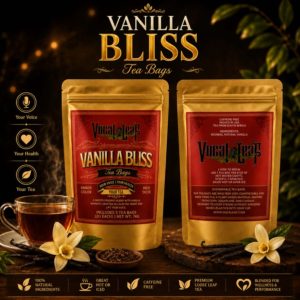
Vanilla Bliss is that tea. Smooth, naturally caffeine free and built around a soft vanilla profile that feels genuinely comforting rather than medicinal, it is the blend to reach for when the acute phase of flu passes and what you need most is rest and gentle hydration. It is also the quietest option for a stomach that is still unsettled, warm, non acidic and easy on a system that been through it. Recovery is not always dramatic. Sometimes it is a quiet cup and an early night and Vanilla Bliss is made for exactly that.
Tea for the Flu and Cold Is There a Difference?
For most tea purposes, the distinction between a cold and the flu matters less than you would think. Both attack the same tissue, produce overlapping symptoms and respond to the same core recovery strategy, consistent hydration, throat support and warmth delivered repeatedly throughout the day. Where the difference shows up is in intensity and that is where your tea choice can be tuned more precisely.
Shared Symptoms, Shared Remedies
Cold and flu share enough symptoms that even clinicians sometimes cannot distinguish them without a test. Sore throat, congestion, fatigue, body aches and that raw, inflamed feeling in the upper respiratory tract appear in both, which is why the remedies that work for one tend to work for the other. Hot tea sits at the center of both recovery protocols for the same reasons: it hydrates mucous membranes, delivers warmth directly to irritated throat tissue and provides the kind of sustained, gentle support that neither a pill nor a cold drink can replicate.
The best tea for cold overlaps almost entirely with the teas that work for flu. A clean loose leaf black tea for antioxidant support. A naturally caffeine free herbal blend for evening recovery. A citrus forward steep for the throat and sinuses. The shared symptom profile means a shared solution and stocking the right blends before illness hits means you are covered regardless of which one finds you first.
When It is a Cold vs Flu What Your Tea Choice Should Prioritize
The practical difference between cold and flu comes down to severity and pace. A cold builds gradually and settles mostly in the nose and throat. The flu arrives fast, hits harder and tends to bring systemic symptoms, fever, body aches and the kind of exhaustion that makes getting off the couch feel genuinely difficult. That difference in intensity should inform your tea strategy.
With a cold, your tea priority is throat comfort and congestion relief, something warm, citrus forward and easy to sip throughout the day. With the flu, rest becomes the dominant variable. That means caffeine management matters more, reaching for naturally caffeine free blends in the afternoon and evening so that sleep, the period when immune repair actually accelerates, is not compromised. It also means leaning into hot tea served at a proper temperature rather than letting cups go lukewarm, since the sustained warmth is doing active work on inflamed laryngeal tissue every time you drink.
Best Hot Tea for Cold and Flu Together
When symptoms from both cold and flu are present or when you simply do not know which one you are dealing with, the best approach is to prioritize blends that work across the full symptom spectrum rather than targeting one issue narrowly. That means a tea with genuine throat soothing depth, enough warmth to address congestion and sinus pressure and a naturally clean ingredient profile that wo not add unnecessary stress to a body already working hard.
Adding rock sugar to your steep is worth considering here. Unlike refined white sugar, rock sugar dissolves slowly, adds a clean sweetness without sharpness and has a long history of use in traditional cold and flu tea preparations for good reason, it does not create the coating sensation that honey can leave on inflamed tissue and it makes medicinal tasting blends genuinely pleasant to drink repeatedly. When you are sick enough that getting fluids down feels like an effort, anything that makes the next cup more appealing is doing recovery work too.
Best Flu A Different Kind of Sick
The best tea for stomach flu is warm, gentle, naturally caffeine free and as low in acidity as possible, because the stomach flu is not a throat or respiratory illness and what soothes flu symptoms can actively irritate a digestive system that is already in crisis. The approach here is different and getting it right matters more than most people realize when they are reaching for whatever in the cabinet.
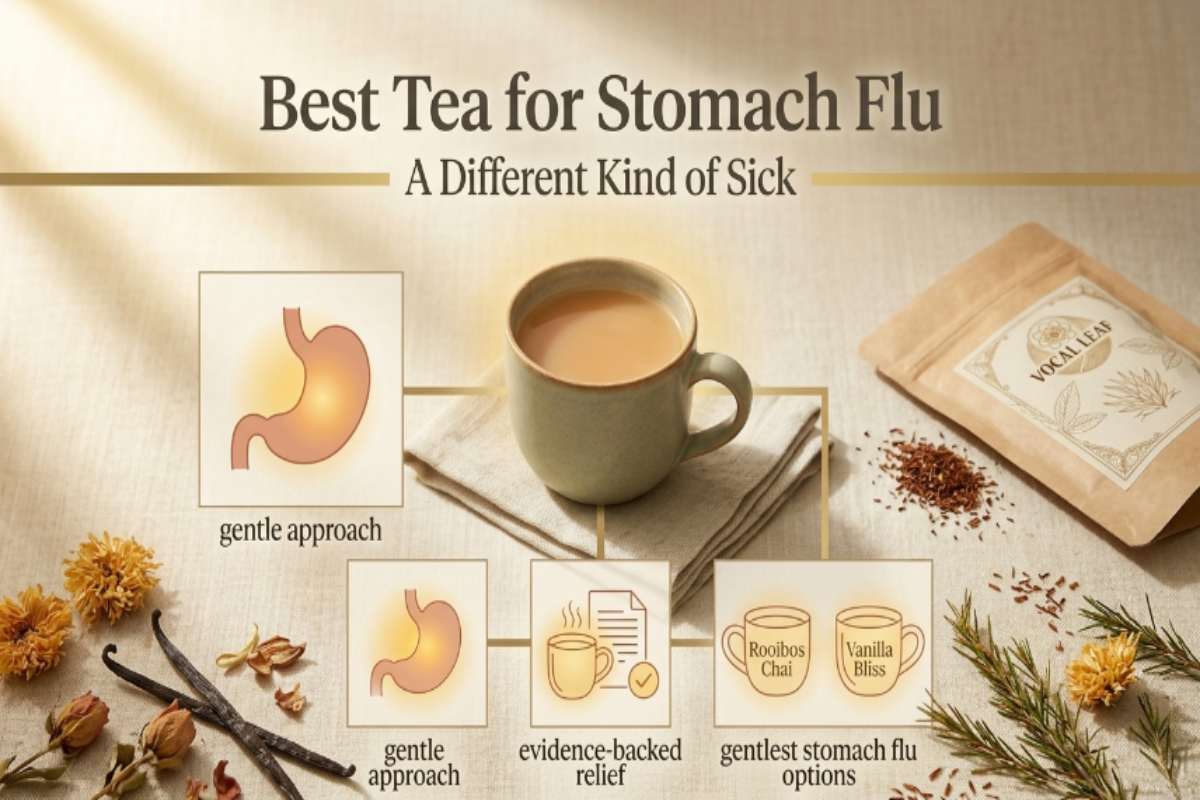
Why Stomach Flu Needs a Different Approach
Stomach flu, viral gastroenteritis, attacks the gastrointestinal tract directly. Nausea, vomiting, cramping and diarrhea create a situation where the gut lining is inflamed, absorption is compromised and the body is losing fluids faster than it can replace them. That last point is the critical one, dehydration is the primary medical risk of stomach flu and it is the reason why what you drink matters as much as whether you drink.
The mistake most people make is reaching for the same tea they would drink with a respiratory flu, something citrus forward, bright, or acidic. Those blends, however good for throat support, can trigger nausea or further irritate a gut lining that needs calm, not stimulation. Caffeine compounds the problem by increasing gut motility at exactly the moment you need your digestive system to slow down and stabilize. The stomach flu demands a quieter, more deliberate cup and it demands it in small, frequent sips rather than full mugs consumed quickly.
Is Hot Tea Good for Stomach Flu? What the Research Says
Hot tea is good for stomach flu, with one important qualification: temperature and pace matter significantly more than they do with respiratory illness. Research on gastroenteritis recovery consistently identifies oral rehydration as the primary intervention and warm fluids are absorbed more efficiently than cold ones because they do not trigger the gut contractions that cold beverages can cause in an already irritated digestive tract.
A 2020 review in the Journal of Gastroenterology and Hepatology noted that warm, non caffeinated fluids are among the most well tolerated options during acute gastroenteritis recovery, particularly in the first 24 hours when solid food is not possible. The warmth supports gut motility normalization without the stimulant effect of caffeine and the fluid volume directly addresses the dehydration risk that makes stomach flu medically serious when left unmanaged. Small sips of warm, gentle tea, taken every 15 to 20 minutes rather than in large quantities, is the framework that works.
What does not work: acidic teas, caffeinated blends taken in quantity, or anything sweetened aggressively with refined sugar, which can worsen diarrhea by drawing water into the intestine through osmotic pressure. Best Tea For Digestion under this kind of stress, clean and simple is always the right direction.
Which Teas Are Easiest on an Upset Stomach
The teas easiest on an upset stomach during viral gastroenteritis share three qualities, they are naturally caffeine free, low in acidity and free from aggressive or stimulating botanicals that could aggravate nausea or gut inflammation.
Best Tea for Digestion fits that profile precisely. Rooibos is one of the gentlest bases available, naturally caffeine free, low tannin compared to black tea and non acidic in a way that makes it genuinely easy to keep down when the stomach is unsettled. The warming chai botanicals provide sensory comfort without the sharpness that can trigger nausea reflex in a sensitized gut.
Vanilla Bliss is the other natural choice here. Its soft, non acidic profile and naturally caffeine free composition make it the most stomach neutral option in the Vocal Leaf lineup, warm enough to support fluid absorption, gentle enough to drink at the earliest stages of recovery when almost nothing else sounds tolerable.
For those whose stomach flu has progressed to the recovery phase and who are managing residual throat irritation from vomiting, which can leave the larynx raw and inflamed in ways that mirror strep throat symptoms, a slightly cooled steep of either blend can bridge stomach and throat recovery simultaneously. And as the gut stabilizes and appetite begins to return, Loose Leaf Iced Tea of these blends steeped at low temperature offer a gentler alternative for anyone who finds hot liquids difficult in the later recovery window.
The Role of Ginger Tea for Flu and What Else Works
Ginger tea is one of the most instinctively reached for remedies when flu hits and there is genuine science behind why. But ginger alone is a single ingredient solution to a multi system problem and understanding what it does well and where it falls short, helps you build a more complete flu recovery protocol than any single herb can provide.
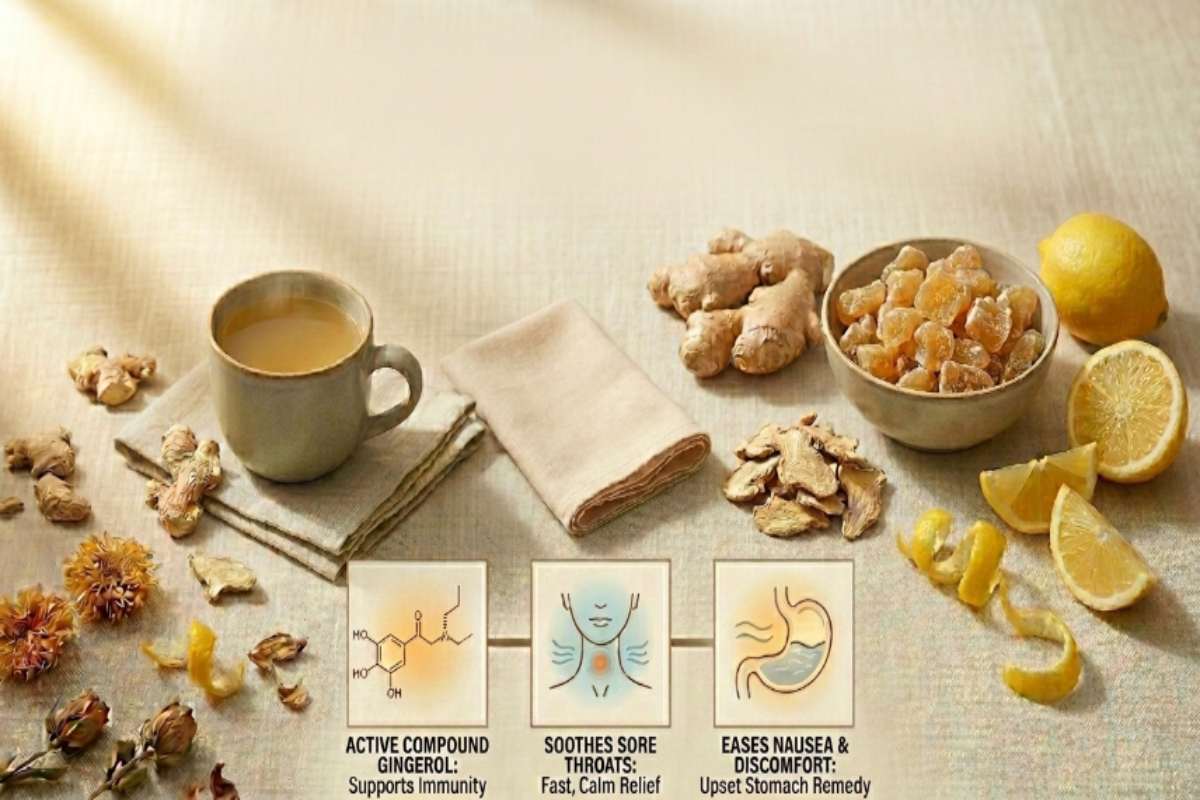
Why People Reach for Ginger Tea When They are Sick
The appeal of ginger tea for flu is easy to understand. It is warming, it is immediate and it is been used across cultures for centuries as a first line response to illness. There is also a sensory logic to it, the heat of the steep combined with ginger natural sharpness creates a sensation of doing something active against symptoms, which matters psychologically when the flu makes you feel powerless.
The practical reasons people reach for ginger tea when they are sick are consistent, it is easy to make from fresh root or a standard grocery store product, it is associated with nausea relief and its warming properties feel instinctively right against the chills and throat tightness that flu brings. For generations of home remedy traditions across Asia, South Asia and the Caribbean, ginger tea was not a wellness trend, it was infrastructure. That cultural weight carries forward and it carries forward for good reason.
What Ginger Does for Flu Symptoms
The bioactive compound responsible for most of ginger therapeutic reputation is gingerol, which converts to shogaol when dried or heated. Both compounds have demonstrated anti inflammatory and antioxidant properties in laboratory and clinical research. A 2019 meta analysis in Phytotherapy Research found that ginger supplementation produced statistically significant reductions in inflammatory markers including C reactive protein, the same marker elevated during flu related systemic inflammation.
For flu specifically, the most relevant effects are three. First, ginger has shown antiemetic properties, meaning it measurably reduces nausea, which matters both for stomach flu and for the general nausea that accompanies severe respiratory flu. Second, its warming effect increases circulation to peripheral tissue, which supports the throat and laryngeal area that flu attacks most directly. Third, its anti inflammatory action may reduce the swelling in the upper respiratory tract that makes breathing and swallowing uncomfortable during peak flu days.
What ginger tea does not do is address the full recovery picture. It provides no meaningful antioxidant polyphenol base comparable to a well steeped black tea, it offers limited support for the throat tissue damage that flu causes at the laryngeal level and it does nothing specific for the nervous system fatigue and stress relief that a hard flu week triggers in the body. It is a useful component. It is not a complete protocol.
How Vocal Leaf Blends Stack Up Against Ginger Tea Alone
Where ginger tea offers a single mechanism, primarily anti inflammatory and antiemetic, Vocal Leaf blends are built to address flu recovery as a system. That distinction matters when you are trying to support throat tissue, maintain hydration, manage the cortisol load of prolonged illness and actually sleep through the night.
Herbal Tea for Flu Why Naturally Caffeine Free Matters When You are Sick
The best herbal tea for flu is one that is naturally caffeine free, not chemically decaffeinated, because the distinction between those two things has a direct impact on how well your body recovers. When you are sick, sleep is medicine. Anything that interferes with it, even subtly, is working against you.

What Makes an Herbal Tea Actually Helpful for Flu Recovery
Not every tea marketed as herbal earns that label in a way that matters for flu recovery. The term is broad enough to cover everything from genuinely therapeutic botanical blends to artificially flavored bags with negligible functional value. What separates a helpful herbal tea from a decorative one comes down to three things, the quality of the base, the integrity of the caffeine free claim and the compatibility of the ingredients with an inflamed, stressed system.
A genuinely helpful herbal tea for flu starts with a clean, naturally caffeine free base, rooibos, fruit tisane, or botanical blends that never contained caffeine to begin with, rather than conventional tea leaves that have been chemically stripped of it. That matters because the chemical decaffeination process leaves trace solvent residue and degrades the polyphenol content that makes tea therapeutically valuable in the first place. When your immune system is already working at capacity, what you put in your body should support that work, not add to the detoxification load.
Vocal Leaf caffeine free teas are naturally caffeine free without exception, a standard that applies across every blend in that category, not selectively. That consistency is what makes them reliable flu recovery teas rather than situational ones.
Herbal Tea for Flu Symptoms vs Herbal Tea for Stomach Flu
Herbal tea for respiratory flu symptoms and herbal tea for stomach flu are solving different problems and the best choice shifts depending on where the illness is centered.
For respiratory flu, the kind that brings fever, body aches, sore throat and congestion, the priority is throat support, mucous membrane hydration and warmth that reaches the laryngeal tissue flu hits hardest. A citrus loose leaf tea works exceptionally well here. The citrus compounds support immune function, the acidity is mild enough when properly steeped to avoid irritating an already raw throat and the bright flavor profile is one of the few things that cuts through the sensory dullness flu brings to taste and smell. Lemon Berry Dream is the natural fit, steeped at 203–212°F for 10–12 minutes, served hot, sipped slowly.
For stomach flu, the calculus changes. Acidity becomes a liability rather than an asset and the priority shifts to non stimulating warmth, easy digestibility and maximum gentleness on a gut lining that is inflamed and compromised. Here, Vanilla Bliss and Organic Rooibos Chai Tea take over, low tannin, non acidic, naturally caffeine free bases that the stomach can process without resistance. The rule for stomach flu herbal tea is simple: the quieter the ingredient profile, the better.
Best Herbal Tea for Flu Season What to Stock Before You Get Sick
The best time to stock herbal tea for flu season is before flu season, for the obvious reason that when you are actually sick, the last thing you want to do is wait for a delivery or drag yourself to a store. Having the right blends already on the shelf means your recovery starts immediately rather than after a two day gap.
For flu season preparedness, the goal is range. You want a warming, naturally caffeine free option for evenings and rest periods. You want a citrus forward blend for daytime symptom management and throat support. And if you share a household with people whose caffeine sensitivity or stomach sensitivity varies, you want blends that work across that spectrum without requiring a different product for every person.
It is also worth considering functional depth beyond the standard flu response. Cacao tea, for instance, contains theobromine, a compound with bronchodilatory properties that research has linked to reduced throat irritation and improved airflow in the upper respiratory tract. For performers, speakers, teachers, or anyone whose voice is professionally important, adding a theobromine rich option to the flu season shelf is not just wellness thinking, it is protection for an asset that flu can damage for weeks beyond the acute illness phase. Stock with intention before flu season starts. Your future self, three days into body aches and a raw throat, will not regret it.
Home Remedy Tea for Cold and Flu Recipes That Actually Help
The most effective home remedy tea for cold and flu is not complicated, it is hot, it is citrus forward and it is steeped long enough to extract the compounds that actually do the work. The recipes that have survived generations of sick days are not folk mythology. They are practical frameworks built around principles that hold up under scrutiny.

The Classic Flu Tea Formula Lemon, Warmth and Steam
The classic home remedy tea for cold and flu is built on three elements that work together rather than independently, citrus for immune support and flavor penetration, sustained heat for throat tissue and steam inhalation and a quality base that carries both without getting in the way.
The lemon component matters more than most people realize. Orange Peel Tea contains flavonoids and volatile oils that perform differently from straight lemon juice, they are less acidic, more aromatic and release their beneficial compounds slowly into a hot steep rather than all at once. That slow release is part of what makes a properly brewed citrus tea feel more effective than squeezing half a lemon into hot water and calling it done. The peel is where the depth lives and a loose leaf blend that incorporates it properly gives you that depth in every cup without any prep work.
Vocal Leaf Lemon Berry Dream is the home remedy formula made right. It combines lemon peel, orange peel, freeze dried lemon granules and marigold blossoms in a blend that delivers the full citrus therapeutic profile, aromatic, warming and genuinely soothing on contact with inflamed throat tissue, alongside a blackberry and vanilla undertone that makes it one of the most palatable tea flavors you will reach for when sick. It is the classic formula, executed at a level no kitchen counter remedy can match.
How to Steep Tea for Maximum Benefit When You are Sick
Steeping technique matters more during illness than it does on a regular morning, because you are not just making a pleasant drink, you are extracting specific compounds from specific ingredients under specific conditions and getting it wrong means leaving most of the benefit in the leaves.
The core principle is that extraction is a function of time, temperature and leaf quality working together. Too cool and the volatile aromatics, the ones that do real work on your sinuses and throat when you inhale the steam, do not fully release. Too hot for too long on a delicate blend and you break down the polyphenols that make the steep therapeutically useful rather than just warm. Loose leaf always outperforms bagged tea here because the full surface area of the leaf is available for extraction, rather than compressed dust in a paper sleeve.
For flu recovery specifically, steep with intention. Use water that is genuinely hot, not warm from a tap, not microwaved unevenly and keep a lid or plate over your cup during steeping to trap the volatile aromatic compounds that would otherwise escape into the air rather than into your drink. Those aromatics are part of the medicine. Do not let them go to waste.
Hot Tea Temperature and Steep Time for Flu Recovery
Temperature and steep time are the two variables most people get wrong and both have a measurable impact on what ends up in your cup when you are sick and need it to work.
The research on optimal tea extraction points consistently toward water in the 200–212°F range for most black and botanical blends, hot enough to fully open the leaf and release polyphenols, but not so aggressively boiling that it damages heat sensitive compounds before they reach your cup. A 2018 study in Food Chemistry found that steeping temperature directly influenced the antioxidant yield of tea extracts, with higher temperatures producing significantly greater polyphenol release up to the boiling threshold. For flu recovery, that yield matters.
Is Tea Good for the Flu? What You Need to Know
Yes, tea is good for the flu and the evidence behind that answer is stronger than most people realize. Hot tea addresses the core recovery needs of a flu sick body simultaneously, hydration, warmth, throat support and bioactive compounds that work with your immune system rather than against it.

Is Hot Tea Good for Flu?
Hot tea is one of the most consistently effective things you can drink when you have the flu. The heat does immediate work on throat tissue, the steam addresses nasal congestion and the fluid volume combats the dehydration that makes flu symptoms significantly worse. A 2008 study published in Rhinology found that hot drinks provided immediate and sustained relief from runny nose, cough, sneezing, sore throat, chills and fatigue, a symptom profile that maps almost exactly onto influenza. The hot drink outperformed the same drink served at room temperature across every measured symptom category. Temperature is not incidental to why tea works for flu. It is central to it.
Is Herbal Tea Good for Flu?
Herbal tea is good for flu when it is genuinely caffeine free by nature rather than by chemical process and when the ingredient profile supports rather than irritates an already stressed system. Naturally caffeine free tea, rooibos, fruit tisanes, botanical blends that never contained caffeine, allow the body to rest deeply without stimulant interference, which is the single most important condition for immune repair during flu.
Is Black Tea Good for Flu and Cold?
Black tea is genuinely good for flu and cold and the mechanism is well documented. The theaflavins and thearubigins formed during black tea oxidation process are among the most studied antioxidant polyphenols in any food or beverage, with research linking them to meaningful anti inflammatory and immune supportive activity. Black tea also contains L theanine, an amino acid that supports calm alertness without the cortisol spike that coffee level caffeine produces, which matters during daytime flu recovery when you need to function without further stressing an already taxed system.
Is Ginger Tea Good for Stomach Flu?
Ginger antiemetic properties, its ability to reduce nausea, make it a logical reach for stomach flu and the science supports that instinct. Gingerol and shogaol, the primary bioactive compounds in ginger, have demonstrated measurable antiemetic effects in multiple clinical trials. For stomach flu specifically, where nausea is often the dominant and most debilitating symptom, anything that reduces the nausea threshold enough to keep fluids down is genuinely valuable. The practical caution is that ginger tea can be warming to the point of stimulating in a gut that needs quiet, so if ginger tea is working for you during stomach flu, keep the steep mild and the sips small. If it is aggravating nausea rather than relieving it, a gentler naturally caffeine free blend like Vanilla Bliss will serve the stomach better.
Which Tea Is Best for Flu Symptoms?
The best tea for flu symptoms depends on which symptoms are dominant, but the answer that covers the most ground is a high quality loose leaf black tea during the day and a naturally caffeine free herbal blend in the evening. Black tea L theanine and polyphenol content support immune function and calm energy during waking hours. A caffeine free herbal blend removes stimulant interference during the sleep hours when immune repair accelerates.
Can Tea Help Prevent the Flu?
Tea cannot prevent the flu in the way a vaccine does, but regular consumption of polyphenol rich tea has been associated with measurable immune support in population level research. A large cohort study published in BMC Complementary Medicine and Therapies found that habitual green and black tea drinkers reported lower rates of upper respiratory infection than non tea drinkers, a correlation consistent with what laboratory research shows about polyphenols and immune cell activity. The honest framing is this, tea will not stop a flu virus from entering your body, but a system that is consistently hydrated, supported with antioxidants and not chronically stressed by poor sleep or nutritional gaps is better equipped to fight that virus when it arrives. Daily tea drinking is immune maintenance, not a guarantee.
What is the Best Tea for Flu and Sore Throat?
When flu and sore throat arrive together, which they frequently do, since influenza inflames the laryngeal tissue directly, the best tea is one that addresses both the systemic flu symptoms and the localized throat damage simultaneously. That means sustained warmth, throat coating hydration and a steep long enough to fully extract the soothing botanicals rather than a quick dip of a bag in mediocre water. Vocal Leaf citrus and botanical blends are built for exactly this overlap and for a complete guide to managing the throat component specifically, the best tea for sore throat guide covers that territory in full.
What is the Best Tea for Flu and Cough?
Flu and cough together create a compound problem, the cough reflex irritates already inflamed throat tissue with every episode, making recovery slower and the throat rawer with each passing day. The best tea for this combination is warm enough to relax the laryngeal muscles that trigger cough reflex, hydrating enough to keep the mucous membranes moist so that dry throat cough is minimized and gentle enough to drink repeatedly without further irritating sensitive tissue. Hot tea sipped slowly and consistently throughout the day is more effective than a single large cup, because the sustained warmth and hydration maintain the mucosal environment that suppresses cough reflex between episodes. For a deeper look at the cough side of this equation, the best tea for cough guide covers the full picture.
Flu Season Tea Guide What to Drink at Every Stage
Flu season does not begin when you get sick, it begins weeks before, when the conditions that make your body vulnerable are either being addressed or ignored. The right tea at the right stage of flu season does different things, it supports immune maintenance before illness, manages acute symptoms during it and accelerates the recovery that determines how quickly you get back to full function.
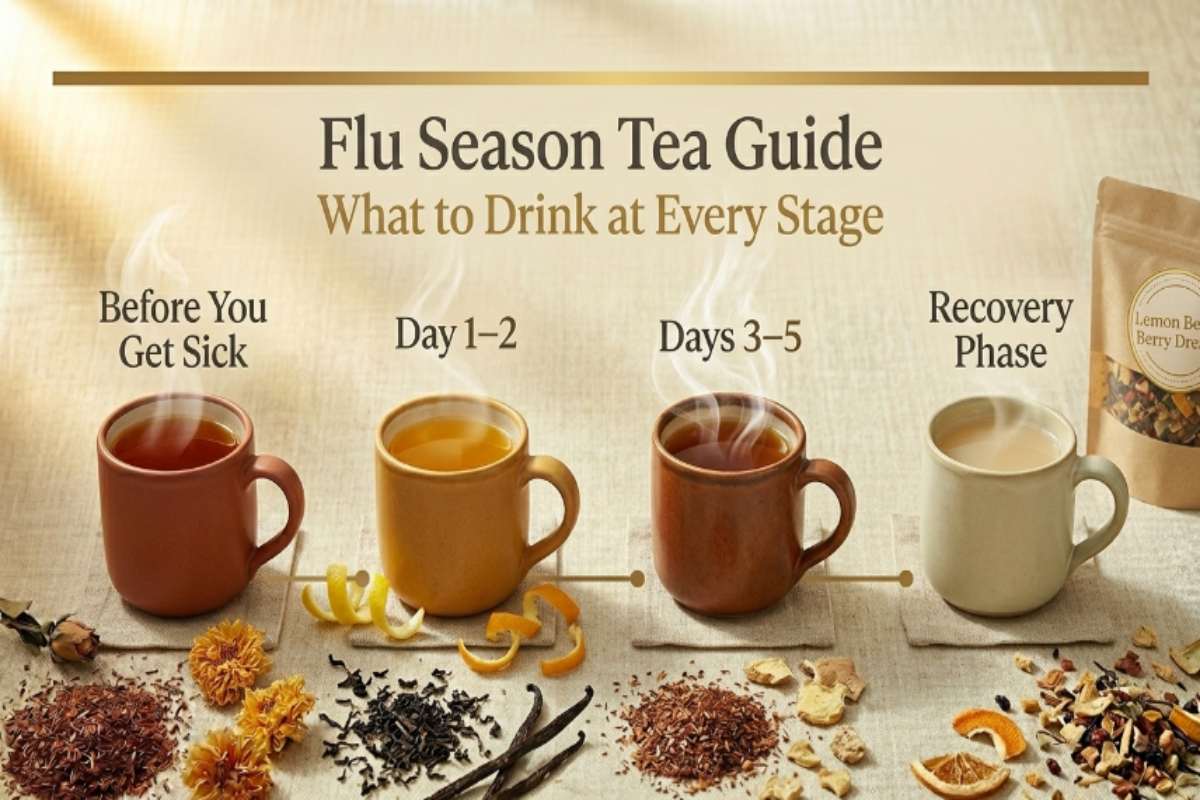
Before You Get Sick Immune Support Tea Habits
The most underused flu season strategy is consistent daily tea consumption in the weeks before illness arrives. This is not about drinking medicinal quantities of anything, it is about establishing a baseline of polyphenol intake, sustained hydration and sleep quality that gives your immune system the conditions it needs to respond effectively when a virus enters the picture.
Research supports the habit. A study in the Proceedings of the National Academy of Sciences found that L theanine, present in black tea, primed human gamma delta T cells to mount an improved and more robust immune reaction to antigens, including bacterial and viral pathogens. That priming effect is cumulative, not immediate, which is precisely why building the tea habit before flu season rather than during it produces better outcomes.
Day 1–2 Early Symptoms What to Drink First
The first 24 to 48 hours of flu are the window where what you do has the most leverage over what comes next. The virus is replicating, your immune system is mobilizing and the choices you make about hydration, rest and thermal support in this window meaningfully influence both the severity and duration of what follows.
The immediate priority is heat and volume. Hot tea, steeped properly, served at drinking temperature rather than left to go lukewarm, delivers warmth to the throat and laryngeal tissue before significant inflammation sets in. Starting that thermal support early, before the sore throat peaks and swallowing becomes painful, is significantly more useful than waiting until symptoms are severe. Hydration also matters urgently in the early window, fever, even a mild one, accelerates fluid loss faster than most people compensate for.
Days 3–5 Peak Symptoms Staying Hydrated and Soothed
Peak flu days are the ones where everything hurts, nothing tastes right and the effort required to do anything, including make tea, feels disproportionate to available energy. This is the stage where preparation pays off and where having the right blends already on the shelf makes the difference between consistent therapeutic hydration and the dehydrated, under supported recovery that extends illness by days.
The strategy at peak symptom stage is rotation rather than repetition. Alternating between a daytime blend with gentle caffeine support and an evening blend that is fully caffeine free maintains the circadian rhythm that illness disrupts and that rhythm matters because the immune system repair activity is significantly more efficient during sleep than during waking hours. A 2019 study in the Journal of Experimental Medicine found that T cell activity, central to viral clearance, was substantially enhanced during sleep, with sleep deprived subjects showing measurably impaired immune response to influenza antigen.
Recovery Phase Rebuilding Vocal Health After Flu
Flu recovery has a phase that most people do not account for, the period after acute symptoms resolve when the body and specifically the voice, is still damaged and needs deliberate support. Hoarseness, vocal fatigue, persistent throat dryness and reduced vocal range can linger for one to three weeks after flu, particularly in speakers, singers, teachers, podcasters and performers whose voices are professionally load bearing. This is not residual illness. It is laryngeal tissue that was inflamed, dried and stressed during the acute phase and needs specific conditions to repair.
The recovery phase tea protocol is different from the acute phase. Hydration remains the priority, but the focus shifts from symptom management to tissue support, keeping the vocal folds consistently moist, reducing residual laryngeal inflammation and restoring the mucosal layer that flu strips away. That means continued warm tea throughout the day, caffeine moderated to avoid the drying effect that high caffeine intake has on mucous membranes and blends chosen for smoothness rather than sharpness.
Vocal Leaf was built specifically for this intersection, the place where tea meets vocal health in a way that no general wellness brand occupies. Every blend in the lineup was formulated with the throat and laryngeal tissue in mind, which means the recovery phase is not an afterthought in the product design. That is the point. If your voice is the last thing to come back after flu and for most people it is, what you drink during recovery determines how long that takes. Treat it accordingly.
Conclusion
The best tea for flu is not just a warm drink, it is one of the few active recovery tools you actually control while your immune system does the hard work. Hot, clean, properly steeped loose leaf tea chosen for where you are in the illness makes a measurable difference in how your throat feels, how well you sleep and how quickly your voice and energy return. A naturally caffeine free herbal blend when rest is the priority, a polyphenol rich black tea when your body needs functional daytime support, a citrus forward steep when your throat and sinuses need direct attention. Vocal Leaf was built for exactly this intersection, tea formulated specifically for the throat, vocal fold hydration and recovery needs that flu targets hardest. Every blend in the lineup reflects that focus, which means whether you are on day one of symptoms or week two of a stubborn recovery, there is a cup here that is doing more than keeping you warm. Steep properly, drink consistently and give your body what it actually needs to come back.
Frequently Asked Questions (FAQs)
What is the best tea for flu?
The best tea for flu is a hot, loose leaf blend that combines genuine throat support with clean, functional ingredients, a black tea during the day for L theanine and antioxidant polyphenols and a naturally caffeine free herbal blend in the evening to protect the sleep your immune system needs to repair. Vocal Leaf four blends cover that full recovery spectrum without compromise.
Is hot tea good for stomach flu?
Yes, hot tea is one of the best things you can drink during stomach flu, provided it is naturally caffeine free and low in acidity. Warm fluids are absorbed more efficiently than cold ones by an irritated gut and small, consistent sips of a gentle blend like Vanilla Bliss or Organic Rooibos Chai Tea maintain the hydration that stomach flu depletes without further stressing the digestive tract.
Which tea is best for the flu?
The tea that covers the most ground for flu recovery is a high quality loose leaf black tea for daytime immune support and a naturally caffeine free herbal blend for evening rest, rotating between the two based on time of day rather than picking one and staying with it.
Is black tea good for flu?
Yes, black tea is one of the most evidence backed options for flu recovery, with theaflavin polyphenols that demonstrate meaningful antioxidant and anti inflammatory activity, plus L theanine that supports calm immune function without the cortisol spike of high caffeine alternatives.
Is herbal tea good for flu symptoms?
Herbal tea is good for flu symptoms when it is naturally caffeine free rather than chemically decaffeinated and formulated with ingredients that soothe rather than stimulate an already stressed system.
Top Selling Products



Best Tea for Singers | What Actually Helps Your Voice
If you sing, whether you perform professionally, teach voice lessons, or spend your weekends in rehearsal, you’ve probably wondered whether tea actually does anything useful…
Best Tea for Vocal Cords | Herbs, Hydration and Recovery
If your voice feels tired, strained, or dry, the right tea for your vocal cords can make a real difference, not by healing damaged tissue,…
Best Tea for Laryngitis | Soothe Your Voice Naturally
The best tea for laryngitis is a warm, caffeine free loose leaf blend that hydrates the throat and eases the strain on inflamed vocal cords.…

What Is Chai Tea? The Ultimate Guide to Ingredients, Benefits, Types & How It’s Made
If you’ve ever wondered what chai tea is, you’re not alone. It’s one of the most searched beverage questions online, yet the answer is often…
Best Tea for Your Voice | Does It Make You Sound Deeper
What it can do is change how your voice feels and sounds in the moment, which is where most of the confusion starts. If you…
The Best Tea for Performers & Speakers, And Why Your Voice Deserves Better
You spend hours rehearsing the words. You perfect the tone, the breath, the timing. But then you reach for whatever is nearby, a cup of…
Best Tea for Stress Relief | Calming Loose Leaf Blends
Stress is something everybody carries. It shows up in tight shoulders, restless nights, and a mind that won’t quiet down after a long day. And…

Best Tea for Dry Throat | The Teas That Help and the Ones That Hurt
The best teas for a dry throat are caffeine-free herbal blends, teas with no tannins to strip moisture from the throat lining and no caffeine…
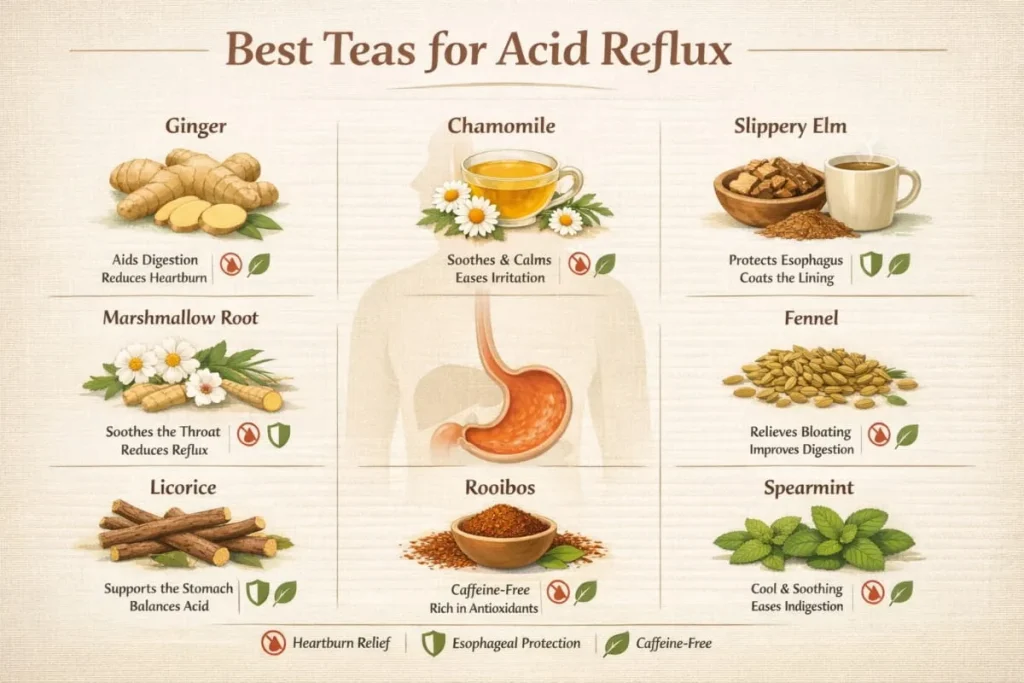
Best Teas for Acid Reflux, Heartburn and GERD
Acid reflux doesn’t just cause heartburn. If you have searched for tea good for acidity, you are asking the same question, acidity and acid reflux…

Best Morning Tea for Energy and Focus Without Coffee Crash
The best tea to drink in the morning is black tea if you want steady, coffee level energy without the crash, rooibos chai if you…
Best Tea for Cough | The Complete Guide to Soothing Relief
The best tea for cough relief is a warm, hydrating blend that soothes irritated throat tissue while easing the reflex that triggers coughing in the…

Best Teas for a Cold That Actually Work
Best teas for a cold combines warmth, hydration and gentle steam to ease congestion, calm a scratchy throat and help your body rest while it…