The Best Teas for a Sore Throat, Our Top Picks
There’s no single best tea for a sore throat; there’s the best tea for your sore throat. The right pick depends on what’s driving your symptoms: inflammation, mucus, dryness, bacterial infection, or vocal strain. What follows is a carefully curated list of the most effective herbal and natural teas, each chosen for a specific reason, not just tradition.

Ginger Tea
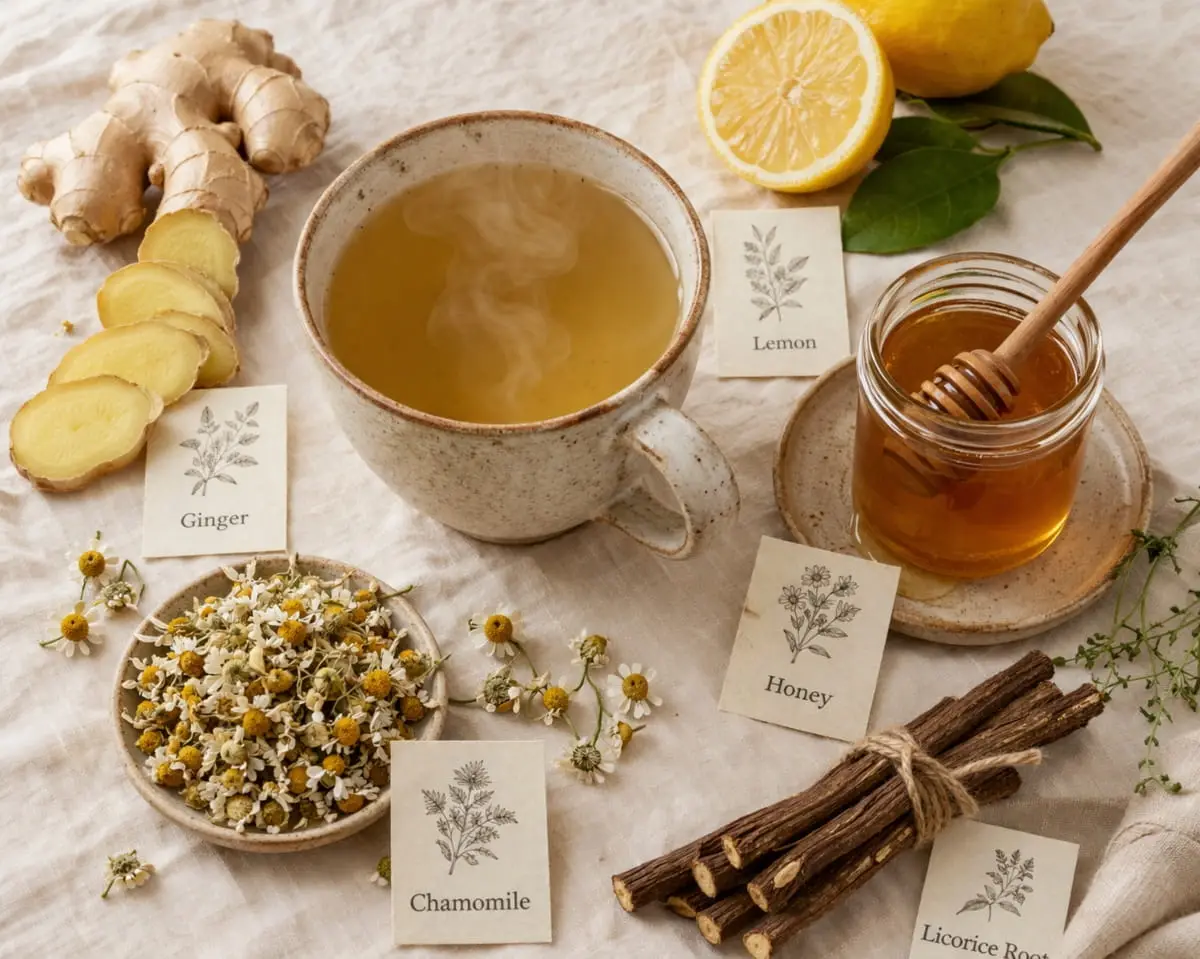
Ginger is arguably the most powerful anti-inflammatory ingredient you can put in a cup. Its active compounds, gingerols and shogaols, directly target the inflammatory response that causes your throat to swell and ache. Ginger tea also has natural antimicrobial properties, making it effective whether your sore throat is viral or bacterial. It warms from the inside out, stimulates circulation, and when paired with honey and lemon, becomes one of the most complete sore throat remedies you can make at home.
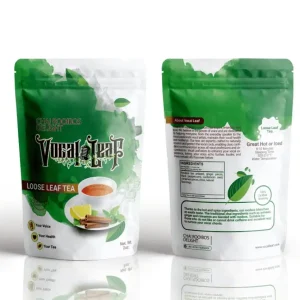
If you want the therapeutic benefits of ginger without brewing from scratch, Vocal Leaf’s Organic Rooibos Chai Tea delivers warming chai spices, including ginger, in a caffeine-free loose-leaf blend designed specifically for vocal and throat wellness.
Chamomile Tea
Chamomile is the quiet workhorse of sore throat relief. It contains apigenin, a flavonoid with both anti-inflammatory and mild analgesic properties, which reduces swelling and gently dulls pain. Chamomile also has antispasmodic effects that relax the muscles of the throat and neck, which is particularly helpful when tension from coughing has left the surrounding area sore and tight. It’s caffeine-free, deeply soothing, and one of the safest options for drinking throughout the day and into the evening.
Peppermint & Spearmint Tea
Mint teas work through a different mechanism than most herbal remedies. Menthol, the active compound in both peppermint and spearmint, creates a cooling sensation that temporarily numbs irritated throat tissue and makes breathing feel easier. It’s also a natural decongestant, which makes peppermint and spearmint teas especially valuable when a sore throat comes packaged with nasal congestion or sinus pressure.
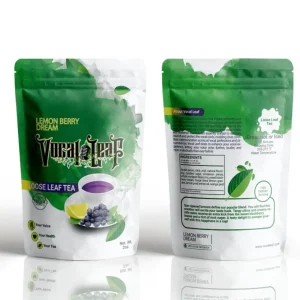
Spearmint offers a slightly gentler flavor profile than peppermint, with similar soothing benefits, making it a better choice for those who find full-strength peppermint too intense. Vocal Leaf’s Lemon Berry Dream pairs beautifully with mint for a bright, throat-soothing cup that feels as good as it tastes.
Licorice Root Tea
Licorice root is one of the most underrated teas for a sore throat, and one of the most clinically supported. It contains glycyrrhizin, a compound with demonstrated antiviral, anti-inflammatory, and expectorant properties. Licorice root also has a naturally thick coating quality that physically soothes raw throat tissue on contact, similar to the effect of a throat lozenge, but in liquid form. It’s particularly effective for dry, scratchy sore throats where the sensation of rawness is the dominant complaint.
Slippery Elm Tea
Slippery elm has been used in traditional medicine for centuries, and modern herbalism hasn’t abandoned it for good reason. The inner bark of the slippery elm tree contains mucilage, a gel-like substance that, when mixed with water, forms a slick, coating liquid that quite literally coats the throat. For inflammation, irritation, and the kind of sore throat that makes every swallow feel like sandpaper, slippery elm tea provides relief that few other herbs can match. It’s gentle, effective, and works best when brewed slightly stronger than typical herbal teas.
Marshmallow Root Tea
Like slippery elm, marshmallow root is rich in mucilage and works in essentially the same way: it forms a protective coating over irritated throat tissue, reducing friction, soothing inflammation, and giving the mucous membranes space to heal. Marshmallow root tea has a mildly sweet, neutral flavor that makes it easy to drink in volume, which is an advantage when you need to stay consistently hydrated throughout a sick day. It’s also caffeine-free and gentle enough for frequent use.
Turmeric Tea
Turmeric earns its place on this list through curcumin, its primary active compound and one of the most well-researched natural anti-inflammatory agents. Turmeric tea for a sore throat works best when black pepper is added to the brew; piperine, the active compound in black pepper, dramatically increases curcumin absorption. The combination creates a warming, potently anti-inflammatory drink with antioxidant and antimicrobial properties. The flavor is earthy and bold, and pairs well with honey and a touch of ginger.
Sage Tea
Sage has a long history as a medicinal herb for throat conditions, and it holds up under scrutiny. Studies have shown that sage extract can meaningfully reduce throat pain, in some trials performing comparably to conventional throat sprays. It contains rosmarinic acid and other phenolic compounds with antimicrobial and anti-inflammatory effects. Sage tea has a slightly peppery, savory flavor that some find unusual in a hot drink. Still, its therapeutic value makes it worth considering, particularly for bacterial sore throats.
Echinacea Tea
Echinacea’s primary role is immune support rather than direct throat relief, but that distinction matters less than it might seem. By stimulating the immune response early, echinacea tea can shorten the duration of illness and reduce symptom severity, including throat pain. Research suggests it’s most effective when taken at the first sign of illness rather than after symptoms are fully established. Think of it as the proactive choice: best brewed and sipped the moment that first scratch appears.
Thyme Tea
Thyme is a culinary herb that doubles as a serious medicinal one. It contains thymol and carvacrol, compounds with strong antimicrobial and antispasmodic properties. Thyme tea is particularly effective for sore throats accompanied by persistent coughing. It relaxes bronchial muscles, suppresses the cough reflex, and simultaneously fights the underlying infection. It has a clean, herbaceous flavor and brews quickly from either fresh or dried leaves.
Clove Tea
Clove contains eugenol, a natural analgesic and antiseptic that has been used in dentistry and traditional medicine for its numbing properties. As a tea, clove delivers those same properties to the throat, temporarily numbing pain while actively fighting infection. It has a strong, spicy flavor that pairs well with honey and is best used in smaller amounts, either on its own or blended with ginger and cinnamon for a warming, multi-action sore throat brew.
Elderberry Tea
Elderberry is best known as an immune-boosting supplement, and its antiviral properties are well-supported in research, particularly against influenza strains. As a tea, elderberry provides those benefits in an easy-to-absorb, hydrating form. It has a rich, slightly tart berry flavor that most people find genuinely enjoyable, which encourages consistent drinking. Staying hydrated is half the battle when you’re sick. If your sore throat is part of a cold or flu, elderberry tea should be part of your rotation.
Rooibos Tea
Rooibos is caffeine-free, naturally sweet, and rich in antioxidants, including aspalathin and nothofagin, compounds with anti-inflammatory and immune-supportive properties. It’s gentler than many of the more potent herbal options on this list, which makes it an excellent choice for everyday sipping when you want continued throat support without the intensity of ginger or clove. Its naturally smooth, slightly vanilla-like flavor also makes it one of the best-tasting teas for a sore throat, which matters when you need to drink cup after cup throughout the day.
Vocal Leaf’s Organic Rooibos Chai Tea combines the antioxidant-rich foundation of rooibos with warming chai spices in a caffeine-free loose-leaf blend, making it one of the most well-rounded options for sustained throat comfort.
Lemon Balm Tea
Lemon balm belongs to the mint family and carries many of the same calming, antispasmodic properties. It has antiviral activity, particularly against herpes simplex viruses, which are a common cause of throat sores, and its mild sedative effect makes it an ideal evening tea when throat pain is disrupting sleep. It has a light, lemon-forward flavor that’s pleasant without being overpowering, and it combines beautifully with chamomile for a deeply soothing nighttime blend.
Mullein Tea
Mullein is less well-known than most herbs on this list, but it has a specific application that earns it a place here. It’s one of the best herbal teas for sore throats complicated by respiratory congestion; its saponins help loosen and expel mucus from the throat and airways. At the same time, its anti-inflammatory properties soothe the irritated tissue underneath. If your sore throat feels thick, mucus-heavy, and congested rather than dry and raw, mullein tea is worth seeking out.
| Tea Type |
Primary Benefit |
Best For |
Caffeine |
| Ginger |
Anti-inflammatory, antimicrobial |
Swelling, infection, mucus |
None |
| Chamomile |
Analgesic, antispasmodic |
Pain relief, muscle tension, sleep |
None |
| Peppermint |
Cooling, decongestant |
Congestion, numbing pain |
None |
| Spearmint |
Soothing, mild decongestant |
Sensitive throats, milder mint relief |
None |
| Licorice Root |
Antiviral, throat-coating |
Dry, raw, scratchy throats |
None |
| Slippery Elm |
Mucilage coating |
Severe irritation, painful swallowing |
None |
| Marshmallow Root |
Mucilage coating |
Inflammation, dryness, frequent sipping |
None |
| Turmeric |
Curcumin anti-inflammatory |
Deep inflammation, immune support |
None |
| Green Tea |
EGCG antioxidant, antiviral |
Viral sore throats, immune support |
Low–Moderate |
| Black Tea |
Theaflavins, astringent |
Bacterial sore throats, swelling |
Moderate |
Green Tea vs. Black Tea for a Sore Throat: Which Is Better?
When people reach for a familiar tea during illness, green tea and black tea are usually the first two options in the cupboard. Both come from the same plant, Camellia sinensis, but their processing differs significantly, altering their therapeutic profiles. If you’re wondering whether green tea or black tea is better for a sore throat, the honest answer is: both help, but in different ways, and the best choice depends on what your throat actually needs.
Benefits of Green Tea for a Sore Throat
Green tea is less processed than black tea, which means it retains higher concentrations of catechins, particularly EGCG (epigallocatechin gallate), one of the most-studied antioxidant compounds in the plant world. EGCG has demonstrated meaningful anti-inflammatory and antiviral activity in research, making green tea a genuinely therapeutic choice when a sore throat is driven by infection or immune stress.
Green tea also contains a moderate amount of caffeine alongside L-theanine, an amino acid that promotes calm alertness without the jitteriness of coffee. This combination can be helpful when illness has left you fatigued, but you still need to function. The tannins in green tea have a mild astringent effect on throat tissue, tightening and toning the mucous membranes, which can reduce that swollen, raw sensation that makes swallowing uncomfortable.
For maximum benefit, brew green tea at a lower temperature, around 160–175°F, rather than a full boil, to preserve its delicate catechins. Add raw honey and a squeeze of lemon, and you’ve significantly amplified its soothing potential.
Benefits of Black Tea for a Sore Throat
Black tea undergoes full oxidation during processing, which reduces its catechin content but increases its concentration of theaflavins and thearubigins, a different class of polyphenols with their own anti-inflammatory and antimicrobial properties. Research has shown that theaflavins can inhibit the growth of bacteria responsible for strep throat and other upper respiratory infections, making black tea a surprisingly effective frontline option for bacterial sore throats specifically.
Black tea also has a higher tannin content than green tea, which gives it a stronger astringent effect. This can be particularly beneficial for swollen, inflamed throat tissue, as tannins help constrict and firm irritated membranes. The effect is similar, on a much smaller scale, to that of tannins in wound healing.
The caffeine content in black tea is higher than in green tea, which is worth noting if you’re drinking multiple cups throughout the day or trying to rest. That said, a well-brewed cup of black tea with honey is one of the most comforting and therapeutic drinks you can make when illness strikes.
For a high-quality loose-leaf option, Vocal Leaf’s Organic Loose Leaf Black Tea is a clean, full-bodied choice that delivers the full therapeutic profile of black tea without the additives or compromises of mass-market tea bags.
Which Should You Choose?
Green tea wins in terms of antioxidant and antiviral strength. Black tea wins on astringency and antibacterial action. If your sore throat feels viral, accompanying a cold or flu, lean toward green tea. If it feels bacterial, with more localized pain, swollen glands, and no runny nose, black tea may offer more targeted relief. If you’re unsure, alternating between the two throughout the day is a perfectly sound strategy.
What neither of them does as well as purpose-built herbal teas is coat, soothe, and directly address throat inflammation. For that, the herbal options covered in this guide, ginger, licorice root, slippery elm, and marshmallow root, remain in a category of their own.
The Best Ingredients to Add to Tea for a Sore Throat
Choosing the right tea is only half the equation. What you add to it can be the difference between a pleasant warm drink and a genuinely therapeutic remedy. The ingredients below aren’t garnishes; each one brings a specific, well-supported benefit that amplifies what your tea is already doing. Used together strategically, they transform an ordinary cup into one of the most effective natural remedies you can make at home.

Honey, The Gold Standard Add-In
If there’s one ingredient that belongs in virtually every sore throat tea, it’s honey. Raw honey is antimicrobial, anti-inflammatory, and hygroscopic, meaning it draws moisture into the throat and keeps it coated long after you’ve finished your cup. It also forms a physical film over irritated membranes, providing genuine, lasting relief rather than momentary comfort.
The research backs this up consistently. Studies have shown that honey is as effective as some over-the-counter cough suppressants for reducing throat irritation and cough frequency. Unlike those medications, it also contains antioxidants and wound-healing enzymes.
The key distinction is raw versus processed honey. Commercial honey is often heated and filtered to the point where most of its therapeutic compounds are diminished or destroyed. Raw honey, ideally local and unfiltered, retains its full antimicrobial profile, including hydrogen peroxide activity and beneficial enzymes. Manuka honey, if accessible, is the most potent option due to its uniquely high methylglyoxal content.
As for how much to add: one to two teaspoons per cup is the standard therapeutic amount. More than that tips the balance toward sweetness without adding proportional benefit. Stir it in once your tea has cooled slightly; adding honey to boiling water degrades its active compounds.
Lemon, Vitamin C, Acidity & Mucus Relief
Lemon does several things simultaneously, which is why lemon and honey tea for a sore throat has been a household remedy across cultures for generations. Its vitamin C content supports immune function during times of stress. Its acidity creates an environment that’s hostile to certain bacteria. And perhaps most practically, lemon’s citric acid helps break down and thin mucus, providing real relief when congestion is compounding your throat discomfort.
The astringent quality of lemon also has a mild toning effect on inflamed throat tissue, similar in principle to how tannins work in black tea. A freshly squeezed half lemon per cup, rather than bottled lemon juice, which is often diluted and preserved, gives you the full benefit. Combined with honey and ginger, lemon forms part of the most complete and time-tested sore throat tea combination available.
Ginger, Anti-Inflammatory Root
Fresh ginger added directly to your tea is a significant upgrade over ginger-flavored tea bags. When you slice or grate fresh ginger root and steep it in hot water, you extract gingerols and shogaols at much higher concentrations than dried or processed alternatives. These compounds actively suppress inflammatory cytokines, the signaling molecules that drive the swelling and pain response in your throat.
Ginger also has a warming, circulatory effect that many people find immediately comforting, and it pairs seamlessly with both honey and lemon. For a sore throat that’s part of a cold or flu, the combination of honey, lemon, and ginger in a single cup covers anti-inflammatory, antimicrobial, and immune-supportive bases simultaneously, making it arguably the most efficient sore throat remedy you can brew at home.
Turmeric, Curcumin & Throat Coating
Turmeric added to tea, sometimes called golden tea or turmeric tea, brings curcumin into the cup, a compound with some of the strongest natural anti-inflammatory evidence behind it. For a sore throat, curcumin inhibits NF-kB, a key molecular pathway that drives inflammation throughout the body, including in throat tissue.
The important detail most people miss: curcumin is poorly absorbed on its own. Adding a small pinch of black pepper to your turmeric tea, just enough to season, not enough to taste strongly, introduces piperine, which increases curcumin bioavailability by up to 2,000 percent, a small addition with a substantial impact. A teaspoon of turmeric per cup, combined with black pepper, honey, and ginger, produces a warming, genuinely anti-inflammatory drink that pairs well with any of the teas in this guide.
Cayenne Pepper, The Counterintuitive Remedy
Adding cayenne pepper to tea for a sore throat sounds counterproductive, and yet it works. The active compound in cayenne is capsaicin, which initially stimulates pain receptors but then depletes their pain-signaling neurotransmitter, substance P. The net effect, with consistent use, is a reduction in pain perception in the treated area.
Cayenne also promotes circulation and has mild antimicrobial properties. The key is moderation: a small pinch, no more than an eighth of a teaspoon, stirred into warm tea with honey, is enough to deliver the benefit without making the drink unpleasant. The honey is essential here, both for its own therapeutic value and for tempering the heat. This combination is not for everyone, but for those who tolerate spice well, cayenne tea can provide surprisingly fast relief for a sore throat.
Garlic, Antimicrobial Power
Garlic is one of the most potent natural antimicrobials available, and its active compound, allicin, is released when garlic is crushed or finely minced. Allicin has demonstrated antibacterial, antiviral, and antifungal activity in research, making garlic tea a particularly strong choice when a sore throat has a clear infectious cause.
To make garlic tea, crush 2 to 3 cloves and steep them in just-boiled water for 10 minutes before straining. The flavor is strong and distinctly savory, which makes honey and lemon essential additions rather than optional ones. It won’t win any awards for taste, but as a medicinal brew for acute throat infections, garlic tea earns its reputation. Those who can get past the flavor tend to find it one of the most effective natural options available.
Coconut Oil, Coating & Soothing
Coconut oil is less commonly discussed as a tea add-in, but it serves a specific and useful purpose: coating. A teaspoon of virgin coconut oil stirred into warm tea creates a slightly emollient drink that coats the throat on the way down, providing a physical barrier over raw, irritated tissue. Coconut oil also contains lauric acid, a fatty acid with antimicrobial properties that has shown activity against certain bacteria and viruses in laboratory studies.
It doesn’t dissolve fully into tea the way honey or lemon does, so stirring consistently while drinking is necessary. The flavor is mild and slightly sweet, making it compatible with most herbal teas. For a severely raw or dry sore throat where every swallow is painful, coconut oil is a worthwhile addition that most conventional sore-throat advice overlooks.
Is Hot Tea or Cold Tea Better for a Sore Throat?
It’s one of the most common questions people ask when illness strikes, and the answer matters more than most people realize. Temperature isn’t just a matter of comfort when your throat is inflamed. It actively influences how your throat tissue responds, how mucus behaves, and how quickly you move toward relief.

The short answer is that hot tea wins. But the full picture is worth understanding.
Why Hot Tea Is Good for a Sore Throat
Heat does several things to an inflamed throat that cold simply cannot replicate. First, warmth increases blood flow to the affected area, accelerating the delivery of immune cells and speeding up the natural healing process. Second, steam rising from a hot cup provides direct, moist heat to the throat and nasal passages, loosening mucus, reducing congestion, and making breathing feel noticeably easier within minutes of drinking.
Hot tea also keeps throat tissue consistently hydrated. When you sip warm tea steadily throughout the day, you prevent the dryness that makes inflammation worse and swallowing more painful. This is why healthcare providers consistently recommend warm fluids as a frontline measure during illness, not because it’s a folk remedy, but because the physiology supports it.
There’s also a neurological dimension. Warmth activates throat thermoreceptors, which can temporarily suppress the pain and itch signals driving your discomfort. Combined with the botanical compounds in therapeutic teas, that warmth amplifies the overall soothing effect in a way that cold drinks simply don’t.
What About Warm Tea Specifically?
Warm tea, not quite hot, not quite cool, is actually the ideal temperature for most people with a sore throat, and it’s worth distinguishing it from scalding hot tea. Extremely hot liquids can further irritate already-compromised tissue, adding thermal stress to an area working hard to heal. The goal is deeply soothing warmth, not heat that forces you to sip carefully to avoid burning your mouth.
If your tea is too hot to drink comfortably, let it cool for a few minutes. That window between scalding and lukewarm, where the steam still rises gently, and the cup feels genuinely warming in your hands, is the sweet spot for therapeutic sore-throat tea.
Is Cold or Iced Tea Good for a Sore Throat?
Cold and iced tea aren’t without merit, but their role is narrower and more situational. Cold has a mild numbing effect; it can temporarily dull acute pain in the same way a cold compress reduces surface inflammation. For a sore throat with significant swelling, where swallowing hot liquid feels genuinely difficult, cold or room-temperature tea may be easier to get down and still deliver the hydration your body needs.
That said, cold beverages can cause throat muscles to constrict, which may intensify the feeling of tightness and discomfort rather than relieving it. Cold also does nothing for mucus; in fact, it can thicken it, adding congestion to an already uncomfortable picture.
The verdict: reach for iced tea only when hot feels like too much, as a hydration strategy rather than a therapeutic one. For genuine sore throat relief, warm to hot tea is consistently the better choice.
The Simple Rule to Follow
Drink your tea warm to hot, sip it steadily throughout the day, and let the temperature work with the botanicals rather than against them. A cup of hot ginger-honey-lemon tea does more for a sore throat in 20 minutes than a glass of iced tea does all day, not because of the ingredients alone, but because the heat is part of the remedy.
Why Tea Actually Works for a Sore Throat?
There’s a reason tea has been the go-to remedy for sore throats across every culture, every continent, and every century of recorded history. It isn’t nostalgia. It isn’t a placebo. Tea, the right tea, prepared the right way, engages with your body’s healing mechanisms in ways that are specific, measurable, and increasingly well-understood by modern science.
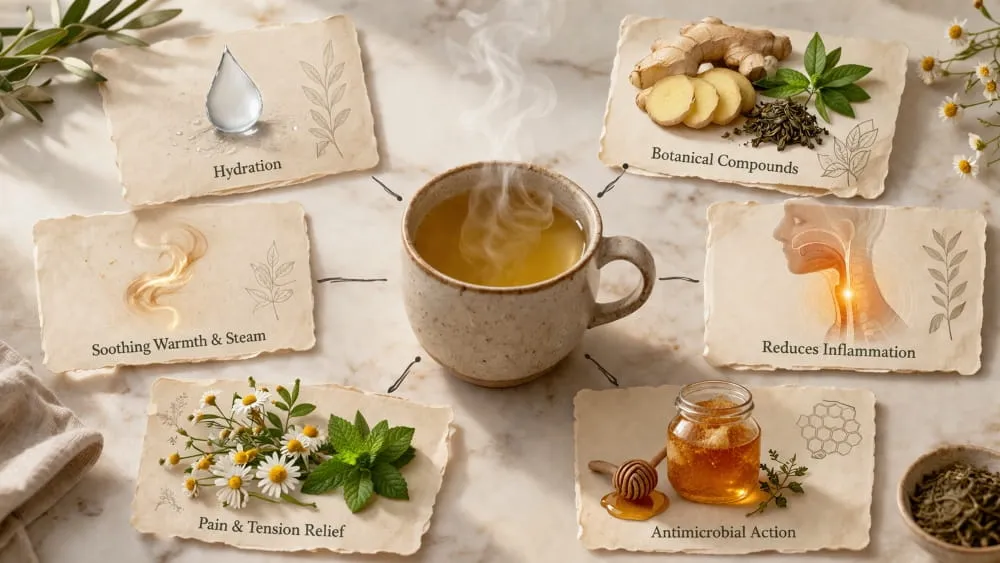
Here’s exactly what tea does for a sore throat, and why it works as well as it does.
Hydration Is the Foundation
Before any botanical compound does its work, the simple act of drinking warm liquid is already helping. A sore throat is an inflamed throat, and inflamed tissue heals faster when it stays moist. Dehydration thickens mucus, dries out mucous membranes, and slows the body’s ability to flush out pathogens, all of which make a sore throat worse and recovery slower.
Drinking tea keeps you consistently hydrated in a way that’s more appealing than plain water when you’re unwell, which means you’re more likely actually to do it. That consistency matters. Steady hydration throughout the day, rather than occasional large glasses of water, is what keeps throat tissue coated, mucus mobile, and the healing environment intact.
Anti-Inflammatory Action
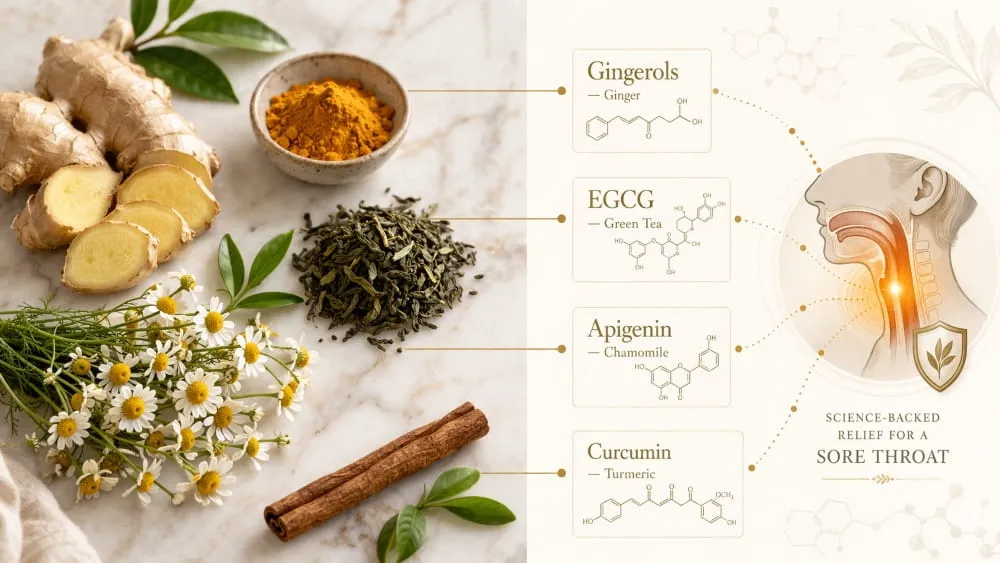
The most direct answer to why tea is good for a sore throat is this: most therapeutic teas contain biologically active compounds that reduce inflammation. Ginger contains gingerols and shogaols that inhibit pro-inflammatory enzymes. Green tea contains EGCG, a polyphenol that suppresses the production of inflammatory cytokines. Chamomile provides apigenin, which interferes with the inflammatory signaling cascade at a molecular level. Turmeric contains curcumin, one of the most studied natural anti-inflammatory compounds.
These aren’t vague wellness claims. Each of these compounds has a documented mechanism, a specific way it interacts with the biological pathways that drive inflammation in your throat tissue. When you drink anti-inflammatory tea for a sore throat, you’re not just soothing symptoms; you’re also helping reduce inflammation. You’re actively reducing the underlying swelling that causes those symptoms.
Antimicrobial Properties
Many of the best teas for a sore throat don’t just address inflammation; they target the cause. Ginger, sage, thyme, clove, oregano, and garlic all contain compounds with demonstrated antibacterial and antiviral activity. Honey, the most universally recommended add-in, has robust antimicrobial properties that have been studied as a wound treatment in clinical settings.
This matters because a sore throat driven by bacterial or viral infection won’t resolve until the immune system gets the upper hand. Tea doesn’t replace that process, but it actively supports it, reducing the pathogen load, creating a less hospitable environment for infection, and giving your immune system the room it needs to do its job.
Why Lemon Tea Is Good for a Sore Throat
Lemon contributes to sore throat relief through several overlapping mechanisms. Its vitamin C content supports immune function at the cellular level, particularly the production and activity of white blood cells. Its citric acid thins and loosens mucus, reducing the congestion that compounds throat discomfort. And its astringent quality has a mild toning effect on inflamed throat tissue, helping to reduce that swollen, raw sensation that makes swallowing so uncomfortable.
Lemon tea also makes the drink more acidic, which creates an environment less favorable to certain bacteria. It isn’t a standalone cure, but as part of a well-constructed sore throat tea, alongside honey and ginger, especially lemon, it earns every bit of its place in the cup.
Why Honey Lemon Tea Is Good for a Sore Throat
The combination of honey and lemon in tea isn’t just traditional, it’s strategically sound. Honey coats and protects. Lemon cuts through mucus and delivers vitamin C. Together, they create a synergistic effect where each ingredient addresses what the other doesn’t. Honey’s thick, antimicrobial coating protects irritated membranes while lemon’s acidity and astringency work on the tissue underneath. The result is a drink that soothes on contact, supports the immune response systemically, and creates conditions that favor healing rather than ongoing irritation.
Add ginger to that combination, and you introduce direct anti-inflammatory action on top of everything else, which is why the honey-lemon-ginger tea combination is, for most people with a sore throat, the single most effective cup they can brew.
The Ultimate Honey Lemon Ginger Tea Recipe for a Sore Throat
If there’s one homemade tea recipe worth memorizing for sore throat relief, this is it. The combination of honey, lemon, and ginger isn’t just a time-honored tradition; it’s a strategically complete remedy. Each ingredient addresses a different dimension of throat discomfort, and together they create something genuinely more effective than any single component alone.
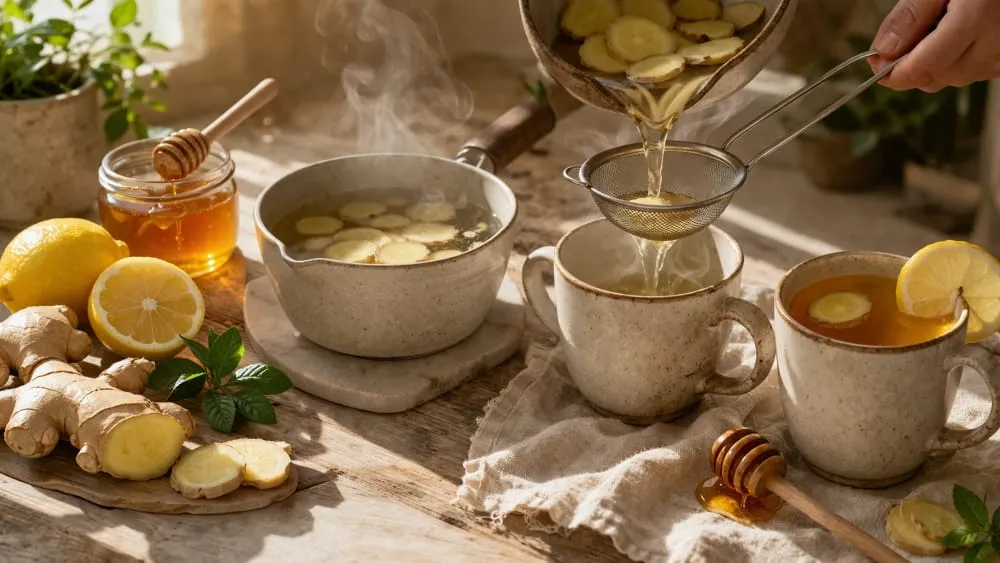
This is the recipe. Simple, proven, and easy to make with ingredients most kitchens already have.
Ingredients You’ll Need
These quantities are for one generous mug; scale up if you’re making a larger batch to sip throughout the day.
- Fresh ginger root, a 1-inch piece, peeled and thinly sliced or grated
- Fresh lemon, half a lemon, juiced (approximately 1 tablespoon)
- Raw honey, 1 to 2 teaspoons, adjusted to taste
- Water, 8 to 10 ounces, just off the boil (around 200°F)
- Optional: a pinch of sea salt, a cinnamon stick, or a chamomile tea bag for additional depth
One note on the honey: raw and unfiltered is non-negotiable if you want the full antimicrobial benefit. Processed commercial honey is predominantly sugar at that point; it tastes similar but performs differently. If you have access to Manuka honey, it’s worth using here.
Step-by-Step Instructions
Making this tea properly takes about twelve minutes from start to finish, most of which is hands-off steeping time.
Step 1: Prepare the ginger. Peel a one-inch piece of fresh ginger root and slice it into thin rounds, or grate it directly into your mug or a small saucepan. Grating releases more surface area and therefore more gingerols, the anti-inflammatory compounds doing the real work here.
Step 2: Steep the ginger. Pour just-boiled water over the ginger and let it steep for eight to ten minutes, covered if possible. Covering the mug traps the volatile aromatic compounds that would otherwise escape with the steam. The longer you steep, the more potent the brew. Ten minutes produces a noticeably stronger, more therapeutic result than five.
Step 3: Strain. If you sliced rather than grated your ginger, strain out the pieces before moving to the next step. If you grated it, you can leave it or strain it, based on your preference. The grated ginger won’t hurt, but the texture bothers some people.
Step 4: Add lemon. Squeeze the juice of half a fresh lemon directly into the steeped ginger water. Stir briefly to combine.
Step 5: Add honey. Allow the tea to cool for sixty to ninety seconds before stirring in the honey. This step matters: honey added to boiling water begins to degrade its enzymes and antimicrobial compounds. You want the tea hot enough to fully dissolve the honey, but not so hot that it destroys what makes honey therapeutic. Stir until fully dissolved.
Step 6: Sip slowly. Don’t rush this cup. Slow, steady sipping keeps your throat coated consistently and gives each ingredient time to make contact with irritated tissue. This isn’t a drink to finish in two minutes; it’s a drink to nurse over fifteen to twenty.
Adding Turmeric, Cayenne, or Slippery Elm
The base recipe is complete on its own, but these additions are worth considering depending on what your throat needs most.
Turmeric: Add a quarter to half teaspoon of ground turmeric to the ginger while steeping, along with a small pinch of black pepper. Black pepper is not optional if you’re adding turmeric; piperine dramatically increases curcumin absorption, turning a modest addition into a genuinely anti-inflammatory upgrade. The resulting tea takes on a golden hue and a slightly earthy, warming flavor that pairs well with the honey.
Cayenne pepper: A very small pinch, no more than a sixteenth of a teaspoon, added after straining, introduces capsaicin, which can help desensitize pain receptors in the throat over repeated use. The honey in the recipe tempers the heat considerably. Start conservatively and adjust based on tolerance.
Slippery elm powder: Half a teaspoon, stirred in after straining, slightly alters the tea’s texture, adding a mild viscosity that coats the throat more thoroughly than a standard liquid. This variation is particularly valuable for severely raw or dry sore throats, where the coating sensation provides the most relief. Slippery elm has almost no flavor, so it doesn’t alter the base recipe’s taste meaningfully.
Loose-leaf tea base: For an added layer of botanical support, brew the ginger in your choice of herbal tea rather than plain water. Vocal Leaf’s Organic Rooibos Chai Tea works beautifully as the base liquid here; its warming chai spices complement the ginger and honey naturally. At the same time, the caffeine-free rooibos foundation adds antioxidant support without disrupting sleep or causing dehydration.
How Often Should You Drink Tea for a Sore Throat?
Consistency matters far more than volume. A single large cup won’t do what four or five smaller cups throughout the day will. The goal is to keep your throat consistently coated, hydrated, and exposed to the therapeutic compounds in your tea, and that requires regular, sustained intake rather than occasional doses.
For most people, three to five cups of warm sore throat tea per day is the practical sweet spot. Morning, mid-morning, afternoon, early evening, and before bed cover the full day without pushing into excessive caffeine territory, particularly if you’re choosing herbal, caffeine-free options. The before-bed cup is especially valuable: overnight is when your throat tends to dry out most, and going to sleep with a well-coated, hydrated throat gives your body better conditions to heal during rest.
There’s no meaningful upper limit for caffeine-free herbal teas. If you’re reaching for green or black tea, be mindful of cumulative caffeine, especially if illness has already disrupted your sleep. Rotating between a caffeinated option during the day and a calming herbal tea, such as chamomile or lemon balm, in the evening is a sensible approach that keeps the therapeutic benefits going around the clock.
Best Teas for a Sore Throat With Cold & Congestion
A sore throat rarely arrives alone. More often, it comes packaged with a runny nose, chest congestion, a lost voice, or the full-body heaviness of a cold or flu. When that’s the case, a generic sore throat remedy isn’t enough; you need a tea that addresses the complete symptom picture, not just the throat in isolation.
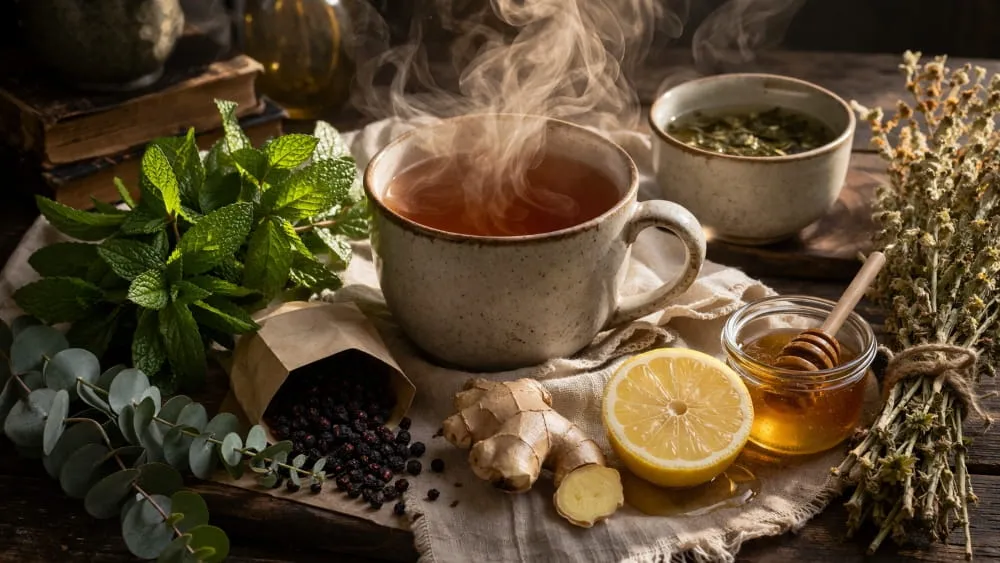
The teas and combinations below are chosen specifically for these overlapping scenarios. Each one targets a distinct set of symptoms while still doing the foundational work of soothing and hydrating an inflamed throat.
Teas That Target Mucus and Chest Congestion
When a sore throat comes with mucus, thick, heavy congestion in the chest or sinuses that makes breathing uncomfortable and compounds the throat irritation, the priority shifts toward expectorants and decongestants rather than pure anti-inflammatories.
Peppermint tea is the most immediate option. Menthol, its active compound, is a natural decongestant that opens airways, thins mucus, and creates the sensation of easier breathing within minutes of drinking a hot cup. The steam alone provides meaningful relief when inhaled over a freshly brewed mug. For chest congestion specifically, mullein tea is one of the most effective herbal options; its saponins actively loosen and help expel mucus from the respiratory tract while simultaneously calming the inflamed tissue beneath.
Ginger tea works well here too, both for its anti-inflammatory properties and its ability to stimulate circulation and warm the respiratory system from within. For the best result against sore throat and chest congestion, combine peppermint and ginger in the same brew, steep both together, add honey and lemon, and you have a cup that addresses mucus, inflammation, and throat pain in a single drink.
Eucalyptus tea, though less commonly found in standard supermarkets, is worth seeking out when congestion is severe. Cineole, its primary active compound, is one of the few natural substances with clinically demonstrated expectorant activity. It thins mucus. It helps clear it from the airways more effectively than most herbal alternatives.
Teas for Sore Throat and Runny Nose
A runny nose alongside a sore throat usually signals a viral upper respiratory infection, the kind where the body is actively flushing the pathogen out through mucus production. The temptation is to suppress that response entirely, but the better approach is to support it while managing the discomfort it causes.
Elderberry tea is a strong first choice in this scenario. Its antiviral properties are well documented, particularly against influenza strains, and it supports immune function without suppressing the mucus response that actually helps your body clear the infection. Echinacea tea pairs well with elderberry here; taken early in illness, it stimulates immune activity. Multiple studies have shown that it reduces the duration and severity of cold symptoms, including a runny nose and sore throat.
Peppermint remains relevant for runny nose relief thanks to its menthol content, which has a mild drying effect on nasal secretions while soothing the throat. Hot tea of any kind helps here simply through steam; consistent exposure to warm, moist air keeps nasal passages from becoming irritated and raw from constant drainage.
Teas for Sore Throat and Lost Voice
Losing your voice on top of a sore throat is a specific kind of misery, and it calls for a specific kind of tea. Standard sore throat remedies help, but vocal cord recovery requires additional attention to laryngeal coating, hydration, and inflammation reduction, rather than just the throat.
The priorities shift toward teas and ingredients that coat deeply and reduce swelling without stimulating or drying the vocal folds. Licorice root tea is one of the most effective options; its thick, mucilaginous quality coats the larynx directly, and its anti-inflammatory glycyrrhizin compounds address the swelling that’s causing the voice loss. Marshmallow root works similarly and can be combined with licorice root for an even more pronounced coating effect.
What to avoid is equally important: caffeinated teas in large quantities can be dehydrating, which is counterproductive when your vocal cords need moisture to heal. Dairy in tea can thicken mucus and interfere with vocal clarity during recovery. And anything too hot or too cold shocks tissue that’s already under stress.
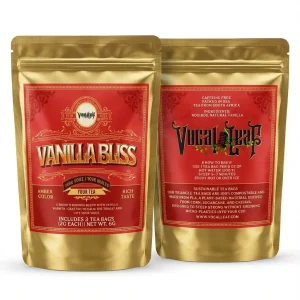
For performers, speakers, podcasters, and anyone whose voice is an essential tool, Vocal Leaf’s Lemon Berry Dream and Vanilla Bliss were crafted with exactly this kind of vocal recovery in mind, blends that soothe, coat, and support the voice rather than working against it. They sit in a category most general sore throat teas don’t occupy: remedies designed not just for comfort, but for vocal function.
Teas for Fever and Sore Throat
When a sore throat comes with fever, the body is in an active immune response, and the approach to tea shifts accordingly. Hydration becomes even more critical because fever accelerates fluid loss, and dehydration compounds both the fever and the throat inflammation.
Elderberry and echinacea teas support the immune response, driving that fever, helping the body resolve the underlying infection more efficiently. Ginger tea is particularly valuable here; it’s a mild diaphoretic, meaning it promotes gentle perspiration, which is one of the body’s natural mechanisms for regulating temperature and clearing fever. A strong cup of hot ginger tea with honey during a fever supports that process rather than suppressing it prematurely.
Hibiscus tea deserves specific mention for this scenario. Rich in vitamin C and anthocyanins, hibiscus has demonstrated mild antipyretic, fever-reducing properties in some studies, alongside strong antioxidant and anti-inflammatory activity. Its tart, vibrant flavor makes it one of the more enjoyable medicinal teas to drink, which encourages the consistent hydration that fever recovery demands above almost everything else.
For a sore throat, headache, and accompanying fever, chamomile is the most appropriate addition. Its mild analgesic and muscle-relaxing properties address the tension headache that often accompanies a high temperature, while its anti-inflammatory flavonoids continue working on the throat itself.
Natural Tea Remedies for a Sore Throat, Soothing, Healing & Caffeine-Free Options
Not every sore throat calls for the most potent herbal arsenal available. Sometimes what you need is a reliably soothing, healing cup of tea that you can drink throughout the day without overthinking it, something gentle enough to sip from morning to bedtime, effective enough to make a real difference, and natural enough to feel good about consuming while your body is working hard to heal.
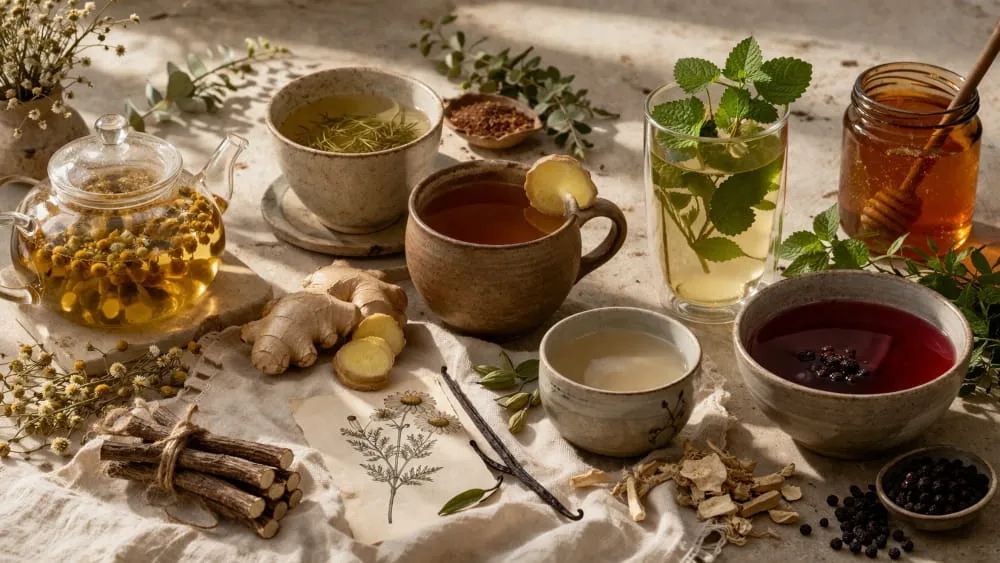
This is where the broader category of natural sore throat tea remedies earns its place. Beyond the heavy hitters like ginger and licorice root, there’s a quieter tier of soothing teas that provide consistent, cumulative relief, the kind that comes from staying hydrated, staying warm, and keeping throat tissue coated and calm across an entire day of recovery.
The Value of Gentle, All-Day Soothing Teas
There’s a meaningful difference between a therapeutic dose and a maintenance dose. Ginger tea with cayenne and turmeric is a therapeutic dose, potent, targeted, and best used strategically. A warm cup of chamomile or rooibos with honey is a maintenance dose, less intense, but equally important because you’ll drink it more consistently, and consistency is what actually drives recovery.
The best home remedy tea for a sore throat isn’t always the strongest one. It’s the one you’ll actually keep drinking every hour or two, because that steady intake keeps your throat moist, keeps anti-inflammatory compounds in your system, and prevents the dry, aggravated tissue conditions that slow healing down.
Caffeine-Free and Decaf Teas for Sore Throat Relief
Caffeine deserves more attention in sore throat recovery than it typically receives. While one or two cups of green or black tea are unlikely to cause problems, excessive caffeine intake during illness has a mild diuretic effect that works against the hydration your body desperately needs. It can also interfere with the rest, which is arguably the single most important factor in how quickly you recover.
Choosing caffeine-free or decaf tea for a sore throat, particularly in the afternoon and evening, removes this variable entirely and lets you drink as much as your body wants without concern. The good news is that the most therapeutically valuable sore throat herbs are almost all naturally caffeine-free: chamomile, rooibos, licorice root, marshmallow root, slippery elm, lemon balm, ginger, and elderberry require no decaffeination process because they never contained caffeine to begin with.
For those who want the flavor and familiarity of traditional tea without the caffeine, a high-quality decaf black tea with raw honey is a perfectly sound choice. It retains much of the astringent, tannin-based throat-soothing quality of regular black tea while eliminating the stimulant effect.
Ayurvedic Teas for Sore Throat
Ayurvedic medicine has a sophisticated tradition of using warming, spiced teas for throat and respiratory conditions, one that predates modern herbalism by thousands of years and holds up well against contemporary understanding of how these ingredients work.
The classic Ayurvedic approach to a sore throat centers on warming spices, ginger, cinnamon, cardamom, clove, and black pepper, which stimulate circulation, clear congestion, reduce inflammation, and create an internal environment hostile to infection. Tulsi, also known as holy basil, is a cornerstone Ayurvedic herb with adaptogenic and antimicrobial properties that has been used for centuries, specifically for throat and respiratory conditions. Tulsi tea for a sore throat has a clean, slightly clove-like flavor and provides genuine immune and anti-inflammatory support that modern research increasingly validates.
Ashwagandha, triphala, and licorice root also appear in traditional Ayurvedic sore throat formulations. However, for everyday home remedy purposes, a simple warming blend of ginger, tulsi, cinnamon, and honey captures the essential therapeutic logic of the Ayurvedic approach without requiring specialist ingredients.
Organic Tea for Sore Throat: Does It Matter?
When you’re drinking multiple cups of tea per day specifically for health reasons, the quality of what’s in your cup matters more than it does during ordinary daily consumption. Conventional tea, particularly in tea bags, can contain pesticide residues, artificial flavoring, and low-grade fannings (the dust and fragments left after higher-grade leaves are processed) that deliver less therapeutic value per cup.
Organic loose-leaf tea for a sore throat removes the pesticide variable entirely. It typically delivers more of the intact botanical compounds responsible for the therapeutic effects you’re drinking it for. Loose leaf also allows for stronger, longer steeping, which matters when you’re trying to extract maximum benefit from herbs like ginger, licorice root, or chamomile rather than simply brewing a flavorful drink.
The shift to organic loose leaf isn’t about purity as a philosophy; it’s about getting more of what actually works into every cup during the days when it matters most.
Building Your Sore Throat Tea Routine
The most effective natural tea remedy for a sore throat isn’t a single cup; it’s a daily rhythm. A practical approach looks something like this: start the morning with a potent ginger-honey-lemon tea to hit inflammation hard early. Move through the day with gentler, caffeine-free soothing teas, chamomile, rooibos, or lemon balm, that keep your throat coated and hydrated without stimulant buildup. End the evening with something deeply calming: chamomile and lemon balm together, or a marshmallow root blend that coats the throat before the long overnight hours when dryness tends to worsen.
That rhythm, therapeutic in the morning, soothing through the day, calming at night, gives your body the most consistent healing environment possible and makes natural tea remedies for a sore throat something more than folklore. It makes them a system.
Best Tea for a Sore Throat for Singers, Speakers & Performers
For most people, a sore throat is a temporary inconvenience. For a singer, speaker, podcaster, or teacher, it’s a professional crisis. When your voice is your instrument, or your livelihood, throat discomfort isn’t something you can simply wait out. You need relief that’s fast, targeted, and specifically suited to the demands of vocal performance, not just the generic comfort of feeling slightly less miserable.
That distinction matters more than most general sore throat guides acknowledge. The needs of a performer’s throat are meaningfully different from those of someone resting at home with a cold.

Why Vocal Performers Need More Than Generic Sore Throat Remedies
A standard sore throat is primarily an inflammation problem. A performer’s sore throat is an inflammation problem with consequences, such as strained vocal cords, reduced range, weakened projection, loss of tone clarity, and, in more serious cases, complete voice loss at exactly the wrong moment.
Vocal cords are extraordinarily delicate structures. They vibrate hundreds of times per second during speech and singing, and when they’re swollen, dry, or irritated, every vibration compounds the damage. Generic sore throat remedies focus almost exclusively on symptom comfort, numbing the pain, and suppressing the cough. What performers need is throat support that goes deeper: ingredients that coat the vocal folds directly, reduce laryngeal inflammation specifically, maintain the mucosal hydration that allows cords to vibrate freely, and support recovery without the drying or stimulating effects that make vocal strain worse.
Menthol lozenges, for instance, a standard sore throat recommendation, can actually dry out vocal tissue despite their cooling sensation. Caffeine in large amounts dehydrates. Dairy thickens mucus and creates a coating on the cords, impairing vibration. Even some herbal teas that work well for general throat discomfort aren’t ideally suited to a performer’s specific recovery needs.
The Best Teas for Vocal Health and Throat Soothing
The ideal performer’s sore throat tea prioritizes three things above all else: deep hydration, mucosal coating, and inflammation reduction at the laryngeal level. Every ingredient and blend should be evaluated against those three criteria.
Licorice root tea sits at the top of this list for performers. It’s thick, coating quality reaches the larynx directly, its anti-inflammatory glycyrrhizin compounds address swelling at the vocal cord level, and its naturally sweet flavor makes it easy to drink consistently throughout a performance day. It’s one of the few herbal teas that specifically addresses vocal cord inflammation rather than general throat discomfort.
Marshmallow root tea is equally important for its mucilage content, that gel-like substance that physically coats and protects delicate throat and laryngeal tissue. For a dry, raw sore throat that’s affecting vocal quality, marshmallow root provides a sustained coating that keeps the vocal environment lubricated between performances or during long speaking engagements.
Slippery elm, chamomile, and lemon balm round out the core performer’s toolkit, each contributing coating, anti-inflammatory, or calming properties that serve the voice specifically rather than just the throat generally.
For performers who want a purpose-built solution rather than assembling individual herbs, Vocal Leaf exists precisely for this reason. Lemon Berry Dream is a thoughtfully crafted loose leaf blend designed with vocal wellness at its center, bright, soothing, and formulated to support the kind of throat comfort that performers actually need, not just the comfort that gets you through a sick day on the couch. Vanilla Bliss offers a warmer, smoother alternative, deeply soothing, caffeine-free, and gentle enough to sip consistently before, during, and after vocal demands without any of the drying or stimulating effects that compromise performance. And when warming spice support is what the throat calls for, Organic Rooibos Chai Tea delivers the anti-inflammatory benefits of chai spices on a caffeine-free rooibos base. This combination works as well before a performance as it does during recovery afterward.
These aren’t generic wellness teas repurposed for a vocal health claim. They’re blends built from the ground up with the performer’s throat in mind.
What to Avoid When Your Voice Is Strained
Knowing what not to drink is as important as knowing what to reach for. Several common sore throat habits actively work against vocal recovery and should be avoided when your voice is under strain.
Caffeine is the most significant offender. A cup or two of green tea is unlikely to cause problems. Still, multiple cups of black tea, coffee, or heavily caffeinated beverages throughout a performance day create a systemic dehydration effect that dries out the very mucous membranes your vocal cords depend on. If caffeine is necessary for energy, offset it deliberately with additional water and caffeine-free herbal teas.
Dairy is the second major pitfall. Milk in tea, chai lattes, and cream-based drinks thicken mucus and create a coating on the vocal cords, impairing vibration and clarity. Performers consistently report that dairy intake before or during vocal use creates a feeling of thickness and obstruction that persists for hours.
Extremely hot liquids shock inflamed tissue. The instinct to drink tea as hot as possible for maximum throat relief is understandable. Still, scalding liquid on already-irritated vocal tissue adds thermal stress to mechanical stress, a combination that slows recovery rather than accelerating it. Aim for warm to comfortably hot, not the temperature that requires caution with every sip.
Finally, alcohol, including whiskey tea, a popular folk remedy, is strongly contraindicated for performers with vocal strain. Alcohol is a vasodilator and desiccant that dries out mucosal tissue and impairs the fine motor control of the laryngeal muscles. It may temporarily dull the pain, but it actively undermines the vocal recovery you need.
The performer’s rule is simple: if it dries, thickens, shocks, or stimulates, it doesn’t belong in your cup when your voice is on the line.
Final Thoughts
A sore throat is one of those things that demands your attention the moment it arrives. It interrupts your day, tests your patience, and, if you rely on your voice professionally, threatens something far more significant than comfort. The good news is that relief doesn’t have to come from a medicine cabinet. It can come from your kettle.
What this guide has made clear is that tea for a sore throat is not a single answer, it’s a system. Ginger for inflammation. Licorice root and slippery elm for coating. Chamomile for pain and tension. Honey and lemon to amplify everything. Hot over cold, warm over scalding, consistent over occasional. The right tea, with the right ingredients, sipped steadily throughout the day, creates a healing environment that works with your body rather than simply numbing what’s happening in it.
If you’re dealing with a standard sore throat, the honey-lemon-ginger combination covered in this guide is where to start, simple, proven, and genuinely effective. If your symptoms come with congestion, reach for peppermint or mullein. If your voice is involved, prioritize coating and hydration above all else, and be as careful about what you avoid as about what you choose.
For singers, speakers, performers, and anyone whose voice is more than just a convenience, this is where Vocal Leaf exists. Not as a generic wellness brand, but as a tea company built specifically around the needs of people who depend on their throat and voice every day. Lemon Berry Dream, Vanilla Bliss, Organic Rooibos Chai Tea, and Organic Loose Leaf Black Tea, each one crafted with throat wellness at the center, not as an afterthought.
Your throat does a lot for you. A good cup of tea is one of the simplest, most effective ways to return the favor.
Brew thoughtfully. Sip consistently. Heal well.
Frequently Asked Questions (FAQ’s)
What tea is best for a sore throat?
Ginger, licorice root, chamomile, and slippery elm are consistently the most effective teas for a sore throat. Ginger leads in anti-inflammatory and antimicrobial strength. Licorice root and slippery elm excel at coating and protecting raw throat tissue. Chamomile combines mild pain relief with muscle-relaxing properties that address both throat discomfort and the tension that comes with persistent coughing. For most people, a honey-lemon-ginger tea or a quality herbal blend built around these ingredients covers the most ground in a single cup.
Is hot tea or cold tea better for a sore throat?
Hot tea is better for a sore throat in almost every situation. Warmth increases circulation to inflamed tissue, loosens mucus, keeps the throat hydrated, and allows the steam to simultaneously soothe the nasal passages. Cold tea can temporarily numb acute pain, but does nothing to address the underlying inflammation and can cause throat muscles to constrict. The exception is when swallowing hot liquid is too painful; in that case, room-temperature tea is preferable to no tea at all. Aim for warm to comfortably hot rather than scalding, which can further irritate sensitive tissue.
Is green tea good for a sore throat?
Yes. Green tea is a strong choice for sore throat relief, particularly when the cause is viral. Its high concentration of EGCG, a polyphenol with well-documented antioxidant and anti-inflammatory properties, works against the inflammatory response driving throat discomfort. Green tea also contains tannins with a mild astringent effect that helps tone swollen throat tissue. Add raw honey and lemon to a hot cup of green tea, and you significantly amplify its therapeutic value.
Is black tea good for a sore throat?
Yes, and it’s particularly effective against bacterial sore throats. Black tea contains theaflavins, polyphenols formed during oxidation, that have demonstrated antimicrobial activity against certain throat pathogens. Its higher tannin content also gives it a stronger astringent effect than green tea, which is helpful for visibly swollen, inflamed throat tissue. A cup of high-quality loose-leaf black tea with raw honey is one of the most accessible and genuinely effective sore-throat remedies available.
Is ginger tea good for a sore throat?
Ginger tea is one of the best teas you can drink for a sore throat. Its active compounds, gingerols and shogaols, directly inhibit the inflammatory pathways responsible for throat swelling and pain. Ginger also has natural antimicrobial properties, making it effective regardless of whether your sore throat is viral or bacterial. Freshly brewed ginger tea from sliced or grated root delivers significantly more therapeutic potency than ginger-flavored tea bags.
Is chai tea good for a sore throat?
Chai tea is a genuinely useful sore throat remedy, primarily because of its spice blend. Traditional chai contains ginger, cinnamon, cardamom, clove, and black pepper, each of which brings anti-inflammatory, antimicrobial, or circulatory benefits. The warming effect of chai is immediate and comforting, and the combination of spices creates a multi-action therapeutic profile in a single cup. For the best sore-throat relief, choose a caffeine-free chai base, such as rooibos chai, to avoid the dehydrating effects of excessive caffeine during illness.
Is lemon ginger tea good for a sore throat?
Lemon ginger tea is one of the most complete natural sore throat remedies available. Ginger delivers direct anti-inflammatory action through gingerols, while lemon contributes vitamin C for immune support, citric acid to thin mucus, and an astringent quality that tones inflamed throat tissue. Together, they address inflammation, infection, mucus, and immune response simultaneously. Add raw honey, and you have a three-ingredient remedy that covers nearly every dimension of sore throat discomfort in a single cup.
Is honey in tea good for a sore throat?
Honey is one of the most effective ingredients for sore throat relief, and adding it to tea is strongly recommended. Raw honey has antimicrobial properties, forms a protective coating over irritated throat tissue, and has been shown in clinical studies to effectively reduce throat pain and cough frequency. The key is using raw, unfiltered honey; processed commercial honey loses much of its therapeutic activity during heating and filtration. Stir it into tea that has cooled slightly rather than boiling water to preserve its active compounds.
Is herbal tea good for a sore throat?
Herbal tea is consistently the best category of tea for sore throat relief. Unlike green or black tea, herbal teas are naturally caffeine-free, allowing unrestricted consumption throughout the day without concerns about dehydration, and many are rich in anti-inflammatory, antimicrobial, and throat-coating compounds that address sore throat symptoms most directly. Chamomile, ginger, licorice root, slippery elm, marshmallow root, and elderberry are among the most therapeutically valuable options within this category.
Is rooibos tea good for a sore throat?
Rooibos is a solid sore throat tea, particularly valued for all-day sipping. It’s naturally caffeine-free, rich in antioxidants including aspalathin and nothofagin, and has mild anti-inflammatory properties that provide gentle but consistent throat support. Its naturally smooth, slightly sweet flavor makes it one of the most palatable options for drinking in volume throughout a sick day, and staying consistently hydrated is one of the most important factors in sore throat recovery. Combined with honey and ginger, rooibos becomes considerably more therapeutic.
Is iced tea good for a sore throat?
Iced tea is not the optimal choice for a sore throat, but it isn’t without value. Cold can temporarily numb throat pain and may be easier to swallow when inflammation is severe. However, cold beverages do nothing to loosen mucus, promote circulation, or deliver the steam-based relief that hot tea provides. If iced tea is all you can manage due to pain or preference, it still contributes hydration, which matters. But wherever possible, warm or hot tea will provide meaningfully better therapeutic results.
Is licorice root tea good for a sore throat?
Licorice root tea is one of the most effective herbal teas for sore throat relief, and one of the most underused. Its primary active compound, glycyrrhizin, has demonstrated antiviral and anti-inflammatory properties in research. Beyond its biochemical activity, licorice root has a naturally thick coating quality that physically soothes raw throat tissue on contact, making it particularly valuable for dry, scratchy sore throats where the sensation of rawness is the dominant complaint. It tastes mildly sweet and pairs well with ginger and honey.
Is chamomile tea good for a sore throat?
Chamomile is one of the best teas for a sore throat, especially when pain and muscle tension are prominent symptoms. Its active compound apigenin has both anti-inflammatory and mild analgesic properties; it reduces swelling and gently dulls pain simultaneously. Chamomile also has antispasmodic effects that relax the throat and neck muscles tightened by persistent coughing. It’s caffeine-free, gentle enough to drink throughout the day, and particularly well-suited as an evening tea when throat discomfort is interfering with sleep.
How often should you drink tea for a sore throat?
Three to five cups per day is the practical sweet spot for most people. Consistency matters more than volume; steady sipping throughout the day keeps throat tissue coated, maintains hydration, and ensures a continuous presence of therapeutic compounds in your system. A strong ginger, honey, and lemon tea in the morning, gentler herbal teas throughout the day, and a calming chamomile or lemon balm blend before bed make up an effective daily rhythm. For caffeine-free herbal teas, there is no meaningful upper limit; drink as frequently as comfort and thirst dictate.
What should I put in tea for a sore throat?
Raw honey is the single most important addition; it coats, protects, and actively fights infection. Fresh lemon juice adds vitamin C, thins mucus, and tones inflamed tissue. Fresh ginger or ground ginger brings direct anti-inflammatory action. A pinch of turmeric with black pepper adds curcumin-based inflammation relief. These four additions together, honey, lemon, ginger, and turmeric, cover the most therapeutic ground and complement virtually any herbal tea base you choose.
Can I drink caffeinated tea when I have a sore throat?
Yes, in moderation. One or two cups of green or black tea per day is unlikely to cause problems and provides genuine therapeutic benefits through its polyphenol content. The concern arises with excessive caffeinated tea consumption during illness, caffeine has a mild diuretic effect that works against the deep hydration your body needs to heal. It can also interfere with the rest that is critical to recovery. A sensible approach is to use caffeinated teas earlier in the day for their therapeutic properties, then switch to caffeine-free herbal options in the afternoon and evening.
Is tea good for a sore throat caused by acid reflux?
Yes, but the choice of tea matters significantly. Acid reflux causes a sore throat through a different mechanism than infection: stomach acid irritating the esophagus and throat tissue rather than an immune response to a pathogen. The best teas for a reflux-related sore throat are those with coating and pH-neutralizing properties: marshmallow root, slippery elm, and licorice root are the top three, as their mucilage content physically protects the esophageal lining from further acid exposure. Chamomile and ginger also help calm the digestive system and reduce acid production. Avoid peppermint tea specifically for reflux-related throat issues; menthol relaxes the lower esophageal sphincter, which can worsen acid reflux symptoms despite its general soothing reputation.