
Best Teas for Inflammation | Guide to Nature’s Most Powerful Anti-Inflammatory Herbs

The best tea for inflammation depends on where and how inflammation is affecting you. For systemic and gut inflammation, rooibos and black tea offer daily anti-inflammatory support through aspalathin and theaflavins. For joint and muscle inflammation, black tea’s L-theanine helps modulate the cortisol response that drives joint stiffness. All Vocal Leaf teas are naturally caffeine-free or made with clean, whole-leaf caffeine, never chemically decaffeinated, so you can drink consistently without compounding adrenal inflammation.
Inflammation is one of the most talked-about topics in modern wellness, and for good reason. Whether it shows up as a stiff joint after a long day, a persistent ache in the gut, or the low-grade systemic inflammation that quietly underpins chronic disease, what you put in your body matters more than most people realize. And one of the simplest, most evidence-supported tools at your disposal is also one of the oldest: tea.
This guide covers everything you need to know, which teas genuinely fight inflammation, why they work at a biochemical level, and how to make anti-inflammatory tea a consistent and pleasurable part of your daily life.
What Is Inflammation, And Why Does Tea Help?
Acute vs. Chronic Inflammation: What’s the Difference?
Not all inflammation is the enemy. Acute inflammation is your immune system doing exactly what it should: rushing blood and immune cells to an injury or infection to begin the healing process. It is temporary, purposeful, and necessary.
Chronic inflammation, however, is a different story entirely. It occurs when the inflammatory response lingers long after the initial trigger has passed, or when it fires persistently without a clear external cause. Chronic low-grade inflammation has been linked in the scientific literature to conditions ranging from arthritis and inflammatory bowel disease to cardiovascular disease, metabolic syndrome, and cognitive decline. It is quiet, systemic, and often invisible, which makes daily dietary choices all the more important as a long-term defense.

How Polyphenols, Antioxidants, and Adaptogens Work Against Inflammation
Tea plants, both true teas from Camellia sinensis and herbal botanical infusions, are exceptionally rich in bioactive compounds that directly modulate the inflammatory response. The most important of these are polyphenols, a broad class of antioxidants that neutralize the free radicals responsible for oxidative stress, a key driver of chronic inflammation.
Beyond polyphenols, many anti-inflammatory teas contain adaptogens (compounds that help the body regulate its stress response, itself a major inflammation trigger), volatile oils with direct anti-inflammatory and antispasmodic properties, and specific phytochemicals like curcuminoids, gingerols, and aspalathin that inhibit pro-inflammatory cytokines and enzymes, including COX-2 and NF-κB, the same pathways targeted by many over-the-counter anti-inflammatory medications.
What to Look for in an Anti-Inflammatory Tea
Not all teas are created equal. When evaluating any tea for its anti-inflammatory potential, look for whole-leaf or whole-herb formulations, which preserve the full spectrum of bioactive compounds. Organic sourcing matters; pesticide residues can trigger the very inflammation you are trying to reduce. And caffeine content is worth considering: while moderate amounts of caffeine are well-tolerated by most, those managing stress-related inflammation, adrenal fatigue, or sleep disruption may benefit most from naturally caffeine-free botanicals.
At Vocal Leaf, every blend is made from certified organic, whole-ingredient botanicals, never chemically decaffeinated, never artificially flavored, and always formulated with both wellness and flavor in mind.
The Best Teas for Inflammation, Ranked
These are the teas with the strongest evidence base, the broadest range of anti-inflammatory applications, and the longest track record of use in traditional medicine traditions worldwide.

1. Green Tea, The Antioxidant Powerhouse
If there is one tea that belongs in any serious conversation about anti-inflammatory nutrition, it is green tea. Its most studied compound, epigallocatechin gallate (EGCG), is one of the most potent antioxidant polyphenols found in any food or drink. EGCG has been shown in numerous clinical studies to suppress key inflammatory pathways, reduce inflammatory markers like C-reactive protein (CRP), and support long-term protection against chronic inflammatory disease.
Green tea also contains L-theanine, an amino acid that promotes calm, focused alertness by modulating stress-related neurotransmitters, which is important because psychological stress is itself a significant driver of systemic inflammation. The caffeine in green tea is moderate and balanced by L-theanine, making it a cleaner, gentler stimulant than coffee for those who are sensitive.
Best for: General systemic inflammation, brain inflammation, skin inflammation, metabolic inflammation.
2. Ginger Tea, Nature’s Anti-Inflammatory Root
Ginger (Zingiber officinale) is among the most studied plants on earth for its anti-inflammatory effects, and few natural remedies have as much clinical support. Its key compounds, gingerols and shogaols, inhibit COX and LOX enzymes, the same enzymes blocked by common NSAIDs like ibuprofen, but without the gastrointestinal side effects associated with long-term pharmaceutical use.
Ginger tea is particularly effective for gut inflammation, nausea, inflammatory arthritis, and post-exercise muscle soreness. It works well both acutely (after a flare) and as a preventive daily practice.
Best time to drink ginger tea for inflammation: First thing in the morning on an empty stomach, or 30 to 60 minutes before a meal to prime digestive function.
Best for: Joint inflammation, arthritis, gut inflammation, intestinal inflammation, post-exercise inflammation.
3. Turmeric Tea, Curcumin and the Inflammation Response
Curcumin, the active compound in turmeric (Curcuma longa), is one of the most intensively researched natural anti-inflammatories in the world. It directly suppresses the NF-κB signaling pathway, a master switch of inflammation. It has shown efficacy in clinical trials for conditions such as rheumatoid arthritis, inflammatory bowel disease, and metabolic syndrome.
One important note: curcumin has low bioavailability on its own. Bioavailability is significantly enhanced when combined with piperine (from black pepper) or consumed alongside fat. Look for turmeric blends that account for this, or pair your cup with a small amount of food that contains healthy fat.
Best for: Arthritis, joint, gut, and liver inflammation, and systemic inflammation.
4. Chamomile Tea, Calming Inflammation from the Inside Out
Chamomile (Matricaria chamomilla) is one of the most ancient medicinal plants in the world, and its anti-inflammatory reputation is thoroughly earned. Its primary bioactive compound, apigenin, is a flavonoid that binds to receptors in the nervous system to reduce anxiety and promote sleep, both of which are critical levers for controlling chronic inflammation.
Chamomile also contains terpenoids with direct anti-inflammatory and antispasmodic effects on the gut, making it particularly effective for stomach inflammation, irritable bowel, and intestinal cramping.
Best for: Gut, stomach, and sinus inflammation; stress-driven systemic inflammation; and sleep-related inflammation.
5. Rooibos Tea, Caffeine-Free and Rich in Aspalathin
Rooibos (Aspalathus linearis), indigenous to the Cederberg mountains of South Africa, has a unique phytochemical profile that sets it apart from nearly every other anti-inflammatory botanical. Its standout compound, aspalathin, is found in no other plant in the world. Aspalathin has demonstrated anti-inflammatory, antioxidant, and anti-diabetic properties in research, and rooibos as a whole has shown promising results in reducing oxidative stress markers and inflammatory mediators.
Crucially, rooibos is naturally and completely caffeine-free, not through chemical processing, but by its botanical nature. For those managing stress-related or adrenal inflammation, or anyone who benefits from high-volume daily tea consumption without caffeine loading, rooibos is an ideal cornerstone beverage.
Best for: Skin inflammation, acne inflammation, gut inflammation, adrenal-related inflammation, and daily maintenance.
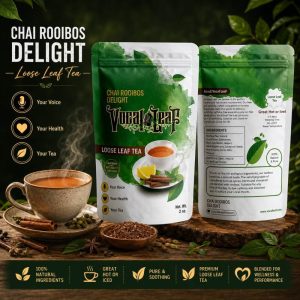
→ Organic Rooibos Chai Tea, A warming, spiced rooibos blend that layers the anti-inflammatory power of rooibos with the benefits of ginger, cinnamon, and clove. Naturally caffeine-free, never chemically decaffeinated.
6. Peppermint Tea, Cooling Sinus, Gut, and Throat Inflammation
Menthol, the primary volatile oil in peppermint (Mentha piperita), acts as a natural antispasmodic and mild anti-inflammatory agent, particularly in the digestive tract. Research supports peppermint’s efficacy in relieving the symptoms of irritable bowel syndrome, a condition characterized by chronic low-grade intestinal inflammation, and it has been traditionally used for sinus congestion, throat inflammation, and headache related to tension or sinus pressure.
Peppermint tea is naturally caffeine-free and provides a clean, refreshing alternative for those who want anti-inflammatory support without the warming profile of spiced botanicals.
Best for: Gut, intestinal, sinus, and throat inflammation, and bloating.
7. Licorice Root Tea, The Gut Lining Soother
Deglycyrrhizinated licorice (DGL) has a long history in both Eastern and Western herbal medicine for supporting the mucosal lining of the stomach and intestines. Licorice root contains glycyrrhizin and flavonoids that demonstrate anti-inflammatory effects, particularly along the gastrointestinal tract. It is used by herbalists specifically for conditions characterized by gut lining irritation and inflammation, including gastritis, ulcers, and leaky gut.
Note: licorice root in its whole, non-deglycyrrhizinated form should be consumed in moderation, as high doses over extended periods can affect blood pressure.
Best for: Stomach, gut lining, Crohn’s, and esophageal inflammation.
8. Holy Basil (Tulsi) Tea, Adaptogenic Inflammation Defense
Tulsi (Ocimum tenuiflorum), known as Holy Basil in the Ayurvedic tradition, is revered as one of the most potent adaptogenic herbs on earth. Its anti-inflammatory action operates through multiple pathways: direct inhibition of COX enzymes, modulation of the HPA axis (the stress-inflammation feedback loop), and antioxidant activity from its high eugenol and rosmarinic acid content.
Because Tulsi addresses the stress-inflammation connection at its root, it is particularly valuable for those whose inflammation is driven or worsened by chronic psychological stress. This category includes a significant proportion of people dealing with modern lifestyle-related inflammation.
Best for: Stress-related systemic, brain, skin, and respiratory inflammation.
9. Rosehip Tea, Vitamin C and Joint Support
The fruit of the rose plant (Rosa canina) is one of the most concentrated natural sources of vitamin C, and vitamin C is a critical cofactor in collagen synthesis, the structural protein of joints, cartilage, and connective tissue. Rosehip also contains galactolipids, a class of fatty acid compounds that have shown specific anti-inflammatory effects on osteoarthritis in clinical trials, reducing pain scores and inflammatory markers in arthritic subjects.
Best for: Joint, arthritis, skin, and immune-driven inflammation.
10. Black Tea, Theaflavins and Systemic Inflammation
Black tea, made from fully oxidized Camellia sinensis leaves, contains a distinct class of polyphenols, theaflavins and thearubigins, formed during the oxidation process. These compounds have demonstrated anti-inflammatory effects in research, including reductions in inflammatory cytokines and LDL oxidation. Black tea is also one of the most reliably sourced caffeinated beverages, with its L-theanine content providing a smooth, sustained energy profile that does not spike cortisol the way coffee often does.
Best for: Cardiovascular inflammation, metabolic inflammation, gut microbiome support, and daily systemic protection.
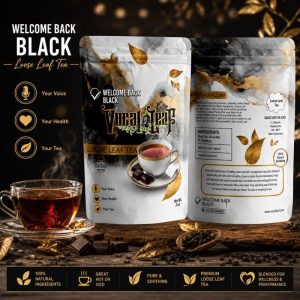
→ Organic Loose Leaf Black Tea,A smooth, full-bodied organic black tea. Clean caffeine, whole Leaf, and sourced with the vocal health community in mind.
Best Tea for Gut and Stomach Inflammation
How Gut Inflammation Differs from Systemic Inflammation
The gastrointestinal tract is not just a digestive organ; it is home to an estimated 70-80% of the body’s immune tissue. The gut microbiome, the integrity of the gut epithelial lining, and the interaction between gut bacteria and immune cells are all central regulators of systemic inflammation. When the gut is inflamed, the rest of the body often follows.
Gut inflammation can manifest as visible symptoms, bloating, cramping, diarrhea, and reflux. Still, it can also be subclinical, contributing to fatigue, skin issues, brain fog, and immune dysregulation without obvious digestive complaints. This makes teas that support gut health among the most broadly valuable anti-inflammatory choices you can make.

Top Teas for IBS, Crohn’s, and Intestinal Inflammation
For active intestinal inflammation, the botanicals with the strongest clinical support are ginger (for its COX-inhibiting gingerols), chamomile (for its antispasmodic and mucosal-soothing terpenoids), peppermint (specifically for IBS-related smooth muscle spasm), and licorice root (for its mucoadhesive and gut-lining-protective compounds). Rooibos and turmeric are excellent daily maintenance choices for those managing chronic inflammatory bowel conditions.
Best Herbal Teas for Bloating and Digestive Discomfort
Fennel, peppermint, and chamomile form the classic triad for bloating and digestive inflammation. Fennel seeds contain volatile oils, including anethole, that relax smooth muscle and reduce gas. Peppermint’s menthol has the same antispasmodic effect. Chamomile soothes the gut wall and calms the nervous system, because the gut-brain connection frequently amplifies digestive inflammation; a calm mind is often the best gut anti-inflammatory of all.
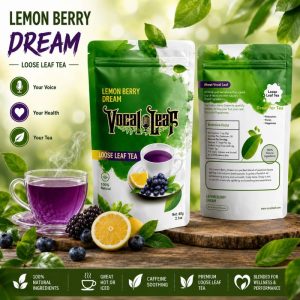
→ Lemon Berry Dream, A bright, citrus-forward blend with soothing botanicals designed to support both comfort and digestive ease. Naturally caffeine-free.
Best Tea for Joint Pain and Arthritis Inflammation

Which Compounds Specifically Target Joint Inflammation?
Several bioactive compounds have demonstrated specific efficacy for the kind of inflammation found in arthritic joints. Curcumin in turmeric directly inhibits the inflammatory enzymes, COX-2 and 5-LOX, responsible for prostaglandin and leukotriene production, the primary biochemical drivers of joint pain and swelling. Gingerols in ginger share a similar mechanism, while galactolipids in rosehip have shown efficacy specifically for osteoarthritis in multiple clinical trials.
Green tea’s EGCG has shown the capacity to suppress proteoglycan degradation, one of the mechanisms by which arthritis progressively destroys cartilage, suggesting that green tea may offer not just symptomatic relief but some degree of structural protection over time.
Ginger vs. Turmeric for Arthritis, Which Works Better?
Both are well-supported, and they work differently enough that combining them is often the most effective approach. Ginger acts more rapidly; its anti-inflammatory effects can be felt relatively quickly, making it well-suited for acute flares or post-activity soreness. Turmeric’s curcumin works more slowly and systematically, modulating inflammation-related gene expression over time rather than providing immediate relief. A daily cup of turmeric tea with a ginger and rooibos blend addresses both the acute and long-term dimensions of joint inflammation.
How to Build a Daily Anti-Inflammatory Tea Ritual for Joint Health
Morning: ginger or turmeric tea with a small amount of fat (a splash of oat or coconut milk) to enhance curcumin absorption. Midday: green tea for its systemic antioxidant coverage and L-theanine. Evening: chamomile or rooibos to reduce cortisol before sleep, since overnight cortisol spikes are a significant driver of morning joint stiffness.
Best Tea for Specific Inflammation Types

Best Tea for Throat and Sinus Inflammation
For throat inflammation, whether from overuse, illness, or irritation, marshmallow root tea is perhaps the most targeted botanical available, coating the mucous membranes with a demulcent film that soothes inflamed tissue on direct contact. Peppermint and eucalyptus teas address sinus inflammation via menthol’s natural decongestant action. Licorice root’s anti-inflammatory and mucosal-protective properties make it a dual-purpose choice for both throat and sinus inflammation.
For singers, speakers, and voice professionals, reducing throat inflammation is not simply a wellness goal; it is a performance necessity. This is one of the foundational reasons Vocal Leaf blends prioritize botanicals with genuine mucosal and anti-inflammatory support.
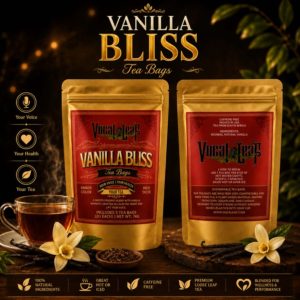
→ Vanilla Bliss A deeply soothing, naturally caffeine-free blend with warm botanicals specifically formulated to comfort the throat and calm vocal inflammation.
Best Tea for Skin and Acne Inflammation
Skin inflammation, whether in the form of acne, eczema, rosacea, or generalized reactivity, is almost always rooted in a combination of systemic inflammation, oxidative stress, and, sometimes, gut dysbiosis. The most effective teas for skin inflammation address all three simultaneously: rooibos (antioxidant and anti-inflammatory, and gentle on the gut microbiome), green tea (EGCG reduces sebum oxidation and systemic inflammatory load), and spearmint tea (shown in a clinical trial to reduce androgen-driven acne with consistent twice-daily consumption).
Best Tea for Lung and Chest Inflammation
Mullein leaf tea has the longest-standing tradition for treating respiratory inflammation; its saponins have an expectorant action that helps clear mucus from the lungs and bronchi. Thyme tea contains thymol, a phenolic compound with demonstrated antimicrobial and anti-inflammatory effects on respiratory tissue. Licorice root supports the respiratory mucosa in the same way it supports the gut lining, as a soothing, anti-inflammatory demulcent.
Best Tea for Kidney and Bladder Inflammation
Dandelion leaf tea acts as a gentle diuretic, supporting kidney function and reducing the buildup of inflammatory compounds in the urinary tract. Corn silk tea has a long history of use for bladder inflammation and urinary tract irritation. Goldenrod tea is used in herbal medicine specifically for kidney inflammation, though clinical evidence remains preliminary. For anyone with recurring urinary tract issues or kidney inflammation, all of these teas should be consumed alongside adequate plain water, not as a substitute.
Best Tea for Liver Inflammation
Milk thistle tea stands virtually unchallenged for liver inflammation; its active compound, silymarin, has been studied extensively for hepatoprotective effects, including reduction of inflammatory liver enzymes. Dandelion root tea supports bile production and liver detoxification pathways. Green tea has also shown liver-protective properties in research on fatty liver disease.
Best Tea for Other Specific Conditions
For brain inflammation: green tea (EGCG crosses the blood-brain barrier), turmeric, and tulsi. For gum inflammation, green tea mouthwash and rinse have been studied directly for periodontal inflammation. For prostate inflammation, green tea and nettle root have the strongest evidence base among botanical teas. For Crohn’s and intestinal inflammation, turmeric, licorice root, and chamomile have the most clinical backing.
Best Herbal Teas for Inflammation: A Deeper Look

What Makes a Tea ‘Herbal’ vs. True Tea?
True teas are all derived from the Camellia sinensis plant; green, white, oolong, black, and pu-erh are all true teas, processed differently but from the same botanical source. Herbal teas, sometimes called tisanes, are infusions of any other plant material: roots, leaves, flowers, bark, seeds, or fruits. The distinction matters for anti-inflammatory purposes because true teas and herbal teas have completely different phytochemical profiles and work through different mechanisms.
The Most Studied Anti-Inflammatory Herbs
Among herbal teas specifically, ginger, turmeric, chamomile, peppermint, rooibos, tulsi, and echinacea have the deepest evidence bases for anti-inflammatory applications. Each targets inflammation differently, which is why rotating or combining complementary botanicals generally outperforms reliance on any single herb.
Loose Leaf vs. Tea Bags: Does It Affect Anti-Inflammatory Potency?
Yes, meaningfully so. Whole-leaf and whole-herb loose-leaf teas preserve the full surface area, volatile oil content, and structural complexity of the original plant material. Commercial tea bag products, particularly those processed with CTC (cut, tear, curl), have significantly greater surface area exposure before brewing, which accelerates the degradation of volatile anti-inflammatory compounds during storage. Loose leaf teas, brewed in an infuser that allows full expansion, extract more completely and retain more of their bioactive potential from harvest to cup.
Best Homemade Anti-Inflammatory Tea Blends
Golden milk tea: turmeric, ginger, cinnamon, black pepper, and a splash of milk. Triple anti-inflammatory: equal parts ginger root, chamomile flowers, and rooibos. Morning antioxidant blend: green tea with a slice of fresh ginger and a squeeze of lemon. Evening calm blend: chamomile, lavender, and a rooibos base for sweetness without caffeine.
How and When to Drink Tea for Inflammation

Best Time of Day to Drink Anti-Inflammatory Tea
Morning is well-suited to caffeinated anti-inflammatory teas, such as green or organic black tea, where L-theanine moderates caffeine’s tendency to spike cortisol. At the same time, you benefit from EGCG and theaflavin activity during the day’s most metabolically active period. Ginger tea is most effective for gut inflammation when taken first thing in the morning on an empty stomach, allowing its gingerols to come into direct contact with the gastrointestinal lining before food arrives.
Midday is a natural window for turmeric tea, taken with food to enhance curcumin absorption. Evening belongs to the naturally caffeine-free botanicals: chamomile, rooibos, and tulsi, all of which support the cortisol decline that healthy sleep requires. Sleep is one of the most powerful anti-inflammatory processes the body has, and anything that supports deep, restorative sleep is, by extension, anti-inflammatory.
How Much Tea Do You Need to See Results?
Most of the clinical research supporting tea’s anti-inflammatory effects used consumption of between two and four cups per day of the relevant botanical. One cup is better than none, but the dose-response relationship is real; more consistent daily consumption generally yields more pronounced and durable anti-inflammatory effects. The good news is that with a variety of high-quality teas in rotation, reaching three cups a day is not a discipline challenge. It becomes a pleasure.
Hot vs. Cold Brewing for Anti-Inflammatory Compounds
Cold brewing preserves some volatile compounds that degrade under heat, particularly certain aromatic terpenes and delicate polyphenols. However, heat extraction is generally more efficient for most anti-inflammatory compounds, including catechins, gingerols, and curcuminoids, which require heat to release from plant cell walls fully. For most anti-inflammatory applications, hot brewing remains the gold standard. Cold brew is a lovely option for green tea in warm weather, producing a noticeably smoother, less astringent cup.
Best Time to Drink Ginger Tea for Inflammation Specifically
For systemic and joint inflammation, the most studied protocol is consistent daily consumption; timing matters less than regularity. For gut inflammation specifically, the first thing in the morning, on an empty stomach, maximizes mucosal contact. For post-exercise muscle inflammation, consuming ginger tea within an hour of training has been shown to reduce delayed-onset muscle soreness more effectively than waiting until the following day.
What the Evidence Actually Says About Tea and Inflammation
The Most Evidence-Backed Anti-Inflammatory Teas
If you want the teas with the most robust and reproducible human clinical evidence, not just in vitro or animal model data, the short list looks like this: green tea (EGCG, CRP reduction, cardiovascular inflammation), ginger (COX inhibition, arthritis, muscle soreness), turmeric/curcumin (NF-κB suppression, IBD, metabolic inflammation), chamomile (gut inflammation, anxiety-driven inflammation), and rooibos (oxidative stress, metabolic inflammation). These five have the deepest bodies of human research and would constitute a strong evidence-based anti-inflammatory tea practice on their own.
What the Research Actually Shows
A 2020 meta-analysis of green tea supplementation found significant reductions in serum CRP levels, a key circulating marker of systemic inflammation. A 2015 clinical trial found that participants with knee osteoarthritis who consumed ginger extract experienced significantly reduced pain and lower levels of inflammatory markers compared to placebo. Multiple trials of curcumin supplementation in inflammatory bowel disease have shown statistically significant improvements in clinical remission rates.
The honest caveat is that most tea research uses concentrated extracts at doses that exceed those in a typical cup. However, the evidence for consistent, daily moderate consumption is meaningful, particularly when combined with an otherwise anti-inflammatory dietary pattern.
Teas That Are Overhyped vs. Genuinely Effective
Overhyped: detox teas marketed as anti-inflammatory often contain laxative herbs (senna, cascara) that have nothing to do with inflammation and everything to do with water loss. Similarly, many ‘inflammation-fighting’ tea blends contain too few active botanicals to deliver meaningful doses. What you want are single-ingredient or clearly labeled botanical blends where the key anti-inflammatory herbs are among the first listed ingredients, not buried at the bottom of a proprietary blend.
The Vocal Leaf Approach to Anti-Inflammatory Tea
Vocal Leaf was built on a premise that most tea brands overlook: the people who depend on their physical wellness most acutely, singers, speakers, teachers, podcasters, and performers, need tea that actually does something. That means organic sourcing, whole-ingredient formulations, and a commitment to never chemically decaffeinate anything we offer as naturally caffeine-free.
Every Vocal Leaf blend is formulated with both flavor and function in mind. Our caffeine-free options are naturally caffeine-free, not processed to remove caffeine. Our caffeinated teas leverage L-theanine’s ability to smooth and sustain the caffeine experience, supporting focus without the cortisol spike that undermines the anti-inflammatory work you are trying to do.
Whether you are managing chronic inflammation, recovering from performance strain, or simply building a daily wellness practice that holds, these blends are made for you.
→ Lemon Berry Dream, Bright, citrus-forward, naturally caffeine-free. A daily comfort blend with genuine botanical function.
→ Organic Loose Leaf Black Tea, Whole-leaf, clean caffeine, rich in theaflavins. The anti-inflammatory breakfast tea.
→ Organic Rooibos Chai Tea, Rooibos, ginger, and warming spices. Naturally caffeine-free, deeply anti-inflammatory.
→ Vanilla Bliss, Soothing, sweet, and caffeine-free. A gentle daily ritual for throat, gut, and body.
Frequently Asked Questions (FAQ’s)
What is the best tea for inflammation in the body?
Green tea is the most widely studied and recommended tea for systemic inflammation, primarily due to its high EGCG content. For a fully caffeine-free option with comparable antioxidant breadth, rooibos is an excellent daily alternative.
What herbal tea is best for inflammation?
Ginger tea has the strongest evidence base among herbal (non-Camellia sinensis) teas for anti-inflammatory effects, particularly for joint, gut, and muscle inflammation. Chamomile and turmeric are close runners-up with strong specific application profiles.
What is the best tea for gut inflammation?
Chamomile, ginger, and peppermint are among the most evidence-supported options for gut and intestinal inflammation. Chamomile is particularly effective for inflammation with a nervous system component; ginger for active inflammatory conditions; peppermint for spasm-related IBS symptoms.
Is ginger or turmeric tea better for inflammation?
They target inflammation differently. Ginger works more acutely and is better for immediate flares, post-exercise soreness, and gut inflammation. Turmeric’s curcumin is a slower-acting, deeper systemic anti-inflammatory that works best taken consistently over time. Both together are more effective than either alone.
What is the best tea for joint pain and inflammation?
Ginger, turmeric, and rosehip all have clinical evidence for joint inflammation specifically. Ginger and turmeric target the enzymatic drivers of joint inflammation; rosehip’s galactolipids have shown efficacy in osteoarthritis trials.
What is the best time to drink ginger tea for inflammation?
For gut inflammation, first thing in the morning on an empty stomach. For post-exercise muscle inflammation, within one hour of training. For joint inflammation, daily consistency matters more than specific timing.
Can tea actually reduce inflammation?
Yes, with important nuance. The evidence for tea’s anti-inflammatory effects is genuine and substantial, particularly for green tea and ginger. Most clinical research uses concentrated extracts, but consistent daily consumption of high-quality whole-leaf or whole-herb teas produces measurable reductions in inflammatory markers over time.
What is the best loose leaf tea for inflammation?
In terms of anti-inflammatory potency and quality, whole-leaf green tea (matcha or full-leaf sencha), loose rooibos, loose-leaf ginger blends, and whole-herb chamomile all significantly outperform bagged equivalents in bioactive compound content and freshness.
What tea is best for stomach inflammation?
Chamomile is the most targeted botanical for stomach and gastric inflammation, with licorice root a strong second for its mucosal-protective properties. Ginger is well-suited for inflammation with a nausea or motility component.
What tea is best for inflammation and pain?
Ginger and turmeric are the two most evidence-supported teas for the inflammation-pain overlap, both working through COX-enzyme inhibition, the same pathway as common over-the-counter pain medications. For a caffeine-free daily blend that supports both, a rooibos-and-ginger combination is a practical and pleasurable option.
Top Selling Products




Best Tea for Singers | What Actually Helps Your Voice
If you sing, whether you perform professionally, teach voice lessons, or spend your weekends in rehearsal, you’ve probably wondered whether tea actually does anything useful…

Best Tea for Vocal Cords | Herbs, Hydration and Recovery
If your voice feels tired, strained, or dry, the right tea for your vocal cords can make a real difference, not by healing damaged tissue,…
Best Tea for Laryngitis | Soothe Your Voice Naturally
The best tea for laryngitis is a warm, caffeine free loose leaf blend that hydrates the throat and eases the strain on inflamed vocal cords.…

What Is Chai Tea? The Ultimate Guide to Ingredients, Benefits, Types & How It’s Made
If you’ve ever wondered what chai tea is, you’re not alone. It’s one of the most searched beverage questions online, yet the answer is often…

Best Tea for Your Voice | Does It Make You Sound Deeper
What it can do is change how your voice feels and sounds in the moment, which is where most of the confusion starts. If you…

The Best Tea for Performers & Speakers, And Why Your Voice Deserves Better
You spend hours rehearsing the words. You perfect the tone, the breath, the timing. But then you reach for whatever is nearby, a cup of…
Best Tea for Stress Relief | Calming Loose Leaf Blends
Stress is something everybody carries. It shows up in tight shoulders, restless nights, and a mind that won’t quiet down after a long day. And…

Best Tea for Dry Throat | The Teas That Help and the Ones That Hurt
The best teas for a dry throat are caffeine-free herbal blends, teas with no tannins to strip moisture from the throat lining and no caffeine…
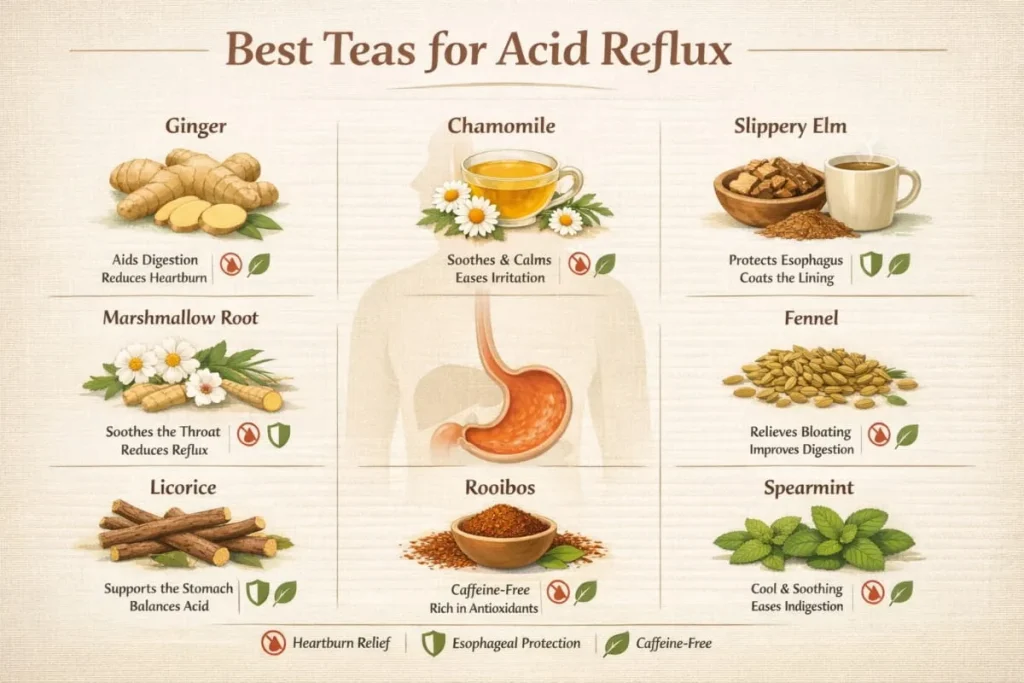
Best Teas for Acid Reflux, Heartburn and GERD
Acid reflux doesn’t just cause heartburn. If you have searched for tea good for acidity, you are asking the same question, acidity and acid reflux…

Best Morning Tea for Energy and Focus Without Coffee Crash
The best tea to drink in the morning is black tea if you want steady, coffee level energy without the crash, rooibos chai if you…
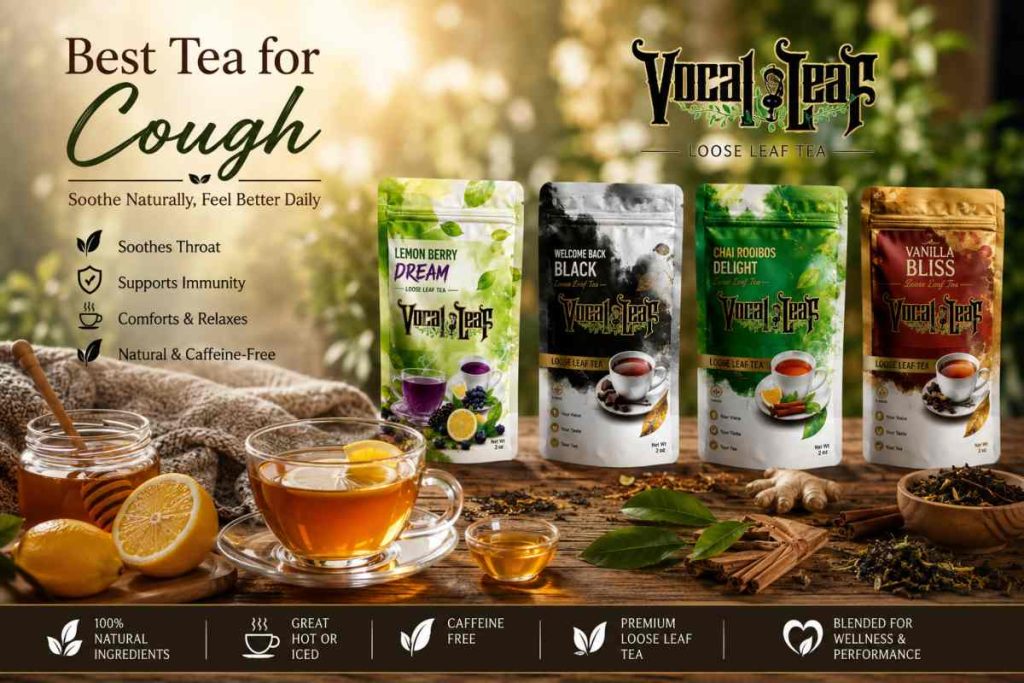
Best Tea for Cough | The Complete Guide to Soothing Relief
The best tea for cough relief is a warm, hydrating blend that soothes irritated throat tissue while easing the reflex that triggers coughing in the…

Best Teas for a Cold That Actually Work
Best teas for a cold combines warmth, hydration and gentle steam to ease congestion, calm a scratchy throat and help your body rest while it…