
Best Tea for Strep Throat | What Actually Helps (and What to Avoid)

Strep throat hits differently than a regular sore throat. The pain comes on fast, swallowing feels like razor blades, and even the warmth of a favorite mug can feel like both the most comforting and the most daunting thing in the room. It makes sense that one of the first instincts is to reach for tea, warm, soothing, familiar, and that instinct is worth following, as long as you know what you’re reaching for and why.
Here’s the truth about tea and strep throat: tea is not a cure. Strep throat is a bacterial infection caused by Group A Streptococcus, and antibiotics are the only treatment that actually eliminates the bacteria. If you’ve been diagnosed with strep, or you suspect you have it, a doctor visit and a course of antibiotics is non-negotiable. Tea does not change that equation.
What tea can do is make the recovery period significantly more bearable. The right warm cup reduces throat pain, soothes inflamed tissue, keeps you hydrated when swallowing is the last thing you want to do, and depending on the herbs involved, may even deliver compounds that support your immune system while your body fights back. For singers, teachers, speakers, and anyone whose voice is essential to their daily life, that kind of targeted comfort matters, and choosing the right tea versus the wrong one makes a real, perceptible difference in how you feel hour to hour.
This guide covers everything you need to know: which teas genuinely help with strep throat, which ones to avoid, how to brew them correctly, and exactly what to add to your cup to get the most out of every sip.
Does Tea Help with Strep Throat?
Yes, with an important qualifier. Tea can help relieve the symptoms of strep throat. It does not treat the underlying infection. Understanding this distinction is what separates a genuinely useful tea routine from misplaced expectations.
When you have strep throat, the primary discomforts are pain, inflammation, dryness, and difficulty swallowing. Warm liquid addresses all four at once. The warmth itself relaxes the muscles surrounding the throat, increases local circulation, and provides an immediate soothing sensation that temporarily quiets pain signals. The liquid rehydrates the dry, irritated mucous membranes lining your throat. And depending on what’s in your cup, the herbs and botanicals you’ve brewed can deliver anti-inflammatory and antimicrobial compounds directly to the tissues that need them most.
That last point is where tea for strep throat becomes more than just comfort. Several herbs commonly brewed as tea, such as thyme, oregano, ginger, and licorice root, contain bioactive compounds with documented antimicrobial and anti-inflammatory properties. These aren’t folk remedies waiting to be disproven. Thymol, the primary compound in thyme, has been studied for its antimicrobial activity against streptococcal bacteria specifically. Gingerols in ginger reduce inflammatory cytokine activity in the throat. Rosmarinic acid in oregano has demonstrated broad-spectrum antibacterial activity in laboratory studies. None of these herbs replaces a prescribed antibiotic course, but they can meaningfully support your body’s response while antibiotics do their work.
The cumulative effect of drinking the right tea consistently throughout the day, warm, soothing, hydrating, and herbally active, is a recovery experience that’s noticeably more comfortable than suffering through strep on water alone.
What Tea Can and Can’t Do for Strep Throat
Tea can reduce throat pain by delivering warmth that quiets nerve signals and relaxes tightened muscles. It can soothe inflamed tissue through the anti-inflammatory action of specific herbs. It can coat and protect raw mucous membranes with demulcent compounds found in herbs like licorice root and marshmallow root. It can keep you hydrated when the pain of swallowing makes drinking feel like a chore, because consistent hydration is one of the most important things your body needs to mount an immune response. And it can provide gentle antimicrobial support through herbal compounds that complement, rather than replace, medical treatment.

What tea cannot do is kill the Group A Streptococcus bacteria causing your infection. It cannot shorten the course of a confirmed strep infection the way antibiotics can. It cannot prevent the complications, rheumatic fever, and kidney inflammation that can follow untreated strep. And it is not a reason to delay or skip a strep test if your symptoms warrant one.
Think of tea as a recovery tool, not a remedy. Used correctly, alongside medical treatment and vocal rest, it’s one of the most accessible and genuinely effective ways to manage the pain and discomfort of strep throat. At the same time, your body and your antibiotics do the actual work.
Why Warm Liquids Matter When You Have Strep
Hydration during a strep infection isn’t optional; it’s one of the most important things you can do to support your recovery. The immune response your body mounts against bacterial infection is metabolically demanding. It requires fluid. Fever, if present, further accelerates fluid loss. And the inflammation in your throat, which makes swallowing painful, creates a cruel feedback loop where the very act of drinking the fluids your body needs becomes difficult.
Warm liquids break that loop in a way cold liquids typically don’t. Warmth relaxes the muscles around the throat, temporarily reducing the tension that makes swallowing feel sharp and difficult. It increases blood flow to the area, which supports the immune response at the site of infection. And the steam rising from a hot cup provides mild relief to the nasal passages and upper airways, which are often affected alongside the throat. Plain warm water does some of this. The right herbal tea does all of it, and more.
The Right Time to Drink Tea with Strep Throat
The most effective approach is consistent, steady sipping throughout the day rather than one or two large cups. Keep a thermos of warm tea nearby and return to it every 30 to 45 minutes. This maintains a steady level of hydration, keeps the throat moist between sips, and allows any active herbal compounds in your tea to remain in the throat rather than passing through quickly. In the morning, when overnight mouth breathing has left the throat at its driest, a warm cup of ginger or thyme tea is one of the most immediate sources of relief available. In the evening, a gentler blend, chamomile with raw honey, supports rest and recovery while you sleep.
What Makes Strep Throat Different from a Regular Sore Throat
Not every sore throat is strep throat, and the distinction matters more than most people realize, both for treatment decisions and for understanding why certain teas are recommended specifically for strep rather than for general throat soreness.
The majority of sore throats are viral. They arrive with a runny nose, mild congestion, a low-grade fever (if any), and a gradual onset that feels like the beginning of a cold. These sore throats are self-limiting, meaning they resolve on their own as your immune system clears the virus, typically within five to seven days. Tea, rest, and hydration are genuinely effective management tools for viral sore throats because the body is doing the heavy lifting, and comfort support is the primary need.

Strep throat is different. It is caused by Group A Streptococcus bacteria, not a virus, and it behaves accordingly. The onset is rapid, with pain that goes from mild to severe within hours rather than days. The throat and tonsils become intensely inflamed, often appearing visibly red and swollen, and sometimes with white patches or streaks of pus. Fever above 101°F is common. The lymph nodes in the neck become swollen and tender to the touch. And critically, the runny nose and cough that typically accompany a viral sore throat are usually absent with strep. If your throat is severely painful, you have a fever, your glands are swollen, and you don’t have a runny nose, that clinical pattern points strongly toward strep.
This distinction shapes the tea strategy. For strep throat, herbs with genuine antimicrobial properties, thyme, oregano, ginger, and garlic carry significantly more relevance than they do for a viral sore throat, where the immune system just needs time and hydration. The goal shifts from pure comfort and moisture to comfort plus active herbal support for a body fighting a bacterial infection.
Strep Throat Symptoms to Know
The classic strep presentation includes a sudden, severe sore throat; pain or difficulty swallowing; fever, typically above 101°F; red, swollen tonsils that may have white patches or streaks; swollen, tender lymph nodes along the sides of the neck; and headache. Some people also experience nausea, vomiting, or a rash. The notable absences confirm strep: no runny nose, no significant cough, no congestion. If you have those symptoms alongside throat pain, a viral infection is more likely.
A strep test, either a rapid antigen test or a throat culture, is the only way to confirm strep throat. If you suspect you have it, see a doctor.
Why Bacterial Infections Call for Different Tea Choices
With a viral sore throat, the primary job of tea is to soothe and hydrate. Demulcent herbs that coat the throat, like licorice root and marshmallow root, are particularly valuable because they protect irritated tissue while the immune system works.
With strep, that demulcent function still matters; the throat is inflamed, and needs coating, but the more important tea characteristics are anti-inflammatory potency and antimicrobial activity. Herbs like thyme, oregano, and ginger don’t just comfort the throat; their bioactive compounds actively work against the bacterial environment that strep creates. This is why the tea list for strep throat looks somewhat different from a generic sore throat list, with a stronger emphasis on powerfully active herbs rather than purely soothing ones.
The Best Teas for Strep Throat
No single tea does everything, and the best approach to strep throat recovery is often to rotate between two or three options, depending on the time of day and the specific relief you need in that moment. The teas below are chosen for demonstrated relevance to strep throat specifically, not just general throat soothing, with the mechanism behind each one explained so you can make an informed choice for your situation.

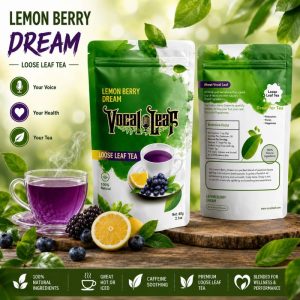
Lemon Berry Dream Tea for Strep Throat, Citrus and Vitamin C Comfort
When strep throat leaves you drained, a bright, citrus-forward cup can do more than lift your mood; it can genuinely support recovery. Lemon Berry Dream is built around freeze-dried lemon granules, lemon peel, lemon oil, and orange peel, a citrus base rich in vitamin C, which plays a supporting role in normal immune function during illness. The natural acidity in citrus also encourages saliva production, a welcome effect when strep has left your throat dry and swallowing uncomfortable.
Marigold blossoms and cinnamon pieces round out the blend with a gentle, aromatic warmth, while sweet black honey leaves add natural sweetness without relying on refined sugar alone. Together, this combination makes for a cup that feels both soothing and restorative, comforting enough to sip slowly and flavorful enough that you’ll actually want to finish it even when your appetite is low.
For strep throat, brew Lemon Berry Dream at a gentle simmer for 10 to 12 minutes at 203–212°F, then let it cool slightly below boiling before adding raw honey. The citrus and berry notes make this an excellent midday cup, when you want something bright and hydrating between more warming, mellow teas.
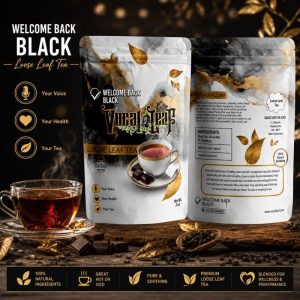
Organic Loose Leaf Black Tea for Strep Throat, Antioxidant Support in a Classic Cup
A well-brewed black tea offers naturally occurring polyphenols and tannins that provide antioxidant support and a mild astringency, both genuinely useful when your throat tissue is inflamed and swollen. That gentle astringency can help create a sense of toning and comfort on contact, which many people find soothing during the acute, most uncomfortable phase of a throat infection.
Black tea’s warmth also matters as much as its composition. Simply drinking a warm liquid slowly and consistently throughout the day keeps the throat from drying out, and the ritual of a steady cup every few hours can be a small but meaningful part of a strep recovery routine, alongside rest, hydration, and any care your doctor has recommended.
Brew it at a moderate strength so it isn’t harsh on a raw throat, then stir in raw honey once it’s cooled slightly. Black tea’s grounding, classic flavor makes it a good anchor cup, morning or early afternoon, when you want comfort without anything overly delicate or overly bold.
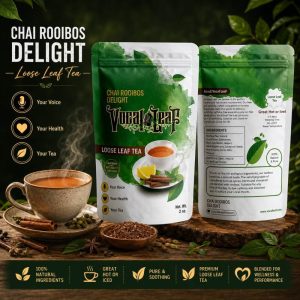
Organic Rooibos Chai Tea for Strep Throat, Naturally Caffeine-Free Warmth
Rooibos is naturally caffeine-free and never chemically decaffeinated, making it one of the easiest teas to drink around the clock during strep recovery, including in the evening, without worrying about interrupting the deep rest your body needs to fight off infection. Rooibos also contains its own naturally occurring antioxidant compounds, and its naturally sweet, slightly nutty character means it needs very little added sweetener to feel comforting.
The warming chai spice notes in this blend add another layer of comfort. Warm, aromatic spice teas have long been used to ease the sensation of a raw, swollen throat, largely through the simple, reliable combination of warmth and steam, which can loosen mucus and make swallowing feel less effortful.
Because it’s caffeine-free, Organic Rooibos Chai Tea is a strong choice for an all-day sipper during acute strep symptoms, brewed at a comfortable, sippable strength with raw honey stirred in once the tea has cooled slightly below a full simmer.
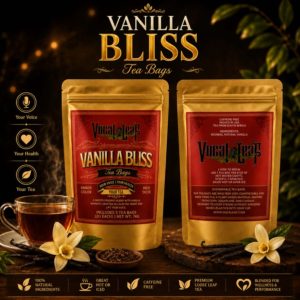
Vanilla Bliss Tea for Strep Throat, Gentle Evening Recovery
Some of the most valuable relief during strep throat recovery isn’t the most potent; it’s the most calming. Vanilla Bliss is built for exactly that moment: a gentle, aromatic cup with a naturally sweet, rounded flavor that’s easy to drink even when your throat is at its most raw, and your appetite for anything strongly flavored is low.
The soft, comforting aroma of vanilla is often associated with a calming effect, which can be genuinely useful in the evening, when the priority shifts from active daytime support to winding down and getting the rest that plays such a central role in recovering from strep throat. Pair it with raw honey for an extra-soothing, coating effect on inflamed throat tissue right before bed.
Brew Vanilla Bliss at a gentle strength, and drink it warm rather than hot, since a milder temperature is generally more comfortable on a throat that’s already inflamed. This is the cup to reach for at the end of a long day of managing strep symptoms.
Honey and Lemon, The Classic Add-In for Any Vocal Leaf Tea
Whichever Vocal Leaf blend you’re reaching for, raw honey and fresh lemon are worth adding to the cup. Raw honey contains hydrogen peroxide, defensin-1 (a naturally occurring antimicrobial peptide), and a range of polyphenols that give it genuine antibacterial properties. A 2021 review published in BMJ Evidence-Based Medicine found that honey outperformed standard care for upper respiratory symptoms and several over-the-counter remedies for soothing throat discomfort. Its coating effect is immediate: it forms a protective film over raw throat tissue, extends the soothing window of whichever tea you’re drinking, and helps ease the urge to cough, which can further aggravate an already inflamed throat.
A small squeeze of fresh lemon adds vitamin C and stimulates saliva production, which is helpful when strep has left your throat uncomfortably dry. If your throat is at peak inflammation, use lemon sparingly at first and adjust to what feels comfortable.
Always add raw honey (never processed) to tea that’s cooled slightly below boiling, since heat degrades its active compounds. Whether you’re reaching for Lemon Berry Dream, Organic Loose Leaf Black Tea, Organic Rooibos Chai Tea, or Vanilla Bliss, this simple addition makes any cup more soothing, more hydrating, and easier to get through, even when every swallow feels like an effort.
Hot Tea for Strep Throat: Does Temperature Matter?
Temperature is one of the most overlooked variables in using tea effectively for strep throat, and getting it right can meaningfully affect how much relief each cup provides.
The intuitive assumption is that hotter means better, more steam, more warmth, more soothing. The reality is more nuanced. Extremely hot liquids above roughly 149°F (65°C) can actually irritate already-inflamed throat tissue and potentially cause additional discomfort on top of what strep is already causing. The World Health Organization has noted that consistently drinking beverages at very high temperatures is associated with esophageal tissue irritation. When your throat is already raw and swollen from a bacterial infection, scalding hot tea is the last thing the tissue needs.
The optimal temperature for strep throat tea is warm to comfortably hot, the kind of temperature where you can take a steady sip without needing to blow on it first, but that still delivers the warmth and steam that make tea therapeutically useful. Somewhere between 130°F and 145°F is the practical sweet spot for most people. If you’re brewing tea and it’s too hot to sip comfortably, wait. Let it cool for a few minutes. The goal is sustained sipping, not rapid consumption of something scalding.
Best Temperature for Drinking Tea with Strep
Aim for comfortably warm, a temperature you can sip steadily without discomfort. The warmth should feel soothing, not sharp. If each sip makes you wince from heat rather than from throat pain, your tea is too hot. Cool it down before continuing.
Can You Drink Hot Tea with Strep Throat Safely?
Yes, with the caveat about temperature above. Warm tea is not only safe for strep throat, but it’s also one of the most beneficial things you can drink during recovery. The combination of hydration, warmth, and herbal compounds addresses multiple symptoms simultaneously, in a way that plain water and cold drinks simply don’t.
Hot vs. Warm vs. Cold Tea: What Works Best
For most people and most stages of strep throat, warm tea wins. It delivers the therapeutic warmth and steam benefit, soothes without irritating, and supports consistent hydration. Hot tea is acceptable if kept below the temperature threshold where it causes additional discomfort. Cold tea is occasionally preferable during peak swelling, particularly in the first 24 to 48 hours of a strep infection, when inflammation is most severe, and some people find that cold liquids cause less throat pain on contact than hot ones. In these cases, cold tea still delivers hydration and, to a lesser extent, the active compounds from whatever herbs you’ve brewed. The antimicrobial and anti-inflammatory benefits are present regardless of temperature; it’s the soothing warmth that changes.
Best Herbal Tea for Strep Throat
For strep throat specifically, herbal teas have a clear advantage over caffeinated teas like black, green, or oolong. The reasoning comes down to three things: caffeine, tannins, and therapeutic alignment.
Caffeinated teas introduce a mild diuretic effect that works against the hydration your body urgently needs during a strep infection. Their tannin content, while beneficial in moderate amounts, can at higher concentrations create a drying, astringent effect on throat tissue that counteracts the soothing benefit of the warm liquid. And caffeinated teas simply don’t contain the antimicrobial and anti-inflammatory herbs, thyme, oregano, ginger, licorice root, that make the biggest functional difference for a bacterial throat infection.

Herbal teas are naturally caffeine-free, can be sipped all day without concern for hydration balance, and are formulated entirely from botanicals that offer direct therapeutic value. For strep throat recovery, they are the clear first choice.
Why Herbal Tea Is Better Than Caffeinated Tea When You Have Strep
Caffeine is a diuretic. When you have strep throat, your body needs maximum hydration to support immune function, and anything that counteracts that hydration works against recovery. Additionally, caffeine can disrupt sleep, and deep, consistent rest is one of the most powerful recovery tools available during a strep infection. Herbal teas let you sip throughout the day and into the evening without any of these concerns.
Top Soothing Herbal Teas for Strep Throat Recovery
The most effective herbal teas for strep throat, ranked by functional relevance, are thyme, oregano, ginger, licorice root, chamomile, and echinacea. Each brings a distinct profile, antimicrobial, anti-inflammatory, demulcent, or relaxant, and rotating between two or three of them throughout the day covers more therapeutic ground than drinking the same tea repeatedly.
How to Make Your Own Strep Throat Herbal Tea Blend
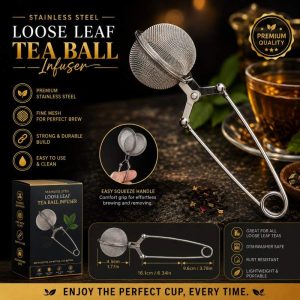
Combine one teaspoon of dried thyme, half a teaspoon of dried ginger, and half a teaspoon of dried licorice root in a tea infuser or loose-leaf strainer. Steep in hot water for ten minutes. Strain, allow to cool to a comfortable sipping temperature, add a generous amount of raw honey, and a small squeeze of fresh lemon. This blend stacks antimicrobial action (thyme), anti-inflammatory potency (ginger), and demulcent protection (licorice root) in a single cup. It is one of the most functionally complete strep throat teas you can make at home.
What to Add to Your Tea for Strep Throat
The base tea you choose matters. What you add to it can amplify its effect significantly, or, if chosen carelessly, can irritate an already raw throat. These are the additions most worth incorporating into your strep throat tea routine.

Raw Honey, The Most Effective Add-In for Strep
Raw honey is the single most valuable thing you can add to any tea during strep throat recovery. Its antimicrobial properties come from multiple mechanisms: hydrogen peroxide production, a naturally low pH that inhibits bacterial growth, and the antimicrobial peptide defensin-1. Its coating effect creates a temporary protective layer over inflamed throat tissue, extending the soothing benefits of every cup. And its natural sweetness makes strongly medicinal teas, thyme, oregano, and garlic significantly more palatable when palatability is already a challenge.
Always use raw, unprocessed honey. Commercially pasteurized honey, heated to high temperatures, has lost most of its active compounds. Add honey after the tea has cooled slightly below boiling, above 104°F, honey begins to lose its enzymatic activity. One to two tablespoons per cup is a reasonable amount for therapeutic benefit.
Lemon and Vitamin C, Immune Support in Every Sip
Fresh lemon juice adds vitamin C, mild antimicrobial citric acid, and a range of flavonoids to any tea. It also stimulates saliva production, which naturally lubricates the throat. Use half a fresh lemon per cup. If your throat is at peak inflammation and lemon feels acidic or sharp on contact, reduce the amount or omit it for the first day and reintroduce it as inflammation subsides.
Turmeric, Anti-Inflammatory Amplifier
Turmeric contains curcumin, one of the most-studied natural anti-inflammatory compounds. Adding a quarter teaspoon of ground turmeric to a cup of ginger or honey-lemon tea creates a cup that is significantly more anti-inflammatory than either ingredient alone. Pair it with a small pinch of black pepper; piperine in black pepper increases curcumin bioavailability by up to 2000% according to published research, and a small amount of fat, such as a teaspoon of coconut oil, to further improve absorption. Golden milk tea, which combines turmeric, ginger, black pepper, and a warm liquid base, is one of the most therapeutically dense anti-inflammatory drinks available for strep throat recovery.
How to Brew Tea for Maximum Strep Throat Relief
The herbs and tea you choose matter. How you brew them determines how much of their active benefit actually ends up in your cup.

The Right Temperature for Strep Throat Tea
Brew herbal teas with water that is fully boiled (212°F), then allow the tea to cool to a comfortable sipping temperature before drinking. The exception is green tea, which should be brewed at 160 to 175°F to preserve its delicate catechin content. For loose-leaf or dried herb preparations, a full boil extracts more of the antimicrobial and anti-inflammatory compounds from tougher plant material, such as thyme, oregano, and ginger root. Steep longer than you normally would, eight to twelve minutes for medicinal herbs rather than the three to five minutes typical for enjoyment brewing.
How Often to Drink Tea When You Have Strep
Aim for 4 to 6 cups per day during the acute phase of a strep infection, spaced throughout the day rather than consumed all at once. Consistent, steady intake maintains throat moisture, keeps herbal compounds present in the throat over time, and contributes meaningfully to the hydration your body needs. Think of it as a sipping practice rather than a sit-down cup of tea; keep a thermos warm and return to it every 30 to 45 minutes.
Simple Strep Throat Tea Recipe with Honey and Lemon
Bring two cups of water to a boil. Add 1 teaspoon of dried ginger, 1 teaspoon of dried thyme, and 1/2 teaspoon of dried licorice root to a tea infuser, or steep loose in the water. Reduce the heat and allow to steep for ten minutes. Strain into a mug. Allow to cool for three to four minutes until it reaches a comfortable sipping temperature. Add one to two tablespoons of raw honey and the juice of half a fresh lemon. Stir gently. Sip slowly over 20 to 30 minutes. This recipe delivers antimicrobial action from thyme, anti-inflammatory relief from ginger, demulcent coating from licorice root, bacterial inhibition from raw honey, and vitamin C from lemon, all in a single cup.
Teas to Avoid When You Have Strep Throat
Choosing the wrong tea when you have strep throat isn’t just a missed opportunity for relief; some options can actively make your symptoms worse. Here’s what to steer clear of.
Why Caffeine Is a Problem with Strep Throat
Black tea, standard green tea, and oolong all contain caffeine. In moderate amounts and under normal circumstances, these are perfectly healthy beverages. But during a strep throat infection, caffeine introduces two problems. First, its mild diuretic effect counteracts the hydration your body critically needs to support immune function and keep throat tissues moist. Second, caffeine disrupts sleep quality, and rest is one of the most powerful recovery tools your body has during a bacterial infection. Limiting or eliminating caffeinated teas in favor of herbal alternatives during the acute phase of strep throat is a simple change with a meaningful impact on how you feel and how quickly you recover.
Teas That Can Irritate an Already Inflamed Throat
Very strongly brewed black tea contains high concentrations of tannins that can create a drying, astringent sensation on throat tissue, unpleasant when the throat is already raw from strep. Strongly spiced teas, particularly those with high concentrations of black pepper, clove, or cinnamon that cause a burning sensation, can aggravate inflamed tissue. Highly acidic teas or tea blends with large amounts of hibiscus or fruit acids can feel sharp and uncomfortable on a severely raw throat. Peppermint tea, while helpful in moderate amounts, can worsen acid reflux in susceptible individuals, and reflux on top of strep throat dramatically increases throat discomfort.
How to Tell If Your Tea Is Making Things Worse
The test is simple: after finishing a cup, does your throat feel better, the same, or worse than before you drank it? A well-chosen strep throat tea should leave your throat feeling marginally more comfortable, or at minimum no worse, for at least 20 to 30 minutes after you finish the cup. If a particular tea consistently leaves you feeling drier, sharper, or more irritated than before you drank it, regardless of what it is or what the wellness internet says about it, stop drinking it and switch to something gentler.
Tea for Strep Throat Pain Relief: What to Drink Besides Water
Water is essential when you have strep throat, but it isn’t doing much for the pain itself. Plain water hydrates; it doesn’t soothe. That distinction matters when every swallow feels sharp, and your throat is inflamed enough that even talking is uncomfortable. What actually eases strep throat pain is warmth, gentle coating, and consistency, sipping something soothing throughout the day rather than reaching for water only when you’re thirsty.
This is where a properly brewed cup of loose-leaf tea earns its place in a strep recovery routine. Warm liquid relaxes the muscles around an inflamed throat, keeps mucous membranes from drying out, and, when paired with raw honey, creates a temporary protective coating over raw tissue that plain water simply can’t replicate. If you’re building a “what to drink for strep throat” routine, think in terms of rotation: a cup of Organic Loose Leaf Black Tea in the morning, something bright like Lemon Berry Dream midday, and a caffeine-free option like Organic Rooibos Chai Tea or Vanilla Bliss in the evening. You can browse the full lineup of options in our loose-leaf tea collection to find what fits your day.
The goal isn’t one perfect cup; it’s staying consistently warm, hydrated, and soothed, hour after hour, as your body fights the infection.
Tea for Strep Throat and Voice Loss: What Singers and Speakers Need to Know
Strep throat doesn’t just hurt; it can take your voice with it. For most people, a few days of a rough, scratchy voice are a minor inconvenience. For singers, speakers, podcasters, teachers, and anyone whose voice is part of how they work, strep throat is a different kind of emergency, one where the stakes of vocal cord inflammation are much higher than “it’s a little sore.”
Strep throat’s intense inflammation doesn’t stay isolated to the tonsils and back of the throat. Swelling and irritation can extend down toward the vocal cords, and the constant urge to clear your throat or cough, common with any throat infection, adds mechanical strain on top of the infection itself. That combination is exactly what pushes a temporary case of strep throat into a longer bout of hoarseness or voice loss if it isn’t managed carefully.
The tea you choose during recovery matters more here than it does for a typical sore throat. Warm, gentle, well-hydrating tea keeps vocal cord tissue lubricated. It reduces the friction that makes hoarseness worse, while avoiding anything overly acidic, overly hot, or heavily caffeinated, which can dry out already inflamed tissue. A rotation built around Organic Rooibos Chai Tea and Vanilla Bliss, both naturally caffeine-free, provides your voice with consistent, gentle hydration throughout the day without the drying effect caffeine can cause. Save more citrus-forward options like Lemon Berry Dream for times when your throat feels less raw, since acidity can be sharp on inflamed tissue at its worst.
If your voice is your livelihood, treat strep throat recovery as vocal rest first, tea second, but not tea last. The two work together.
Iced Tea for Strep Throat: A Cooling Option When Hot Tea Isn’t Appealing
Hot tea is the default recommendation for a sore throat, but it isn’t the only option, and for some people, especially with a fever or in warmer weather, a hot beverage is the last thing that sounds appealing. Cold and cool liquids can still offer real relief for strep throat: cold temperatures have a mild numbing effect on inflamed tissue, similar to why ice chips are often recommended after a tonsillectomy, and a chilled tea keeps you drinking consistently even when a steaming cup feels like too much.
Any of Vocal Leaf’s loose-leaf teas can be brewed strong and served over ice. Lemon Berry Dream is particularly well suited to this; its citrus and berry notes hold up well cold, and the natural sweetness from candied sugar and honey leaves means you don’t need much, if any, added sweetener. To make it, brew a stronger batch than usual (steep the same 10 to 12 minutes, but use slightly more loose leaf per cup), let it cool to room temperature, then pour over ice. Add raw honey while the tea is still warm, before chilling, since honey dissolves more easily and its soothing effect is best preserved when it isn’t added to a fully cold liquid.
Iced tea won’t replace warm tea entirely during strep recovery; warmth still has real soothing value, but having a cold option on hand means you have something appealing to reach for even on days when a hot cup feels like too much.
Rooibos Tea for Sore Throat: A Caffeine-Free Option for Strep Recovery
If you’re managing strep throat and trying to stay hydrated around the clock, caffeine works against you. It has a mild diuretic effect and can leave already-dry, inflamed throat tissue feeling worse rather than better, which is exactly why a naturally caffeine-free option matters during recovery, not just at bedtime, but throughout the entire day.
Organic Rooibos Chai Tea is naturally caffeine-free, never chemically decaffeinated, which means you can drink it freely from morning to night without disrupting sleep or compounding dehydration. Rooibos itself contains naturally occurring antioxidant compounds, and its naturally sweet, slightly nutty base needs very little added sweetener to feel comforting. The warming chai spice notes add another layer of relief, the kind of aromatic warmth that makes swallowing feel a little easier, and a raw throat feel a little less raw.
Because it’s safe to drink all day without a caffeine ceiling to worry about, Organic Rooibos Chai Tea is one of the most practical choices for the full arc of strep throat recovery, from the first uncomfortable morning through the last restless night before you’re back to normal.
When Tea Isn’t Enough, Signs You Need to See a Doctor
Tea is a recovery tool. It is not a diagnostic instrument or a medical treatment. Knowing when to put down the mug and pick up the phone is genuinely important with strep throat, because untreated strep poses real risks beyond throat discomfort.
Symptoms That Mean It’s Time to Get a Strep Test
If your sore throat came on suddenly and severely, you have a fever above 101°F, your neck lymph nodes are visibly swollen and tender, your tonsils are red and swollen with white patches or streaks, and you don’t have a runny nose or significant cough, see a doctor and ask for a strep test. This clinical pattern is strongly associated with strep throat and warrants confirmation and treatment.
Additionally, if your sore throat has lasted longer than seven days without improvement, if you have difficulty breathing or swallowing to the point of being unable to eat or drink, if you develop a rash alongside your throat symptoms, or if your symptoms improve and then suddenly worsen after a few days, all of these warrant medical attention.
What Happens If Strep Goes Untreated
Most cases of untreated strep throat will eventually resolve on their own as the immune system clears the infection. However, untreated strep carries a small but real risk of serious complications. Rheumatic fever, a serious inflammatory condition that can damage heart valves, can develop 1 to 5 weeks after untreated strep. Post-streptococcal glomerulonephritis, an inflammation of the kidneys, is another potential complication. A peritonsillar abscess, a collection of pus beside the tonsil, can develop if strep infection spreads to the surrounding tissue and requires drainage. These complications are why antibiotics for confirmed strep are not optional and why a strep test matters when symptoms are consistent with the infection.
Can Tea Replace Antibiotics for Strep Throat?
No. This deserves a direct, unambiguous answer. Tea, including the most antimicrobially active herbal teas on this list, cannot eliminate a Group A Streptococcus infection the way a prescribed course of antibiotics can. The herbal compounds in thyme, oregano, ginger, and garlic have demonstrated antibacterial activity in laboratory settings, but these conditions do not reflect a live streptococcal infection in a human throat. The concentrations achievable through tea consumption are not equivalent to a therapeutic antibiotic dose. If you have confirmed strep throat, complete the full course of antibiotics your doctor prescribes. Use tea alongside that treatment as a comfort and recovery support tool, which is a genuinely valuable role, but never as a replacement for it.
Frequently Asked Questions (FAQ’s)
Does tea help strep throat?
Tea helps with the symptoms of strep throat, pain, inflammation, dryness, and difficulty swallowing, but it does not treat the underlying bacterial infection. The right herbal teas reduce throat discomfort, support hydration, and deliver anti-inflammatory and antimicrobial compounds that complement medical treatment. They do not replace antibiotics.
What is the best tea for strep throat?
Thyme tea and ginger tea are the most functionally relevant options for strep throat, specifically because of their documented antimicrobial and anti-inflammatory properties. Licorice root adds an important demulcent coating. For the most effective single cup, a blend of thyme, ginger, and licorice root with raw honey and lemon delivers the broadest therapeutic profile.
Can I drink tea with strep throat?
Yes, drinking tea with strep throat is not only safe but actively beneficial. Warm, herbal, caffeine-free teas support hydration, soothe inflamed throat tissue, and provide herbal compounds that support recovery. Aim for 4 to 6 cups throughout the day, sipped steadily rather than all at once.
Does hot tea help strep throat?
Warm tea is the most effective temperature, comfortably hot rather than scalding. Tea that is too hot can aggravate already-inflamed throat tissue. Aim for a temperature you can sip steadily without discomfort, roughly 130 to 145°F. During the acute peak of strep inflammation, some people find that slightly cooler tea causes less pain on swallowing.
Is ginger tea good for strep throat?
Yes. Ginger tea is one of the best options for strep throat. Its active compounds, gingerols and shogaols, are potent anti-inflammatory agents that target the biological mechanisms underlying strep’s pain and swelling. Ginger also stimulates saliva production and has preliminary evidence of antibacterial activity against gram-positive bacteria, including Group A Streptococcus.
Is green tea good for strep throat?
Green tea has genuine benefits for strep throat; its catechins, particularly EGCG, have documented antibacterial activity against streptococcal strains. However, its caffeine content can contribute to dryness and disrupt sleep, both of which work against recovery. If you drink green tea, keep it to one cup in the morning, brew it at a lower temperature to preserve catechins, and supplement with caffeine-free herbal teas throughout the rest of the day.
Does tea and honey help strep throat?
Yes, and the combination is more effective than either ingredient alone. Raw honey has documented antimicrobial and throat-coating properties. Combined with a warm herbal tea base, it creates a cup that soothes, hydrates, and delivers active compounds to inflamed tissue at the same time. Always use raw honey and add it to tea that has cooled slightly below boiling to preserve its antimicrobial activity.
What herbal tea is good for strep throat?
The most effective herbal teas for strep throat include thyme, oregano, ginger, licorice root, chamomile, and blends combining two or more of these. Thyme and oregano lead for antimicrobial relevance. Ginger leads for anti-inflammatory potency. Licorice root leads for demulcent coating and throat protection. Chamomile is the best evening option for rest and recovery support.
Can tea cure strep throat?
No. Strep throat is a bacterial infection that requires antibiotics to be effectively treated. Tea provides genuine symptomatic relief and herbal support for the recovery process, but it cannot eliminate a Group A Streptococcus infection. Use tea alongside prescribed medical treatment, not instead of it.
How often should I drink tea when I have strep throat?
Four to six cups per day during the acute phase, spaced evenly rather than consumed all at once. Consistent sipping throughout the day maintains throat moisture and keeps herbal compounds present in the throat over time. Keep a thermos warm and return to it every 30 to 45 minutes for the most effective approach.
Top Selling Products

)
&description=&image=https://vocalleaf.com/wp-content/uploads/2026/04/Best-Tea-for-Strep-Throat-1024x572.webp)

Best Tea for Singers | What Actually Helps Your Voice
If you sing, whether you perform professionally, teach voice lessons, or spend your weekends in rehearsal, you’ve probably wondered whether tea actually does anything useful…

Best Tea for Vocal Cords | Herbs, Hydration and Recovery
If your voice feels tired, strained, or dry, the right tea for your vocal cords can make a real difference, not by healing damaged tissue,…
Best Tea for Laryngitis | Soothe Your Voice Naturally
The best tea for laryngitis is a warm, caffeine free loose leaf blend that hydrates the throat and eases the strain on inflamed vocal cords.…

What Is Chai Tea? The Ultimate Guide to Ingredients, Benefits, Types & How It’s Made
If you’ve ever wondered what chai tea is, you’re not alone. It’s one of the most searched beverage questions online, yet the answer is often…

Best Tea for Your Voice | Does It Make You Sound Deeper
What it can do is change how your voice feels and sounds in the moment, which is where most of the confusion starts. If you…

The Best Tea for Performers & Speakers, And Why Your Voice Deserves Better
You spend hours rehearsing the words. You perfect the tone, the breath, the timing. But then you reach for whatever is nearby, a cup of…
Best Tea for Stress Relief | Calming Loose Leaf Blends
Stress is something everybody carries. It shows up in tight shoulders, restless nights, and a mind that won’t quiet down after a long day. And…

Best Tea for Dry Throat | The Teas That Help and the Ones That Hurt
The best teas for a dry throat are caffeine-free herbal blends, teas with no tannins to strip moisture from the throat lining and no caffeine…
Best Teas for Acid Reflux, Heartburn and GERD
Acid reflux doesn’t just cause heartburn. If you have searched for tea good for acidity, you are asking the same question, acidity and acid reflux…

Best Morning Tea for Energy and Focus Without Coffee Crash
The best tea to drink in the morning is black tea if you want steady, coffee level energy without the crash, rooibos chai if you…
Best Tea for Cough | The Complete Guide to Soothing Relief
The best tea for cough relief is a warm, hydrating blend that soothes irritated throat tissue while easing the reflex that triggers coughing in the…

Best Teas for a Cold That Actually Work
Best teas for a cold combines warmth, hydration and gentle steam to ease congestion, calm a scratchy throat and help your body rest while it…