
Best Tea for Metabolism | What to Drink and Why It Works

The best tea for metabolism is one that works with your body natural rhythms, supporting energy, hydration and cellular function throughout the day. Black tea and caffeine free herbal blends are the two most practical options and the right choice depends on whether you want a caffeinated lift or steady all day support.
Metabolism is not a single switch you flip. It is the sum of every chemical process your body runs, converting food to fuel, regulating temperature, repairing tissue and sustaining energy. Tea doesn’t override that system, but it can support it meaningfully. The polyphenols, antioxidants and natural compounds in quality loose leaf tea interact with metabolic pathways in ways that are increasingly well documented. A 2023 review published in Nutrients found that tea polyphenols can positively influence energy metabolism and fat oxidation when consumed consistently as part of a balanced diet.
What you drink matters. So does the form it comes in, loose leaf tea preserves far more of the bioactive compounds that make tea metabolically relevant than processed tea bags, which are typically filled with dust and fannings left over from higher grade production. If you are also looking for tea that helps you wind down and recover, which plays its own role in metabolic health, our guide to tea for relaxation covers that ground separately. The sections below break down which teas support metabolism, how they work and how to make them a sustainable part of your routine.
What Does Tea Do for Your Metabolism?
Tea supports metabolism by delivering polyphenols, antioxidants and natural caffeine compounds that interact with the body energy regulation systems at a cellular level. It does not replace metabolic function, it supports the conditions that allow it to work efficiently.

How Metabolic Rate Works and Where Tea Fits In
Your metabolic rate is the speed at which your body converts nutrients into usable energy. It is influenced by factors like muscle mass, age, hormones, sleep quality, hydration and activity level. Tea does not override any of these, but it supports several of them simultaneously.
Hydration alone has a measurable effect. Even mild dehydration slows metabolic function and drinking warm fluids like tea contributes to daily fluid intake in a way that plain water often does not sustain as a habit. Beyond hydration, the natural compounds in tea, particularly in black and herbal varieties, interact with thermogenesis, the process by which your body generates heat and burns calories in doing so.
The Compounds in Tea That Matter for Metabolism
The metabolic case for tea rests on three main compound categories, polyphenols, antioxidants and, in caffeinated varieties, the combination of natural caffeine and L theanine.
Polyphenols are plant based compounds that influence how the body processes glucose and fat. In black tea specifically, theaflavins and thearubigins, the polyphenols formed during oxidation, have been associated with improved lipid metabolism and reduced oxidative stress. Antioxidants more broadly help neutralize free radicals produced during metabolic activity, reducing the cellular burden that can slow metabolic efficiency over time.
L theanine, found naturally in black tea, is worth particular attention. It moderates the stimulant effect of caffeine, producing a state of alert calm rather than a spike and crash energy pattern. This combination supports sustained metabolic activity without the cortisol disruption that high stimulant alternatives can cause, cortisol being a hormone directly linked to fat storage and slowed metabolism when chronically elevated.
For caffeine free options, rooibos contains aspalathin, a rare antioxidant compound found almost exclusively in rooibos, which has shown promise in studies examining glucose metabolism and insulin response.
Is Hot Tea or Cold Tea Better for Metabolism?
Hot tea has a slight thermogenic edge. Your body expends a small amount of energy warming ingested fluids to body temperature and the heat itself may mildly stimulate circulation. But the difference is marginal and consistency matters far more than temperature.
The more practical answer is that the best temperature is whichever one you will drink reliably. Iced loose leaf tea retains the same polyphenols and antioxidants as hot brewed tea, cold brewing actually preserves certain delicate compounds that high heat can degrade. If cold brewing makes it easier to hit your daily intake, that is the better metabolic choice. You can find brewing guidance for both methods in the product sections below.
One related note, if digestive health is part of your metabolic picture and for many people it is, the connection between gut function and metabolism is direct. Our guide to the best tea for digestion covers that intersection in full.
Is Black Tea Good for Metabolism?
Black tea is one of the most metabolically relevant teas you can drink, thanks to a combination of natural caffeine, L theanine and oxidation derived polyphenols that work together to support energy regulation and fat metabolism. For anyone looking for a morning tea that does more than deliver caffeine, black tea is the strongest starting point.

What Makes Black Tea Different From Other Teas
All genuine teas originate from the same plant, known as Camellia sinensis, but what separates black tea from other varieties is full oxidation. During oxidation, the fresh leaf undergoes a chemical transformation that converts its green polyphenols (catechins) into theaflavins and thearubigins, the dark, complex compounds responsible for black tea bold flavor and much of its metabolic activity.
These oxidized polyphenols behave differently in the body than their green tea counterparts. Research published in the European Journal of Nutrition found that black tea polyphenols promote the growth of beneficial gut bacteria and alter energy metabolism through gut microbiome pathways, a mechanism distinct from green tea and one that is increasingly recognized as significant for overall metabolic health.
Black tea also retains its natural caffeine content through oxidation, which matters for anyone using tea as a morning metabolism support rather than a purely calming beverage.
L Theanine, Caffeine and Metabolic Support How They Work Together
The metabolic value of black tea is not just caffeine, it is the relationship between caffeine and L theanine, a naturally occurring amino acid found in tea leaves and survives the oxidation process.
Caffeine alone stimulates the central nervous system and has a well documented thermogenic effect, temporarily increasing metabolic rate and fat oxidation. But caffeine in isolation also raises cortisol, particularly
when taken in excess or without food and chronically elevated cortisol directly impairs metabolic function by promoting fat storage and disrupting blood sugar regulation.
L theanine moderates this response. It promotes alpha wave brain activity, which produces a state of focused calm without sedation, blunting the cortisol spike that caffeine alone can trigger. The result is a smoother, more sustained metabolic lift, energy that supports activity and thermogenesis without the crash or cortisol burden that works against your metabolic goals. This is why black tea, consumed as a morning ritual, functions differently from coffee or energy drinks despite sharing caffeine as a primary stimulant.
Organic Loose Leaf Black Tea Why Loose Leaf Form Matters
The form your black tea comes in is not a minor detail. Commercial tea bags are typically filled with tea dust and fannings, the smallest particles left after higher grade leaves are processed and sorted. These fragments have a dramatically higher surface area to volume ratio, which means they oxidize faster in storage, losing polyphenol content before the bag is ever opened.
Loose leaf black tea uses the whole or broken leaf, preserving the cellular structure that holds the aflavins, thearubigins and L theanine intact until brewing. When steeped correctly, in water between 203–212°F for a full steep, those compounds release fully into the cup in a way that dust filled bags simply can not replicate.
Vocal Leaf Organic Loose Leaf Black Tea is certified organic and ground in the whole leaf tradition, giving you the full compound profile that makes black tea worth drinking for metabolic support, not just the color and caffeine of a standard breakfast tea bag.
What About Herbal Tea for Metabolism?
Herbal tea can absolutely support metabolism, not through caffeine, but through antioxidant compounds, anti inflammatory activity and the cumulative metabolic benefit of consistent, well hydrated daily habits. For anyone sensitive to caffeine or looking for afternoon and evening options that do not interfere with sleep, herbal tea is the most practical metabolic choice.

What Makes an Herbal Tea Metabolically Supportive
The term herbal tea covers an enormous range of plants and not all of them have meaningful metabolic relevance. What separates metabolically supportive herbal teas from decorative wellness drinks is the presence of specific bioactive compounds, antioxidants, polyphenols and phytonutrients, that interact with how the body manages energy, inflammation and cellular repair.
Chronic low grade inflammation is one of the most underappreciated drags on metabolic function. When the body is managing persistent inflammatory signals, it redirects resources toward immune response and away from efficient energy metabolism. Herbal teas rich in antioxidant compounds help reduce this burden, creating the internal conditions for more efficient metabolic function over time. This is not a dramatic overnight effect, it is the cumulative result of consistent consumption, which is exactly why herbal tea works best as a daily practice rather than an occasional remedy.
The Difference Between Caffeinated and Caffeine Free Options
Caffeinated teas like black tea produce a more immediate, measurable thermogenic effect, caffeine directly stimulates the sympathetic nervous system, temporarily increasing metabolic rate and fat oxidation. That is a real and well documented mechanism.
Caffeine free herbal teas work differently and more slowly. Their metabolic contribution comes from antioxidant load, anti inflammatory activity, gut microbiome support and sustained hydration, all of which underpin long term metabolic health rather than producing a short term measurable spike. Neither approach is superior in isolation. The most metabolically coherent tea routine uses both a caffeinated option in the morning when thermogenic support is most useful and a caffeine free herbal blend in the afternoon or evening when stimulants would disrupt sleep, itself a critical driver of metabolic function.
It is worth noting that caffeine free does not mean decaffeinated. Truly caffeine free herbal teas like rooibos are naturally free of caffeine from the start, no chemical decaffeination process required and no residual solvent concerns. That distinction matters for anyone choosing herbal tea as a clean, daily metabolic support.
Rooibos and Metabolism What the Research Says
Rooibos is one of the most metabolically interesting herbal teas available and its credentials extend well beyond general antioxidant claims. Native to South Africa Cederberg region, rooibos contains aspalathin, a rare C glucosyl dihydrochalcone antioxidant found in meaningful quantities almost exclusively in rooibos. Aspalathin has been the subject of growing research interest for its effect on glucose metabolism specifically.
A study published in Phytomedicine found that aspalathin inhibited the accumulation of fat in liver cells and helped regulate blood glucose levels in animal models, both mechanisms directly relevant to metabolic health. While human trial data continues to develop, the compound’s biological activity is well established enough that rooibos stands apart from purely anecdotal metabolism tea claims.
Beyond aspalathin, rooibos is rich in quercetin and luteolin, flavonoids with documented anti inflammatory and antioxidant activity and contains no oxalic acid, making it gentler on the kidneys than many other herbal options for high volume daily consumption.
Best Tea for Slow Metabolism What to Choose
The best tea for a slow metabolism is one you drink consistently and one that delivers meaningful bioactive compounds rather than just hot water with color. Black tea for morning thermogenic support and caffeine free rooibos for the rest of the day form the most practical daily framework for metabolic support.

Signs Your Metabolism May Be Running Slow
A slow metabolism rarely announces itself dramatically. More often it shows up as a cluster of subtle, easy to dismiss patterns persistent fatigue despite adequate sleep, difficulty losing weight even with dietary changes, feeling cold more often than those around you, frequent brain fog and a general sense that your body is running at a lower gear than it should be.
These signs do not confirm a metabolic disorder that requires clinical evaluation, but they do indicate that your body energy conversion processes may not be operating at full efficiency. Factors that commonly contribute include chronic sleep deprivation, high stress and the cortisol burden that comes with it, low physical activity, poor hydration and a diet low in the micronutrients that support enzymatic function. Tea addresses several of these levers simultaneously, which is why it’s one of the more practical daily interventions for someone whose metabolism feels sluggish without an identified clinical cause.
How Consistent Tea Drinking Supports Metabolic Function Over Time
The metabolic benefit of tea is not acute, it is cumulative. A single cup does not measurably shift your metabolic rate in a lasting way. What does shift it, over weeks and months of consistent consumption, is the compound effect of daily polyphenol intake, sustained hydration, reduced inflammatory load and, for caffeinated varieties, regular mild thermogenic stimulation.
Research supports the long term framing. A large prospective study involving over 100,000 participants found that regular tea drinkers maintained lower body weight and smaller waist circumference over time compared to non tea drinkers, with the association strengthening with years of consistent consumption rather than appearing immediately. This is the mechanism that makes tea genuinely useful for slow metabolism, not a dramatic intervention, but a daily input that accumulates into a measurable metabolic advantage.
The practical implication is that the best tea for slow metabolism is whichever one you can sustain as a real daily habit, something that tastes good enough to drink without effort, works hot or iced and fits into your routine morning through evening without requiring caffeine management after midday. That is where caffeine free options become critical. For a full breakdown of naturally caffeine free teas and how they fit into a daily metabolic routine, the caffeine free tea guide covers the landscape in detail.
Why Loose Leaf Outperforms Bags for Metabolic Support
If you are drinking tea specifically to support a slow metabolism, the form matters in ways that are easy to overlook. Standard tea bags contain dust and fannings, the smallest, lowest grade particles remaining after quality loose leaf is sorted and separated. These particles have already oxidized significantly by the time they reach your cup, meaning a substantial portion of the polyphenols and antioxidants that give tea its metabolic relevance have already degraded.
Loose leaf tea uses the whole or broken leaf, which preserves the cellular integrity of the compounds you are actually drinking for. The difference is not subtle studies comparing polyphenol content between loose leaf and bagged tea have found that loose leaf delivers measurably higher concentrations of the active compounds associated with metabolic and antioxidant activity.
Beyond compound preservation, loose leaf tea brewed at the correct temperature and steep time, 203–212°F for black tea, slightly lower for delicate herbal varieties, extracts those compounds far more completely than the rapid, low surface area infusion a standard tea bag allows. For someone using tea as a daily metabolic tool rather than a convenience beverage, loose leaf is not a premium upgrade, it is the baseline that makes the practice worth maintaining.
Best Tea for Metabolism and Weight Loss What to Expect
The best tea for weight loss is one that supports the underlying conditions for healthy weight management, hydration, thermogenesis, reduced inflammation and steady energy rather than one that promises to burn fat in isolation. Tea is a genuine metabolic ally, but it works alongside a healthy lifestyle, not instead of one.

What Tea Can and Cannot Do for Weight Management
Tea contribution to weight management is real, but it is worth being precise about the mechanism. Tea does not dissolve fat, suppress appetite pharmacologically, or override a caloric surplus. What it does do is support several of the physiological conditions that make weight management more achievable.
The thermogenic effect of caffeinated black tea, driven by the caffeine and L theanine combination, produces a modest but measurable increase in caloric expenditure. A meta analysis published in Obesity Reviews found that caffeine consumption was associated with dose dependent reductions in weight, BMI and body fat, with the effect most pronounced when caffeine was consumed as part of a consistent daily routine rather than sporadically. The polyphenols in both black and rooibos tea contribute further by supporting gut microbiome diversity, which is increasingly identified as a significant factor in how effectively the body manages and accumulates energy derived from food.
What tea can not do is compensate for sleep deprivation, chronic stress, or a diet high in processed food, all of which exert far more leverage on metabolic rate and fat storage than any beverage intervention. The honest framing is that tea for metabolism and weight loss works as a daily supportive practice, not a corrective one.
The Role of Hydration in Metabolic Efficiency
Hydration is one of the most direct and underutilized metabolic levers available and tea is one of the most effective hydration vehicles most people will actually use consistently. Water is essential for virtually every enzymatic reaction involved in metabolism, from breaking down macronutrients to transporting the resulting energy compounds to cells and even mild dehydration measurably impairs these processes.
Research has shown that drinking 500ml of water increases metabolic rate by approximately 30% for 30–40 minutes, with roughly 40% of that effect attributed to the thermogenic cost of warming the ingested fluid to body temperature. Hot tea amplifies this effect slightly while also delivering bioactive compounds that plain water does not provide. Cold brewed loose leaf tea achieves similar hydration outcomes with different thermogenic dynamics and for people who struggle to drink enough water throughout the day, having a flavorful, functional alternative makes consistent hydration dramatically more achievable.
The relationship between tea and hydration is deeper than it might appear. For a full breakdown of how tea contributes to daily fluid intake and why the tea dehydrates you myth persists, the guide to whether tea is hydrating covers the evidence in detail.
Best Times of Day to Drink Tea for Metabolic Benefit
Timing tea consumption strategically around your body natural metabolic rhythms amplifies its benefit without requiring more cups or different products.
Morning is the highest leverage window for caffeinated black tea. Cortisol levels peak naturally in the first hour after waking, typically between 8 and 9am and incorporating caffeine alongside that spike in cortisol can produce an overstimulated stress response that works against metabolic efficiency. Taking a pause of 60 to 90 minutes after waking up before your first cup allows cortisol to begin its natural decline, making the caffeine and L theanine combination in black tea far more effective as a clean metabolic and energy lift.
Midday is a useful window for a second caffeinated cup if your caffeine sensitivity allows, capitalizing on the natural post lunch dip in alertness and thermogenic activity without pushing caffeine late enough to disrupt sleep.
Afternoon and evening belong to caffeine free options. Sleep is arguably the single most important metabolic recovery tool available, growth hormone secretion, cellular repair and insulin sensitivity are all heavily sleep dependent and caffeine consumed after early afternoon measurably reduces sleep quality even when it does not prevent falling asleep. Rooibos chai or Vanilla Bliss in the late afternoon or evening delivers the antioxidant and anti inflammatory support that benefits metabolism without any of the sleep interference that would undermine the next day metabolic baseline.
Tea for Energy and Metabolism Do You Need Caffeine?
Tea supports energy and metabolism both with and without caffeine, the mechanisms are simply different and the right choice depends on when you are drinking, how your body responds to stimulants and what metabolic outcome you are prioritizing. Caffeine produces a faster, more measurable thermogenic effect, caffeine free herbal teas build metabolic resilience through antioxidant load, inflammation reduction and hydration consistency.
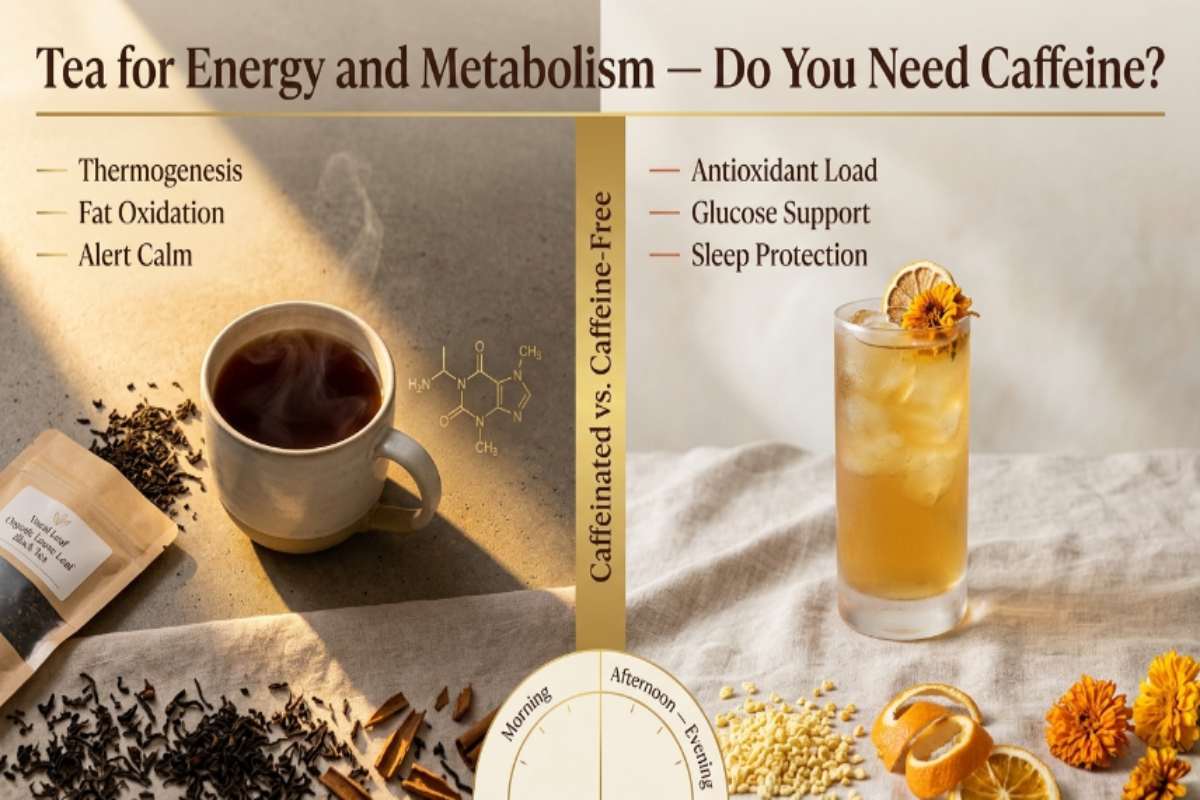
Caffeine Role in Metabolic Rate The Research
Caffeine is one of the most thoroughly studied dietary compounds and its effects on energy and metabolic rate are well established. It works primarily by inhibiting adenosine receptors, the receptors responsible for signaling fatigue, while simultaneously stimulating the release of adrenaline, which triggers thermogenesis and increases the rate at which the body burns stored fat for fuel.
A landmark meta analysis published in the American Journal of Clinical Nutrition found that caffeine increased metabolic rate by an average of 3–11%, depending on dose and individual sensitivity, with the effect most pronounced in leaner individuals and in those who do not habitually consume caffeine. The implication for tea drinkers is that moderate, consistent consumption of caffeinated black tea produces a real and repeatable thermogenic effect that accumulates over time into measurable metabolic support.
The L theanine in black tea significantly refines this effect. Rather than the sharp spike and crash energy pattern associated with high dose caffeine alone, the L theanine and caffeine combination in black tea produces what researchers describe as alert calm, sustained cognitive and physical energy without the cortisol elevation that undermines metabolic function when chronically triggered. For tea for fast metabolism specifically, this combination is more metabolically coherent than caffeine without L theanine.
When Caffeine Free Tea Still Supports Energy and Metabolism
Caffeine free tea does not produce thermogenic stimulation, but dismissing it as metabolically irrelevant misunderstands how energy and metabolism actually work at a systemic level.
Energy is not only about stimulation, it is about how efficiently your body converts available fuel into usable output. That efficiency depends heavily on oxidative stress levels, inflammatory load, gut microbiome health and cellular repair capacity, all of which caffeine free herbal teas actively support. Rooibos, for example, delivers aspalathin and quercetin, compounds that support glucose metabolism and reduce the oxidative burden that slows cellular energy production. Vanilla Bliss provides a warming, antioxidant rich option that supports the same systemic conditions without any stimulant effect whatsoever.
There is also an indirect energy pathway through sleep. Caffeine free teas consumed in the evening support the uninterrupted sleep architecture that governs growth hormone secretion, insulin sensitivity and the cellular repair processes that determine how efficiently you metabolize fuel the following day. In this sense, your evening caffeine free cup is doing metabolic work just as meaningfully as your morning black tea, on a different timeline and through a different mechanism.
Choosing Between Caffeinated and Caffeine Free Based on Your Goals
The most effective approach for energy and metabolism is not choosing between caffeinated and caffeine free, it is using both deliberately across different parts of the day.
If your primary goal is a faster metabolism and more immediate energy output, caffeinated black tea in the morning is the highest leverage starting point. The thermogenic effect is real, the L theanine moderates the cortisol response and the polyphenol content supports gut and lipid metabolism simultaneously. One to two cups before midday captures the metabolic benefit without accumulating enough late day caffeine to compromise sleep.
If your goal is sustained metabolic health, weight management, reduced inflammation, better energy consistency across the full day, caffeine free options carry equal strategic weight in the afternoon and evening. Vocal Leaf Lemon Berry Dream offers a naturally caffeine free loose leaf option rich in antioxidant botanicals that works beautifully iced through the afternoon, delivering flavor and functional compounds without any of the stimulant load that would work against your evening recovery.
The simplest framework, caffeine before noon for thermogenic lift, caffeine free after noon for systemic metabolic support and sleep protection. Both categories are doing real work, just at different speeds and through different pathways.
The Best Teas for Metabolism at a Glance
The best tea for metabolism cover two distinct functional categories caffeinated blends that produce thermogenic and cognitive energy effects and caffeine free herbal options that support metabolic efficiency through antioxidant activity, hydration and inflammation reduction. Vocal Leaf four core loose leaf blends address both categories across every part of the day.

Organic Loose Leaf Black Tea For Caffeinated Metabolic Support
Black tea is the strongest caffeinated option for morning metabolic support and Vocal Leaf Organic Loose Leaf Black Tea delivers the full compound profile that makes it worth drinking intentionally rather than out of habit.
The combination of natural caffeine and L theanine produces a sustained thermogenic effect without the cortisol spike that high stimulant alternatives trigger. Theaflavins and thearubigins, the oxidation derived polyphenols unique to black tea, support lipid metabolism and gut microbiome diversity in ways that accumulate meaningfully over consistent daily use. Steeped at 203–212°F in whole leaf form, this is the metabolic workhorse of the lineup direct, evidence backed and built for the morning window when thermogenic support is most valuable. The best time to drink is 60–90 minutes after waking, through midday.
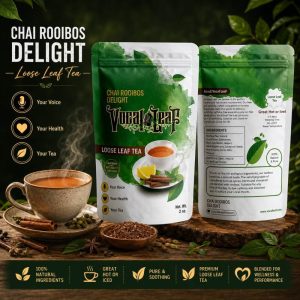
Organic Rooibos Chai Tea For Caffeine Free Daily Support
For afternoon and evening metabolic support without any caffeine interference, Vocal Leaf Organic Rooibos Chai Tea is the most functionally complete option in the lineup. Rooibos is the only meaningful dietary source of aspalathin, a rare antioxidant compound with documented activity in glucose metabolism and fat cell regulation.
Combined with the warming spice profile of a chai blend, it delivers both functional metabolic compounds and the sensory satisfaction that makes daily consistency achievable. Naturally caffeine free from the start, never chemically decaffeinated, it supports the sleep quality that underpins next day metabolic function without requiring any caffeine cutoff management. Works equally well hot or cold brewed for all day use. Best time to drink early afternoon through evening.
Lemon Berry Dream For Antioxidant Rich Hydration
Hydration is one of the most direct metabolic levers available and Vocal Leaf Lemon Berry Dream makes consistent daily hydration considerably easier to sustain than plain water alone.
This blend combines citrus forward botanicals, lemon peel, orange peel, freeze dried lemon granules and marigold blossoms, with apple pieces and a warming cinnamon base, delivering a broad antioxidant profile that supports cellular metabolic efficiency and reduces oxidative burden. Its bright, fruit forward flavor profile makes it the most natural iced tea in the lineup, which matters for afternoon hydration when hot drinks feel less appealing. The antioxidant load supports the same systemic conditions, reduced inflammation, lower oxidative stress, improved cellular repair, that caffeine free herbal options build over time. Best time to drink mid morning through afternoon, particularly iced.
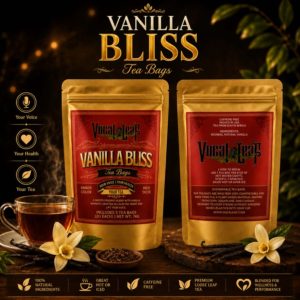
Vanilla Bliss For Gentle Herbal Support Without Stimulants
For those who want metabolic support with the gentlest possible sensory experience, Vocal Leaf Vanilla Bliss delivers a smooth, caffeine free herbal blend that works as a calming afternoon or evening option without sacrificing functional value.
The warm vanilla profile makes it the most approachable entry point for new tea drinkers or anyone transitioning away from sweetened beverages, a shift that itself carries significant metabolic benefit, given the role of added sugar in disrupting insulin sensitivity and fat metabolism. As a naturally caffeine free blend, it supports the evening wind down that protects sleep quality and, by extension, the hormonal conditions, growth hormone secretion, insulin sensitivity, cortisol regulation, that determine how efficiently the body manages energy and weight the following day.
Best time to drink late afternoon through evening, as a calming close to the day tea routine. Together, these four blends create a complete metabolic tea framework caffeinated support in the morning, antioxidant rich hydration through the afternoon and caffeine free herbal depth into the evening. Each one earns its place not through marketing claims but through the specific compounds it delivers and the daily habits it makes sustainable.
How to Brew Tea for Maximum Metabolic Benefit
Brewing technique is not a minor detail when you are drinking tea for metabolic benefit, temperature, steep time and water quality directly determine how much of the bioactive compounds you actually extract into the cup. The difference between a well brewed loose leaf tea and a rushed steep can mean a significant reduction in the polyphenol content you are drinking for.
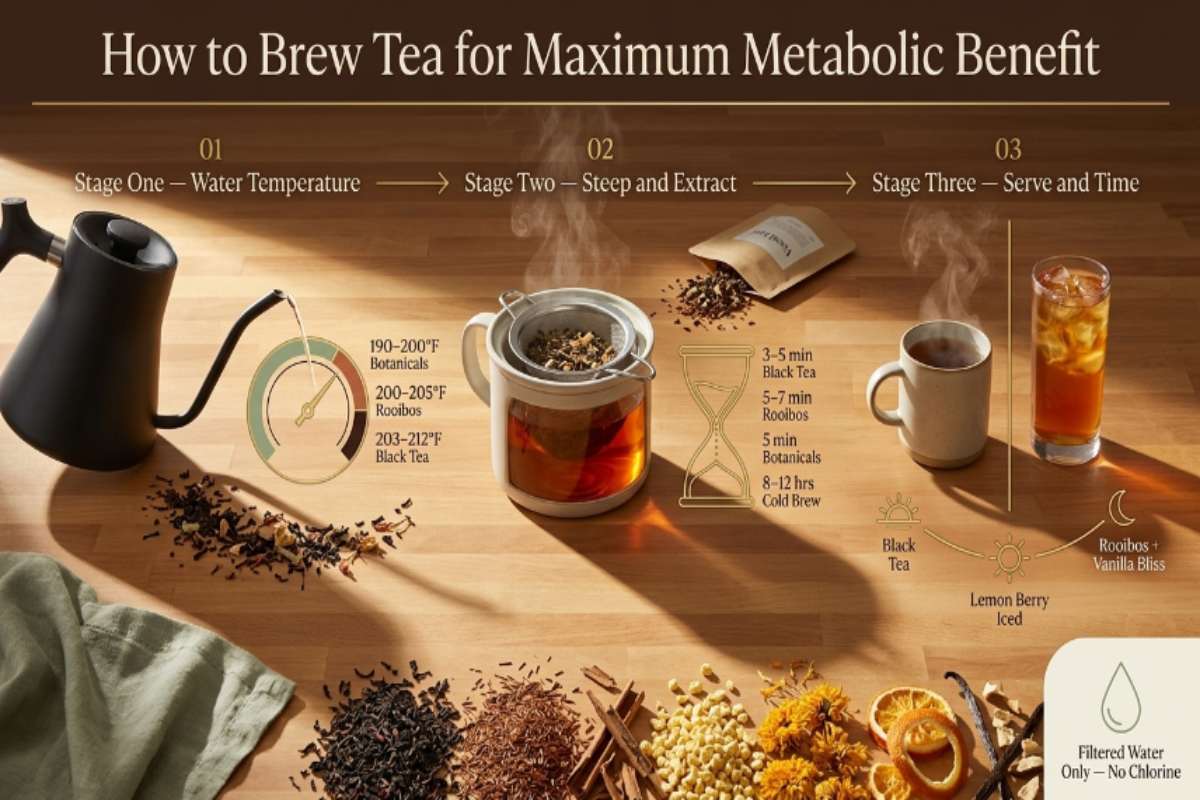
Brewing Temperature and Steep Time by Tea Type
Different teas require different brewing conditions because their compounds extract at different rates and degrade at different temperatures. Using boiling water on every tea regardless of type is one of the most common brewing mistakes and for herbal teas in particular it can damage delicate antioxidant compounds before they fully dissolve into the water.
Black tea is the most forgiving and the most heat tolerant. Brew Vocal Leaf Organic Loose Leaf Black Tea at 203–212°F, just off a full boil, for a full steep of 3 to 5 minutes. This temperature range extracts theaflavins, thearubigins and L theanine completely without burning the leaf. Shorter steep times produce a lighter, lower compound cup, a full 4 to 5 minute steep maximizes metabolic compound extraction while keeping bitterness manageable.
Rooibos is similarly heat tolerant, given that it is a tisane rather than a true tea leaf. Brew Organic Rooibos Chai Tea at 200–212°F for 5 to 7 minutes. Rooibos benefits from a longer steep than black tea, aspalathin and the flavonoids quercetin and luteolin take more time to release into the water fully and unlike true tea, rooibos does not become bitter with extended steeping. There is no penalty for going longer.
Lemon Berry Dream and Vanilla Bliss contain botanicals and fruit pieces that release their antioxidant compounds readily at slightly lower temperatures. Brewing at 190–200°F for 5 minutes preserves the more delicate citrus derived compounds and volatile aromatic components that degrade quickly at full boil. If you are cold brewing either of these blends, which works exceptionally well for Lemon Berry Dream, steep in cold filtered water for 8 to 12 hours in the refrigerator, which extracts a sweeter, smoother flavor profile while preserving heat sensitive antioxidants.
Water quality matters more than most tea drinkers realize. Filtered water free of chlorine and heavy minerals allows the tea natural compounds to express fully without interference from chemical contaminants that can bind to polyphenols and reduce their bioavailability.
Hot vs Iced Does It Change the Metabolic Effect?
The metabolic compounds in loose leaf tea, polyphenols, antioxidants, L theanine, aspalathin, are stable in water regardless of serving temperature. Cold brewing or chilling a hot brewed tea does not meaningfully degrade these compounds once they’ve been properly extracted. The metabolic value of your cup travels with the liquid whether you drink it at 180°F or pour it over ice.
Where temperature does make a small functional difference is thermogenesis. Hot tea requires your body to expend a modest amount of energy cooling the ingested fluid to body temperature, producing a minor thermogenic contribution that iced tea does not replicate. Research suggests this effect accounts for roughly 40% of the increase in metabolic rate observed after drinking hot water, real, but modest enough that it should not drive your temperature choice.
The more metabolically significant variable is consistency. A study published in the European Journal of Preventive Cardiology in 2020 revealed that habitual tea drinkers, defined as consuming tea three or more times per week, showed meaningfully better metabolic health markers than non habitual drinkers, with the benefit growing stronger over years of consistent practice. If iced tea makes you drink more tea more consistently, particularly through warmer months when hot drinks feel unappealing, the thermogenic difference is negligible compared to the compound benefit of daily consumption sustained year round.
Cold brew Lemon Berry Dream or Rooibos Chai in a glass pitcher overnight and keep it refrigerated, this is the most practical system for maintaining daily loose leaf consumption without requiring active brewing effort every afternoon.
How Many Cups Per Day Is Optimal?
For most adults drinking loose leaf tea as a metabolic support practice, two to four cups per day represents the range where benefit accumulates without any meaningful risk of overconsumption. The specific breakdown depends on whether you are drinking caffeinated, caffeine free, or a combination of both tea for metabolism boosting.
For caffeinated black tea, one to two cups before midday delivers the thermogenic and L theanine benefit without accumulating late day caffeine that would compromise sleep. Most adults metabolize caffeine with a half life of five to six hours, meaning a cup consumed at 2pm still has half its caffeine active at 7 or 8pm, enough to measurably reduce deep sleep quality even when it does not prevent falling asleep.
Caffeine free options, Rooibos Chai, Vanilla Bliss and cold brewed Lemon Berry Dream, carry no practical upper limit from a stimulant perspective and two to three cups spread across the afternoon and evening is a reasonable daily target. This gives you a full day tea framework of one to two cups of black tea in the morning, one in the early afternoon if desired and one to two caffeine free cups from mid afternoon onward.
The most metabolically relevant number is not a specific cup count, it is the number you can sustain as a genuine daily habit without effort. Build the routine around what is realistic and the compound benefit follows from consistency rather than volume.
Conclusion
Tea for metabolism is one of the most practical and evidence supported daily habits for anyone looking to maintain or improve metabolic health, not because it overrides biology, but because it works consistently with it. Black tea delivers real thermogenic and polyphenol driven metabolic support in the morning window where it matters most, rooibos and caffeine free blends sustain antioxidant activity, glucose metabolism support and sleep protective benefits through the rest of the day. The compound that makes this work is not any single cup, it is the daily habit built around loose leaf quality, correct brewing and intentional timing across caffeinated and caffeine free options. If you are ready to build that routine with teas formulated for people who take what they put in their body seriously, explore the full loose leaf lineup at Vocal Leaf and find the blends that fit your day.
Frequently Asked Questions (FAQs)
What tea is best for metabolism boosting?
Black tea is the strongest option for direct metabolic boosting, thanks to its natural caffeine and L theanine combination that produces a measurable thermogenic effect. For caffeine free support, rooibos is the most evidence backed choice due to its aspalathin content and documented activity in glucose metabolism.
Is black tea good for metabolism?
Yes. Black tea supports metabolism through multiple pathways simultaneously, thermogenesis via caffeine, sustained energy via L theanine and gut microbiome support via its oxidation derived polyphenols theaflavins and thearubigins. Consistent daily consumption produces cumulative metabolic benefits that single serving measurements do not capture.
Is herbal tea good for metabolism?
Herbal tea supports metabolism through antioxidant activity, inflammation reduction and hydration consistency rather than thermogenic stimulation. Rooibos in particular contains aspalathin, a rare compound with documented effects on glucose metabolism and fat cell regulation that sets it apart from most herbal options.
Can tea speed up a slow metabolism?
Tea can meaningfully support a sluggish metabolism over time, but the effect is cumulative rather than immediate. Caffeinated black tea provides a modest thermogenic lift, while consistent daily consumption of both caffeinated and caffeine free blends addresses the inflammation, hydration deficits and poor sleep quality that most commonly underlie a slow metabolism.
What tea is good for metabolism and weight loss?
Black tea and rooibos are the two most practical options, black tea for its thermogenic and lipid metabolism support, rooibos for its glucose metabolism activity and inflammation reduction. Both work best as part of a consistent daily routine rather than as short term interventions and both are available in loose leaf form for maximum compound delivery.
Which tea has the most metabolic benefit caffeinated or caffeine free?
Neither category is categorically superior, they support metabolism through different mechanisms on different timelines. Caffeinated black tea produces faster, more measurable thermogenic effects caffeine free options like rooibos build long term metabolic resilience through antioxidant load and sleep protection. The most effective approach uses both strategically across the day.
Top Selling Products





Best Tea for Singers | What Actually Helps Your Voice
If you sing, whether you perform professionally, teach voice lessons, or spend your weekends in rehearsal, you’ve probably wondered whether tea actually does anything useful…

Best Tea for Vocal Cords | Herbs, Hydration and Recovery
If your voice feels tired, strained, or dry, the right tea for your vocal cords can make a real difference, not by healing damaged tissue,…

Best Tea for Laryngitis | Soothe Your Voice Naturally
The best tea for laryngitis is a warm, caffeine free loose leaf blend that hydrates the throat and eases the strain on inflamed vocal cords.…

What Is Chai Tea? The Ultimate Guide to Ingredients, Benefits, Types & How It’s Made
If you’ve ever wondered what chai tea is, you’re not alone. It’s one of the most searched beverage questions online, yet the answer is often…

Best Tea for Your Voice | Does It Make You Sound Deeper
What it can do is change how your voice feels and sounds in the moment, which is where most of the confusion starts. If you…

The Best Tea for Performers & Speakers, And Why Your Voice Deserves Better
You spend hours rehearsing the words. You perfect the tone, the breath, the timing. But then you reach for whatever is nearby, a cup of…

Best Tea for Stress Relief | Calming Loose Leaf Blends
Stress is something everybody carries. It shows up in tight shoulders, restless nights, and a mind that won’t quiet down after a long day. And…

Best Tea for Dry Throat | The Teas That Help and the Ones That Hurt
The best teas for a dry throat are caffeine-free herbal blends, teas with no tannins to strip moisture from the throat lining and no caffeine…

Best Teas for Acid Reflux, Heartburn and GERD
Acid reflux doesn’t just cause heartburn. If you have searched for tea good for acidity, you are asking the same question, acidity and acid reflux…

Best Morning Tea for Energy and Focus Without Coffee Crash
The best tea to drink in the morning is black tea if you want steady, coffee level energy without the crash, rooibos chai if you…

Best Tea for Cough | The Complete Guide to Soothing Relief
The best tea for cough relief is a warm, hydrating blend that soothes irritated throat tissue while easing the reflex that triggers coughing in the…

Best Teas for a Cold That Actually Work
Best teas for a cold combines warmth, hydration and gentle steam to ease congestion, calm a scratchy throat and help your body rest while it…