
The Best Tea for Digestion | What Actually Works (and When to Drink It)

The best tea for digestion combines warmth, active plant compounds, and the right timing, and the good news is that a single well-chosen cup can make a measurable difference in how your body processes a meal.
Digestive discomfort, the bloating, the heaviness, the sluggish feeling after eating, is something most people treat as inevitable. It isn’t. Your digestive system responds directly to what you drink, not just what you eat. Warm liquids stimulate peristalsis, the rhythmic muscle contractions that move food through your gut. Certain plant compounds reduce inflammation in the digestive tract, calm muscle spasms, and support the microbial environment your gut depends on to function properly. Tea delivers both.
Research published in the Journal of Nutritional Biochemistry found that polyphenols in tea directly modulate gut microbiota composition, shifting the bacterial balance toward strains associated with healthy digestion and away from those linked to bloating and discomfort. That’s not a minor effect. The gut microbiome influences everything from nutrient absorption to how quickly food moves through your system.
But not every tea earns its place on this list. The wrong cup at the wrong time can irritate a sensitive stomach or disrupt sleep rather than support it. This guide covers exactly which teas work, what makes them effective at the compound level, and when to drink them, morning, after meals, or before bed, so every cup does something useful.
What Does Tea Do for Your Digestive System?
Tea supports digestion through two mechanisms working simultaneously: the physical effect of warm liquid on your gut and the biochemical activity of plant compounds that interact directly with your digestive tissue. Understanding both is what separates a tea that genuinely helps from one that simply feels comforting in the moment.
How Warm Liquids Support Digestive Motility
Motility is the technical term for how efficiently your digestive system moves food from your stomach through your intestines and out. When motility is slow, food sits longer than it should, producing gas, bloating, and that heavy, uncomfortable fullness that lingers well after a meal. Warm liquids accelerate this process.
Drinking warm tea after eating raises the temperature in your gastrointestinal tract slightly, which relaxes the smooth muscle lining your digestive organs and encourages peristalsis, the wave-like contractions that push food forward. Cold or room-temperature liquids can have the opposite effect, temporarily slowing gastric emptying in some people. This is why the long-standing post-meal tea ritual found across so many cultures, from a cup of black tea after dinner in South Asia to warm herbal infusions after meals across the Middle East and Europe, has physiological grounding, not just a cultural habit behind it.
The temperature of what you drink matters. Hot tea, specifically, has been shown to increase intestinal motility more effectively than cold beverages, making timing and temperature two variables worth considering.
Key Compounds That Calm and Activate the Gut
The real work in digestive tea happens at the compound level. Different plant compounds act on the digestive system in different ways; some calm it, some activate it, and the best teas for digestion do both, depending on what your gut needs.
Polyphenols are the most studied class of compounds in tea. They act as prebiotics, selectively feeding beneficial gut bacteria while inhibiting the growth of pathogenic strains. A gut with a healthy bacterial balance digests food more efficiently, produces less excess gas, and maintains a more stable intestinal lining. This physical barrier prevents digestive irritants from entering the bloodstream.
Theaflavins and thearubigins, the oxidized polyphenols produced during black tea processing, have demonstrated anti-inflammatory effects specifically on the intestinal lining. Intestinal inflammation is a root cause of many chronic digestive complaints, including bloating, irregular bowel movements, and food sensitivities. Reducing that inflammation doesn’t just provide short-term relief; it supports the structural integrity of your digestive tract over time.
L-theanine, present in both black tea and certain herbal blends, has a secondary but meaningful role: it modulates the stress response. The gut and brain are constantly communicating through the vagus nerve, a connection researchers call the gut-brain axis. Stress directly tightens the digestive system, slowing motility and triggering spasms. L-theanine’s calming effect on the nervous system translates directly into a more relaxed, functional gut.
Volatile aromatic compounds found in spiced teas, including gingerols and shogaols derived from ginger root, stimulate the production of digestive enzymes and bile, both of which are essential for breaking down fats and proteins efficiently. Less undigested food in your gut means less fermentation, less gas, and significantly less bloating.
Is Tea Actually Good for Digestion? What the Research Says
The short answer is yes, and the evidence is more specific than most people realize.
A 2019 review published in Nutrients found that regular consumption of polyphenol-rich tea was associated with meaningful improvements in gut microbiota diversity, which is one of the strongest markers of long-term digestive health. A less diverse microbiome is consistently linked to conditions like irritable bowel syndrome, chronic bloating, and impaired nutrient absorption.
Separately, research on theaflavins in black tea has shown direct inhibition of harmful gut bacteria, including Clostridium perfringens, without disrupting beneficial populations. This selective antimicrobial activity is something pharmaceutical interventions frequently fail to achieve; broad-spectrum approaches tend to wipe out beneficial bacteria alongside harmful ones. Tea polyphenols work with greater precision.
What the research also makes clear is that consistency matters more than any single cup. The gut microbiome responds to patterns of intake over days and weeks, not to one-off interventions. A daily tea habit, particularly one anchored around meals, produces measurable differences in digestive outcomes compared with occasional use. The dose, the timing, and the quality of what’s in your cup all determine how much of this benefit you actually capture.
The Best Tea for Digestion: What to Look For
The best tea for digestion isn’t defined by marketing language on the packaging; it’s defined by what’s actually in the cup and how those compounds interact with your digestive system. Knowing what to look for means you stop guessing and start choosing with purpose.

The Difference Between Digestive Teas and Regular Tea
The term “digestive tea” is applied loosely, which creates confusion. In practical terms, the distinction comes down to compound concentration and formulation intent.
Regular tea, black tea, rooibos, or any single-origin loose leaf already contains compounds that support digestion. Polyphenols, L-theanine, and natural antioxidants are present by default, and their digestive benefits are real. A well-sourced loose-leaf black tea drunk after a meal is already doing meaningful work on your gut, whether or not the Word “digestive” appears anywhere on the label.
A tea formulated specifically for digestion typically layers additional botanicals into that base, ingredients selected for their targeted action on the gut rather than for flavor alone. The result is a higher concentration of compounds working on a specific problem. The difference matters most when digestive symptoms are acute, significant bloating, post-meal discomfort, or persistent sluggishness. For daily maintenance and long-term gut health, a high-quality single-origin tea drunk consistently often outperforms an occasional digestive blend.
What both have in common is that the quality of sourcing determines the quality of the effect. A digestive tea made from low-grade, heavily processed leaf material will deliver a fraction of the compound activity of a well-sourced loose leaf tea, regardless of what the blend claims to do. Loose leaf consistently outperforms bagged tea in polyphenol content; the fannings and dust used in most tea bags have greater surface area exposure during processing, which accelerates oxidation and degrades the very compounds responsible for digestive benefit.
Caffeinated vs. Caffeine-Free: Which Works Better for Digestion?
Both work, but they work differently, and the better choice depends entirely on when you’re drinking and what your digestive system needs at that moment.
Caffeinated teas, particularly black tea, have a mild stimulant effect on the digestive tract. Caffeine increases gastric acid secretion and accelerates gastric emptying, the rate at which your stomach moves its contents into the small intestine. For most people, this is a net positive after a meal: food moves more efficiently, the heavy post-meal feeling dissipates faster, and the gut gets moving. This is why black tea is particularly effective after a substantial meal. A 2020 study in the European Journal of Nutrition found that caffeine consumption was associated with significantly faster gastrointestinal transit time, thereby directly reducing the window during which fermentation and gas production occur.
The limitation of caffeinated tea is timing. Drinking a caffeinated tea within 2 hours of sleep can disrupt the restorative processes the gut undergoes overnight, as gut repair largely occurs during sleep. For evening digestion or pre-bed use, caffeine-free is the clear choice.
Caffeine-free options, including rooibos-based teas, support digestion through a different pathway, primarily anti-inflammatory and antioxidant activity rather than motility stimulation. Rooibos contains aspalathin and nothofagin, two flavonoids with demonstrated anti-inflammatory effects on the gut lining. This makes caffeine-free options particularly well-suited for people with sensitive stomachs, acid reflux tendencies, or anyone drinking tea in the evening when stimulation would be counterproductive.
The practical approach is to use both strategically: caffeinated tea after daytime meals, caffeine-free in the evening. Your digestive system operates differently throughout the day, and your tea choice should reflect that.
Organic vs. Conventional: Does It Matter for Gut Health?
For digestive purposes specifically, the organic question carries more weight than it does for general wellness, and here’s why.
Pesticide residues in conventionally grown tea don’t just sit on the surface of the leaf. Many are systemic, meaning they’re absorbed into the plant tissue during growth and cannot be washed off. When those leaves are steeped in hot water, residues migrate into the liquid you drink. The gut lining is among the most permeable and sensitive tissues in the body, and it’s the first point of contact for anything that passes through your digestive system. Introducing pesticide residues to an already irritated or inflamed gut creates a compounding problem.
Organic certification doesn’t guarantee a perfect product, but it does establish a meaningful baseline: no synthetic pesticides, no chemical fertilizers, and no artificial processing aids. For someone drinking tea daily for digestive benefits, the cumulative exposure difference between organic and conventional over weeks and months is not negligible.
There’s a secondary consideration specific to loose-leaf tea: because it’s steeped whole and then removed, the leaf-to-water contact is controlled. Bagged conventional teas present an additional variable; the bleached paper or nylon mesh of the bag itself can introduce trace compounds into the brew. Organic loose leaf removes both concerns simultaneously.
If gut health is a genuine priority rather than an occasional afterthought, organic loose leaf is the format that makes the most sense, not as a premium indulgence, but as the version of the product that actually delivers what you’re drinking it for.
Best Tea for Digestion and Bloating
The best tea for digestion and bloating works by addressing the two root causes simultaneously, reducing gas production in the gut and calming the intestinal inflammation that makes bloating painful rather than just uncomfortable. The right cup, taken at the right time, can produce noticeable relief within twenty to thirty minutes.

What Causes Bloating After Eating
Bloating is almost always a fermentation problem. When food, particularly complex carbohydrates and fiber, isn’t fully broken down in the stomach and small intestine, it arrives in the large intestine partially intact. The bacteria living there ferment that undigested material, producing gas as a byproduct. That gas accumulates, stretches the intestinal walls, and creates the pressure and distension most people recognize as bloating.
The speed of your digestive process matters significantly here. Slow gastric emptying gives food more time to ferment at every stage of the digestive tract. Insufficient digestive enzyme activity means more undigested material reaches the large intestine in the first place. An imbalanced gut microbiome, with an overrepresentation of gas-producing bacterial strains, exacerbates the problem at the fermentation stage.
Stress compounds all of this. The gut-brain axis means that psychological tension directly slows motility and reduces enzyme secretion, which is why bloating so often clusters around stressful periods rather than appearing randomly. A gut under stress ferments more and moves less.
According to the American Journal of Gastroenterology, up to 30% of the general population reports frequent bloating, making it one of the most common digestive complaints globally and one of the most undertreated because it’s often dismissed as minor.
How Tea Reduces Gas and Bloating Naturally
Tea addresses bloating through several pathways that operate at different points in the digestive process, which is what makes it a more complete solution than most single-ingredient remedies.
Warm liquid itself is the first mechanism. Drinking hot tea after a meal accelerates gastric emptying and stimulates peristalsis, reducing the window in which fermentation can occur. Less time in transit means less gas produced before food clears the stomach and small intestine.
Polyphenols, present in both black and rooibos teas, act as prebiotics, selectively feeding beneficial gut bacteria and suppressing the gas-producing strains responsible for fermentation-related bloating. This effect is cumulative: consistent daily tea consumption gradually shifts the microbiome toward a less gas-producing balance, leading to less bloating over time even when eating the same foods.
Anti-inflammatory compounds reduce intestinal wall sensitivity, turning ordinary gas pressure into significant discomfort. Bloating isn’t just about how much gas is present; it’s about how reactive the intestinal lining is to that pressure. Research published in Molecular Nutrition & Food Research found that tea polyphenols measurably reduced markers of intestinal inflammation, which directly correlates with reduced bloating severity even when gas production remains unchanged.
Spiced tea formulations add a third layer. Gingerols and shogaols, the active compounds in ginger root, stimulate the release of digestive enzymes and accelerate stomach contractions, which means less undigested food reaches the large intestine to begin fermentation. They also have a direct antispasmodic effect on intestinal smooth muscle, relieving the cramping that often accompanies bloating.
Which Vocal Leaf Tea Works Best for Bloating
Vocal Leaf’s four teas approach bloating relief from different angles, and the best choice depends on when you’re drinking and how your symptoms tend to present.
Lemon Berry Dream is the go-to for acute post-meal bloating, particularly in the afternoon or after a heavy lunch. Its caffeine-free profile means it won’t overstimulate a gut that’s already working hard, while its botanical blend delivers anti-inflammatory activity directly to the digestive tract. The bright, fruity flavor also makes it easy to drink immediately after eating, which is when timing matters most for bloating relief.
Organic Loose Leaf Black Tea is the best option for morning or midday use when you want both digestive support and sustained energy. The theaflavins in black tea have demonstrated prebiotic activity that shifts the gut microbiome away from gas-producing strains over time, making this the most effective choice for addressing the underlying bacterial imbalance rather than just the immediate symptom. One cup after breakfast, consistently, produces measurable differences in digestive outcomes over weeks.
Organic Rooibos Chai Tea combines rooibos’s gut-lining anti-inflammatory properties with the enzyme-stimulating compounds in its spice blend, making it particularly effective for bloating driven by incomplete digestion rather than bacterial fermentation. It’s also completely caffeine-free, which makes it appropriate after dinner when a caffeinated option would be counterproductive.
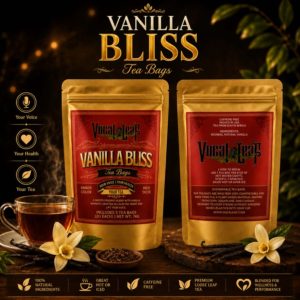
Vanilla Bliss is the evening and pre-bed choice. Its gentle, caffeine-free formulation supports overnight gut recovery, the period when the intestinal lining repairs itself and the microbiome rebalances, without any of the stimulation that would interfere with sleep. For people whose bloating tends to be worst in the morning, addressing what happens digestively overnight is often the overlooked variable.
Best Tea for Digestion After Eating
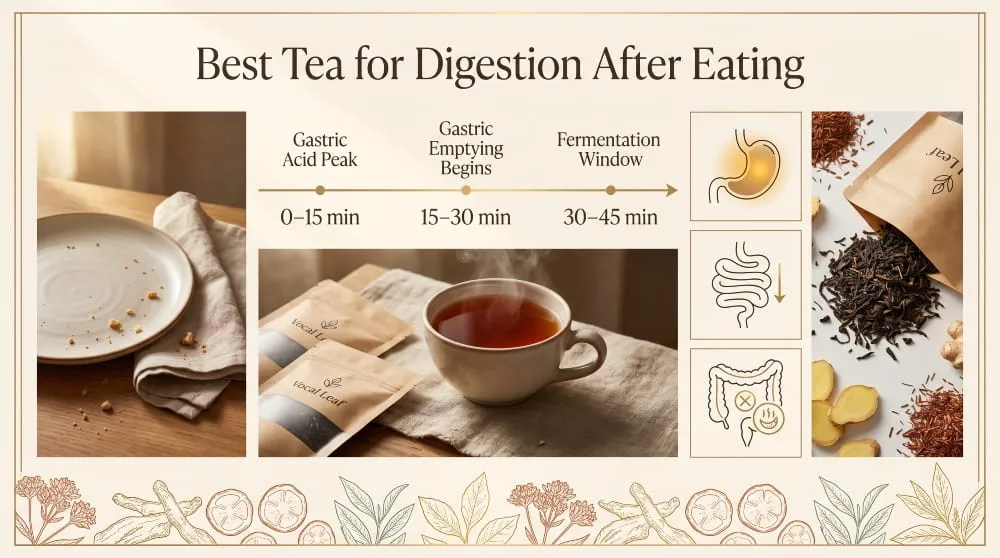
The best tea for digestion after eating is one you drink warm, within thirty minutes of finishing your meal, before the fermentation process that causes bloating and discomfort has a chance to accelerate. Timing is not incidental here; it is the variable that determines how much of the benefit you actually capture.
Why Timing Matters: Drinking Tea After Meals
The digestive process moves through distinct phases, and the window immediately after eating is the most consequential one for intervention. During the first 30 to 60 minutes after a meal, your stomach actively breaks down food through mechanical churning and acid secretion. Gastric emptying, the process of moving partially digested food from the stomach into the small intestine, is underway, and the speed of that process directly influences how much fermentation occurs downstream.
Drinking tea during this window does several things at once. Warm liquids raise the temperature of the gastrointestinal tract, which relaxes smooth muscle and encourages peristaltic contractions that move food forward. Polyphenols begin interacting with the gut microbiome almost immediately upon absorption, selectively suppressing gas-producing bacterial activity before significant fermentation can begin. And for spiced formulations, enzyme-stimulating compounds reach the small intestine alongside the partially digested food they’re needed to process.
Wait too long, say, two hours after eating, and the food has already moved through the stage where tea can do its most useful work. The intervention is still beneficial, but the primary fermentation window has largely passed. This is why cultures with the strongest post-meal tea traditions tend to drink immediately after eating rather than as a separate, later ritual. The habit has physiological logic embedded in it.
One caveat worth noting: drinking very large volumes of any liquid immediately with a meal can dilute gastric acid and mildly impair the initial breakdown phase. A single cup of tea, roughly 240ml, does not produce this effect. The digestive benefit of that volume outweighs any negligible dilution, particularly given that the polyphenols and warmth actively support acid-phase digestion rather than work against it.
Hot Tea After Dinner, Does It Actually Help?
It does, and the mechanism is more specific than simply feeling warm and settled after a meal.
Hot tea after dinner supports digestion through three overlapping effects. The thermal effect on smooth muscle has already been established. Still, it’s worth noting that this response is temperature-dependent: warm tea produces it, cold or room-temperature liquid does not, and very hot tea consumed too quickly can irritate the esophageal lining before it ever reaches the stomach. The optimal temperature is hot enough to feel warming throughout the upper digestive tract, not scalding.
The second effect is neurological. Eating activates the sympathetic nervous system to a degree, particularly after large or rich meals. The act of sitting with a warm cup of tea after dinner initiates a parasympathetic shift, which the nervous system refers to as “rest and digest” mode, directly improving digestive efficiency. The gut functions better when the nervous system is calm, and the ritual of post-dinner tea actively facilitates that transition. A 2017 study in Applied Physiology, Nutrition, and Metabolism found that parasympathetic activation after meals was significantly associated with improved gastric motility and reduced post-meal discomfort.
The third effect is microbial. The evening meal is typically the largest of the day for most people, which means the highest fermentation load arrives in the large intestine overnight, precisely when digestive motility naturally slows during sleep. Polyphenols consumed after dinner are present in the gut during this overnight period, actively modulating bacterial activity that would otherwise lead to maximum gas accumulation by morning. A cup of tea after dinner is, in this sense, doing work through the night.
Best Tea for Digestion After Dinner (What to Reach For)
After dinner, the choice between caffeinated and caffeine-free becomes the primary decision, and it should be made based on how soon after drinking you intend to sleep.
If dinner is early and sleep is two or more hours away, Organic Loose Leaf Black Tea is the most effective post-dinner option. Theaflavins and thearubigins provide the strongest polyphenol activity for microbiome modulation; their mild caffeine content is well within the range that clears the system within two hours in most adults, and their gastric motility effect is the most pronounced of any tea in the Vocal Leaf range. It moves dinner along efficiently and sets the gut up well for the overnight period.
If dinner is later or sleep sensitivity is a factor, Organic Rooibos Chai Tea is the after-dinner tea that does the most work without the caffeine. Its spice-derived compounds stimulate digestive enzyme activity and accelerate gastric emptying through the same pathway as caffeinated teas, but without any nervous system stimulation. Rooibos’s aspalathin content provides overnight anti-inflammatory support for the gut lining, making it particularly effective for people whose post-dinner discomfort tends to linger into the morning.
For evenings when the meal is light, and the primary goal is gently settling the digestive system before bed, Vanilla Bliss offers a calmer intervention, soothing rather than activating, supportive rather than stimulating. It’s the right choice when digestion doesn’t need acceleration so much as it needs to be left in a calm, stable state to do its work undisturbed through the night.
Best Tea for Digestion at Night and Before Bed
The best tea for digestion at night is caffeine-free, anti-inflammatory, and drunk 30 to 60 minutes before sleep, close enough to bedtime to support overnight gut repair but with enough time to avoid waking with a full bladder. What happens in your digestive system while you sleep is more consequential than most people realize, and the right cup before bed directly influences how your gut feels when you wake up.

Nighttime Digestion: Why It’s Different
Digestion doesn’t stop when you sleep; it shifts. The frenetic, enzyme-heavy, acid-driven work of breaking down a meal transitions overnight into a slower, restorative phase focused on absorption, microbial activity, and intestinal repair. The gut lining, a single-cell-thick barrier that separates your digestive contents from your bloodstream, undergoes its primary cycle of regeneration during sleep. The gut microbiome, freed from the constant input of new food, rebalances its bacterial populations. Intestinal inflammation that accumulated during the day begins to resolve.
This overnight restoration phase is why sleep quality and gut health are so tightly linked. Research published in Cell Host & Microbe found that disrupted sleep patterns directly altered gut microbiome composition within just two nights, reducing populations of beneficial bacteria and increasing markers of intestinal permeability, commonly referred to as leaky gut. The relationship runs in both directions: a dysregulated gut microbiome impairs sleep quality, and poor sleep degrades the microbiome. Nighttime is when that cycle either compounds or corrects itself.
What you drink before bed influences which direction it goes. A tea that delivers anti-inflammatory polyphenols and gut-supportive compounds in the hours before sleep actively contributes to the restoration process, reducing the inflammatory load the gut lining has to repair overnight and providing prebiotic activity that supports beneficial bacterial populations during their most active rebalancing window.
What you don’t want before bed is stimulation. Caffeine delays sleep onset, reduces deep sleep duration, and, critically for digestion, keeps the sympathetic nervous system partially activated, which suppresses the parasympathetic “rest and digest” state the gut needs to do its overnight repair work properly.
Caffeine-Free Options That Won’t Disrupt Sleep
Caffeine-free tea is not a compromise version of tea for digestion; for nighttime use specifically, it is the correct version. The absence of caffeine is a feature, not a limitation, because it allows the full parasympathetic shift that makes overnight digestion and gut repair possible.
The compounds that matter most for nighttime digestive support are those with anti-inflammatory and antioxidant properties that work over hours rather than producing an immediate stimulant effect. Rooibos is the most well-researched caffeine-free base for this purpose. Its two primary flavonoids, aspalathin and nothofagin, have demonstrated direct anti-inflammatory activity on the intestinal lining. Because rooibos is naturally caffeine-free rather than chemically decaffeinated, none of the leaf’s original phytochemical profile is disrupted in processing. Chemically decaffeinated teas often lose significant polyphenol content alongside the caffeine, as solvents don’t discriminate between compounds. Naturally caffeine-free teas deliver their full compound profile intact.
L-theanine, present in some caffeine-free formulations, adds a secondary benefit at night: it promotes alpha brain wave activity associated with relaxed alertness, which supports the transition into deep sleep. Deep sleep is the phase most closely associated with gut repair and immune function, so a tea that facilitates deeper sleep is also indirectly supporting the digestive restoration that sleep enables.
The practical threshold for nighttime tea is straightforward: if a tea contains any caffeine, it should not be consumed within an hour before sleep for most people. Individual caffeine sensitivity varies, but the gut repair benefits of getting that overnight window right are too significant to gamble on a borderline choice.
The Best Bedtime Digestive Tea Routine
A bedtime digestive tea routine works best when it’s consistent, timed correctly, and paired with the right behavioral context, because the tea itself is only part of what makes the routine effective.
Drink your chosen tea thirty to sixty minutes before you intend to sleep. This timing serves two purposes: it ensures the active compounds are circulating in your digestive system during the early, most intensive phase of overnight gut repair, and it gives your bladder enough time to process the liquid so it doesn’t interrupt your sleep. A single cup, 240 to 300ml, is the right volume. More than that risks the opposite problem.
Drink it away from screens and in a seated, relaxed position if possible. This isn’t incidental wellness advice; it’s physiologically relevant. Behavioral cues partly trigger parasympathetic nervous system activation, which enables overnight digestion. Warmth, stillness, and reduced stimulation all signal to the nervous system that it’s time to shift into rest-and-digest mode. A cup of tea consumed while scrolling under bright light delivers the compounds but misses the neurological context that amplifies their effect.
Vanilla Bliss is the most appropriate choice for this routine on most nights. Its gentle, caffeine-free profile is specifically suited to the calm, restorative intent of pre-bed digestion support. On evenings following particularly heavy meals, or when post-dinner bloating has persisted into the late evening, Organic Rooibos Chai Tea provides a more active anti-inflammatory and enzyme-supportive intervention, still fully caffeine-free, but with a more targeted action on residual digestive discomfort before sleep.
The goal of the routine is not to feel a dramatic effect before you fall asleep. It’s to give your gut what it needs to do its overnight work properly, so that you wake up feeling settled, light, and ready to eat again, rather than carrying yesterday’s digestion into the morning.
Best Morning Tea for Digestion
The best morning tea for digestion is one that activates a digestive system that has been in repair mode for seven or eight hours, warming the gut, stimulating enzyme production, and setting the microbial tone for everything you eat for the rest of the day. What you drink first in the morning is not a minor decision. It is the first input your digestive system receives after its longest daily fast, and it shapes how efficiently your gut performs from that point forward.
How to Start Your Digestive System in the Morning
Your digestive system wakes up gradually. Overnight, gastric acid secretion drops significantly, digestive enzyme production slows, and gut motility decreases as part of the natural circadian rhythm that governs all physiological systems. By morning, the gut is in a low-activity state, not broken, but not ready to process a full meal without some preparation.
The transition from overnight rest to active digestion is called the migrating motor complex, a pattern of electrical activity that sweeps through the stomach and small intestine during fasting periods, clearing residual debris and resetting the gut for the next digestive cycle. Warm liquid in the morning accelerates the completion of this cycle. It triggers the cephalic phase of digestion, a preparatory response that increases saliva production, stimulates gastric acid secretion, and activates the release of digestive enzymes before food even arrives.
This is why drinking warm tea before breakfast produces better digestive outcomes than eating immediately upon waking. The gut needs a few minutes of warm, active preparation to shift from its overnight state into full digestive capacity. Skipping that preparation and going straight to food, particularly a large or complex meal, puts the digestive system in a catch-up position that it often doesn’t fully recover from until midday.
Mornings are also when cortisol naturally peaks within 30 to 45 minutes of waking, a phenomenon called the cortisol awakening response. Elevated cortisol has a direct suppressive effect on digestive function, diverting blood flow away from the gut. It reduces mucus secretion, which protects the intestinal lining. A warm, polyphenol-rich tea consumed during this window doesn’t eliminate the cortisol response. Still, it provides the gut lining with anti-inflammatory compounds precisely when that lining is most vulnerable to cortisol-driven inflammation.
Why What You Drink First Matters
The first thing you consume in the morning reaches a digestive system that has been fasting for hours, meaning absorption rates are at their peak and the gut microbiome is at its most receptive to new inputs. Whatever you drink first doesn’t compete with food for absorption; it has the full attention of your digestive tract.
For polyphenols specifically, this matters considerably. Research published in Redox Biology found that polyphenol bioavailability, the proportion that actually reaches systemic circulation and produces measurable biological effects, is significantly higher in a fasted state than after eating. Drinking polyphenol-rich tea first thing in the morning, before food, maximizes the prebiotic and anti-inflammatory activity those compounds deliver. The same cup drunk after a meal produces a meaningful effect; the same cup drunk on an empty stomach produces a stronger one.
The first drink of the morning also sets the baseline for your digestive system’s hydration. Overnight fluid loss through respiration and minor perspiration leaves most people mildly dehydrated by morning, and even mild dehydration slows gastric motility and thickens the mucus layer lining the intestinal walls, both of which impair digestion throughout the day. Warm tea rehydrates and activates simultaneously, whereas cold water alone does not, because it lacks the thermal motility stimulus and phytochemical activity.
Organic Loose Leaf Black Tea is the strongest morning choice for most people. Its caffeine content produces a clean, sustained activation of both the central nervous system and the digestive tract, without the cortisol spike associated with coffee, which can exacerbate the morning cortisol peak and further stress the gut lining. It’s theaflavin and thearubigin content delivers the highest polyphenol concentration in the Vocal Leaf range, and those compounds hit the fasted gut at maximum bioavailability. For people who are caffeine-sensitive or prefer to start the day without any stimulant, Lemon Berry Dream provides the warm activation and anti-inflammatory polyphenol activity without the caffeine, a gentler start that still prepares the digestive system properly before the first meal of the day.
The principle in both cases is the same: treat the first cup of the morning as preparation, not just hydration. Your digestive system performs better for the entire day when it’s given a proper start.
Herbal Tea for Digestion, The Full Picture
Herbal tea for digestion works when the botanicals in the blend have demonstrated compound-level activity on the digestive tract, not simply because something is plant-based and warm. The distinction matters because the herbal tea category is large and inconsistent, and understanding what separates a genuinely digestive herbal tea from one that merely carries that label is the difference between relief and disappointment.

What Makes an Herbal Tea “Digestive”
The Word “digestive” on a tea label is not a regulated claim. Any blend can carry it regardless of what’s actually in the cup or what those ingredients do in the body. This makes it essential to evaluate herbal teas for digestion based on their chemical activity rather than their marketing positioning.
A genuinely digestive herbal tea needs to do at least one of the following things at a meaningful level: stimulate digestive enzyme production, reduce intestinal inflammation, support beneficial gut bacteria, relax smooth muscle spasms in the digestive tract, or accelerate gastric motility. The best formulations do several of these simultaneously, which is why a well-constructed herbal blend frequently outperforms a single-ingredient remedy for complex digestive complaints.
Carminative compounds are the most directly relevant class for bloating and gas specifically. These are volatile aromatic compounds that relax the smooth muscle of the gastrointestinal wall, allowing trapped gas to move and disperse rather than accumulate under pressure. They work quickly, typically within twenty to thirty minutes of consumption, which is why herbal teas with strong carminative profiles have been used as post-meal digestive aids across virtually every traditional medicine system in the world.
Anti-inflammatory flavonoids address a different layer of the problem. Intestinal inflammation doesn’t always produce dramatic symptoms; it often manifests as persistent low-level digestive sensitivity, a tendency to bloat with certain foods, or a general feeling of gut fragility. Flavonoids like aspalathin, found in rooibos, reduce this baseline inflammation over time, which is why consistent daily consumption of an anti-inflammatory herbal tea produces different outcomes than occasional use. The benefit accumulates.
Bitterants, bitter-tasting compounds found in certain botanical ingredients, stimulate the release of bile and digestive enzymes through receptors in the mouth and upper digestive tract. This cephalic phase response prepares the digestive system before food arrives, improving the efficiency of breakdown from the first bite. A tea with genuine bitterant activity consumed before or during a meal functions as a digestive primer rather than simply a post-meal soother.
Caffeine-Free Herbal Options for Sensitive Stomachs
Digestive sensitivity and caffeine are a poor combination. Caffeine increases gastric acid secretion, which is useful for gut motility in a healthy gut, but can aggravate digestive complaints such as acid reflux, gastritis, heartburn, or general upper GI irritation. For these individuals, caffeine-free herbal tea is not a compromise; it is the clinically appropriate choice.
The challenge with caffeine-free digestion teas is that the absence of caffeine removes one of the primary motility mechanisms. Hence, the blend’s botanical profile has to work harder to deliver comparable digestive support through other pathways. Not all caffeine-free teas meet this standard. Many are mild, pleasant, and essentially decorative in their digestive effect; they feel soothing without producing meaningful physiological change.
Rooibos-based formulations are the strongest caffeine-free option for digestive support because rooibos brings genuine compound activity to the cup rather than simply providing a neutral base. Aspalathin and nothofagin, the two primary flavonoids in rooibos, have demonstrated measurable anti-inflammatory effects on the intestinal mucosa in peer-reviewed research, and rooibos’s low tannin content means it doesn’t produce the astringency that can irritate already-sensitive digestive tissue. For people whose stomachs respond poorly to high-tannin teas, rooibos delivers polyphenol activity without that particular irritation risk.
The naturally caffeine-free distinction also matters here more than in any other context. Chemically decaffeinated teas, those that began as caffeinated and had caffeine removed through solvent or water processing, frequently lose significant polyphenol content during that process. Someone choosing a caffeine-free tea for a sensitive stomach who reaches for a decaffeinated product may be getting neither the caffeine they wanted to avoid nor the polyphenols they need. Naturally caffeine-free teas like rooibos deliver their full phytochemical profile intact, with no processing trade-offs.
A 2021 review in Antioxidants confirmed that rooibos polyphenol bioavailability is comparable to that of green and black tea polyphenols, making it a genuinely active digestive ingredient rather than a passive, caffeine-free substitute, as it’s often incorrectly positioned.
Best Organic Herbal Tea for Digestion and Bloating
For herbal tea to deliver its full digestive benefits, the sourcing and processing of its ingredients need to preserve the compounds that make those botanicals effective in the first place. This is where organic certification becomes a functional consideration rather than simply an ethical one.
The gut lining is the most permeable and absorptive tissue in the body. Pesticide residues in conventionally grown botanical ingredients, particularly systemic pesticides that cannot be removed by washing or steeping, reach the intestinal wall directly. For someone drinking herbal tea specifically to support a sensitive or inflamed gut, introducing those residues at the point of maximum absorption is counterproductive in a way that goes beyond general wellness concerns. Organic sourcing removes that variable entirely.
Processing method matters alongside sourcing. Loose-leaf herbal teas preserve the structural integrity of the botanical material, which means volatile aromatic compounds, the carminatives responsible for much of the anti-bloating activity, remain intact until steeping. Pre-ground or heavily processed herbal material loses these volatile compounds during storage, which is why loose-leaf herbal teas consistently produce stronger digestive effects than their bagged equivalents, even when sourced from identical botanical origins.
Organic Rooibos Chai Tea is the strongest herbal option in the Vocal Leaf range for digestion and bloating. Its rooibos base delivers anti-inflammatory flavonoid activity on the gut lining, while its spice-derived compounds, including gingerols from ginger root, provide carminative and enzyme-stimulating activity that addresses gas and incomplete digestion simultaneously. The organic certification ensures the full compound profile reaches your gut without the variable of pesticide residue, and the loose leaf format ensures that profile is intact at the point of steeping.
Vanilla Bliss operates at the gentler end of the herbal digestion spectrum, better suited for mild, evening digestive support and overnight gut recovery than for acute post-meal bloating. For sensitive stomachs that react strongly to richer spice profiles, it provides meaningful anti-inflammatory and soothing activity without the intensity of a chai-style blend.
The principle that runs through both is the same one that separates effective herbal digestive teas from decorative ones: specific compounds, verified sourcing, intact processing, and consistency of use. An organic, loose-leaf herbal tea drunk daily does something a generic bagged blend drunk occasionally simply cannot replicate.
Tea for Digestion and Gut Health, The Long Game
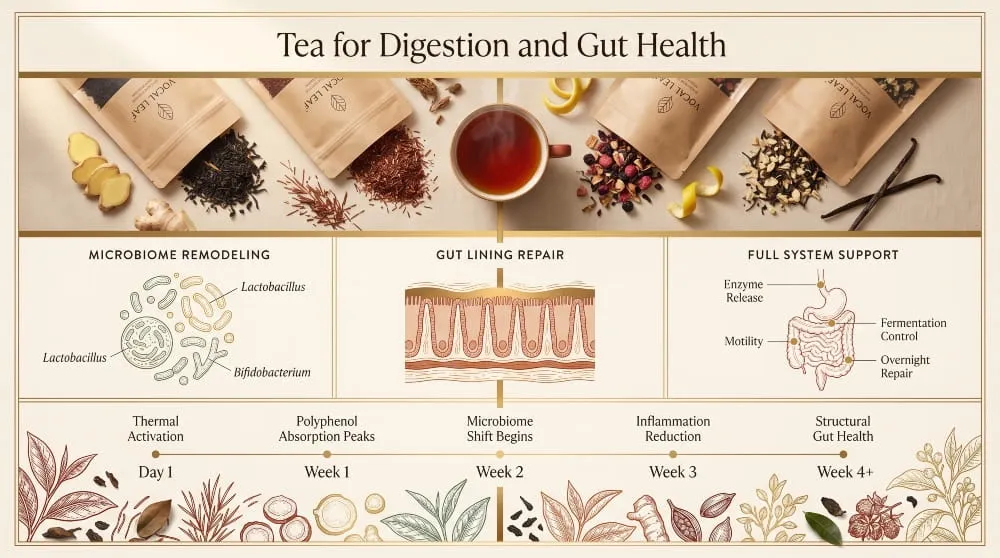
Tea supports digestion and gut health most powerfully not as an occasional remedy but as a daily habit, one where the cumulative effect of consistent polyphenol intake reshapes the gut microbiome, reduces baseline intestinal inflammation, and produces a digestive system that functions more reliably over time. The research on this is unambiguous: the gut responds to patterns, not interventions.
How Daily Tea Drinking Affects the Gut Microbiome
The gut microbiome is not a fixed system. Its composition shifts continuously in response to what you eat, how you sleep, your stress levels, and, critically, what you drink. These shifts occur on a timescale of days to weeks, meaning the microbiome you have today is a direct reflection of the inputs you’ve given it over the past month, not just yesterday’s meals.
Tea polyphenols are among the most well-studied dietary compounds for modulating the microbiome. They function as prebiotics, but with a selectivity that dietary fiber alone doesn’t provide. Rather than broadly feeding all gut bacteria, polyphenols from black tea and rooibos preferentially promote the growth of Lactobacillus and Bifidobacterium species while suppressing pathogenic and gas-producing strains. The result is a gradual but measurable shift in the bacterial balance of the large intestine, fewer strains that produce excess gas and intestinal inflammation, and more strains that produce short-chain fatty acids, such as butyrate, which fuel the colon wall and regulate transit.
Butyrate deserves specific attention here. It is the primary energy source for colonocytes, the cells lining the colon, and its production by gut bacteria directly regulates intestinal permeability, motility, and the integrity of the gut barrier. Low butyrate production is associated with leaky gut, irregular bowel habits, and chronic digestive inflammation. A microbiome shaped by consistent polyphenol intake produces more butyrate, not because of a single intervention, but because the bacterial populations capable of producing it have been selectively cultivated over time.
A 2020 meta-analysis in Critical Reviews in Food Science and Nutrition examining 12 randomized controlled trials found that consistent tea polyphenol consumption significantly increased gut microbiome diversity, which is one of the most robust markers of long-term digestive and immune health. The effect size was meaningful, and it correlated directly with duration of consumption: longer, more consistent intake produced greater diversity gains than short-term supplementation. This is the long game in practice.
Anti-Inflammatory Compounds and Digestive Recovery
Chronic low-grade intestinal inflammation is the underlying condition behind a disproportionate share of common digestive complaints. Bloating that doesn’t resolve, unpredictable bowel habits, food sensitivities that seem to multiply over time, and persistent post-meal discomfort; these are frequently symptoms of an inflamed gut lining rather than discrete conditions requiring separate treatments. Addressing inflammation alleviates many symptoms simultaneously.
Tea polyphenols work on intestinal inflammation through multiple molecular pathways. Theaflavins in black tea inhibit NF-κB, the primary transcription factor that activates the expression of inflammatory genes in intestinal cells. Aspalathin in rooibos reduces the production of pro-inflammatory cytokines specifically in gut tissue. Both compounds reduce the oxidative stress that accumulates in the intestinal lining from daily exposure to food antigens, environmental compounds, and the metabolic byproducts of gut bacteria themselves.
What makes this anti-inflammatory activity relevant to digestive recovery specifically is its cumulative nature. A single cup of tea produces a measurable but transient reduction in gut inflammation markers. Daily consumption over weeks produces a sustained reduction and a lower baseline inflammatory state, changing how the gut responds to provocations like a large meal, a stressful day, or a food that previously triggered discomfort. The gut becomes less reactive not because it’s been suppressed, but because the underlying inflammatory load driving that reactivity has been steadily reduced.
This is also why people who establish a consistent daily tea habit frequently report that their digestive improvements feel gradual, then suddenly significant: a few weeks of mild improvement followed by a noticeable shift in their baseline. That pattern maps directly onto what the research shows: microbiome remodeling and inflammation reduction both follow a curve that builds slowly before reaching a threshold.
Digestive recovery after a period of gut disruption, whether from illness, antibiotics, dietary stress, or prolonged poor sleep, follows the same timeline. The gut microbiome can reconstitute beneficial populations within two to four weeks of consistent polyphenol intake, provided the anti-inflammatory environment needed for that reconstitution is maintained simultaneously. Tea addresses both requirements in one cup.
Building a Gut-Supportive Tea Routine
A gut-supportive tea routine works because it creates consistent, timed polyphenol exposure throughout the day, ensuring that the microbiome and gut lining receive active compound support at times when they’re most receptive. The specific teas matter. The timing matters. The consistency matters most of all.
The most effective structure anchors tea consumption to three naturally occurring digestive moments: morning activation, post-meal support, and evening recovery.
In the morning, Organic Loose Leaf Black Tea delivers the highest polyphenol concentration at the point of maximum bioavailability, and a fasted gut absorbs polyphenols more efficiently than one that processes food. Its caffeine content activates colonic motility for the day, and its theaflavins begin the prebiotic work that compounds over the following hours.
After the day’s largest meal, typically lunch or dinner, Organic Rooibos Chai Tea provides the carminative and enzyme-stimulating activity that addresses immediate post-meal digestion. At the same time, its rooibos base contributes anti-inflammatory flavonoids that protect the gut lining during its most active processing period. For afternoon use, Lemon Berry Dream offers a lighter, caffeine-free option that maintains polyphenol intake through the midday hours without adding stimulant load.
In the evening, Vanilla Bliss closes the routine, providing the anti-inflammatory and soothing compounds that support overnight gut repair without any caffeine interference. Drinking 30 to 60 minutes before sleep ensures the gut enters its restoration phase with active compounds circulating, rather than starting that process from a nutritional zero.
The total daily polyphenol exposure from this routine is meaningfully higher than what most people achieve through diet alone, and it’s distributed across the day in a way that matches the gut’s own functional rhythms. That alignment between intake timing and digestive physiology is what makes a structured tea routine produce different outcomes than drinking tea whenever the mood strikes. The gut is a system operating on a schedule. A routine that works with that schedule rather than around it is the one that produces lasting change.
Vocal Leaf Teas for Digestion, Our Full Lineup
Every Vocal Leaf tea was formulated with a specific physiological purpose, not a general wellness claim. Each one delivers a distinct compound profile that targets digestion at a different point in the day and through a different biological mechanism. Here is what each tea does, why it works, and when to reach for it.

Lemon Berry Dream, For Bloating and Post-Meal Calm
Lemon Berry Dream is the go-to cup for post-meal bloating, specifically the kind that builds within an hour of eating and produces that tight, pressurized feeling that makes you want to lie down and wait it out.
Its caffeine-free formulation is deliberate. After a meal, the digestive system needs parasympathetic activation, the rest-and-digest state that optimizes motility and enzyme activity. Caffeine at this stage can tip the nervous system in the wrong direction, increasing gut tension rather than relieving it. Lemon Berry Dream delivers its anti-inflammatory and carminative compound activity without that interference, allowing the gut to settle into efficient post-meal processing rather than fighting against stimulant-driven tension.
The bright citrus and berry profile is also functionally relevant. Citrus-derived compounds have demonstrated mild choleretic activity; they stimulate bile flow, which improves fat digestion and reduces the fermentation load contributed by poorly digested fats. For meals with significant fat content, this bile-supportive effect addresses one of the more common but underrecognized drivers of post-meal bloating.
Reach for Lemon Berry Dream immediately after eating, within 15 to 30 minutes of finishing your meal, when its carminative and anti-inflammatory compounds can intercept the fermentation process before it leads to significant gas accumulation. It works as both a reactive remedy and a preventive measure, and its flavor profile makes it easy to drink even when appetite is low after a heavy meal.
Organic Loose Leaf Black Tea, For Daily Gut Support
Organic Loose Leaf Black Tea is the foundation of any serious gut health routine, the daily driver that produces the microbiome and anti-inflammatory changes that make every other digestive intervention more effective.
Its compound profile is the most complex in the Vocal Leaf range. Theaflavins and thearubigins, the oxidized polyphenols unique to black tea, preferentially feed Lactobacillus and Bifidobacterium populations while suppressing gas-producing and pathogenic bacterial strains. Tannins provide direct protective activity on the intestinal mucosa. Caffeine activates colonic motility in the short term, while the polyphenols do slower, more structural work on the microbiome over days and weeks. L-theanine moderates the caffeine response, preventing the cortisol spike that would otherwise work against gut function.
The organic certification here is not incidental. Conventionally grown black tea often contains pesticide residues that persist during steeping, and the gut lining, which this tea specifically supports, is also the tissue most directly exposed to those residues. Organic sourcing removes that contradiction entirely. The loose-leaf format ensures that oxidation of the leaf particles, the process that degrades polyphenol content in bagged tea, has not compromised the compound profile before it reaches your cup.
This is the morning tea, the post-breakfast tea, the midday anchor. Drink it consistently rather than occasionally. Its digestive benefits are cumulative; the microbiome responds to patterns of polyphenol intake over weeks, not to single servings, and the gap between occasional use and daily use in terms of measurable gut health outcomes is significant.
Organic Rooibos Chai Tea, For Nighttime Digestive Relief
Organic Rooibos Chai Tea occupies a specific and important position in the digestive lineup: it is the caffeine-free tea with the most active compound profile. This option delivers genuine enzyme stimulation and anti-inflammatory activity without any of the sleep-disrupting properties of caffeinated teas.
Rooibos provides the base. Its primary flavonoids, aspalathin and nothofagin, have demonstrated direct anti-inflammatory activity on the intestinal mucosa in peer-reviewed research, reducing the gut lining inflammation that underlies persistent digestive sensitivity. Rooibos’s naturally low tannin content means this activity is delivered without the astringency that can irritate already-sensitive digestive tissue, making it appropriate for people whose stomachs react poorly to stronger teas.
The chai spice profile adds the second layer. Gingerols and shogaols from ginger root stimulate digestive enzyme production and accelerate gastric emptying, the same mechanism that makes caffeinated teas effective for post-meal digestion, achieved here through phytochemical rather than stimulant activity. For evenings when dinner is heavy or late, this enzyme-stimulating action is particularly valuable: it reduces the fermentation load that arrives in the large intestine overnight by improving breakdown efficiency before food ever reaches the large intestine.
The result is a tea that earns its place in the evening routine not by being a pleasant wind-down drink, but by doing specific, measurable work on the digestive system during the hours when that work matters most. Drink it after dinner or in the hour before bed, depending on when post-meal discomfort tends to be most pronounced.
Vanilla Bliss, For Gentle, Caffeine-Free Evening Digestion
Vanilla Bliss is the evening cup for nights when the digestive system doesn’t need activation; it needs calm. Where Rooibos Chai provides active enzyme stimulation, Vanilla Bliss provides something the gut needs equally but differently: a low-stimulus, anti-inflammatory environment in which overnight restoration can proceed undisturbed.
Its caffeine-free formulation supports the parasympathetic nervous system, which governs overnight gut repair. The intestinal lining regenerates its single-cell-thick barrier during sleep. The gut microbiome rebalances its bacterial populations during overnight fasting. Both processes require the absence of stimulant interference, and both are enhanced by the presence of anti-inflammatory compounds that reduce the oxidative and inflammatory load the gut lining has to repair in the first place.
Vanilla Bliss is also the right choice for digestive systems that are genuinely sensitive, those that react to spice, high tannin content, or caffeine with irritation rather than relief. Its gentle profile delivers polyphenol and anti-inflammatory activity through a formulation that asks nothing difficult of a gut that’s already working hard to recover. For people whose digestive complaints are most pronounced in the morning, bloating upon waking, sluggish morning motility, and general gut fragility at the start of the day, what happens overnight is frequently the overlooked variable, and Vanilla Bliss addresses that variable directly.
Drink it thirty to sixty minutes before sleep. Not as a ritual for its own sake, but because that timing puts its active compounds in circulation during the early phase of overnight gut repair, when the intestinal lining is most actively regenerating, and the microbiome is most receptive to the prebiotic and anti-inflammatory inputs that shape its composition by morning.
When to Drink Tea for Digestion (Timing Guide)
When you drink tea for digestion matters almost as much as which tea you choose; the same cup produces different physiological effects depending on where it lands in relation to meals, sleep, and your body’s own digestive rhythms. Getting the timing right doesn’t require precision, but it does require intention.
Before Meals, Priming Digestion
Drinking tea fifteen to thirty minutes before eating activates the cephalic phase of digestion, the preparatory response that gets your digestive system ready to process food before the first bite arrives. This phase involves increased saliva production, the release of gastric acid, and the secretion of digestive enzymes from the pancreas and small intestine. These are not passive responses; they are active biochemical preparations that determine how efficiently your stomach and small intestine break down the meal that follows.
Warm tea triggers this response through two mechanisms simultaneously. The thermal stimulus of warm liquid in the upper digestive tract signals the enteric nervous system to begin pre-digestive preparation. The bitter and aromatic compounds in certain teas, particularly spiced formulations, activate taste receptors in the mouth and upper GI tract, directly stimulating the release of enzymes and bile. This is the mechanism behind the traditional practice of drinking bitter digestive preparations before meals in European and Ayurvedic traditions: the bitterness itself is biologically functional, not incidental.
Pre-meal tea is particularly valuable for people who experience digestive difficulty with fatty or protein-rich foods. Insufficient bile production and inadequate lipase secretion are common underlying causes of post-meal heaviness and discomfort after rich meals. Both are addressable through the cephalic phase stimulation that a well-timed pre-meal cup provides. Organic Rooibos Chai Tea is the strongest pre-meal option in the Vocal Leaf range for this purpose, with its spice-derived compounds producing the most pronounced enzyme-stimulating response before food arrives.
After Meals, Easing the Process
The post-meal window, roughly 15 to 45 minutes after finishing eating, is the highest-leverage time for digestive tea because it’s when the stomach is most actively working, and the fermentation process that causes bloating is just beginning. Intervention at this stage is more effective than intervention after symptoms have already developed.
Warm tea after eating accelerates gastric emptying, the rate at which the stomach moves its contents into the small intestine. Faster gastric emptying means food spends less time in conditions where fermentation can occur, which directly reduces gas production and the bloating that follows. The polyphenols delivered in that post-meal cup reach the large intestine alongside partially digested food, where they suppress gas-producing bacterial activity at the fermentation stage itself rather than after the fact.
Research published in the Journal of the American College of Nutrition found that post-meal hot beverage consumption was associated with a 23% reduction in reported post-meal bloating frequency compared to consuming no beverage after eating, a meaningful effect size for something as simple as timing a cup of tea correctly.
Post-meal is also when black tea’s motility-activating caffeine effect is most useful. Organic Loose Leaf Black Tea after breakfast or lunch provides both the thermal and caffeine-driven gastric motility stimulus. At the same time, Lemon Berry Dream offers the same post-meal carminative and anti-inflammatory benefits without caffeine, making it the better choice for anyone sensitive to late-day stimulants in the afternoon and evening.
Before Bed, Overnight Gut Support
The hour before sleep is the most underutilized time window for digestive tea, and for people whose digestive complaints are worst in the morning, it is often the most important time to get right.
Overnight is when the gut does its most intensive repair work. The intestinal lining regenerates. The microbiome rebalances. Inflammation accumulated during the day begins to resolve. All of this happens more effectively when anti-inflammatory and prebiotic compounds are present in the gut during that restoration window, and a cup of caffeine-free tea drunk thirty to sixty minutes before sleep ensures they are.
The thirty-to-sixty-minute gap between drinking and sleeping is not arbitrary. It allows enough time for the active compounds to reach the large intestine and begin their work, while also giving the bladder time to process the liquid so it doesn’t interrupt sleep. Disrupted sleep directly impairs gut repair. Research in Cell Host & Microbe demonstrated measurable microbiome degradation after just 2 nights of poor sleep, suggesting that protecting sleep quality is itself a digestive health intervention. A caffeine-free tea that supports both the gut and sleep, enabling gut recovery, is doing double work.
Vanilla Bliss is the default pre-bed choice for its gentle, restorative profile. On evenings following heavy meals or persistent bloating, Organic Rooibos Chai Tea provides more active anti-inflammatory and enzyme-supportive intervention, still fully caffeine-free, but with a more targeted action on residual digestive discomfort before the overnight fast begins.
Morning, Resetting Your System
Morning is when the digestive system is most receptive to input and most in need of a deliberate reset. After seven or eight hours of fasting, the gut is in a low-activity state, motility is slow, enzyme secretion is minimal, and the microbiome has completed its overnight rebalancing cycle and is ready to respond to the first compounds it receives.
Warm tea on an empty stomach reaches the gut at its peak polyphenol bioavailability. The fasted state removes the competitive absorption dynamics that reduce polyphenol uptake after eating, which means the prebiotic and anti-inflammatory compounds in morning tea produce a stronger microbiome effect per cup than the same tea consumed with or after food. This is not a marginal difference; fasted polyphenol bioavailability is significantly higher than fed-state bioavailability in multiple pharmacokinetic studies, meaning the timing of the morning cup directly determines how much of its gut health benefits you actually absorb.
Morning tea also triggers the gastrocolic reflex, the signal between the stomach and colon that initiates bowel movement, more reliably when consumed warm and before food. For people who struggle with sluggish morning digestion or irregular bowel habits, this reflex activation is often the most immediate and noticeable effect of establishing a consistent morning tea routine.
Organic Loose Leaf Black Tea is the strongest morning choice: maximum polyphenol concentration, caffeine-driven motility activation, and theaflavin-based prebiotic activity, all hitting a fasted gut at peak receptivity. For those who prefer to start the day caffeine-free, Lemon Berry Dream provides the warm activation and anti-inflammatory compound delivery that prepares the digestive system for the day without any stimulant load. Either way, the morning cup sets the digestive tone for everything that follows, making it the one timing window where consistency pays the largest dividend.
Frequently Asked Questions (FAQ’s)
What tea is best for digestion and bloating?
The best tea for digestion and bloating combines anti-inflammatory compounds with carminative activity, addressing both the intestinal inflammation that makes bloating painful and the gas production that causes it in the first place.
For daytime and post-meal bloating, Lemon Berry Dream is the most targeted option; its caffeine-free formulation supports the parasympathetic state the gut needs to process a meal efficiently, while its botanical compounds intercept fermentation before significant gas accumulation occurs. For bloating driven by incomplete digestion of rich or fatty meals, Organic Rooibos Chai Tea adds enzyme-stimulating activity that improves breakdown efficiency upstream of the fermentation stage. Drink either within thirty minutes of finishing a meal for maximum effect; intervening before symptoms develop is consistently more effective than responding after they’ve already set in.
Does hot tea help with digestion?
Yes, and the temperature is physiologically relevant, not just a matter of comfort. Warm liquids raise the temperature of the gastrointestinal tract, which relaxes the smooth muscle lining the digestive organs and stimulates peristalsis. These wave-like contractions move food through the gut. Cold or room-temperature liquids do not produce this effect and can temporarily slow gastric emptying in sensitive individuals.
The thermal stimulus also activates the enteric nervous system’s preparatory response, increasing gastric acid secretion and enzyme release, both of which improve the efficiency of food breakdown. Hot tea delivers this thermal benefit alongside the polyphenol and botanical compound activity that produces the longer-term digestive effects. The two mechanisms work together: temperature provides the immediate motility stimulus, and compounds provide the sustained anti-inflammatory and prebiotic support. Neither alone produces what both together deliver.
Is black tea good for digestion?
Black tea is among the best-evidenced teas for digestive health, with a compound profile that simultaneously addresses gut function at multiple levels. It’s theaflavins and thearubigins, oxidized polyphenols unique to black tea, that act as selective prebiotics, promoting beneficial Lactobacillus and Bifidobacterium populations while suppressing gas-producing and pathogenic bacterial strains. Its tannins provide direct protective and anti-inflammatory activity on the intestinal mucosa. Its caffeine content acutely stimulates colonic motility, while the polyphenols produce structural changes in the microbiome with consistent use.
The short answer is yes, and specifically, Organic Loose Leaf Black Tea delivers this compound profile in loose leaf form, which preserves polyphenol integrity in a way that bagged black tea, processed from oxidized leaf particles, consistently fails to match. For daily digestive support, it is the single most effective tea in the Vocal Leaf range.
What kind of tea helps with digestion and gas?
Gas is a fermentation problem; it’s produced when bacteria break down undigested food material in the large intestine. The teas most effective for digestion and gas are those that either improve upstream digestion so less material reaches the fermentation stage, or directly suppress the gas-producing bacterial activity involved in fermentation.
Spiced formulations are the strongest option for gas, specifically. Gingerols and shogaols, the active compounds in ginger root, stimulate digestive enzyme production and accelerate gastric emptying, reducing the fermentation load before it builds. Organic Rooibos Chai Tea delivers this enzyme-stimulating activity alongside rooibos’s prebiotic flavonoids, which address the bacterial side of the gas equation simultaneously. For milder gas discomfort, Lemon Berry Dream provides carminative and anti-inflammatory activity that relieves accumulated gas pressure and reduces the intestinal sensitivity that makes gas painful rather than merely inconvenient.
Can I drink digestive tea every day?
Not only can you achieve meaningful gut health outcomes, but you also should. The digestive benefits of tea are fundamentally cumulative. Microbiome remodeling, reduced intestinal inflammation, and improved baseline motility occur on a timescale of weeks rather than hours and require consistent daily polyphenol intake to develop and maintain.
A single cup produces a measurable but transient effect. Daily consumption over two to four weeks produces structural changes in the gut microbiome, shifts in bacterial population composition that alter how your digestive system responds to food, stress, and other inputs on an ongoing basis. Research consistently shows that the gap between occasional and daily tea consumption, in terms of microbiome diversity and digestive health markers, is significant and clinically meaningful. Daily is not an overcaution; it is the dose at which tea for digestion actually works as intended.
Which tea helps digestion after eating?
The best tea to help digest food after eating is one that accelerates gastric emptying and provides post-meal enzyme support, both of which reduce the time and conditions available for fermentation to occur in the large intestine.
What is Cacao Tea?is the strongest post-meal option when caffeine is appropriate; its combined thermal, caffeine-driven, and polyphenol-based activity moves food through the digestive system more efficiently than any other tea in the range. For afternoons and evenings when caffeine is a concern, Organic Rooibos Chai Tea achieves comparable gastric motility and enzyme stimulation through its spice-derived compounds without the stimulant component. Either should be drunk within 30 to 45 minutes of finishing a meal, the window when the stomach is most actively processing, and when the intervention has the most to work with.
Is herbal tea or black tea better for digestion?
The honest answer is that it depends on what your digestive system needs and when. Black tea has the strongest evidence base for modulating the microbiome and activating motility. Theaflavin content and caffeine produce measurable, well-documented effects on gut bacterial composition and intestinal transit that herbal teas generally don’t replicate through a single mechanism. For daily morning use and long-term gut health, black tea is the more powerful option.
Herbal teas, particularly rooibos-based formulations, are superior in specific contexts: evenings when caffeine would be counterproductive, sensitive stomachs that react to tannins or caffeine, and situations where the primary need is anti-inflammatory support rather than motility activation. They also fill the timing gaps that caffeinated teas can’t occupy, afternoon, evening, and pre-bed, which means the most complete approach uses both rather than choosing between them. Organic Loose Leaf Black Tea in the morning, Organic Rooibos Chai Tea or Lemon Berry Dream through the afternoon and evening, that combination covers the full digestive day.
What is the best tea to drink before bed for digestion?
The best tea before bed for digestion is caffeine-free, anti-inflammatory, and consumed thirty to sixty minutes before sleep, close enough to bedtime to circulate active compounds during the early phase of overnight gut repair, but with enough time to process the liquid before sleep is interrupted.
Vanilla Bliss is the default pre-bed choice; its gentle, caffeine-free formulation delivers anti-inflammatory and soothing compounds that support the intestinal repair cycle the gut undergoes during sleep without any stimulant interference. For evenings following heavier meals or persistent post-dinner bloating, Organic Rooibos Chai Tea provides more active enzyme and anti-inflammatory support while remaining fully caffeine-free. The choice between them comes down to what the gut needs that particular evening: gentle recovery or active relief, both oriented toward the same goal of waking up with a settled, functional digestive system.
Why does tea help with digestion?
Tea supports digestion through three overlapping mechanisms that act at different levels of the digestive process. The first is thermal: warm liquid relaxes smooth muscle in the gastrointestinal tract. It stimulates peristaltic contractions, accelerating the movement of food through the digestive system and reducing the fermentation window that produces gas and bloating. The second is biochemical: polyphenols, flavonoids, and aromatic compounds in tea interact directly with gut bacteria, intestinal tissue, and the enteric nervous system, selectively promoting beneficial bacterial populations, reducing intestinal inflammation, and stimulating enzyme and bile production. The third is neurological: drinking warm tea activates the parasympathetic nervous system, shifting the body into the rest-and-digest state that optimizes digestive efficiency and reduces the gut-tightening effects of sympathetic nervous system activation.
No single mechanism explains the full effect, which is also why tea works across such a wide range of digestive complaints. It addresses the system rather than the symptom.
What tea helps with bloating and constipation?
Bloating and constipation frequently share an underlying cause: slow intestinal transit. This means the most effective tea for both addresses motility directly while also managing the gas production that slow transit enables.
Organic Loose Leaf Black Tea is the strongest option when both complaints are present. Its caffeine content produces an acute colonic motility stimulus that directly addresses constipation, while its prebiotic polyphenols shift the gut microbiome toward strains that produce butyrate. This short-chain fatty acid regulates intestinal transit and reduces gas-producing fermentation associated with slow-moving gut contents. Over time, this combination addresses both the immediate symptom and the underlying motility and microbiome dynamics that sustain it. For evenings when caffeine isn’t appropriate but bloating and sluggish digestion both need addressing, Organic Rooibos Chai Tea provides enzyme stimulation and anti-inflammatory gut lining support that contributes to the same outcome through a caffeine-free pathway.
Top Selling Products



)
&description=&image=https://vocalleaf.com/wp-content/uploads/2026/05/Best-Tea-for-Digestion.webp)

Best Tea for Singers | What Actually Helps Your Voice
If you sing, whether you perform professionally, teach voice lessons, or spend your weekends in rehearsal, you’ve probably wondered whether tea actually does anything useful…

Best Tea for Vocal Cords | Herbs, Hydration and Recovery
If your voice feels tired, strained, or dry, the right tea for your vocal cords can make a real difference, not by healing damaged tissue,…

Best Tea for Laryngitis | Soothe Your Voice Naturally
The best tea for laryngitis is a warm, caffeine free loose leaf blend that hydrates the throat and eases the strain on inflamed vocal cords.…

What Is Chai Tea? The Ultimate Guide to Ingredients, Benefits, Types & How It’s Made
If you’ve ever wondered what chai tea is, you’re not alone. It’s one of the most searched beverage questions online, yet the answer is often…

Best Tea for Your Voice | Does It Make You Sound Deeper
What it can do is change how your voice feels and sounds in the moment, which is where most of the confusion starts. If you…

The Best Tea for Performers & Speakers, And Why Your Voice Deserves Better
You spend hours rehearsing the words. You perfect the tone, the breath, the timing. But then you reach for whatever is nearby, a cup of…

Best Tea for Stress Relief | Calming Loose Leaf Blends
Stress is something everybody carries. It shows up in tight shoulders, restless nights, and a mind that won’t quiet down after a long day. And…

Best Tea for Dry Throat | The Teas That Help and the Ones That Hurt
The best teas for a dry throat are caffeine-free herbal blends, teas with no tannins to strip moisture from the throat lining and no caffeine…

Best Teas for Acid Reflux, Heartburn and GERD
Acid reflux doesn’t just cause heartburn. If you have searched for tea good for acidity, you are asking the same question, acidity and acid reflux…

Best Morning Tea for Energy and Focus Without Coffee Crash
The best tea to drink in the morning is black tea if you want steady, coffee level energy without the crash, rooibos chai if you…

Best Tea for Cough | The Complete Guide to Soothing Relief
The best tea for cough relief is a warm, hydrating blend that soothes irritated throat tissue while easing the reflex that triggers coughing in the…

Best Teas for a Cold That Actually Work
Best teas for a cold combines warmth, hydration and gentle steam to ease congestion, calm a scratchy throat and help your body rest while it…