Cardamom Tea | Benefits, Uses and How to Make It

Cardamom tea is a warm, aromatic infusion made by steeping cardamom pods or ground cardamom in hot water, prized for its digestive support and its gentle, soothing effect on the throat. Native to South Asia and a staple across Middle Eastern and Indian tea traditions, it’s often blended into chai or brewed on its own for a lighter, spice forward cup.
For voice professionals especially, cardamom tea offers more than flavor. Singers, teachers and speakers have long turned to it as part of a pre performance or post rehearsal ritual, pairing it with a warming loose leaf tea base to ease vocal fatigue after a long day of use. Its aromatic oils are what give the tea its signature warmth on the throat, a quality that has made it a favorite far beyond its traditional roots.
Whether you are new to cardamom tea or looking to refine how you brew it, this guide covers everything, its benefits, how to make it properly, its most popular variations and answers to the questions people ask most, from caffeine content to whether it is safe during pregnancy.
What Is Cardamom Tea?
Cardamom tea is a spiced infusion made from the pods or seeds of the cardamom plant, steeped in hot water either on its own or alongside a black or herbal tea base. The pods release a warm, slightly sweet aroma as they steep, which is why cardamom is one of the most recognizable spices in tea traditions around the world. It can be brewed as a standalone tea or used as a flavoring addition to an existing blend, making it one of the more versatile spices in any tea cabinet.

Where Cardamom Tea Comes From
Cardamom tea traces its roots to South Asia and the Middle East, where the spice has been used for centuries in both culinary and wellness traditions. In India, cardamom is a defining ingredient in masala chai, while in Middle Eastern countries like Saudi Arabia and the UAE, cardamom infused coffee and tea are served as a gesture of hospitality. Over time, cardamom tea spread globally, evolving into countless regional variations while keeping its signature warm, aromatic profile at the center.
What Does Cardamom Tea Taste Like?
Cardamom tea has a warm, slightly sweet and faintly citrusy flavor, with a peppery undertone that gives it more depth than most herbal infusions. It is often described as cozy rather than sharp, closer to cinnamon or clove in warmth, but with a lighter, more floral finish. That balance of sweetness and spice is part of why cardamom pairs so well with other bold flavors, similar to how a rich cacao tea delivers warmth through deep, roasted notes rather than sharp spice.
Cardamom Tea Benefits
Cardamom tea offers a range of benefits, from supporting digestion to soothing the throat, largely thanks to the aromatic compounds, like cineole and terpinene, found in its pods. These natural oils are what give cardamom its signature warmth and are also behind much of its functional appeal, making it a popular choice for both everyday comfort and targeted relief.

Digestive Benefits
Cardamom tea is widely used to ease digestive discomfort, particularly bloating and sluggish digestion after meals. The essential oils in cardamom pods have natural carminative properties, meaning they help relax the digestive tract and encourage smoother digestion. This is one of the most well documented traditional uses of cardamom across South Asian and Middle Eastern cultures, where it is often served as a warm cup after a heavy meal.
Benefits for Voice and Throat
For singers, teachers and speakers, cardamom tea warming quality makes it a natural fit for vocal care routines. The same aromatic compounds that support digestion also have a gentle warming effect on the throat, which can feel soothing after long stretches of talking or singing. Many voice professionals pair it with a caffeine free base, like a Loose Leaf Lemon Berry Tea, for a cup that supports vocal comfort without the drying effect caffeine can have on the throat.
Benefits with Milk vs Water
Cardamom tea can be brewed with either water or milk and the choice changes both the flavor and the experience. Brewed with water, the tea is lighter and lets the spice peppery, citrusy notes come through more clearly. Brewed with milk, as in traditional chai preparations, the flavor becomes rounder and creamier, with the milk mellowing cardamom sharper edges. Neither method changes the core aromatic benefits, it largely comes down to personal preference and how rich you want the final cup to taste.
Cardamom Tea for Throat and Voice Health
Cardamom tea is a go to choice for voice professionals because its warming aromatic compounds help soothe the throat without the drying effects that caffeinated or overly acidic drinks can cause. For singers, speakers and teachers who rely on their voice all day, that gentle warmth makes it a practical addition to a daily vocal care routine.

Why Voice Professionals Reach for Cardamom Tea
Cardamom natural oils have a mild warming effect that many voice professionals find comforting after long rehearsals, performances or teaching sessions. Unlike drinks that can leave the throat feeling tight or dry, cardamom tea benefits tends to feel smooth going down, which is likely why it’s remained a staple in vocal care traditions across cultures that prize spoken and sung performance. It is a simple ritual, but one that has stood the test of time for a reason.
Best Way to Prepare It for Vocal Support
For the best throat soothing effect, cardamom tea should be steeped fully to draw out its aromatic oils, then sipped warm rather than hot, since extreme heat can actually irritate rather than soothe the throat. Pairing cardamom with a naturally caffeine free spiced base, like an Organic Rooibos Chai Tea, gives voice professionals the warming, chai style comfort they are after without the dehydrating effects caffeine can have on vocal cords. This combination is especially popular as a pre performance or wind down cup, offering warmth and comfort exactly when the voice needs it most.
How to Make Cardamom Tea
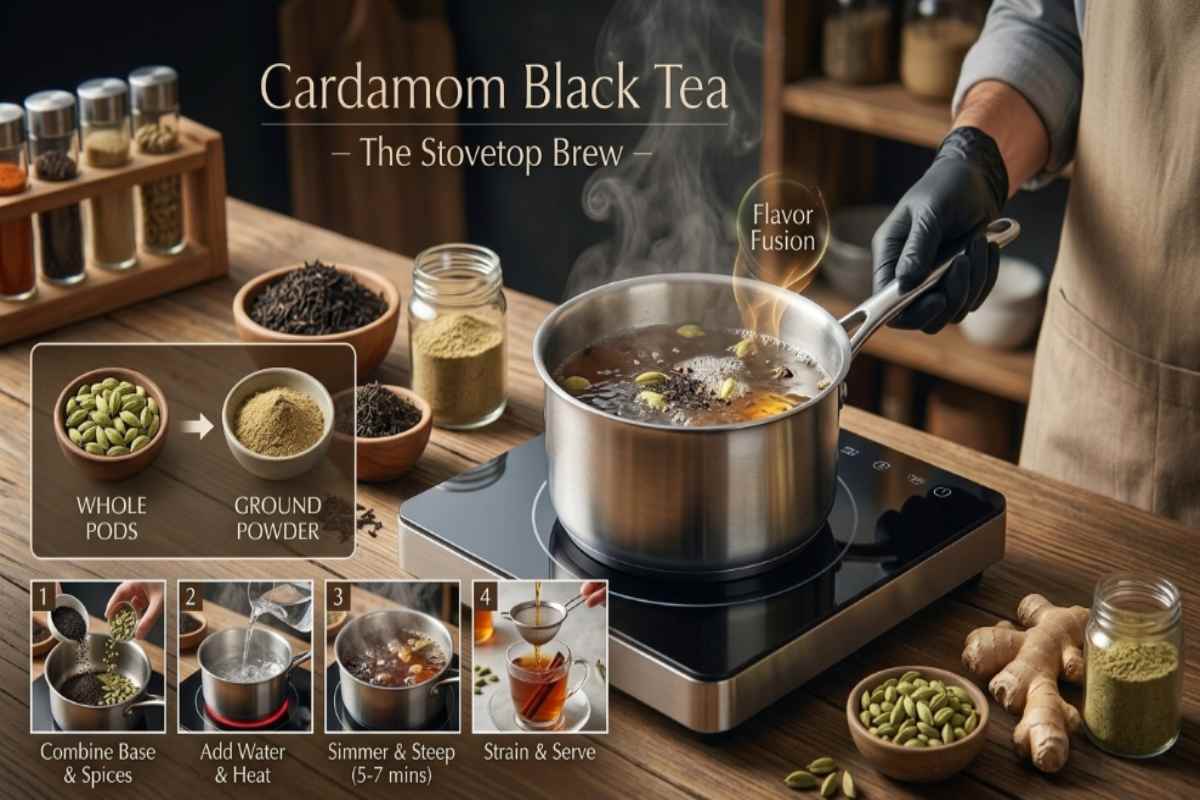
Making cardamom tea is simple: crush a few cardamom pods to release their oils, steep them in hot water for 8–10 minutes, then strain and serve. From there, the method can be adjusted depending on whether you prefer a light infusion or a richer, chai style cup.
Using Whole Pods vs Ground Cardamom
Whole cardamom pods are the better choice for most home brewing, since lightly crushing them just before steeping releases the essential oils gradually, giving a smoother, more balanced flavor. Ground cardamom steeps faster and delivers a stronger, more immediate flavor, but it can also turn bitter if left in the water too long. For a cleaner cup with more control over strength, whole pods, crushed rather than fully ground, tend to give the best results.
Stovetop Method
The stovetop method is the most reliable way to draw out cardamom full flavor, especially when making a stronger or milk based cup. Simmer crushed cardamom pods in water for 5–7 minutes before adding milk or a tea base, then let the mixture continue simmering gently for another few minutes so the flavors fully infuse. This slower, gentler heat extracts more of the pods aromatic oils than a quick steep alone, which is why stovetop preparation is the standard method in most traditional cardamom tea recipes.
Cardamom Tea with a Black Tea Base
Pairing cardamom with a black tea base is one of the most popular ways to enjoy it, since the tea’s natural body gives the spice something to stand on without overwhelming it. Simmer crushed cardamom pods with an Organic Loose Leaf Black Tea for a warming, full bodied cup that leans closer to a classic chai than a light herbal infusion. This combination works well any time of day, offering the natural lift of black tea alongside cardamom signature warmth.
Cardamom Tea Variations
Cardamom tea takes many forms across different cultures, from spiced chai to floral rose blends, each offering a different way to enjoy the spice’s warm, aromatic profile. While the core ingredient stays the same, the brewing method and pairing ingredients shift the flavor significantly from one variation to the next.

Cardamom Chai
Cardamom chai is the most widely recognized variation, combining crushed cardamom pods with a black tea base, milk and often other warming spices for a rich, full bodied cup. It’s a staple across South Asia, where it is typically simmered slowly on the stovetop rather than steeped quickly, allowing the spices to fully infuse into the milk and tea. This is the version most people picture when they think of cardamom tea and it remains the most popular way to prepare it.
Arabic Style Cardamom Tea
Arabic style cardamom tea is typically lighter than chai, brewed with black tea and a generous amount of cardamom, often without milk. It is commonly served in small glasses as a gesture of hospitality across the Middle East, where the strength of the cardamom flavor is often a point of pride from one household to the next. The result is a bold, aromatic cup that leans more toward the spice itself than toward creaminess or sweetness.
Black Cardamom vs Green Cardamom
Green cardamom is the more common variety used in tea, offering the sweet, floral, slightly citrusy flavor most people associate with cardamom tea. Black cardamom, by contrast, has a smokier, more intense flavor and is used far less often in tea, appearing more frequently in savory cooking. For a classic cardamom tea flavor, green cardamom pods are almost always the right choice.
Cardamom Rose Tea
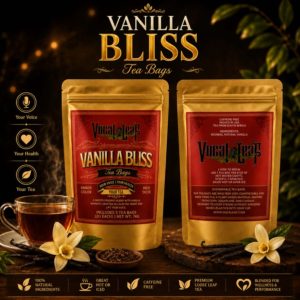
Cardamom rose tea pairs cardamom warm spice with the mild floral notes of rose, creating a fragrant, slightly sweet cup that feels more like a treat than a traditional spiced tea. It is especially popular as an evening drink, where its lighter, floral character offers a gentler alternative to heavier chai blends. For those who enjoy a naturally sweet, aromatic profile without added spice intensity, a Vanilla Bliss Tea offers a similarly comforting, dessert like cup with its own warm vanilla character.
Cardamom Tea and Caffeine
Cardamom tea is naturally caffeine free when brewed on its own from cardamom pods, since cardamom is a spice rather than a caffeinated plant. However, if it is prepared with a black tea base, like a traditional chai, it will contain caffeine from the tea itself, not the cardamom.
For those looking to avoid caffeine entirely, brewing cardamom pods with hot water alone or pairing them with a naturally caffeine free base like rooibos, delivers the same warm, aromatic flavor without any stimulant effect. This makes cardamom tea a flexible choice depending on the time of day: a caffeinated cardamom chai in the morning or a caffeine free cardamom infusion in the evening.
Cardamom Tea During Pregnancy
Cardamom tea is generally considered safe to enjoy in moderation during pregnancy, though it is always best to check with a doctor before adding any new herb or spice to your routine, especially in the first trimester. Most pregnant women can enjoy a cup or two of cardamom tea without issue, as it is traditionally been used in moderate amounts across cultures where prenatal diets commonly include the spice.
That said, moderation matters, large amounts of any concentrated spice, including cardamom, are not recommended during pregnancy. If you’re dealing with pregnancy related discomfort like aches or tension, it is worth speaking with your doctor about safe options, similar to how you’d want guidance before trying a tea for body aches. When in doubt, a doctor input is always the safest first step before making cardamom tea a regular habit during pregnancy.
Best Time to Drink Cardamom Tea
The best time to drink cardamom tea really depends on how it is prepared. A caffeinated cardamom chai works well in the morning or early afternoon, offering a warming pick me up alongside its digestive benefits, while a caffeine free cardamom infusion is better suited for evenings, when you want the soothing, throat-friendly qualities without anything that might interfere with sleep.

Many people also enjoy a cup after meals, since cardamom digestive benefits are most useful while the body is actively processing food. For a touch of natural sweetness that does not overpower the spice, some prefer sweetening their cup with rock sugar rather than refined sugar, since it dissolves slowly and adds a subtle, complementary sweetness. Ultimately, cardamom tea is flexible enough to fit into a morning, afternoon, or evening routine, depending on the base and mood you’re brewing for.
Conclusion
Cardamom tea is a warm, versatile drink that offers real benefits for digestion and throat comfort, whether brewed simply on its own or paired with a black tea, rooibos or chai style base. From its origins in South Asian and Middle Eastern traditions to its growing popularity among singers, speakers and everyday tea drinkers, it is a spice that earns its place in a daily routine, not just for flavor, but for the gentle warmth it brings to the throat and voice. If you are looking to build cardamom or other naturally soothing ingredients into your own tea ritual, Vocal Leaf offers a range of caffeine free and vocal friendly blends designed with exactly that kind of everyday care in mind.
Frequently Asked Questions (FAQs)
Does Cardamom Tea Have Caffeine?
Cardamom tea is naturally caffeine free when brewed on its own from cardamom pods. It only contains caffeine if it is prepared with a black tea base, like a traditional chai.
Is Cardamom Tea Safe During Pregnancy?
Cardamom tea is generally considered safe in moderation during pregnancy, but it’s best to check with a doctor first. A cup or two is typically fine, though large amounts of any concentrated spice are not recommended.
What Does Cardamom Tea Taste Like?
Cardamom tea has a warm, slightly sweet and faintly citrusy flavor with a peppery undertone. It is closer to cinnamon or clove in warmth, but with a lighter, floral finish.
Can I Add Cardamom to Black Tea?
Yes, cardamom pairs well with black tea and is one of the most popular ways to enjoy it. Simmering crushed pods with a black tea base creates a warm, chai style cup.
Is Cardamom Tea Good for a Sore Throat?
Cardamom tea warming aromatic oils can have a soothing effect on the throat, making it a popular choice during vocal fatigue or minor throat discomfort. It is best sipped warm rather than hot for the most comfortable effect.