Vocal Leaf

Best Tea for Laryngitis | What to Drink (and What to Avoid)

Best Tea for Laryngitis Vocal Leaf

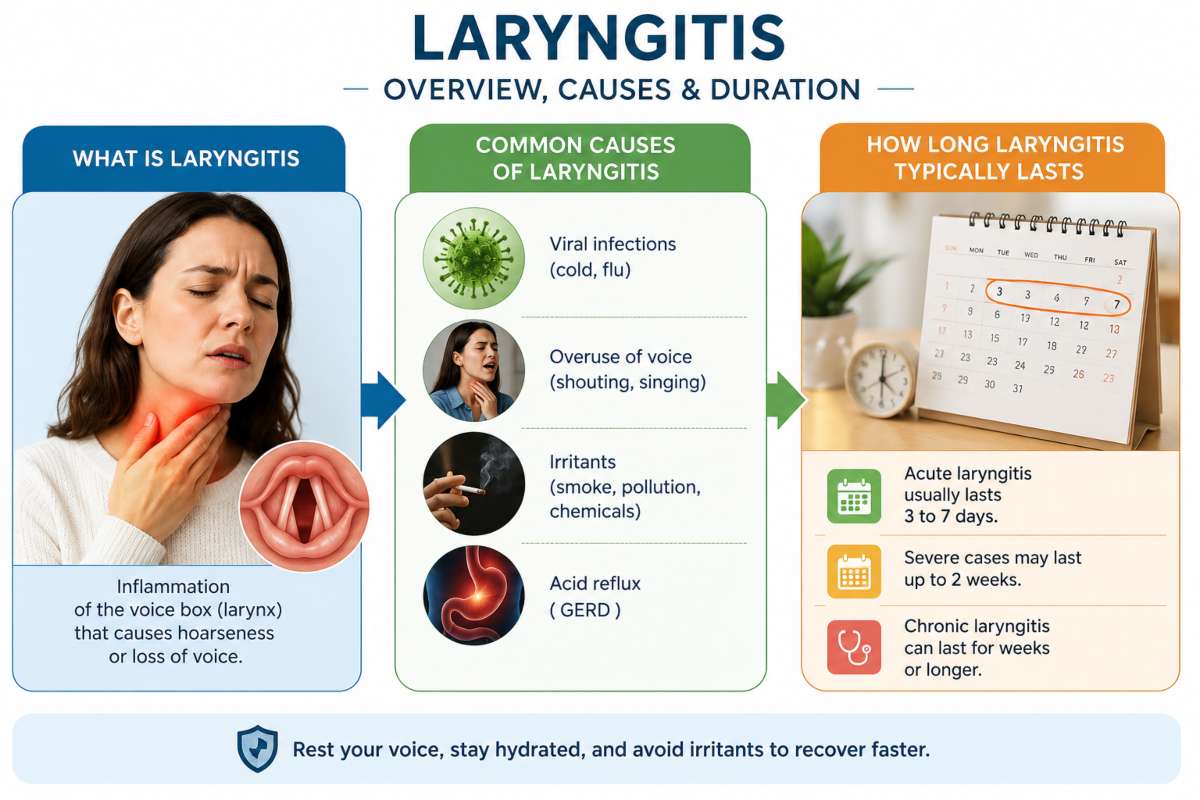
If your voice sounds hoarse, strained, or almost gone, you’re probably searching for the best tea for laryngitis, something simple that can soothe your throat and help you speak comfortably again. Laryngitis happens when the voice box (larynx) becomes inflamed, often due to a cold, overuse, irritation, or infection. The result? Dryness, scratchiness, coughing, and that frustrating raspy voice.

The good news is that the right tea can genuinely help.

Warm, non-irritating teas support recovery in three important ways: they keep you hydrated (which is essential for vocal cord function), provide gentle warmth that relaxes throat muscles, and deliver plant compounds that may calm irritation. When combined with ingredients like honey or mild herbs, tea becomes more than just a comforting drink; it becomes a practical, at-home remedy for managing symptoms.

In this guide, you’ll discover which tea helps laryngitis the most, which herbal options are best for soothing inflammation and cough, and how to prepare tea safely so you don’t accidentally irritate your throat further. If you’re looking for clear, trustworthy advice on choosing the right tea for a sore, hoarse throat, you’re in the right place.

What Laryngitis is (and Why Your Voice Gets Hoarse)

Laryngitis is inflammation of your larynx (voice box), the area that contains your vocal cords. When those vocal cords become irritated or swollen, often from a cold, viral infection, allergies, acid reflux, dry air, or simply overusing your voice, they don’t vibrate normally. That’s why your voice may sound raspy, weak, scratchy, or disappear altogether.

People often search for tea for laryngitis because the symptoms can feel intense even when the cause is mild: throat dryness, frequent throat clearing, coughing, and discomfort when speaking. The goal isn’t just comfort, it’s reducing irritation so your vocal cords can settle and recover.

Does Tea Actually Help With Laryngitis, or is It Just Soothing?

So, is tea good for laryngitis? In many cases, yes, especially when you choose the right kind. Tea won’t “cure” every cause of laryngitis overnight, but it can support your recovery in ways that matter.

When people ask, “Does tea help laryngitis?” they’re usually looking for relief from dryness and pain. Warm tea can help by keeping your throat moist, loosening mucus, and making swallowing and speaking feel less uncomfortable. Certain herbal teas also contain natural compounds that may calm irritation.

That said, not every tea is helpful. Very hot drinks, highly acidic ingredients, or strongly caffeinated teas can sometimes make symptoms worse, especially if reflux is involved. That’s why the question isn’t just what tea helps with laryngitis; it’s also which teas are gentle enough to support healing.

Best Tea for Laryngitis

What Matters Most: Hydration, Warmth, Steam, and Irritation Control

If you’re wondering which tea is best for laryngitis, focus on what the drink does for your throat, not just its flavour. The best options usually support four key needs:

1) Hydration (the #1 priority)

Laryngitis often comes with dryness, and dry vocal cords struggle to function well. Drinking fluids regularly, especially warm, non-caffeinated ones, helps keep the throat and vocal tissues comfortable.

2) Gentle warmth (not scalding hot)

Many people ask: Will hot tea help with laryngitis, or can I drink it while I have laryngitis? Warm tea can be helpful, but “hot” should mean warm and soothing, not burning. Drinks that are too hot can further irritate inflamed tissues. Let the tea cool slightly before sipping.

3) Steam + moisture in the air

Tea helps more when it’s part of a broader “moisture strategy.” Pairing warm drinks with humidified air or gentle steam (like a warm shower) can reduce throat tightness and make breathing and speaking feel easier.

4) Irritation control (avoid common triggers)

Some ingredients can aggravate inflammation or dryness. If you’re deciding which tea is good for laryngitis, choose smooth, non-irritating herbal blends. If you’re sensitive to caffeine, reflux, or throat dryness, stick to caffeine-free options and avoid overly spicy or acidic add-ins.

The Best Teas for Laryngitis

When your voice is raspy or weak, choosing the best tea for laryngitis comes down to one goal: soothe irritation while keeping the throat and vocal cords hydrated. The most reliable choices are usually warm, caffeine-free herbal teas, because they’re gentle, non-drying, and easy to sip throughout the day.

Below are the best options to start with, plus how to choose the right laryngitis remedy tea based on your symptoms.

Best Overall Soothing Herbal Options (Caffeine-free)

If you want a safe, everyday herbal tea for laryngitis, pick a tea that’s mild, comforting, and not too acidic or spicy. These are consistently “best overall” because they support hydration and calm throat irritation without adding triggers:

  • Chamomile tea: Smooth, calming, and easy on an inflamed throat, often a top pick for “all-day sipping.”
  • Ginger tea (light strength): Warming and soothing for many people, especially when mixed with honey. Just keep it mild if your throat feels sensitive.
  • Liquorice root tea: Known for a soothing feel in the throat, making it a common “best herbal tea for laryngitis” choice for comfort (skip if it doesn’t agree with you).
  • Sage or thyme tea (gentle brew): Traditional throat-support herbs that many people use when their voice feels strained.

If you’re searching for a good tea to drink for laryngitis, start with one of these caffeine-free options. They’re designed for comfort, hydration, and consistency, exactly what an irritated voice needs.

Best Tea for Laryngitis + Cough

When laryngitis comes with a cough, your throat often takes a double hit: irritation from inflammation plus repeated coughing. The best approach is warm tea that’s soothing and easy to tolerate, paired with throat-friendly add-ins.

A strong go-to combination is:

  • Warm herbal tea + honey (and optional ginger)

Honey can coat and soothe the throat, making it a popular choice for people seeking the best tea to drink for laryngitis when coughing is involved. If you prefer something simple, chamomile with honey is a gentle option. If you want a bit more warmth, a mild ginger tea with honey can feel helpful, just avoid making it too strong.

And yes, many people ask: Does hot tea help with laryngitis, or does it help when coughing is present? Warm tea often helps, but the key is temperature: warm, not scalding, so you soothe the throat rather than irritate it.

Best Tea if Your Throat Feels Raw vs. Dry vs. Tight

Not all laryngitis feels the same, and the best tea choice depends on how your throat feels right now.

If your throat feels RAW (burning, irritated, easily aggravated)

Choose a mild, soothing laryngitis herbal tea, such as chamomile. Keep it warm (not hot), and avoid acidic add-ins like lots of lemon. This is where “gentle” matters more than “strong.”

If your throat feels DRY (scratchy, dehydrated, you keep clearing your throat)

Prioritise hydration and frequent sipping. A mild herbal tea that you can drink often is ideal. Add honey if it helps you drink more comfortably. Dryness responds best to consistency.

If your throat feels TIGHT (strained, tense, uncomfortable when speaking)

Warmth and relaxation are your friends. A soothing herbal tea plus calming routines (resting your voice, warm steam, humid air) tends to work best. This is where warm tea feels especially supportive, because it pairs with moisture and rest to reduce strain.

No matter which option you choose, the “best” teas for laryngitis share the same qualities: caffeine-free, gentle, warm, and easy to sip regularly. In the next section, we’ll break down specific tea types, like chamomile, ginger, peppermint, green tea, and honey-lemon blends, so that you can match the best tea to your exact symptoms.

Tea-by-Tea Breakdown (Choose the right one)

If you’re trying to figure out what tea helps laryngitis, it helps to match the tea to your symptoms. Some teas are best when your throat feels raw and irritated, while others feel better when you’re dealing with cough, mucus, or tightness. Below is a practical, tea-by-tea breakdown, so you can choose what’s most soothing for you.

Best Tea for Laryngitis

Chamomile tea for laryngitis (calming + soothing)

If you want the gentlest option, chamomile tea for laryngitis is often a top choice. People ask whether chamomile tea is good for laryngitis because it’s naturally mild, caffeine-free, and easy to sip all day without drying your throat.

When to use it:

  • Your throat feels raw, scratchy, or easily irritated
  • You want a calming, bedtime-friendly tea
  • You need a “safe default” you can drink often

When to skip (or be cautious):

  • You’re sensitive to chamomile or similar herbs
  • You notice it doesn’t sit well for you (everyone’s different)

Best way to drink it: warm (not steaming hot), slowly, and regularly, especially when your voice feels strained.

Ginger tea for laryngitis (warming + irritation considerations)

Ginger tea for laryngitis is popular because it feels warm and comforting, and many people search for ” does ginger tea help laryngitis or does ginger tea help with laryngitis when they want something stronger than a mild herbal blend.

For many, ginger can feel soothing, especially when paired with honey. But there’s one important nuance:

Can ginger tea irritate laryngitis?

Yes, it can, if it’s brewed too strongly or if your throat is already extremely raw. Ginger has a natural “heat” that can feel amazing for some people and too intense for others.

When to use it:

  • Your throat feels tight, or you want a warming effect
  • You’re also dealing with congestion or a lingering cough
  • You tolerate ginger well

When to skip (or keep it mild):

  • Your throat feels burning/raw, and spicy sensations make it worse
  • You notice reflux triggers (ginger can be fine for many, but sensitivity varies)

Pro tip: Brew ginger lightly and start with small sips. If it feels “sharp,” dilute it or switch to chamomile.

Peppermint/mint tea for laryngitis (cooling sensation + sensitivity notes)

Peppermint tea (or mint tea) for laryngitis can create a cooling sensation that some people love, especially if the throat feels “hot” or irritated. That’s why you’ll see searches like is peppermint tea good for laryngitis and is mint tea good for laryngitis.

However, mint can be a mixed bag.

When to use it:

  • You like the cooling effect, and it feels soothing
  • You’re looking for a refreshing herbal tea option
  • Your irritation is mild, and mint doesn’t bother you

When to be cautious:

  • If you’re prone to reflux, mint may trigger it for some people
  • If the cooling sensation feels too strong or makes you cough more

If mint makes your throat feel “weirder,” switch to a smoother tea like chamomile.

Green Tea for Laryngitis (Caffeine + Tannins: Pros/cons)

Many people ask whether green tea is good for laryngitis or search for green tea for laryngitis because green tea feels “healthy.” The truth is: it can be okay for some people, but it’s not always the best choice when your voice is inflamed.

Pros:

  • Warm liquid support and hydration (especially if you drink it plain and not too strong)
  • Some people find it comforting

Cons:

  • Caffeine can be drying for some people
  • Tannins (the compounds that can make tea taste a bit bitter) may feel slightly astringent on a sensitive throat

So, does green tea help laryngitis? It can, but herbal teas are usually a safer first pick. If you do choose green tea, brew it light and balance it with extra water or caffeine-free tea during the day.

Liquorice Tea (Throat-soothing Angle + Who Should Avoid It)

Liquorice tea for laryngitis is often used because it can feel naturally soothing on the throat. It’s one of those teas people reach for when the main goal is comfort, especially if the throat feels dry or “scratchy.”

When to use it:

  • You want a tea that feels coating and soothing
  • You’re focusing on comfort while resting your voice

Who should avoid it (or check first):

Liquorice root isn’t for everyone. If you have blood pressure concerns, are pregnant, take certain medications, or have been advised to avoid liquorice, skip it. When in doubt, choose a milder herbal tea, such as chamomile.

Sage Tea + Thyme Tea (Traditional Throat-support Use)

Sage tea for laryngitis and thyme tea for laryngitis are traditional “throat support” options. They’re often chosen when someone wants a more functional herbal approach rather than just comfort.

When to use them:

  • Your throat feels irritated, and you want a stronger herbal option
  • You’re alternating teas and want variety beyond chamomile
  • You prefer traditional throat-support herbs

These teas can be very useful when brewed gently. If the flavour is too strong, dilute it, because the goal is soothing, not irritation.

Turmeric Tea (Comfort + Inflammation-support Framing)

Turmeric tea for laryngitis is often used as a comforting warm drink when the throat feels inflamed. It’s not magic, but it can be a helpful part of a “soothing routine,” especially when paired with honey.

When to use it:

  • You like a warm, cosy tea that feels supportive
  • You want something gentle and comforting while your voice recovers

Keep it smooth and not overly spicy. If turmeric blends include a lot of pepper or other intense spices, they can feel too strong for a raw throat.

Honey and Lemon Tea for Laryngitis (and Other Simple Blends)

A lot of people search for honey and lemon tea for laryngitis, lemon tea for laryngitis, or lemon and ginger tea for laryngitis, because these are classic home remedies.

Is honey lemon tea good for laryngitis?

Often, yes, especially because honey is soothing and encourages you to drink more fluids. But lemon can be tricky:

Is lemon tea good for laryngitis?

It depends. Lemon can feel refreshing, but its acidity may sting if your throat is raw or if you have reflux.

Best approach:

  • Use more honey than lemon
  • Keep the tea warm, not hot
  • If lemon burns or triggers coughing, skip it and stick with honey + herbal tea

Quick Choose Your Tea Guide (Fast Decision)

  • Raw, scratchy, easily irritated throat: chamomile (warm, gentle)
  • Tight, congested, want warmth: mild ginger tea (not too strong)
  • Cooling comfort (if it suits you): peppermint/mint tea
  • Want tea but caffeine-sensitive: choose herbal teas first
  • Need throat-soothing feel: licorice (only if appropriate for you)
  • Traditional throat-support herbs: sage or thyme
  • Cozy inflammation-support routine: turmeric tea (smooth, not spicy)

And if you want the simplest homemade tea for laryngitis, warm water with chamomile (or mild ginger) and honey is an easy starting point that works in most situations.

Best Tea for Laryngitis and Cough (Symptom-Based Relief)

When laryngitis comes with a cough, your throat is dealing with two problems at once: inflammation around the voice box and repeated irritation from coughing. That’s why people search for the best tea for laryngitis and cough: they’re not just trying to feel better; they’re trying to break the cycle that keeps the throat inflamed.

Best Tea for Laryngitis and Cough

The right laryngitis treatment tea won’t replace medical care when it’s needed, but it can be a powerful support tool. The best choices focus on three outcomes: soothing the throat, keeping tissues hydrated, and reducing irritation so your voice and throat can recover.

What Makes a Tea Helpful for Laryngitis + Cough?

If you want tea to help with laryngitis, look for options that are:

  • Warm and gentle (comfort without burning)
  • Caffeine-free (less dryness, easier to sip often)
  • Easy to drink repeatedly throughout the day
  • Compatible with honey, which many people find naturally soothing

This is why mild herbal teas, like chamomile or light ginger, tend to be the most reliable options for laryngitis when coughing is involved.

The Most Practical Laryngitis Tea Treatment Approach

Instead of hunting for one magical tea, think of tea as a simple treatment routine:

1) Sip small amounts frequently

A few big cups won’t help as much as steady hydration. Frequent warm sips keep the throat comfortable and reduce that dry, scratchy feeling that often triggers coughing.

2) Choose a tea that’s soothing, not stimulating

A tea good for laryngitis is usually smooth and calming. If your tea feels sharp, spicy, very acidic, or overly strong, it can make coughing worse.

3) Add honey if it helps your throat feel calmer

Honey is one of the most common add-ins for a reason: it often helps tea feel more soothing and easier to drink when your throat is irritated.

Best Tea Choices When Cough is Part of the Problem

If your main goal is symptom relief, these are strong go-to options:

  • Chamomile-based teas for a smooth, soothing feel
  • Mild ginger tea if you want warmth and gentle comfort (keep it light if your throat feels raw)
  • Herbal blends designed for throat comfort, especially when you want something you can sip all day

This combination approach, warm herbal tea + consistent sipping + throat-friendly add-ins, is one of the most effective ways to use tea for laryngitis treatment for real symptom support.

When Tea Helps Most (and When It Doesn’t)

Tea helps most when your cough is linked to dryness, irritation, or a lingering cold. But if you have severe pain, high fever, breathing difficulty, worsening symptoms, or your voice loss lasts beyond several days, tea should be supportive, not the only plan.

Bottom line: the best tea for laryngitis and cough is the one you can drink consistently, comfortably, and safely, because steady hydration and irritation control are what give your throat the best chance to heal.

The #1 Add-On: Honey, Lemon, and Throat-Friendly Mixes

If you’re looking for the fastest way to make tea feel more soothing for laryngitis, honey is the top add-in. It doesn’t just improve the taste, it often makes warm tea easier to sip when your throat feels raw, dry, or irritated. And when laryngitis is paired with coughing, that extra soothing “coating” effect can be a game-changer.

Below are the most effective throat-friendly mixes, plus simple ways to make tea for laryngitis so you get maximum comfort without irritating your voice box further.

Honey, Lemon & Throat-Friendly Mixes

Tea and Honey for Laryngitis (Why It’s a Go-to)

Tea and honey for laryngitis is one of the most searched home remedies because it checks all the boxes that matter: hydration, warmth, and throat comfort.

Here’s why it’s such a go-to:

  • Honey naturally makes tea feel smoother on an irritated throat
  • It encourages you to drink more fluids, which supports vocal cord recovery
  • It pairs well with gentle herbal teas (like chamomile) and warming teas (like mild ginger)

If you’re choosing one simple upgrade to hot tea for laryngitis, make it honey, especially when your voice feels weak, or you keep clearing your throat.

Tip: Add honey only after the tea cools slightly from boiling-hot to comfortably warm. This keeps it pleasant to drink and easier on sensitive throat tissues.

Honey + Lemon Tea for Laryngitis (Best Ratios + Timing)

Tea with honey and lemon for laryngitis is popular because it feels bright and comforting. Honey soothes, while lemon can help cut through that heavy “sick” feeling, especially if you’re also congested.

But lemon is acidic, so the key is ratio and timing.

Best ratio (gentle on the throat):

  • 1 cup warm tea or warm water
  • 1–2 teaspoons honey
  • a small squeeze of lemon (start light, then adjust)

If your throat feels raw or burning, use less lemon and more honey. Many people love lemon, but if it stings, it’s not helping.

Best timing:

Honey-lemon tea often feels best:

  • In the morning (when your throat feels dry)
  • Between meals
  • Before bed (warm, soothing routine, especially when paired with voice rest)

Lemon Ginger Herbal Tea (When It Helps, When Acidity May Sting)

Lemon and ginger tea for laryngitis is a classic choice when you want warmth plus a “clearing” sensation. It can feel especially comforting when laryngitis is part of a cold.

When it helps:

  • Your throat feels tight, and you want a warming tea
  • You’re dealing with a cough or congestion
  • You tolerate ginger well and prefer a stronger flavor

When to be careful:

  • If your throat feels raw and lemon stings
  • If you’re sensitive to reflux (acid + ginger can be too much for some people)
  • If the ginger is brewed very strongly and feels irritating

If you love this combo, keep it mild: light ginger, small lemon squeeze, honey added once the tea is warm, not scalding.

Simple Homemade Tea Recipes (Fast, Pantry-based)

If you want an easy laryngitis tea recipe, you don’t need anything fancy. The best homemade options are quick, gentle, and focused on comfort.

1) Simple Honey Herbal Tea (Best all-purpose)

  • Brew chamomile (or another mild herbal tea)
  • Let it cool slightly
  • Add 1–2 teaspoons of honey
  • This is one of the most reliable “start here” options for honey and tea for laryngitis.

2) Mild Ginger + Honey Tea (Warming + soothing)

  • Steep a small slice of fresh ginger (or a mild ginger tea bag)
  • Keep it light, strong ginger can be too intense
  • Add honey once warm
  • This works well as tea with ginger for laryngitis, especially if your throat feels tight.

3) Gentle Honey-Lemon Tea (Light acidity)

  • Warm herbal tea or warm water
  • Add 1–2 teaspoons of honey
  • Add a small squeeze of lemon
  • This is the safest way to do tea with honey and lemon for laryngitis without overdoing the acid.

4) Bare Minimum Laryngitis Comfort Tea

  • Warm water + honey
  • If you’re out of tea bags, this still supports hydration and throat comfort

How to Drink It for the Best Effect (the Part Most People Miss)

You can make the best laryngitis tea in the world, but how you drink it matters.

  • Sip slowly, more often, instead of chugging one big cup.
  • Keep it warm, not boiling (very hot drinks can irritate inflamed tissues)
  • Pair tea with throat-friendly habits: voice rest, humid air, warm showers, and avoiding smoke/irritants.
  • If lemon or strong ginger makes your throat sting, scale back; the best tea is the one that feels soothing with every sip.

In short, for hot tea laryngitis relief, aim for warm, gentle, and consistent, with honey as your number one add-on.

How Hot Should the Tea Be? (Temperature Matters)

Hot Tea vs Warm Tea for Laryngitis, What’s Safest

When choosing the best tea for laryngitis, temperature matters just as much as the type of tea. Many people assume hotter is better, but that’s not always true. While warm tea can soothe throat irritation and promote comfort, very hot tea may actually aggravate inflamed vocal cords. The safest approach is to keep it comfortably warm, not steaming. Warm tea supports hydration and relaxation without stressing already sensitive tissues. If your throat feels raw or tender, lukewarm to gently warm tea is often more soothing than piping hot drinks.

Can I Drink Hot Tea With Laryngitis? (Avoid Scalding + Irritation)

It’s common to ask, ” Can I drink hot tea with laryngitis? The answer is yes, but with caution. Tea that is too hot can irritate the throat lining and worsen discomfort, especially if your voice is already hoarse or strained. If you’re using hot tea for laryngitis relief, allow it to cool slightly after brewing. A good rule is to wait until you can sip it comfortably without feeling a burning sensation. The goal is soothing warmth, not heat that causes additional inflammation. When tea feels calming rather than sharp or stinging, you’re in the right temperature range.

Steaming the Throat: Pairing Tea With Gentle Steam or Humid Air

Tea works even better when combined with moisture in the air. Laryngitis often comes with dryness, and dry air can prolong irritation. Sipping warm tea while sitting in a steamy bathroom or using a humidifier can enhance the soothing effect. Gentle steam helps hydrate the vocal cords from the outside, while tea supports hydration from the inside. This combination can reduce that tight, scratchy feeling in the throat and make speaking more comfortable. When used together, warm tea and humid air create a simple but effective comfort routine that supports recovery without adding strain.

Caffeine, Black Tea, and Irritation Triggers (What to Avoid)

Caffeine, Black Tea, and Irritation Triggers

Caffeinated Tea and Laryngitis (Dryness, Reflux Sensitivity)

When your voice is hoarse, your vocal cords are already irritated and often slightly dehydrated. That’s why caffeinated tea can be a problem for some people with laryngitis. Caffeine may contribute to dryness, making your throat feel scratchier and your voice more strained. It can also be an issue if reflux is a contributing factor, because reflux-related irritation tends to flare up when the throat is already sensitive. This doesn’t mean you must avoid caffeine completely, but if your symptoms feel worse after drinking it, switching to herbal tea for laryngitis is usually the easier, gentler choice.

Is Black Tea Good for Laryngitis? (Tannins + Timing)

People often ask whether black tea is good for laryngitis because it’s comforting and familiar. Black tea can still provide warmth and hydration, but it comes with two potential drawbacks: caffeine and tannins. Tannins are the compounds that give black tea its stronger taste, and on a sensitive throat, they can feel a little drying or “tight.” If you want black tea while you’re recovering, it’s best to keep it light, drink it warm rather than very hot, and consider having it after you’ve already had some water or an herbal tea first. Timing matters because your throat is often driest in the morning, and that’s when black tea can feel most irritating.

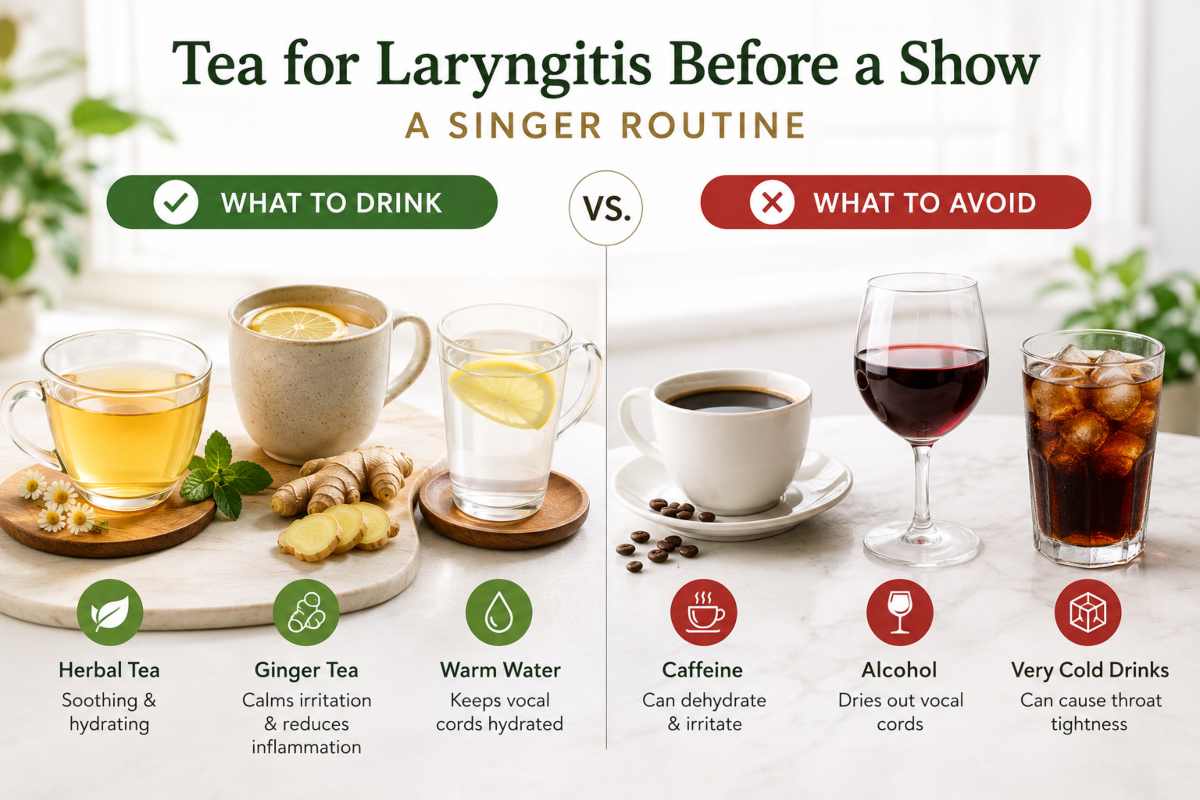
Common Irritants That Can Cancel Out Tea Benefits (Very Acidic, Very Hot, Alcohol, Etc.)

Even the best tea for laryngitis won’t help if you accidentally trigger more irritation. Drinks that are too hot can further inflame the throat, especially when your voice feels raw. Very acidic add-ins, like heavy lemon, can sting and provoke coughing in some people, particularly if reflux is involved. Alcohol is another common trigger because it dehydrates the body and can worsen throat dryness. Strong, spicy ingredients can also feel harsh when the throat is inflamed. If your goal is relief, the safest routine is simple: choose a gentle tea, keep it comfortably warm, and avoid anything that makes your throat burn, tighten, or cough more.

Best Tea for Laryngitis Summary

3 Best Teas + 1 Best Add-on (Honey)

If you’re looking for the best tea for laryngitis, start with gentle, caffeine-free options that soothe irritation and support hydration. Chamomile tea is often the easiest “safe pick” because it’s mild, calming, and comfortable to sip when your throat feels raw or your voice is strained. Mild ginger tea is a strong second choice when you want a warming effect, especially if laryngitis comes with a cough, but it should be brewed lightly so it doesn’t feel too intense. A throat-soothing herbal option like licorice tea can also feel comforting for many people, particularly when the throat feels scratchy or dry, as long as it’s appropriate for you. The best add-on is honey, because tea and honey for laryngitis often feels smoother on the throat and makes it easier to drink consistently throughout the day.

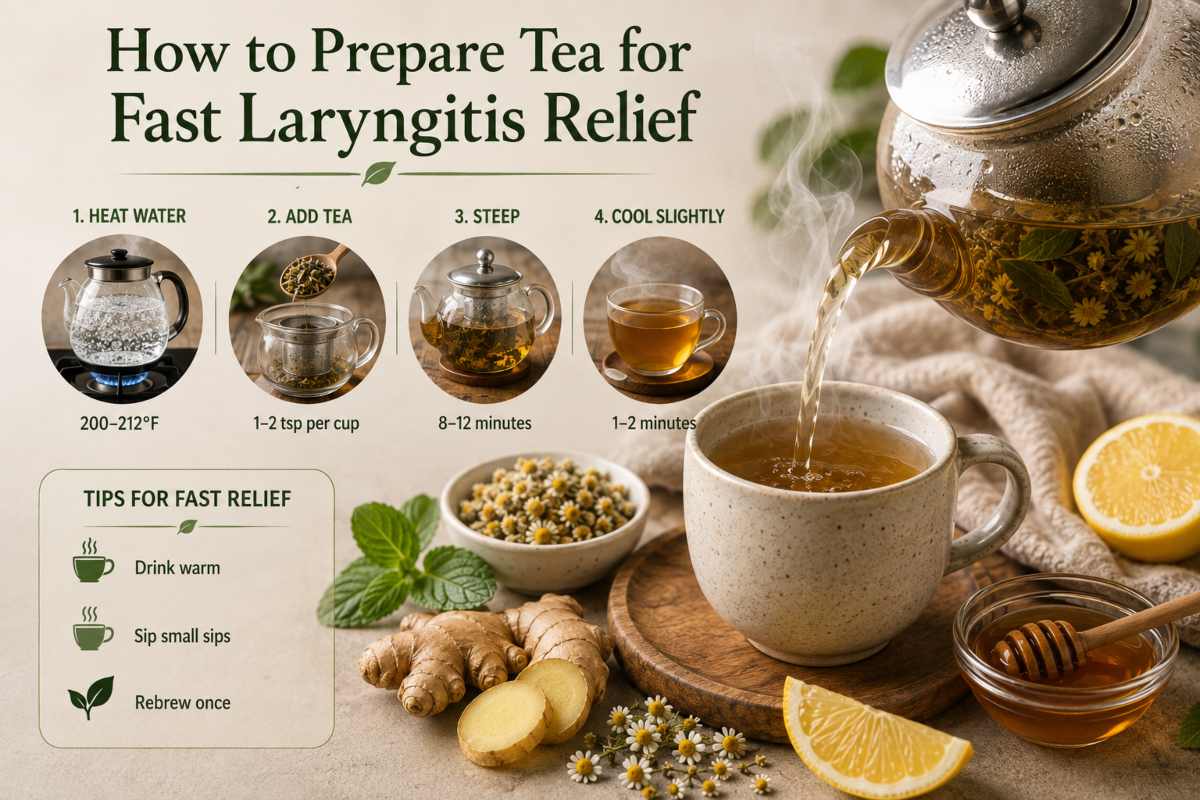
Best Preparation Checklist (Temperature, Steep Time, Frequency)

The most important rule is temperature: aim for warm tea, not scalding hot tea for laryngitis, because very hot drinks can irritate already inflamed vocal cords. Steep your tea long enough to get flavor and comfort without making it harsh; a normal steep is usually enough, and lighter is better if the taste feels drying or strong. For the best effect, sip slowly and frequently rather than drinking a large cup at once. Regular warm sips keep the throat hydrated and reduce that dry, scratchy feeling that often triggers coughing and throat clearing. If you add honey, stir it in once the tea cools slightly so it stays comfortable to drink and gentle on your throat.

Quick Avoid List (Too Hot, Too Acidic, Caffeine if Drying You Out)

Even the best teas for laryngitis won’t help if you accidentally add irritation. Avoid tea that’s so hot it burns on the way down, because that can worsen inflammation and prolong hoarseness. Be careful with heavy lemon or very acidic mixes if your throat feels raw or if reflux might be part of the problem, since acidity can sting and trigger coughing. If caffeinated tea seems to dry your throat or make your voice feel tighter, switch to herbal tea for laryngitis until you’re feeling better. When in doubt, keep it simple: warm, mild, and easy to sip often.

When Tea Isn’t Enough (Signs You Need Medical Guidance)

Red Flags (Duration, Breathing Trouble, Fever, Severe Pain, Voice Loss)

Tea for laryngitis can be genuinely soothing, but it’s not a substitute for medical care when symptoms point to something more serious. If your hoarseness or voice loss lasts longer than about two weeks, it’s a sign you shouldn’t ignore. The same is true if you develop a high fever, severe throat pain, trouble swallowing, or swelling that feels like it’s getting worse instead of better. Breathing difficulty is a major red flag, especially if you hear noisy breathing or feel like your airway is tight. In those situations, don’t rely solely on home remedies; get medical guidance promptly.

When Tea Isn’t Enough laryngitis

If Reflux or Post-nasal Drip is Driving Symptoms: What to Consider

Sometimes laryngitis isn’t mainly from a cold, but from irritation that keeps coming back, like acid reflux or post-nasal drip. If you notice your voice is worse after meals, late at night, or when lying down, reflux may be contributing. In that case, very acidic drinks and strong caffeinated teas can make things worse, even if they feel comforting at first. Post-nasal drip can also keep the throat irritated, especially if you’re constantly clearing your throat or coughing to “get rid of mucus.” Tea can still help with comfort and hydration, but if reflux or drainage is the root cause, addressing those triggers is what usually brings lasting relief.

Conclusion

Finding the best tea for laryngitis isn’t about chasing a miracle cure; it’s about choosing simple, soothing support that helps your throat recover. Warm, gentle, caffeine-free herbal teas like chamomile or mild ginger can ease irritation, support hydration, and make it more comfortable to rest your voice. Adding honey often enhances that soothing effect and encourages consistent sipping throughout the day.

Temperature, strength, and frequency matter just as much as the type of tea you choose. Keep your tea warm, not scalding. Brew it mild rather than strong. Sip regularly rather than drinking one large cup and then forgetting about fluids for hours. These small adjustments can make a noticeable difference when your throat feels dry, raw, or strained.

Most importantly, listen to your body. If a tea stings, dries your throat, or triggers coughing, switch to something gentler. And if symptoms last longer than expected or feel severe, seek medical guidance. Used thoughtfully, tea is a simple, accessible way to comfort your throat and support your voice while it heals.

Frequently Asked Questions (FAQ’s)

Is tea good for laryngitis?

Yes, tea is often good for laryngitis because it supports hydration and provides gentle warmth that can soothe throat irritation and hoarseness. The best choices are warm, caffeine-free herbal teas, especially if your throat feels dry or raw.

What tea helps laryngitis the most?

For most people, the tea that helps laryngitis the most is a mild, caffeine-free herbal tea such as chamomile. Light ginger tea can also help if you prefer a warming feel, and adding honey often makes tea more soothing for an irritated throat.

Does ginger tea help with laryngitis?

Ginger tea can help with laryngitis for many people because it feels warming and soothing, especially when paired with honey. If your throat feels very raw, brew it lightly, because strong ginger tea can irritate sensitive throats.

Is chamomile tea good for laryngitis?

Yes, chamomile tea is good for laryngitis for many people because it’s gentle, caffeine-free, and easy to sip frequently. It’s often a top choice when your voice is hoarse and your throat feels irritated.

Is peppermint/mint tea good for laryngitis?

Peppermint or mint tea can be good for laryngitis if the cooling sensation soothes you. If you’re prone to reflux or mint makes you cough more, a milder tea like chamomile is usually a better option.

Is green tea good for laryngitis?

Green tea can be okay for laryngitis, but it isn’t always the best choice because it contains caffeine and tannins that may feel drying on a sensitive throat. If you drink green tea, brew it lightly and balance it with plenty of water or herbal tea.

Does hot tea help with laryngitis?

Warm tea often helps with laryngitis, but very hot tea can irritate inflamed vocal cords. For best results, drink tea warm, not scalding, and sip slowly to soothe your throat without causing more irritation.

What kind of tea helps soothe a sore throat (when it’s part of laryngitis)?

To soothe a sore throat with laryngitis, choose warm, caffeine-free herbal tea such as chamomile or a mild ginger tea. Honey is a helpful add-in because it can make tea feel smoother and more soothing when your throat is irritated.

Previous Post
Best Tea for Singers’ Throats (Before & After Singing)
Next Post
What Is Chai Tea? The Ultimate Guide to Ingredients, Benefits, Types & How It’s Made

Related Posts

Leave a Reply

Your email address will not be published. Required fields are marked *

Fill out this field
Fill out this field
Please enter a valid email address.
You need to agree with the terms to proceed