
Citrus Loose Leaf Tea | Benefits, Flavor and Full Guide
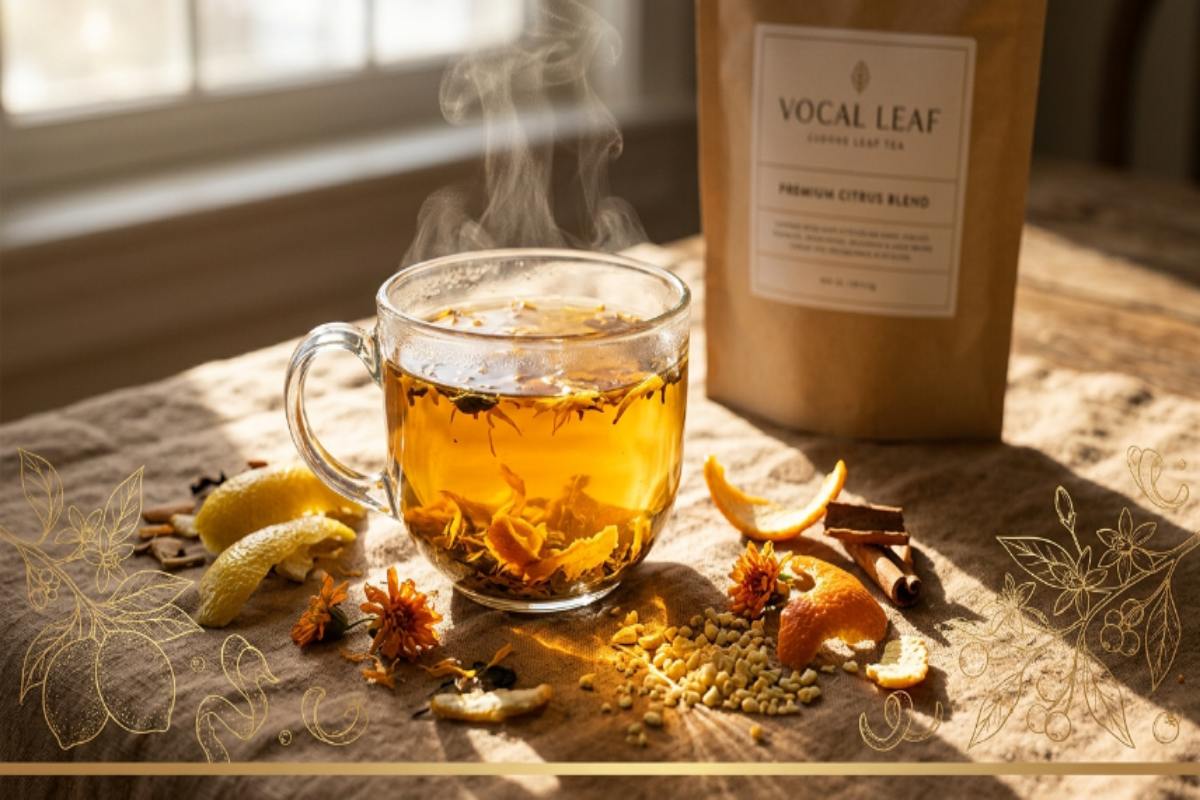
Citrus loose leaf tea is a whole-leaf herbal blend built around bright, fruit-forward ingredients, lemon peel, orange peel, freeze-dried citrus granules, and lemon oil, steeped together for a clean, layered cup that delivers both flavor and function. Unlike bagged tea, which is packed with dust and fannings, loose leaf citrus blends steep whole botanicals that release their full aromatic profile and beneficial compounds with every brew.
If you’ve been reaching for citrus tea for the taste alone, you’re leaving a lot on the table. Research published in the journal Nutrients found that citrus-derived flavonoids, particularly hesperidin and naringenin, carry measurable antioxidant and anti-inflammatory properties, which helps explain why citrus teas have moved well beyond novelty into daily wellness routines. The right blend supports throat comfort, hydration, and consistent energy levels without the subsequent drop that often follows.caffeine-heavy alternatives, something Vocal Leaf has built their entire product line around.
Whether you’re brewing a hot cup on a slow morning or steeping a batch over ice for the afternoon, this guide covers everything worth knowing: what’s actually in a quality citrus loose leaf tea, what it does for your body, how to brew it properly, and how to find a blend worth drinking every day.
What Is Citrus Loose Leaf Tea?
Citrus loose leaf tea is a whole-leaf blend that uses real citrus botanicals, peel, oil, and dried fruit granules, as its flavor and wellness foundation, steeped loose rather than sealed inside a bag. It sits comfortably within the broader family of herbal tea, meaning most citrus blends are naturally caffeine-free and built entirely from plant-based ingredients rather than traditional tea leaves.

What makes it distinct isn’t just the ingredient list, it’s the brewing method. Because the botanicals are left whole and uncompressed, they have room to fully expand in hot water, releasing a deeper, more complex flavor than anything a standard teabag can produce. The result is a cup that’s brighter, more aromatic, and noticeably more layered from first sip to last.
How It Differs From Bagged Tea
The difference between loose leaf and bagged citrus tea comes down to what’s actually inside the bag. Most commercial teabags are filled with the smallest, lowest-grade particles left over after whole leaves and botanicals are processed, a fine, dusty material that brews fast but flat. Loose leaf citrus tea starts with intact ingredients: whole peel pieces, dried fruit granules, botanical flowers, and natural oils that haven’t been ground down or stripped of their volatile compounds.
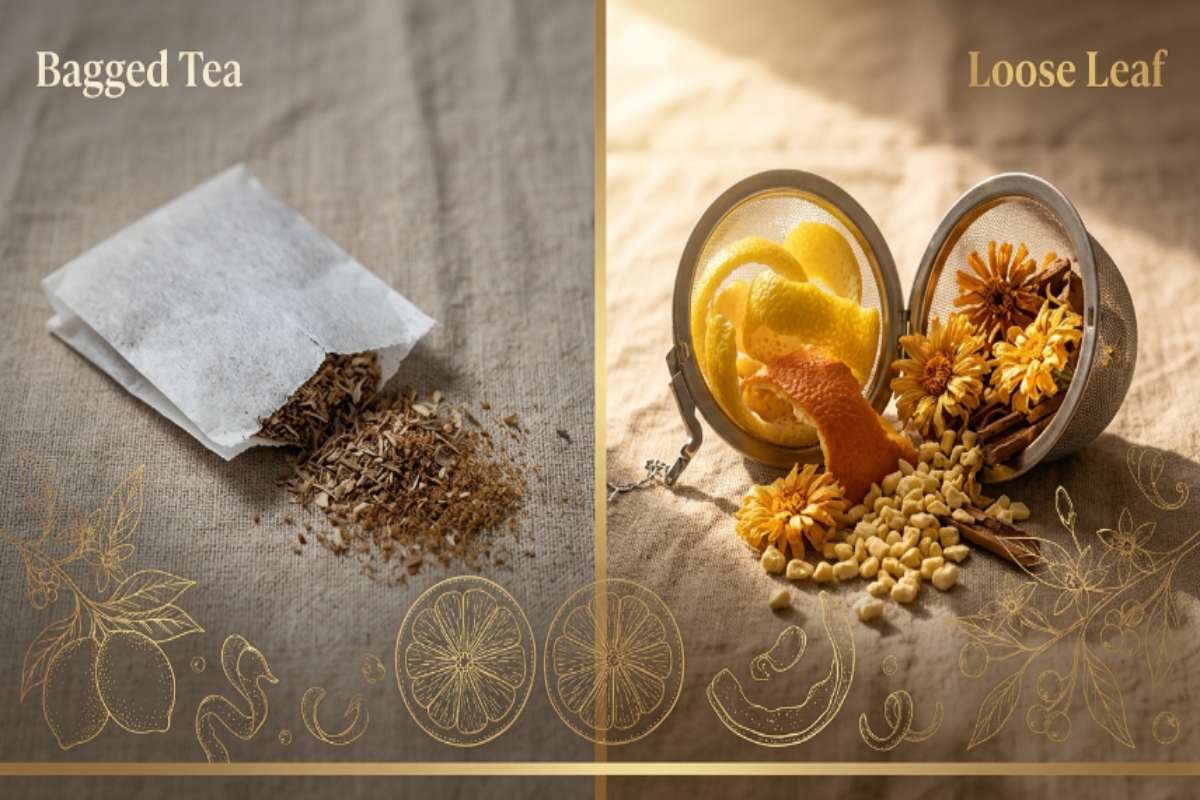
That gap in quality shows up in the cup. Loose leaf steeps slower and fuller, giving you a more nuanced flavor profile and a stronger release of the beneficial plant compounds that make citrus tea worth drinking in the first place. For anyone who has only ever tried citrus tea from a supermarket box, a well-sourced loose leaf blend is a genuinely different experience.
Common Citrus Ingredients Found in Loose Leaf Blends
A quality citrus loose leaf blend is built from a small core of recognizable, purposeful ingredients, nothing artificial, nothing filler. Lemon peel is typically the backbone, contributing both the bright top note and a gentle bitter finish that keeps the cup from tasting flat. Orange peel rounds it out with a softer, slightly sweeter citrus layer that adds warmth without overpowering the lemon.
Lemon oil, used in small quantities, amplifies the aromatic intensity of the blend, it’s the ingredient that hits you before you even take a sip. Freeze-dried lemon granules add a concentrated citrus punch that holds up well through longer steeps and iced preparations. When you look at the ingredient panel of a well-crafted blend like Vocal Leaf Lemon Berry Dream Tea, you’ll find all four of these working together, lemon peel, orange peel, lemon oil, and freeze-dried lemon granules, alongside complementary botanicals that give the blend its full character.
These ingredients aren’t interchangeable. Each one plays a distinctive role in flavor, aroma, and function, which is why the best citrus loose leaf teas list them individually rather than hiding behind a generic “natural citrus flavor” label. If you want to understand what you’re drinking, the ingredient list tells you everything you need to know.
Citrus Loose Leaf Tea Benefits
Citrus loose leaf tea delivers a meaningful range of wellness benefits, from throat comfort and immune support to smoother digestion and calm, sustained energy, all without caffeine and without compromise on flavor. The benefits aren’t incidental to the blend; they’re a direct result of the whole botanicals doing exactly what they’re designed to do when steeped properly.

Benefits for Your Throat and Voice
For anyone who uses their voice professionally, singers, teachers, speakers, performers, throat comfort isn’t a luxury, it’s a daily requirement. Citrus tea earns its place in that routine through a combination of warm hydration and active botanical compounds.

Lemon peel contains limonene and vitamin C, both of which have been studied for their role in reducing throat irritation and supporting mucosal tissue health. The warmth of the brew itself helps loosen tension in the vocal tract. At the same time, the natural acidity of citrus encourages saliva production, keeping the throat coated and comfortable.
A well-sourced lemon peel tea built on real dried peel, not artificial flavoring, delivers these benefits most consistently, which is why ingredient quality matters as much as the blend itself. Thin, artificially flavored citrus teas skip the botanicals that make the difference.
Antioxidants and Immune Support
Citrus ingredients are among the most studied natural sources of antioxidant compounds, and loose leaf blends that use real peel and oil carry that benefit directly into the cup. Hesperidin, a flavonoid concentrated in citrus peel, has been shown in clinical research to reduce oxidative stress markers and support immune cell activity. A 2020 review in Frontiers in Pharmacology identified hesperidin as a particularly promising compound for immune modulation, with effects observed at doses consistent with regular dietary consumption.
What this means practically is that a daily cup of citrus loose leaf tea, brewed from real peel, not flavoring, contributes a steady, low-effort antioxidant input to your routine. It won’t replace targeted supplementation, but as a habitual drink it stacks meaningful benefit with zero downside.
Digestive Comfort and Hydration
Citrus botanicals have a long history of use as digestive aids, and modern research backs the tradition. Orange peel in particular contains polymethoxylated flavones that help ease bloating and support healthy gut motility. Lemon oil has carminative properties, meaning it helps loosen the smooth muscle in the digestive system, directing to a decline in the discomfort that follows heavy meals or stress-driven tension in the gut.
Beyond the active compounds, citrus loose leaf tea is simply a highly palatable way to stay hydrated throughout the day. Many people underhydrate not because they forget, but because plain water feels like a chore. A flavorful, naturally caffeine-free brew significantly lowers that resistance. Adding a small amount of rock sugar to your tea can make the habit even more sustainable, a touch of sweetness without spiking blood sugar the way refined sugar does, keeping the drink functional and enjoyable in equal measure.
Mood and Energy Without the Jitters
One of the most underappreciated benefits of citrus herbal tea is what it doesn’t contain. With no caffeine and no stimulants, it delivers a genuine lift in alertness and mood through a different mechanism entirely, scent and sensory engagement. Citrus aroma has been shown in multiple studies to activate the limbic system, the brain’s emotional processing center, in ways that measurably improve mood and reduce perceived stress. A 1995 study in the International Journal of Neuroscience found that citrus fragrance had a significant antidepressant effect in patients, reducing the need for antidepressants in a clinical setting.
That means the ritual of brewing and drinking citrus loose leaf tea, the steam, the aroma, the warmth, is doing real neurological work before you’ve even finished your first cup. For anyone who has cut back on caffeine but still wants a morning drink that feels purposeful and energizing, citrus herbal loose leaf tea is one of the most effective natural alternatives available.
What Does Citrus Loose Leaf Tea Taste Like?
Citrus loose leaf tea tastes bright, clean, and layered, leading with a sharp citrus top note that softens into something warmer and more complex as the steep develops. Unlike one-dimensional citrus flavoring, a well-crafted whole-leaf blend evolves in the cup, with notes emerging from the first sip to the finish depending on the botanicals used.

Bright and Zesty vs Smooth and Sweet Profiles
Not all citrus loose leaf teas taste the same, and the difference usually comes down to which citrus botanicals anchor the blend and how they’re balanced against sweeter or softer supporting ingredients. Blends built primarily on lemon peel and lemon oil tend to taste bright and zesty, sharp on the front palate, slightly dry on the finish, with an energizing quality that makes them a natural morning choice. These are the teas that wake you up through flavor alone.
Blends that balance citrus against sweeter botanicals, dried fruit pieces, marigold blossoms, or natural vanilla notes, land in a different register entirely. The citrus is still present, but it softens into something rounder and more approachable, with a finish that lingers rather than snaps. This smoother, sweeter profile is what makes certain citrus blends work just as well in the afternoon as first thing in the morning. It’s why the broader category of loose leaf tea covers far more flavor ground than most people expect before they explore it.
How Lemongrass and Ginger Add Depth
When lemongrass and ginger enter a citrus blend, the flavor profile shifts from bright and singular to complex and warming. Lemongrass brings a grassy, slightly floral citrus note that sits underneath the sharper lemon and orange tones, it adds length to the flavor, meaning the citrus doesn’t just hit and disappear but carries through to a soft, herbal finish. Ginger adds a gentle heat that builds slowly at the back of the throat, grounding the brightness of the citrus and giving the blend a satisfying body that plain citrus teas often lack.
Together, lemongrass and citrus create a layered sensory experience that works particularly well in blends designed for calm focus or wind-down moments. The combination has a naturally soothing quality, citrus lifts the mood while lemongrass and ginger ease physical tension, which is why organic lemongrass citrus and ginger blends have become a standby in the category of tea for relaxation. The flavor earns that positioning rather than just borrowing it from the label.
Tropical Notes Peach, Papaya and Citrus Together
Some of the most distinctive citrus loose leaf blends extend the flavor profile into tropical territory, layering peach, papaya, and lemongrass alongside the citrus base for a cup that tastes closer to a fruit garden than a classic tea. Peach adds a soft, juicy sweetness that rounds the citrus edges without flattening them. Papaya brings a subtle tropical richness, slightly musky, slightly sweet, that gives the blend an exotic character you don’t find in straightforward lemon or orange blends.

What makes this combination work from a sensory standpoint is contrast. The brightness of citrus peel and lemon oil cuts through the heavier, sweeter tropical notes, keeping the blend from tasting cloying or flat. The result is a tea with genuine complexity, something that rewards slow sipping rather than rushing through.
A 2021 consumer flavor study found that blended fruit teas consistently scored higher on perceived quality and satisfaction than single-note fruit teas, which tracks with why multi-botanical citrus blends have outpaced simpler citrus offerings in the specialty tea market. When the ingredients are sourced well and carefully balanced, peach, papaya, and citrus together produce one of the most enjoyable cups the loose-leaf category has to offer.
How to Brew Citrus Loose Leaf Tea
Brewing citrus loose leaf tea correctly takes less than fifteen minutes and makes the difference between a flat, underwhelming cup and one that delivers the full flavor and benefit the blend was designed to produce. The variables that matter most are water temperature, steep time, and leaf ratio, get those three right and everything else follows.

Steep Time, Temperature and Ratios
Citrus loose leaf tea brews best at 203–212°F, just off a rolling boil, for 10 to 12 minutes. That longer steep window is intentional. Whole citrus botanicals like lemon peel, orange peel, and dried fruit pieces are denser than standard tea leaves and need sustained heat to fully release their flavor compounds and beneficial oils. Pulling the infuser too early at five or six minutes gives you a pale, thin brew that barely hints at what the blend is capable of.
The standard ratio is one heaping teaspoon of loose leaf per eight ounces of water, though citrus blends with larger botanical pieces often benefit from a slightly more generous measure, closer to one and a half teaspoons, to ensure even coverage in the infuser. If you’re used to the quick two-to-three minute steep of a black tea, the longer brew time here can feel counterintuitive, but it’s what separates a properly developed citrus cup from a watery one. Set a timer, leave it alone, and let the botanicals do their work.
How to Make It Iced
Citrus loose leaf tea is one of the best blends for iced preparation because the natural brightness of citrus peel and lemon oil actually intensifies when chilled rather than fading the way some delicate teas do. The simplest method is hot brewing at double strength, two teaspoons per eight ounces instead of one, then pouring directly over a full glass of ice. The dilution from the melting ice brings the concentration back to a balanced level while chilling the tea instantly.

For a cleaner, more refined result, brew at standard strength, allow the tea to cool to room temperature, then refrigerate for two to four hours before serving over ice. This slow-chill method preserves the aromatic top notes that fast-chilling over ice can mute slightly. Either way, citrus loose leaf iced tea holds well in the refrigerator for up to 48 hours without losing its character, making it one of the most practical batch-brew options in the caffeine-free tea category for anyone who likes a ready-to-drink option on hand throughout the day.
Sweetening Tips Rock Sugar vs Raw Honey
Citrus loose leaf tea has enough natural brightness that many people drink it unsweetened without feeling like something is missing. But for those who prefer a touch of sweetness, the sweetener you choose has a real effect on how the final cup tastes, not just how sweet it is.
Rock sugar is the traditional choice for a reason. It dissolves slowly and cleanly, adding a pure, neutral sweetness that lifts the citrus notes without competing with them. Because it’s less intensely sweet than refined sugar by volume, it’s easier to dial in the right level, a small crystal or two is usually enough. Raw honey takes the cup in a different direction entirely, adding its own floral and earthy undertones that layer with the citrus rather than simply sweetening it. Light, mild honey varieties work best here; anything too robust can overpower the more delicate botanical notes in the blend.
Both are valid choices, rock sugar when you want the citrus to remain the clear lead, raw honey when you want the cup to feel richer and more complex. What to avoid is refined white sugar, which adds sweetness with no depth and can dull the aromatic quality that makes a well-brewed citrus loose leaf tea worth drinking in the first place.
Is Citrus Loose Leaf Tea Good for Singers and Speakers?
Citrus loose leaf tea is genuinely well-suited for singers, speakers, teachers, and performers, not as a wellness trend, but because its core ingredients directly address the conditions that vocal professionals deal with daily. Dry throat, vocal fatigue, pre-performance tension, and the need for clean hydration without caffeine or dairy are all areas where a quality citrus blend earns its place in a vocal care routine.

Why Vocal Professionals Reach for Citrus Blends
The voice is a physical instrument, and like any instrument, it performs best when the surrounding tissue is hydrated, relaxed, and free of irritation. Citrus botanicals support all three conditions simultaneously. Lemon peel stimulates saliva production, helping keep the throat naturally moist between sips. Lemon oil has mild anti-inflammatory properties that help ease the low-grade irritation that builds up after extended speaking or singing sessions. The warmth of the brew itself encourages blood flow and relaxation in the muscles surrounding the larynx, the same mechanism behind why vocal coaches have recommended warm tea before performances for generations.
What sets citrus apart from other herbal options in a vocal care context is the combination of active benefit and sensory clarity. The bright, clean flavor doesn’t coat the throat the way milky or heavily sweetened drinks do, and the absence of caffeine means no dehydrating effect that works against the hydration you’re trying to build.
A survey of professional voice users found that warm herbal tea was the single most commonly reported vocal hygiene practice, ahead of humidifiers, lozenges, and steam inhalation, suggesting how embedded tea has become in serious vocal care routines. For performers looking for a blend built specifically around these needs, Vocal Leaf formulates every product with the vocal professional in mind, using real citrus botanicals rather than artificial flavoring to ensure the blend works as hard as the voice it’s supporting.
Warm vs Iced What Works Best for Your Voice
The temperature question comes up consistently among vocal professionals, and the answer depends on timing and context rather than one being strictly better than the other. Warm citrus loose leaf tea is the stronger choice immediately before and during performance or heavy vocal use. Heat relaxes the musculature around the larynx, promotes circulation, and keeps the vocal folds supple, in ways that cold or iced drinks actively work against. Drinking something very cold before singing is one of the most common mistakes performers mak, it causes the surrounding muscles to contract. It temporarily reduces the flexibility of the vocal folds, increasing the risk of strain.
Iced citrus tea, on the other hand, is an excellent choice for recovery and general daily hydration between performances. It’s more palatable in warm conditions or during high-output days when hot tea feels like too much, and a well-brewed loose leaf iced tea keeps all the hydrating and anti-inflammatory benefits of the blend intact, the temperature change doesn’t degrade the botanical compounds. For performers who need to stay hydrated across a full day of rehearsals, classes, or back-to-back sessions, rotating between a warm cup in the morning and a chilled brew in the afternoon is a practical approach that covers both recovery and preparation.
The one non-negotiable across both formats is keeping the blend caffeine-free. Caffeine is a diuretic, it works directly against vocal hydration, which is why citrus herbal blends, with their naturally zero-caffeine profile, are consistently the smarter choice for anyone whose livelihood depends on their voice showing up every single day.
How to Choose a High Quality Citrus Loose Leaf Tea
Not all citrus loose-leaf teas are created equal, and the difference between a blend worth buying and one that disappoints in the cup almost always shows up on the ingredient label before it appears in the brew. Knowing what to look for takes less than a minute and saves you from spending money on something that delivers citrus flavor in name only.

What to Look for on the Ingredient Label
The ingredient label is the most honest thing about any tea. A high-quality citrus loose leaf blend will list specific, recognizable botanicals, lemon peel, orange peel, lemon oil, freeze-dried lemon granules, rather than hiding behind vague terms like “natural citrus flavor” or “citrus blend.” Those umbrella phrases almost always indicate artificial flavoring sprayed onto filler material, which produces a sharp, one-dimensional taste that fades quickly and delivers none of the beneficial compounds found in real citrus botanicals.
Look for blends where the citrus ingredients appear near the top of the list, which indicates they’re present in meaningful quantities rather than as trace additions for marketing purposes. Secondary botanical, dried fruit pieces, marigold blossoms, spice notes, should complement the citrus rather than bury it. A blend like Lemon Berry Dream demonstrates this balance well, listing lemon peel, lemon oil, freeze-dried lemon granules, and orange peel alongside carefully chosen supporting botanicals, with every ingredient named and accounted for. That level of transparency on the label is a reliable signal of quality throughout the rest of the product.
Organic vs Conventional Citrus Ingredients
For citrus specifically, the organic vs. conventional distinction matters more than it does for most other tea ingredients. Citrus peel, the part used most heavily in loose leaf blends, is the outermost layer of the fruit and the surface most exposed to pesticide application during growing. Conventional citrus farming uses a range of synthetic pesticides and fungicides, many of which concentrate in the peel rather than the flesh. When you steep citrus peel in hot water for ten to twelve minutes, you’re creating optimal conditions for those residues to leach directly into your cup.
Organic certification isn’t a guarantee of perfection. Still, it does mean the citrus was grown without synthetic pesticides and processed without prohibited substances, a meaningful difference when the peel is your primary ingredient. If a blend uses conventional citrus without any transparency about sourcing, that’s worth factoring into your decision, particularly if you’re drinking it daily as part of a vocal care or wellness routine.
Why Whole Leaf and Real Botanicals Matter
The case for whole leaf and real botanicals isn’t just about flavor, it’s about what survives the brewing process and ends up in your body. When citrus ingredients are left intact, whole peel pieces, dried fruit granules, intact botanical flowers, they gradually release their flavor and beneficial compounds throughout the full steep window. The result is a more complete extraction: brighter aroma, fuller flavor, and a higher concentration of the flavonoids and plant oils that give citrus tea its functional value.
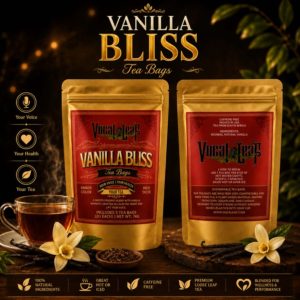
Processed or powdered citrus ingredients behave differently. They release quickly and intensely at first, then drop off sharply, leaving a flat, one-note brew that tastes artificial by the end of the cup. They also tend to produce a cloudier, less appealing appearance in the glass, a visual tell that the botanical quality isn’t what it could be. This is why exploring the full range of what real botanicals can produce across different blends is worth the effort. A well-crafted citrus blend and something as distinct as Vanilla Bliss can share the same commitment to whole-ingredient sourcing while delivering entirely different flavor experiences, proof that botanical quality is a production standard, not a flavor category.
When the ingredients are real, whole, and sourced with intention, the difference isn’t subtle. It’s the gap between a tea you finish out of obligation and one you look forward to every single day.
Conclusion
Citrus loose leaf tea earns its place in a daily routine because it consistently delivers what it promises, bright, layered flavor, real wellness benefits, and a brewing experience built on whole botanicals that a teabag simply cannot replicate. Real lemon peel, orange peel, lemon oil, and freeze-dried citrus granules bring antioxidant activity, throat comfort, digestive ease, and calm daily energy into a single naturally caffeine-free cup that works hot on a quiet morning or cold over ice on a demanding afternoon, and for singers, speakers, teachers, and performers who depend on their voice every day, those benefits aren’t a bonus, they’re the reason the ritual exists.
Frequently Asked Questions (FAQs)
Does Citrus Loose Leaf Tea Have Caffeine?
Most citrus loose leaf teas are naturally caffeine-free because they’re made entirely from herbal botanicals, lemon peel, orange peel, dried fruit pieces, and natural oils, with no tea leaf base. This makes them safe to drink at any time of day without affecting sleep or hydration levels. The exception is when citrus flavoring is added to a tea leaf base, in which case caffeine comes from the base itself. If you want citrus flavor with caffeine, a quality organic loose-leaf black tea delivers that combination cleanly.
Can I Drink Citrus Loose Leaf Tea Every Day?
Yes, daily use is where citrus loose leaf tea delivers its greatest benefit, because the antioxidant compounds in real citrus botanicals build cumulative effect with consistent intake rather than a single dramatic result. Hesperidin and vitamin C from whole lemon and orange peel support immune function, throat comfort, and hydration more effectively as a daily habit than as an occasional remedy. Because the blend is naturally caffeine-free, there are no dependency or sleep disruption concerns with drinking it every day.
What Citrus Ingredients Are Best in Loose Leaf Tea?
The four ingredients that consistently produce the best results are lemon peel, orange peel, lemon oil, and freeze-dried lemon granules, each playing a distinct role in flavor, aroma, and benefit. Lemon peel delivers the primary citrus character and the highest concentration of beneficial flavonoids, while orange peel adds a softer, warmer layer that rounds the blend. Lemon oil amplifies the aromatic intensity before the first sip, and freeze-dried lemon granules hold up well through longer steeps and iced preparation.
Is Citrus Tea Good for a Sore Throat?
Citrus loose leaf tea is a well-supported natural choice for sore throat comfort, working through hydration, warmth, and active botanical compounds simultaneously. The warmth of the brew soothes inflamed tissue and keeps mucosal surfaces coated, while lemon peel compounds including limonene and vitamin C contribute mild anti-inflammatory and antimicrobial activity.
How Long Does Loose Leaf Citrus Tea Stay Fresh?
Properly stored loose leaf citrus tea stays fresh and flavorful for 12 to 18 months from the production date. Citrus blends are particularly sensitive to air exposure because the volatile oils in lemon peel and lemon oil oxidize and fade faster than standard tea leaf compounds, making airtight storage essential. Keep your tea in a sealed tin, dark glass jar, or quality resealable pouch away from direct sunlight, heat, and strongly scented foods.
Top Selling Products






Best Tea for Singers | What Actually Helps Your Voice
If you sing, whether you perform professionally, teach voice lessons, or spend your weekends in rehearsal, you’ve probably wondered whether tea actually does anything useful…

Best Tea for Vocal Cords | Herbs, Hydration and Recovery
If your voice feels tired, strained, or dry, the right tea for your vocal cords can make a real difference, not by healing damaged tissue,…

Best Tea for Laryngitis | Soothe Your Voice Naturally
The best tea for laryngitis is a warm, caffeine free loose leaf blend that hydrates the throat and eases the strain on inflamed vocal cords.…

What Is Chai Tea? The Ultimate Guide to Ingredients, Benefits, Types & How It’s Made
If you’ve ever wondered what chai tea is, you’re not alone. It’s one of the most searched beverage questions online, yet the answer is often…

Best Tea for Your Voice | Does It Make You Sound Deeper
What it can do is change how your voice feels and sounds in the moment, which is where most of the confusion starts. If you…

The Best Tea for Performers & Speakers, And Why Your Voice Deserves Better
You spend hours rehearsing the words. You perfect the tone, the breath, the timing. But then you reach for whatever is nearby, a cup of…
Best Tea for Stress Relief | Calming Loose Leaf Blends
Stress is something everybody carries. It shows up in tight shoulders, restless nights, and a mind that won’t quiet down after a long day. And…

Best Tea for Dry Throat | The Teas That Help and the Ones That Hurt
The best teas for a dry throat are caffeine-free herbal blends, teas with no tannins to strip moisture from the throat lining and no caffeine…

Best Teas for Acid Reflux, Heartburn and GERD
Acid reflux doesn’t just cause heartburn. If you have searched for tea good for acidity, you are asking the same question, acidity and acid reflux…

Best Morning Tea for Energy and Focus Without Coffee Crash
The best tea to drink in the morning is black tea if you want steady, coffee level energy without the crash, rooibos chai if you…

Best Tea for Cough | The Complete Guide to Soothing Relief
The best tea for cough relief is a warm, hydrating blend that soothes irritated throat tissue while easing the reflex that triggers coughing in the…

Best Teas for a Cold That Actually Work
Best teas for a cold combines warmth, hydration and gentle steam to ease congestion, calm a scratchy throat and help your body rest while it…