
How Much Loose Leaf Tea Per Cup | Ratio and Brewing Guide
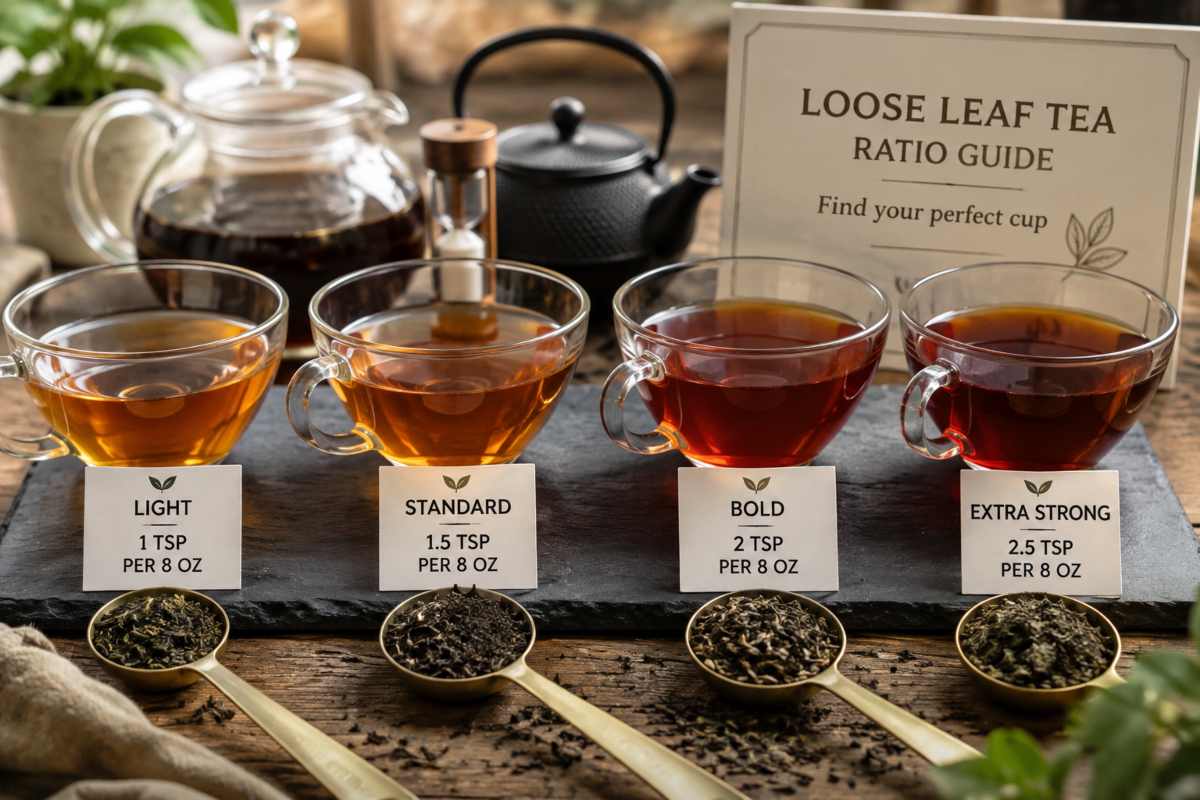
The standard ratio is one teaspoon of loose leaf tea per 8 ounces of water, though the right amount depends on leaf density, tea type and how strong you like your brew. Bulkier leaves and blends with fruit pieces or botanicals often call for slightly more, closer to a heaping teaspoon or 2.5 grams, while finer, denser leaves need less to reach the same strength. Getting this ratio right is the difference between a flat, watery cup and one with full body and clarity.
Most brewing guides agree that 2 to 3 g of loose leaf tea per 8 ounce cup produces a balanced result for the average blend, though this can shift by half a gram or more depending on the specific tea. Once you have got the ratio dialed in, steep time and water temperature do the rest of the work, a topic we will cover in detail below.
If you are working with a quality loose leaf blend from the Vocal Leaf loose leaf tea collection, these ratios are your starting point, adjust from there based on your taste and the specific blend leaf size and density.
What Is Loose Leaf Tea?
Loose leaf tea is whole or minimally broken tea leaves sold without a bag, giving the leaves room to fully unfurl and release their oils and flavor compounds during steeping. Because the leaves stay intact rather than being crushed into fine particles, loose leaf tea generally delivers a fuller bodied, more aromatic cup than its bagged counterpart.
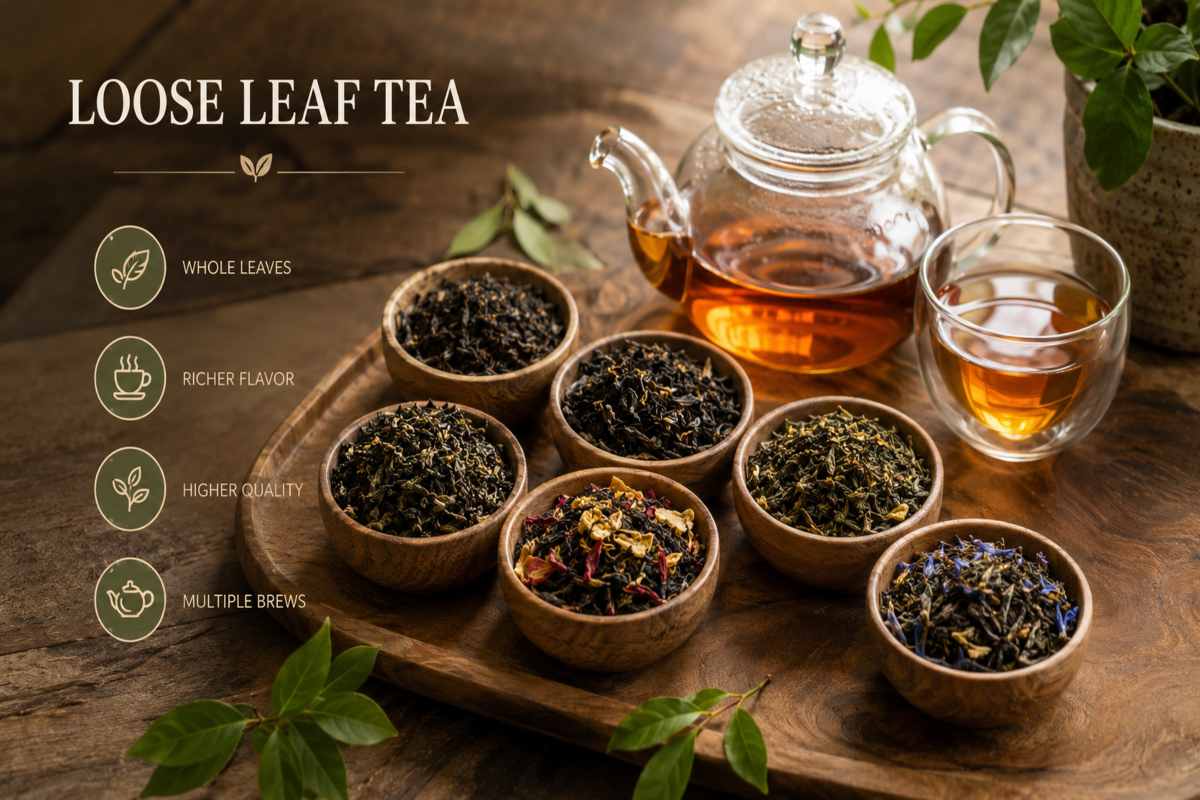
This whole leaf format also means the tea retains more of its natural essential oils, which are largely responsible for aroma and taste complexity. When leaves are cut or crushed for tea bags, more surface area is exposed to air and those oils oxidize and fade faster, one reason loose leaf blends tend to taste noticeably fresher, even months after purchase.
Loose Leaf vs Tea Bags
The core difference between loose leaf tea and tea bags comes down to leaf size and space to expand. Tea bags typically contain “fannings” or “dust”, the broken, lower grade leftovers of tea processing, packed tightly into a small pouch that restricts water flow and limits how much flavor the leaves can release. Loose leaf tea uses larger, whole leaf pieces that need room to expand and swirl freely, which is why a proper infuser or teapot outperforms a bag for extraction.
This structural difference shows up directly in the cup. Loose leaf tea generally offers stronger flavor, more nuanced aroma and better control over strength since you are measuring the exact amount rather than relying on a fixed bag size. Tea bags offer convenience and consistency, but that convenience comes at the cost of depth. Most tea bags use the lowest grade of leaf byproduct precisely because it is cheap to package at scale.
How Much Loose Leaf Tea to Add Per Cup
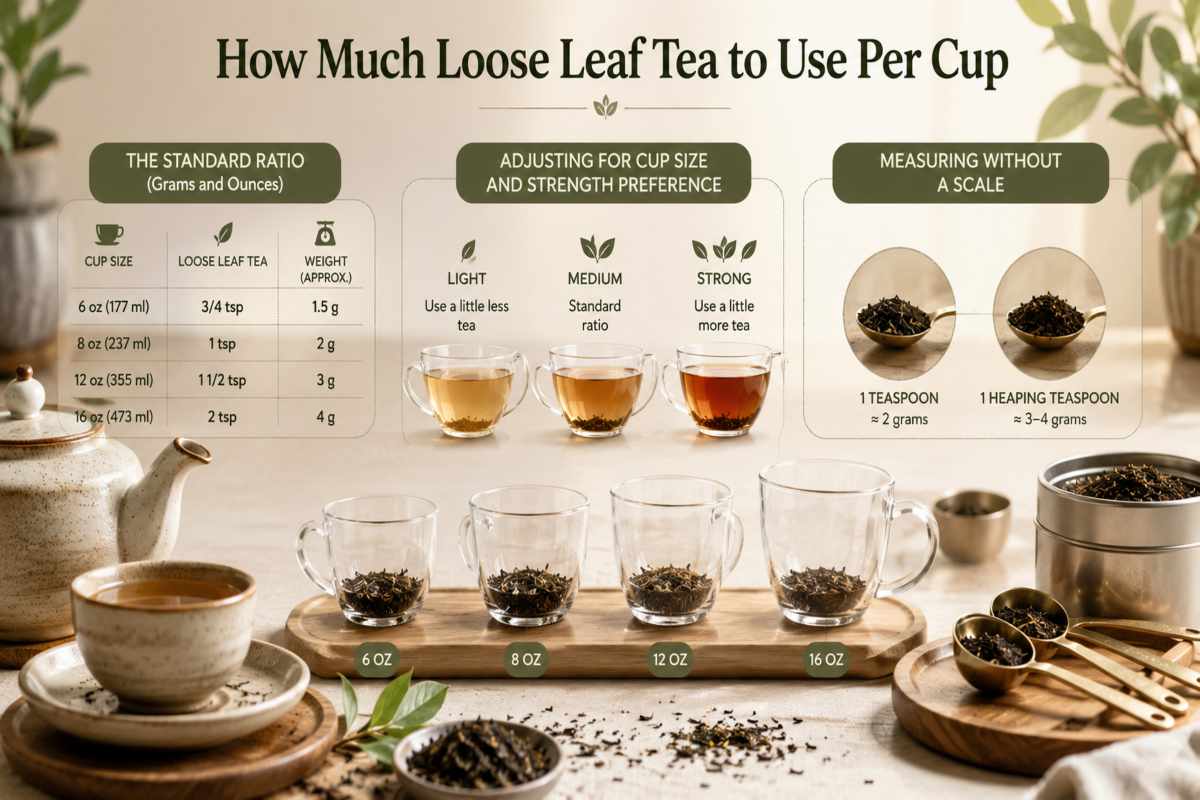
The general answer is 1 teaspoon or about 2 to 3 g of loose leaf tea per 8 ounce cup of water. From there, the exact amount shifts slightly depending on the tea density, leaf size and how strong you want the final cup to taste.
The Standard Ratio Grams and Ounces
For most loose leaf blends, 2.5 grams per 8 ounces of water is a starting point that balances strength and clarity without over extracting. This works out to roughly 1 rounded teaspoon for lighter, airier leaves or a slightly leveled teaspoon for denser, tightly rolled varieties. Fruit forward or botanical heavy blends, like those containing dried fruit pieces or petals, often weigh less per teaspoon than pure leaf teas, so measuring by weight rather than volume gives more consistent results when precision matters.
Adjusting for Cup Size and Strength Preference
The 1 teaspoon per 8 ounces ratio scales directly with cup size, so a 12 ounce mug calls for roughly 1.5 teaspoons and a full 32 ounce pot needs about 4 teaspoons. Strength preference matters just as much as volume, for a bolder cup, add up to an extra half teaspoon rather than extending steep time, since over steeping tends to pull out bitterness instead of deeper flavor. For a lighter cup, reduce the leaf slightly rather than cutting the steep time short, which can leave the tea under extracted and flat tasting.
Measuring Without a Scale
A standard teaspoon is a reliable stand in when a kitchen scale is not available, since most loose leaf blends land close to 2 to 3 grams per level to rounded teaspoon. As a visual reference, the leaf should fill roughly one third to one half of a standard tea infuser basket, giving the leaves enough room to expand fully during steeping. Blends like Lemon Berry Tea, which include fruit pieces and petals alongside the tea leaves, tend to look fuller in the spoon than pure leaf teas at the same weight, so when in doubt with mixed blends, err slightly under rather than over, then adjust to taste on the next cup.
How to Brew Step by Step Loose Leaf Tea
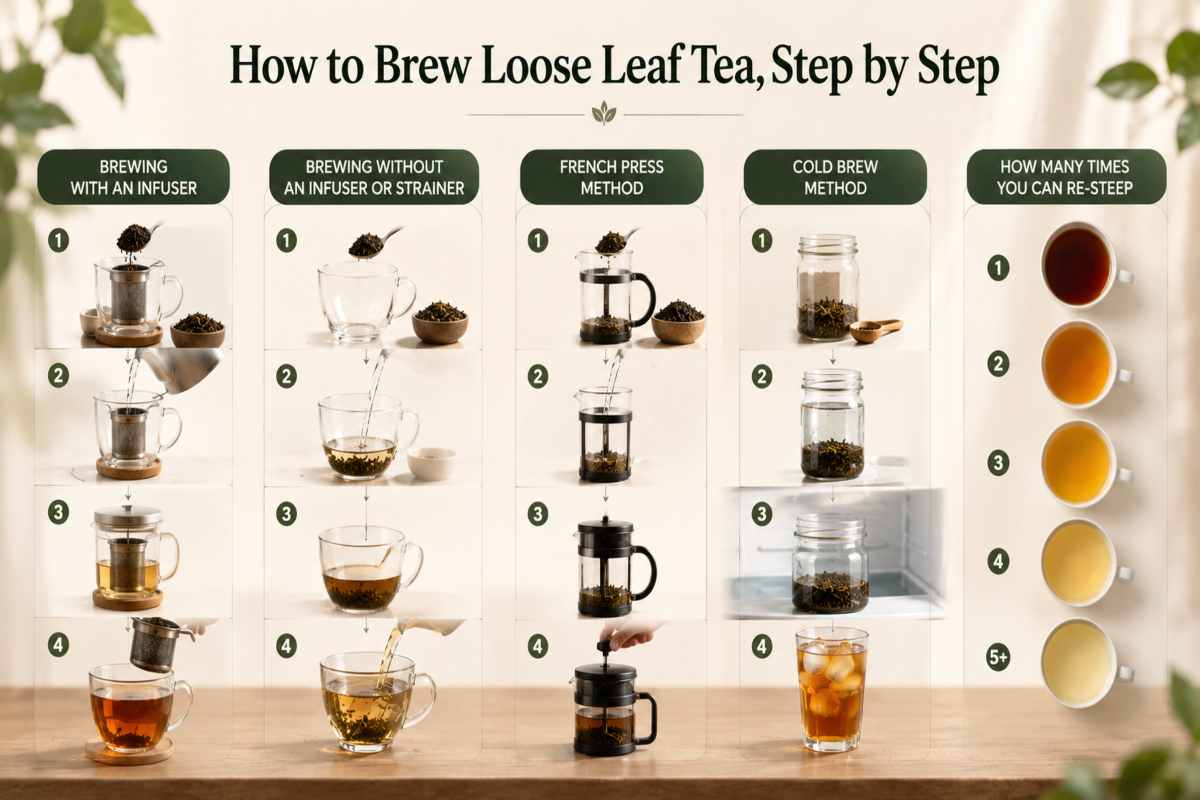
Brewing loose leaf tea properly comes down to four variables, leaf amount, water temperature, steep time and separation method. Once you have got your ratio measured out, the brewing method you choose, infuser, strainer, French press or cold brew, determines how much control you have over strength and clarity.
Brewing With an Infuser
Place your measured tea leaves into an infuser basket or ball, leaving enough room for the leaves to expand fully rather than packing them tightly. Submerge the infuser in water heated to the appropriate temperature for your tea type, then steep for the recommended time before lifting the infuser out completely, leaving it in the cup continues extraction and can push the tea toward bitterness. This method works well for everyday brewing since cleanup is minimal and the leaves are easy to reuse for a second steep.
Brewing Without an Infuser or Strainer
If you do not have an infuser on hand, add the loose leaf tea directly to a mug or teapot and let it steep freely, then pour the tea through a fine mesh kitchen strainer into a second cup to separate the leaves. This “grandpa style” approach, common with denser leaves, also works by simply letting the leaves settle to the bottom of the cup and drinking carefully around them, though this method suits thicker, less crumbly leaves better than fine or powdery blends.
French Press Method
A French press works as an effective tea infuser, add the loose leaf tea directly to the carafe, add in hot water and let it steep with the plunger lifted. Once steeping is complete, press the plunger down gradually to separate the leaves from the liquid, then pour immediately to stop extraction. This method is especially useful for brewing larger batches at once, since the wide carafe gives leaves plenty of room to extend and circulate.
Cold Brew Method
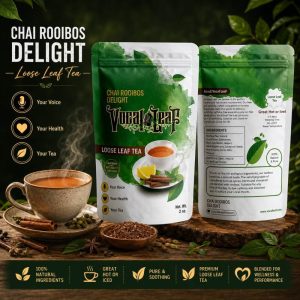
For cold brew, add loose leaf tea to cold or room temperature water at roughly double the standard ratio, then refrigerate for 6 to 12 hours depending on desired strength. The extended, low temperature steep pulls out flavor more gently than hot water, producing a smoother, less astringent cup with lower perceived bitterness, a good option for blends like organic rooibos chai tea, which develop a naturally smooth, slightly sweet profile when steeped cold.
How Many Times You Can Re Steep
Most whole leaf teas can be re steeped 2 to 3 times before the flavor drops off noticeably, since intact leaves release their compounds gradually rather than all at once. Each subsequent steep typically needs a slightly longer steep time to compensate for the leaf diminishing flavor concentration. Tightly rolled or high quality whole leaf teas tend to hold up best across multiple steeps, while broken or fannings style leaves, closer to what is found in tea bags, usually lose most of their flavor after a single use.
How to Store Loose Leaf Tea for Freshness
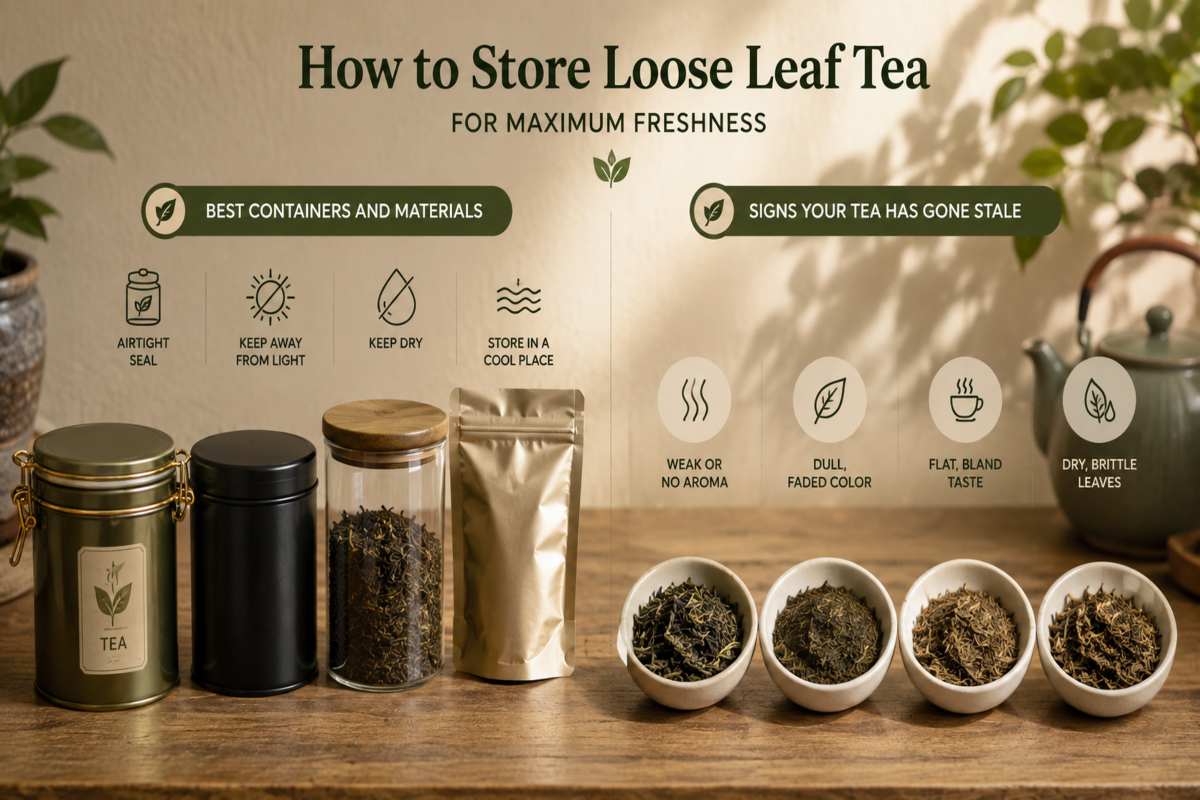
Loose leaf tea stays freshest when kept in an airtight container, distant from light, heat and moisture, the four main factors that accelerate flavor loss. Stored properly, most loose leaf teas hold their peak flavor for 6 to 12 months, though pace of decline depends heavily on the container and environment.
Best Containers and Materials
Opaque, airtight containers made of tin, ceramic or dark glass are the best choice for storing loose leaf tea, since they block light exposure while sealing out air and humidity. Clear glass jars, while visually appealing, allow light to gradually break down the tea’s essential oils and should be kept in a dark cabinet if used at all. The original kraft pouch a tea ships in, if it has a resealable seal, is often sufficient for short term storage, but transferring to a dedicated airtight tin extends freshness significantly for teas you plan to keep longer than a few weeks.
Storage location matters as much as the container itself. Keep tea away from the stove, oven or any spot with temperature fluctuation, since heat speeds up the breakdown of the volatile oils responsible for aroma and flavor. Pantry shelves or a dedicated cabinet away from direct sunlight are ideal.
Signs Your Tea Has Gone Stale
The clearest sign of stale loose leaf tea is a flat, muted aroma, fresh tea should smell vibrant and distinct the moment the container opens and a weak or dull scent signals the essential oils have degraded. Color changes are another indicator, leaves that have dulled, faded or turned notably darker than when purchased have likely lost much of their flavor complexity.
Taste is the final confirmation. Stale tea often brews weaker than expected even when using the standard ratio or tastes flat and one dimensional rather than layered. If a properly measured, correctly steeped cup still comes out underwhelming, aging tea, not brewing technique, is usually the cause and it’s a sign to replace the batch.
Essential Tools for Loose Leaf Tea
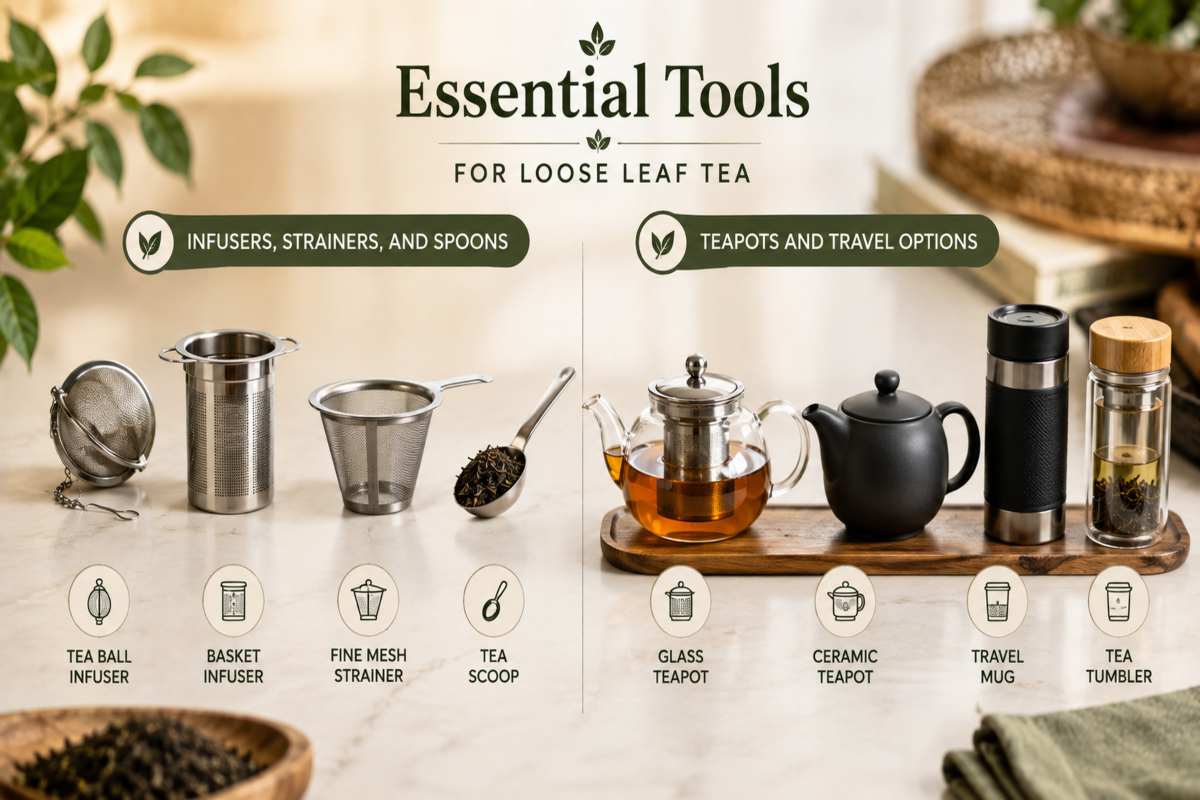
Brewing loose leaf tea well requires just a few basic tools, an infuser or strainer to separate the leaves, a measuring spoon for consistent ratios and a teapot or mug suited to steeping. None of these need to be elaborate, the right basics make a bigger difference than expensive equipment.
Infusers, Strainers and Spoons
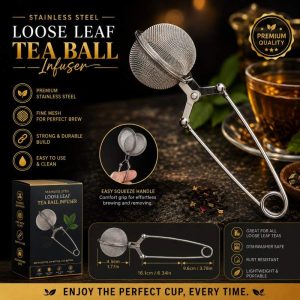
A mesh tea ball or basket infuser is the most versatile tool for everyday brewing, since it gives leaves enough room to expand while keeping them fully contained for easy removal. A stainless steel loose leaf tea ball with a fine mesh design works well across leaf sizes, from finer blends to bulkier ones with fruit pieces or petals and holds up far longer than plastic alternatives that can retain odors over time.
A dedicated tea measuring spoon, typically sized around one teaspoon, removes the guesswork from portioning and helps keep ratios consistent cup to cup. For anyone brewing multiple tea types regularly, a small kitchen scale offers the most precision, since gram measurements account for differences in leaf density that volume based spoons can not fully capture.
Teapots and Travel Options
A teapot with an infuser basket is the simplest setup for brewing multiple cups at once, allowing leaves to steep freely in the pot before the basket is lifted out to stop extraction. Ceramic and glass teapots are common choices, ceramic retains heat well for longer steeps, while glass allows visibility into the steeping process, which is useful for watching color development in lighter teas. Pairing your pot with a proper tea cup rather than an oversized mug also helps preserve temperature and aroma as you drink, since a wide mouthed cup lets heat and fragrance escape faster than a smaller, more contained one.
For brewing on the go, insulated travel mugs with a built in infuser basket let you steep and sip from the same vessel, with the basket removable once the tea reaches the desired strength. This portability makes it easy to maintain a consistent loose leaf tea routine outside the kitchen, without needing to switch to bagged tea for convenience.
Why Loose Leaf Tea Is Worth It
Loose leaf tea is worth the extra minute of prep because it delivers stronger flavor, more aroma and better ingredient quality than tea bags, differences that come directly from how the tea is processed and stored. For anyone drinking tea regularly, that gap in quality adds up cup after cup.
Freshness and Full Leaf Quality
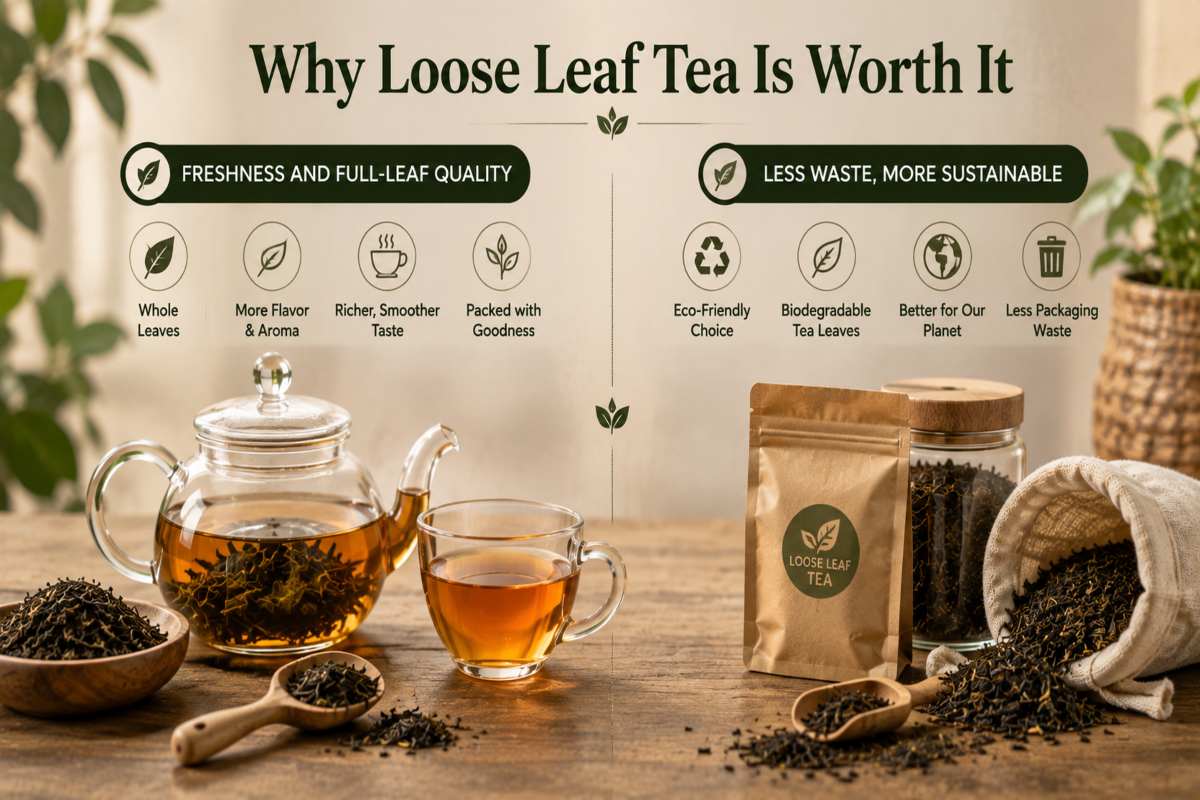
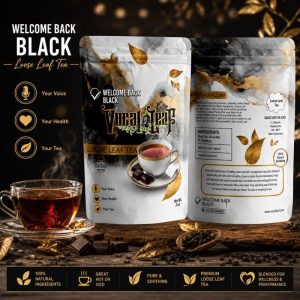
Whole leaves have more of their essential oils than the crushed fannings used in most tea bags, since less surface area is exposed to oxidization during processing and storage. This is especially noticeable in bolder varieties like loose leaf black tea, where whole leaf processing preserves the deeper, more complex flavor notes that get lost when leaves are broken down into bag sized pieces. The result is a cup with more body and a longer lasting aroma, even after the tea has been sitting in the cabinet for a few months.
Less Waste, More Sustainable
Loose leaf tea also produces significantly less packaging waste than bagged tea, since it skips the individual paper sachets, staples, tags and outer wrapping that come with each bag. Many tea bags also contain a thin layer of plastic to help them retain their shape, which means they do not fully biodegrade the way people often assume. Brewing loose leaf, especially with a reusable infuser, cuts out that layer of waste entirely while giving you more control over exactly how much tea you use per cup.
Choosing Quality Loose Leaf Tea
Quality loose leaf tea comes down to whole, intact leaves, natural ingredients and transparent sourcing, factors that directly affect both flavor and how long the tea stays fresh. Knowing what to look for makes it easier to tell a genuinely good blend from one that just looks premium on the shelf.
What “Organic” Really Means
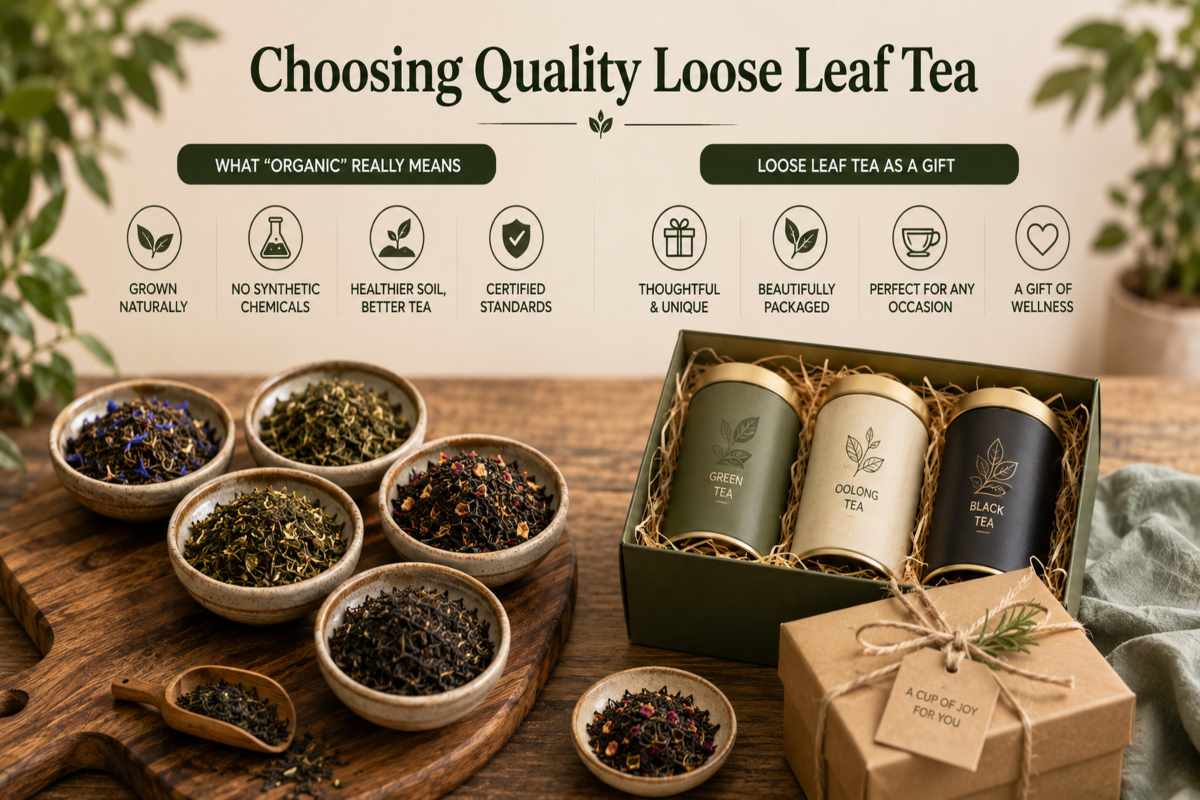
Organic loose leaf tea is produced without synthetic pesticides, herbicides or chemical fertilizers, which keeps the leaf natural oils and flavor compounds free from residue that can dull taste over time. Beyond the growing process organic certification typically means fewer processing shortcuts overall, since the leaves are handled with more care to preserve their whole leaf structure rather than being broken down for speed.
For blends that include real fruit pieces, petals or botanicals alongside the tea leaves organic sourcing matters even more, since these additional ingredients carry their own residue risk if grown conventionally.
Loose Leaf Tea as a Gift
Loose leaf tea makes a thoughtful, low waste gift, especially when paired with a proper infuser so the recipient has everything needed to brew it correctly from the first cup. A well packaged blend like Lemon Berry Dream, with its bright, fruit forward profile, tends to appeal even to people who do not typically drink tea, making it a versatile choice for gifting.
Conclusion
Getting loose leaf tea right comes down to a simple starting ratio, about 1 teaspoon or 2 to 3 g, per 8 ounces of water, then adjusting for leaf density, cup size and personal taste from there. Combine that ratio with proper water temperature, steep time and airtight storage and the difference in flavor, aroma and freshness over bagged tea becomes obvious within the first cup. Whether you are brewing with a simple infuser or a full teapot setup, Vocal Leaf offers whole leaf blends and the tools to brew them well, making it easy to build a loose leaf routine that actually delivers on flavor.
Frequently Asked Questions (FAQs)
Is more tea always stronger?
Not necessarily, adding more leaf increases strength up to a point, but beyond that, it tends to produce a heavier, more bitter cup rather than a smoother, bolder one. Steep time and water temperature usually have a bigger impact on perceived strength than leaf quantity alone.
Does water temperature change the amount needed?
Temperature affects extraction speed more than the actual quantity of leaf required. Using water that’s too hot can pull out bitterness even at a correct leaf amount, so matching temperature to tea type matters as much as getting the ratio right.
Can you reuse the same leaves for multiple cups?
Yes, most whole leaf teas can be re steeped 2 to 3 times before flavor drops off significantly. Each additional steep typically needs a slightly longer steep time to compensate for the leaf’s diminishing potency.
Does a bigger cup always need proportionally more tea?
Generally yes, the ratio scales with volume, so a 12 ounce mug needs roughly 1.5 times the leaf used for an 8 ounce cup. Adjust slightly from there based on how strong you prefer the final brew.
How long does loose leaf tea stay fresh once opened?
Properly stored in an airtight container distant from light and heat, most loose leaf teas hold peak flavor for 6 to 12 months. Fading aroma is usually the first sign it is time to replace the batch.
Top Selling Products




Best Tea for Singers | What Actually Helps Your Voice
If you sing, whether you perform professionally, teach voice lessons, or spend your weekends in rehearsal, you’ve probably wondered whether tea actually does anything useful…

Best Tea for Vocal Cords | Herbs, Hydration and Recovery
If your voice feels tired, strained, or dry, the right tea for your vocal cords can make a real difference, not by healing damaged tissue,…
Best Tea for Laryngitis | Soothe Your Voice Naturally
The best tea for laryngitis is a warm, caffeine free loose leaf blend that hydrates the throat and eases the strain on inflamed vocal cords.…

What Is Chai Tea? The Ultimate Guide to Ingredients, Benefits, Types & How It’s Made
If you’ve ever wondered what chai tea is, you’re not alone. It’s one of the most searched beverage questions online, yet the answer is often…

Best Tea for Your Voice | Does It Make You Sound Deeper
What it can do is change how your voice feels and sounds in the moment, which is where most of the confusion starts. If you…

The Best Tea for Performers & Speakers, And Why Your Voice Deserves Better
You spend hours rehearsing the words. You perfect the tone, the breath, the timing. But then you reach for whatever is nearby, a cup of…
Best Tea for Stress Relief | Calming Loose Leaf Blends
Stress is something everybody carries. It shows up in tight shoulders, restless nights, and a mind that won’t quiet down after a long day. And…

Best Tea for Dry Throat | The Teas That Help and the Ones That Hurt
The best teas for a dry throat are caffeine-free herbal blends, teas with no tannins to strip moisture from the throat lining and no caffeine…
Best Teas for Acid Reflux, Heartburn and GERD
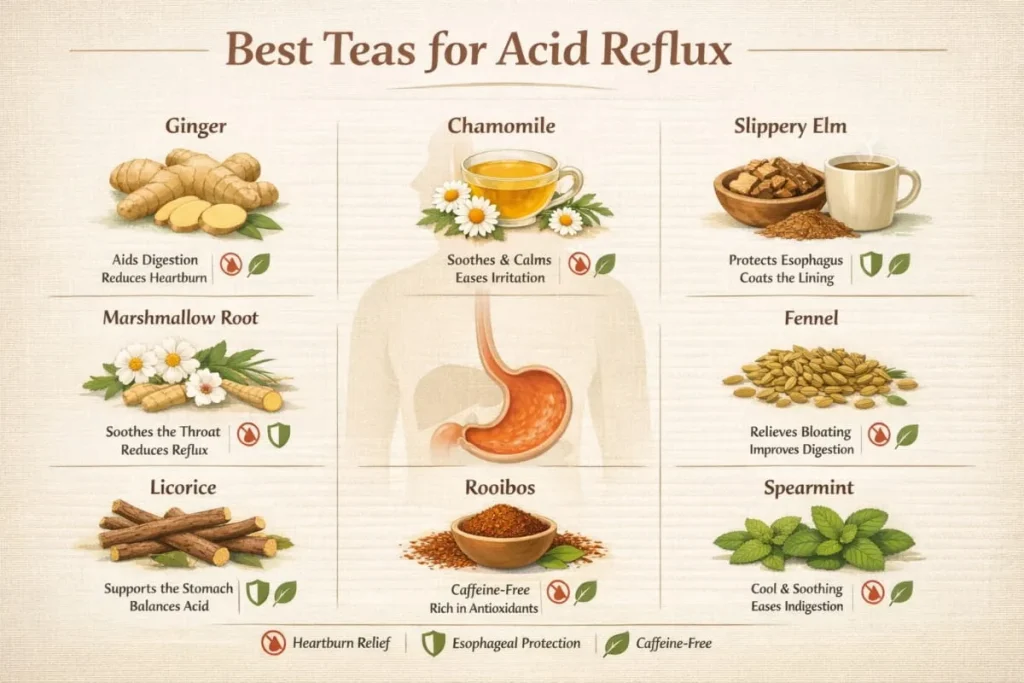
Acid reflux doesn’t just cause heartburn. If you have searched for tea good for acidity, you are asking the same question, acidity and acid reflux…

Best Morning Tea for Energy and Focus Without Coffee Crash
The best tea to drink in the morning is black tea if you want steady, coffee level energy without the crash, rooibos chai if you…
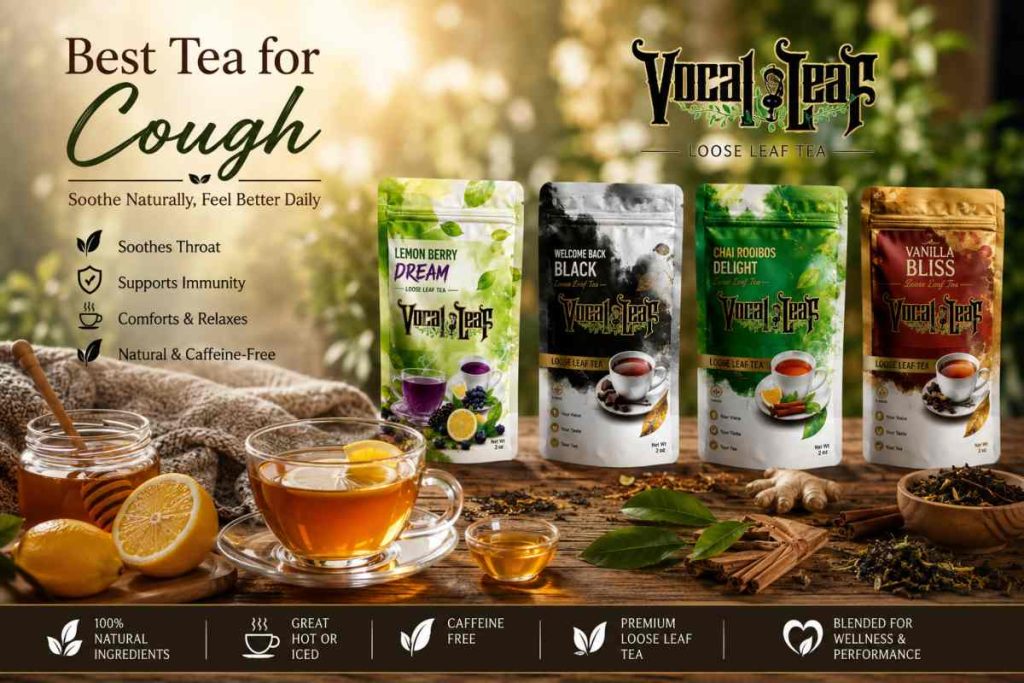
Best Tea for Cough | The Complete Guide to Soothing Relief
The best tea for cough relief is a warm, hydrating blend that soothes irritated throat tissue while easing the reflex that triggers coughing in the…

Best Teas for a Cold That Actually Work
Best teas for a cold combines warmth, hydration and gentle steam to ease congestion, calm a scratchy throat and help your body rest while it…