
Best Tea for Fever | What to Drink When You Feel Run Down

When you are sick, the best tea for fever to reach for is a warm, naturally caffeine free loose leaf herbal tea, one that supports hydration, soothes irritated tissues and gives your body the gentle comfort it needs without adding stress to an already taxed system. Warm liquids are one of the oldest and most well supported remedies for fever and illness and the right cup can make a real difference in how quickly you recover.
Fever is your body doing exactly what it is designed to do, mounting a defense. But that process is demanding. Your core temperature rises, your respiratory rate increases and your body loses fluid faster than normal. According to research published in the Journal of Physiology, even a modest fever of 38.5°C can significantly increase your body fluid requirements, making hydration one of the most critical factors in recovery. Most people reach for water, which is fine, but warm tea does something water alone can not. It delivers heat directly to the throat and chest, eases the muscular tension that comes with chills and provides a moment of genuine relief when your body feels like it is turned against you.
That is why loose leaf teas are worth your attention when you are sick. Unlike heavily processed bagged teas, and loose leaf teas retain more of their natural plant compounds and tend to steep into a fuller, more complex cup, one that works harder for you when it counts most. The sections below break down exactly what to drink depending on your specific symptoms, how to brew it right and which teas are worth keeping on hand before fever season hits.
Does Tea Actually Help with Fever?
Yes, tea genuinely helps when you have a fever and the mechanism is straightforward. Warm liquids support hydration, help regulate discomfort from rising body temperature and deliver soothing heat to the throat and chest at a time when your body is working overtime. The best tea for fever is one that supports hydration, soothes an irritated throat and is free of additives that can stress a taxed system. Warm loose leaf herbal teas are a top choice because they steep into a clean, compound rich cup without the artificial ingredients, excess caffeine, or chemical processing found in many commercial tea bags.

How Warm Liquids Support the Body During Illness
When you are feverish, your body generates and releases heat rapidly, which puts real strain on your muscles, joints and respiratory system. Warm liquids ease that strain in a few important ways. The heat from a cup of tea relaxes the muscles in the throat and chest, which often tighten during illness. Inhaling steam while drinking loosens congestion in the nasal passages and upper airways. And the warmth itself creates a counterintuitive comfort, when your skin feels cold and achy from chills, something warm in your hands and throat provides genuine physiological relief, not just psychological comfort.
There is also a mucous membrane benefit. Fever tends to dry out the delicate tissues lining the throat and nasal passages. Warm liquid keeps those membranes moist, which helps your immune system do its job, those tissues are part of your first line of defense and they function better when hydrated.
Why Staying Hydrated Is Critical When You Have a Fever
Hydration is not a passive concern during fever, it is an active medical priority. For every degree Celsius your body temperature rises above normal, your fluid losses increase. A sustained fever can push your body toward dehydration surprisingly quickly, especially if you are also dealing with sweating, a runny nose, or reduced appetite that leads to lower fluid intake overall.
Dehydration during fever compounds the problem. It thickens mucus, makes headaches worse, increases fatigue and can prolong recovery time. Drinking warm tea addresses hydration in a way that feels manageable even when you have no appetite, a cup is easy to sip slowly over 20 minutes, unlike a full glass of water when you feel unwell.
The goal is consistent, steady fluid intake throughout the day. Two to three cups of warm loose leaf tea, spaced throughout the day alongside water, give your body the hydration support it needs without overwhelming a stomach that may already feel unsettled.
What Makes a Tea Good for Fever What to Look For
Not every tea earns a place on the nightstand when you are sick. A few qualities separate genuinely helpful teas from ones that may do more harm than good during illness.
Naturally caffeine free
Caffeine is a mild diuretic, meaning it increases fluid loss, the opposite of what your body needs during fever. A tea that is naturally caffeine free, never chemically decaffeinated, keeps hydration working in your favor rather than against it. Chemical decaffeination processes can leave residue and strip out beneficial plant compounds, so the distinction matters.
Clean ingredients
When your immune system is already under load, the last thing it needs is artificial flavors, synthetic sweeteners, or filler ingredients. A loose leaf tea with a short, recognizable ingredient list is always the better choice during illness.
Gentle on the stomach
Fever often comes with nausea or reduced appetite. A tea that is light, smooth and easy to sip without irritating an empty stomach will actually get consumed, which matters more than any other quality.
Lightly sweetened if needed
If you need a touch of sweetness to make the cup more appealing when you are sick, a small amount of and rock sugar is one of the gentlest options, it dissolves cleanly, does not overwhelm the flavor of the tea and is far less likely to irritate a sensitive throat than processed white sugar or artificial sweeteners.
What Tea Is Good for Fever and Chills?
The best tea for fever and chills is a warm, naturally caffeine free herbal tea that delivers steady heat to the body, supports hydration and is gentle enough to sip continuously without irritating an already stressed system. When chills are part of the picture, warmth becomes the primary variable and a properly steeped loose leaf herbal tea holds heat longer, delivers it more evenly and soothes more effectively than most other options.
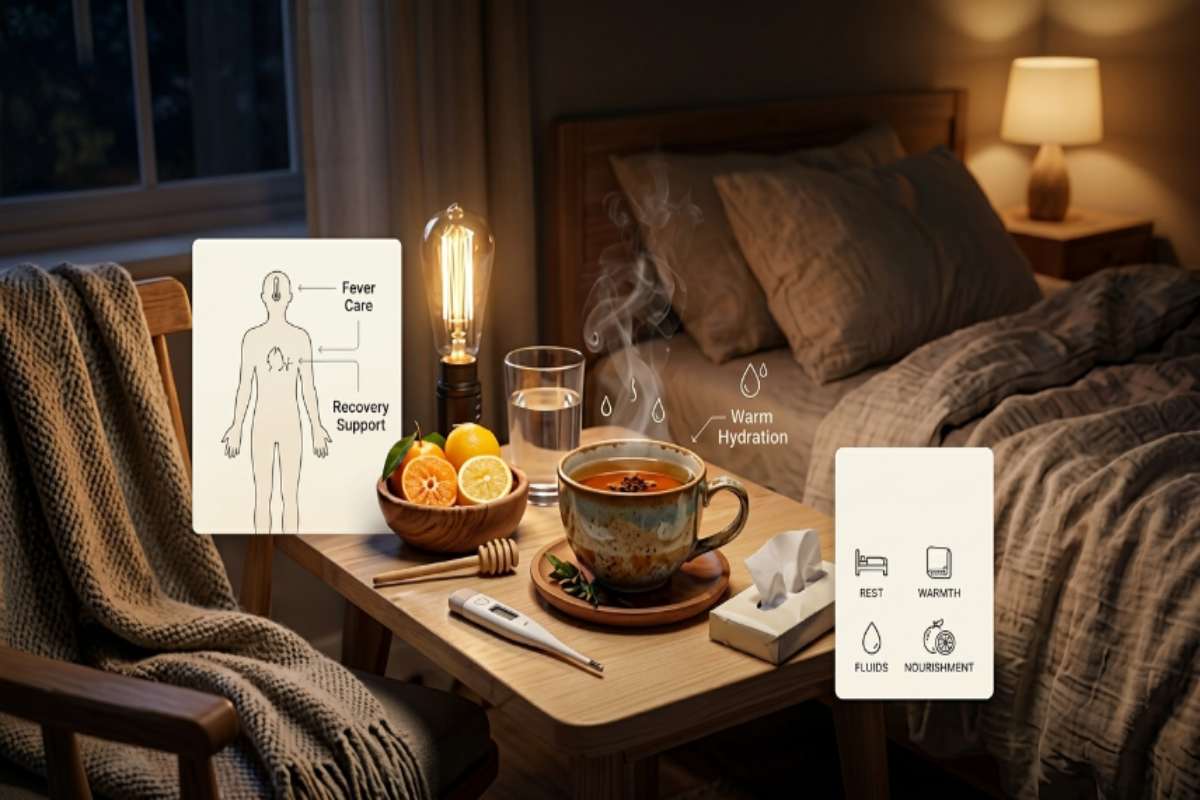
Why Fever and Chills Often Occur Together
Chills during a fever feel contradictory, your body temperature is rising, yet you feel cold. The explanation is in how fever actually works. When your immune system detects a threat and raises your internal thermostat, your body works to generate heat to reach that new target temperature. Shivering and chills are the mechanism it uses to produce that heat quickly, your muscles contract rapidly to generate warmth, which is why you feel cold and achy even as your core temperature climbs.
This phase is typically the most uncomfortable part of a fever. Your skin may feel cold to the touch while your core runs hot. You may pile on blankets yet still feel like you cannot get warm. Understanding this helps explain why warm tea is particularly effective during this stage, it provides external heat input that takes some of the burden off your muscles, reducing the intensity of shivering and making the experience more tolerable. At the same time, your immune system does its work.
The Role of Warmth in Easing Chills
Warmth works on chills in two ways simultaneously, physically and neurologically. On the physical side, warm liquid raises the temperature of the throat, esophagus and stomach lining, which sends heat signals to the surrounding tissues and helps the body feel like it is closing the gap between its current temperature and its fever target. That reduces the urgency of the shivering response.
On the neurological side, warmth triggers the release of calming signals in the nervous system. Research on thermoreception, the body ability to sense temperature, shows that applying warmth to the core and throat activates receptors that reduce the perception of cold and discomfort, independent of any change in actual body temperature. A warm cup of tea held in both hands, sipped slowly, engages this system in a way that cold or room temperature drinks simply cannot. The practical implication is straightforward, when chills are present, the temperature of your tea matters as much as what is in it. Steep fully, drink while hot and refill before the cup goes cold.
Best Tea for Fever and Sore Throat
The best tea for fever and sore throat is a warm, naturally caffeine free herbal tea that coats and soothes irritated throat tissue while keeping the hydration your body urgently needs during illness flowing steadily. When both symptoms are present at the same time, the right cup addresses both simultaneously and that combination is where loose leaf herbal tea genuinely earns its place in your recovery routine.

How Fever and Sore Throat Compound Each Other
Fever and sore throat are a particularly punishing combination because each symptom actively worsens the other. Fever accelerates fluid loss through sweating and increased respiratory rate, which dries out the mucous membranes lining the throat. Dry membranes become more inflamed and more painful. Meanwhile, the inflammation in your throat, whether from a viral infection, post nasal drip, or immune activity, can trigger the body fever response directly, meaning the sore throat is not just a companion symptom, it may be part of what drives the fever higher.
The result is a loop that is hard to break without directly addressing both. Sore throat pain makes it uncomfortable to swallow, which reduces fluid intake, which worsens dehydration, which intensifies both the fever and the throat inflammation. According to the American Academy of Otolaryngology, staying well hydrated is one of the most clinically supported strategies for managing sore throat symptoms and warm liquids specifically are recommended over cold ones because they help relax the muscles surrounding the throat and reduce the perception of pain.
Warm tea interrupts this loop. It delivers hydration in a form that is easy to swallow even when your throat is at its most inflamed and the heat itself provides measurable, immediate relief to irritated tissue.
What to Look for in a Tea That Addresses Both
When fever and sore throat are present together, the qualities that make a tea effective become more specific. You are not just looking for something warm and hydrating, you are looking for a cup of and tea for sore throat that actively supports throat tissue while keeping your fluid balance positive.
Smooth, non astringent character matters more than usual here. Highly tannic teas can dry out throat tissue further, compounding the irritation you are already dealing with. A tea that brews into a round, smooth cup without sharp edges is far easier on an inflamed throat than one with a drying finish.
Citrus and fruit forward profiles like and orange peel tea offers an additional advantage, the acidity stimulates saliva production, which naturally coats and lubricates the throat. This is part of why warm lemon based teas have been a go to remedy for sore throats across cultures for centuries. The mechanism is real, saliva contains enzymes and proteins that help protect and soothe mucosal tissue.
Natural caffeine free status remains essential. Caffeine diuretic effect is particularly counterproductive when your throat is already dry and your body is already losing fluid to fever. A tea that is naturally caffeine free, never chemically decaffeinated, keeps everything working in the right direction.
Best Tea for Fever and Body Aches or Headache
The best tea for fever and body aches is a warm, naturally caffeine free herbal tea that supports aggressive hydration, because dehydration is frequently the hidden driver behind both the muscle pain and the headache that accompany a fever. Getting warm liquid into your body consistently is one of the most direct, evidence supported ways to reduce the physical burden of illness beyond the fever itself.
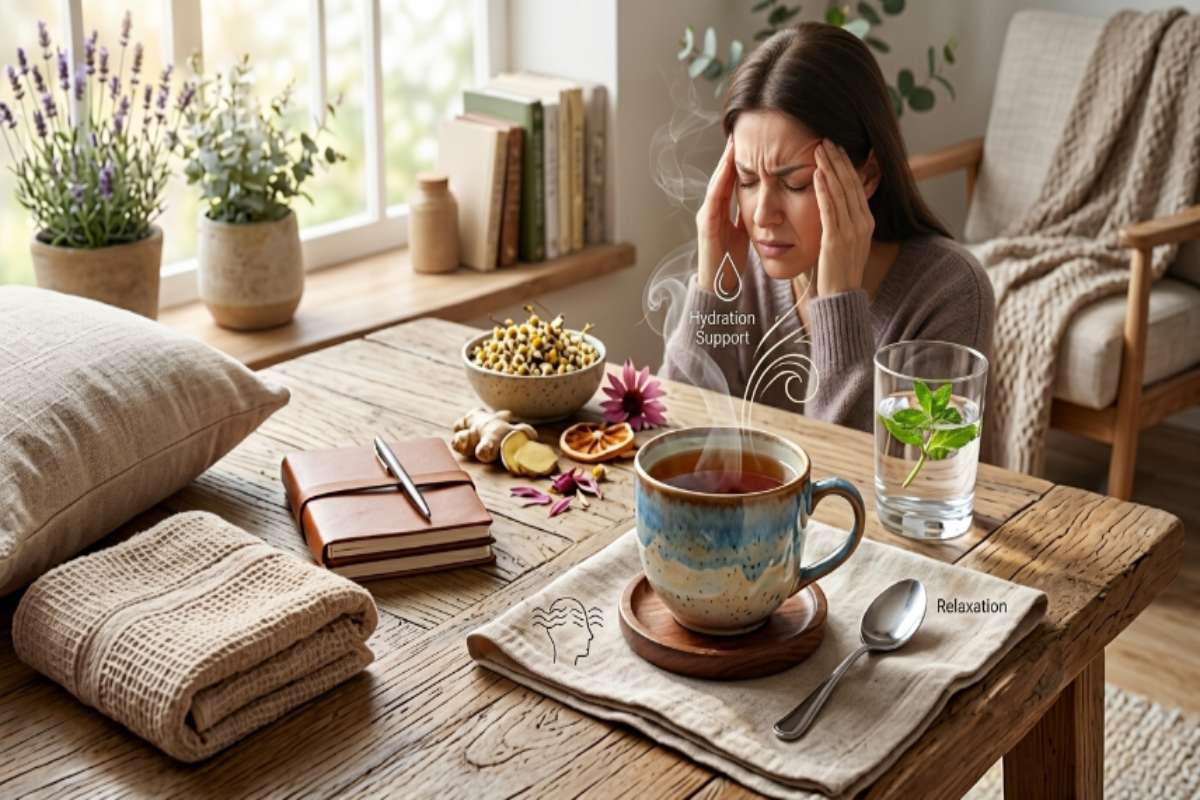
Why Muscle Aches and Fever Occur Together
Body aches during a fever are not incidental, they are a direct product of your immune response. When your body detects a viral or bacterial threat, it releases signaling proteins called cytokines to coordinate the immune attack. Those same cytokines act on pain receptors throughout the body, producing the deep, widespread muscle ache that makes illness feel so physically heavy. It is not the pathogen causing the aches directly, it is your own immune system doing its job and the aches are a byproduct of that process running at full intensity.
Headache during fever follows a similar mechanism, compounded by dehydration. As fluid loss accelerates with rising body temperature, blood volume decreases slightly, which reduces the cushioning around the brain and increases pressure sensitivity in the surrounding tissues. Even mild dehydration, as little as one to two percent of body weight in fluid loss, according to research published in the Journal of Nutrition, is sufficient to trigger or significantly worsen headache symptoms. This means that for many people, the fever headache is as much a hydration problem as it is an inflammation problem and addressing fluid intake directly addresses the headache.
The muscle aches, meanwhile, are worsened by the same shivering and muscle tension that chills produce. Hours of low level muscular contraction leave tissues fatigued and sore in a way that feels similar to intense physical exertion, because physiologically it is.
How Hydrating Teas Help Ease Physical Discomfort
Hydration is the most direct lever you have over fever related body aches and headache and warm tea is one of the most effective hydration vehicles available during illness. It is easier to sip steadily over time than plain water when you feel unwell, it delivers heat that relaxes tense muscle tissue and it maintains core warmth that reduces the shivering cycle driving muscular fatigue.
The relationship between hydration and physical discomfort during illness is well established. Replenishing fluids reduces blood viscosity, restores the cushioning around pain sensitive tissues, helps flush metabolic byproducts from fatigued muscles and supports the kidney and lymphatic functions your body depends on during immune activity. For a full breakdown of how tea specifically supports the body hydration needs, and hydrating teas covers the science in depth.
What matters practically is consistency. A single large cup of tea will not resolve fever related body aches the way an analgesic might. Still, two to three cups spaced across the day, maintained steadily as your fever runs its course, keeps your hydration status in a range where the physical symptoms are meaningfully less severe than they would be without that fluid support.
Warmth also works directly on muscle tension. Heat applied to muscle tissue increases local circulation, reduces the contraction intensity of tense fibers and activates thermoreceptors that dampen pain signaling. Drinking warm tea delivers that effect internally, along the esophagus, into the stomach and radiating outward, in a way that a heating pad on the surface cannot fully replicate.
For a deeper look at teas chosen specifically for physical recovery and muscle comfort, and best tea for body aches goes into detail on what to reach for and why.
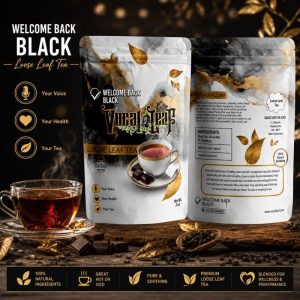
When fever, body aches and headache are all present simultaneously, the practical answer is the same, warm, naturally caffeine free loose leaf herbal tea, sipped steadily, starting with your first waking hour and continuing through the day. Vocal Leaf full range, Lemon Berry Dream, Organic Rooibos Chai Tea, Vanilla Bliss and Organic Loose Leaf Black Tea, gives you options across flavor profiles so you can keep drinking even as taste fatigue sets in over multiple days of illness.
What About Herbal Tea for Fever?
Herbal tea is one of the most consistently recommended remedies for fever because it delivers warm hydration in a form that is gentle on the body, free of stimulants that compete with rest and rich in plant compounds that support the systems your immune response depends on. When you are sick and your body resources are fully committed to fighting an infection, herbal tea asks almost nothing of you in return, it just works quietly in the background. At the same time, your immune system does the heavy lifting.

Why Herbal Tea Is Often Recommended During Illness
The recommendation for herbal tea during illness is not folk wisdom dressed up as medicine, it has a straightforward physiological basis. Herbal teas are, at their core, hot water infused with plant material and hot water is already one of the most effective tools available for fever management, it replaces fluid lost to sweating, raises the temperature of the throat and airways to ease inflammation and supports the mucous membranes that form part of your body first immune defense.
What herbal tea adds beyond plain hot water is a layer of plant compounds, antioxidants, polyphenols and other bioactive constituents that vary depending on the specific herbs and botanicals in the blend. These compounds interact with the body inflammatory pathways, tissue repair processes and antioxidant defenses and their effects have been extensively studied. A 2021 review in Frontiers in Pharmacology found that plant derived polyphenols demonstrate meaningful antioxidant and anti inflammatory activity in the body, supporting the biological rationale for herbal tea use during illness. However, tea is a supportive measure, not a medical treatment.
Beyond biochemistry, herbal tea works during illness because it is practical. It is warm, which is what a feverish body craves. It is flavorful enough to encourage consistent sipping when plain water feels unappealing. It is easy to prepare. And it can be consumed throughout the day and into the night without the side effects that come with caffeinated beverages or over the counter remedies.
What Naturally Caffeine Free Means and Why It Matters When Sick
Not all caffeine free teas are created equal and the distinction matters more than most people realize, especially during illness. There are two ways a tea can be caffeine free, it can be made from plants that never contained caffeine to begin with, or it can be made from caffeinated plants that have had caffeine chemically removed through a processing method.
Naturally caffeine free means the plants used in the blend, rooibos, fruit pieces, botanicals and certain herbal varieties, simply do not produce caffeine as part of their natural chemistry. No chemical processing is required, no solvents are used and the plant original compound profile remains intact. That matters because chemical decaffeination processes can strip out beneficial compounds alongside the caffeine, leaving a less complex and less beneficial cup than the plant would otherwise produce.
When you have a fever, the caffeine free status of your tea has direct consequences. Caffeine is a mild diuretic, it signals the kidneys to excrete more fluid than they otherwise would. During fever, when your body is already losing fluid faster than normal through sweat and increased respiratory rate, any diuretic effect works directly against your recovery. A tea that is naturally caffeine free, never chemically decaffeinated, keeps every sip contributing to your hydration rather than partially offsetting it.
There is also the sleep dimension. Fever recovery happens substantially during sleep, it is when your immune system repair and consolidation processes run most efficiently. A caffeinated or chemically processed tea consumed in the afternoon or evening can fragment that sleep and extend your recovery time. Naturally caffeine free herbal tea can be consumed at any hour without that risk.
How to Make an Effective Herbal Tea for Fever at Home
Brewing herbal tea for fever is simple, but a few details make a meaningful difference in the quality of the cup you get and in how much the tea actually does for you while you are sick.
Use water that is fully hot
For loose leaf herbal teas, water temperature between 203°F and 212°F, just at or just below a full boil, is ideal. Underheated water under-extracts the plant material, producing a thinner, less effective cup. When you are sick, you want full extraction.
Steep longer than you think necessary
A standard steep time for loose leaf herbal tea is 10 to 12 minutes. During illness, erring toward the longer end of that range gives the botanicals more time to release their full compound profile into the water. The result is a deeper, richer cup that delivers more of what you are brewing for.
Cover the cup while steeping
This is a small step that most people skip, but it keeps the steam and the volatile aromatic compounds in the tea, from escaping during the steep climb. Those compounds contribute to the sensory experience of drinking tea while sick and inhaling them as you lift the cover adds a secondary benefit: warm, botanical infused steam reaching your nasal passages and upper airways.
Drink it while it is hot
The thermal benefit of herbal tea for fever is real and time sensitive. A cup that has cooled to room temperature loses most of its warmth delivery benefit. Brew in smaller quantities more frequently if you find that a full cup goes cold before you finish it.
If you need a touch of sweetness to make the cup more appealing when your taste is off, a small amount of rock sugar dissolves cleanly without overwhelming the tea natural flavor. Avoid adding milk, which can coat the throat in a way that counteracts the soothing effect of the heat and be cautious with very acidic additions if your stomach is already unsettled.
Can Tea Help with Hay Fever?
Tea can genuinely help with hay fever symptoms, though the mechanism is different from how it helps with illness related fever, hay fever is an allergic response, not an infection and warm tea addresses it by supporting hydration, soothing irritated tissue in the throat and nasal passages and providing relief from the physical discomfort that pollen season brings. The right cup would not stop your immune system from reacting to allergens, but it can meaningfully reduce how bad the experience feels day to day.

Hay Fever vs Illness Fever
The word fever in hay fever is something of a historical misnomer, most people with hay fever do not actually run an elevated body temperature. The term dates to the 19th century, when the condition was first being described and its cause was not yet well understood. What hay fever actually involves is allergic rhinitis, an immune overreaction to airborne allergens like pollen, grass, or mold spores, producing symptoms that can include sneezing, runny nose, itchy and watery eyes, nasal congestion, post nasal drip and a scratchy or irritated throat.
Illness fever, by contrast, is a deliberate physiological response, your immune system raising core body temperature to create a less hospitable environment for pathogens. It involves systemic symptoms like chills, body aches and fatigue that hay fever typically does not. The two conditions overlap significantly in throat irritation and nasal symptoms, which is why people searching for tea for hay fever and people searching for tea for fever often end up looking for similar things, soothing, hydrating, warm relief from symptoms centered in the upper respiratory tract.
According to the American College of Allergy, Asthma and Immunology, allergic rhinitis affects approximately 40 million people in the United States, making it one of the most common chronic conditions in the country. For many sufferers, symptoms peak in spring and fall and persist for weeks or months at a time, which means hay fever management is less about acute recovery and more about sustainable daily comfort.
Why Hydration Still Matters with Hay Fever Symptoms
Hydration plays a more significant role in hay fever management than most people recognize. When the body is in a chronic low grade inflammatory state, which is what sustained allergic rhinitis represents, mucous membranes in the nasal passages and throat are working harder than normal. They are producing more mucus, experiencing more irritation and cycling through more frequent inflammatory episodes. All of that activity increases the body fluid demand at the tissue level.
Dehydration thickens mucus, which worsens congestion and makes post nasal drip more irritating to the throat. It also dries out the nasal lining, which can intensify the itching and sensitivity that makes hay fever so relentlessly uncomfortable. Staying consistently hydrated keeps mucus at a viscosity that allows it to move more freely, reduces the stickiness that traps irritants in the nasal passages and keeps the throat tissue moist enough to resist the abrasion of constant post nasal drip.
Warm tea addresses this particularly well during hay fever season because it delivers hydration in a format that also provides steam inhalation, throat coating and the sensory comfort of warmth, all of which are directly relevant to the symptoms hay fever produces. A cup of warm loose leaf herbal tea in the morning and again in the afternoon is a sustainable daily habit that keeps hydration working in your favor throughout the season.
The Best Teas for Fever from Vocal Leaf
When fever hits, the teas that help most are the ones you will actually drink, warm, flavorful, gentle on the stomach and clean enough in their ingredients that your body does not have to process anything it does not need. Vocal Leaf four loose leaf teas cover every point on the fever symptom spectrum, from the shivering chill phase through the slow, tired recovery days that follow.
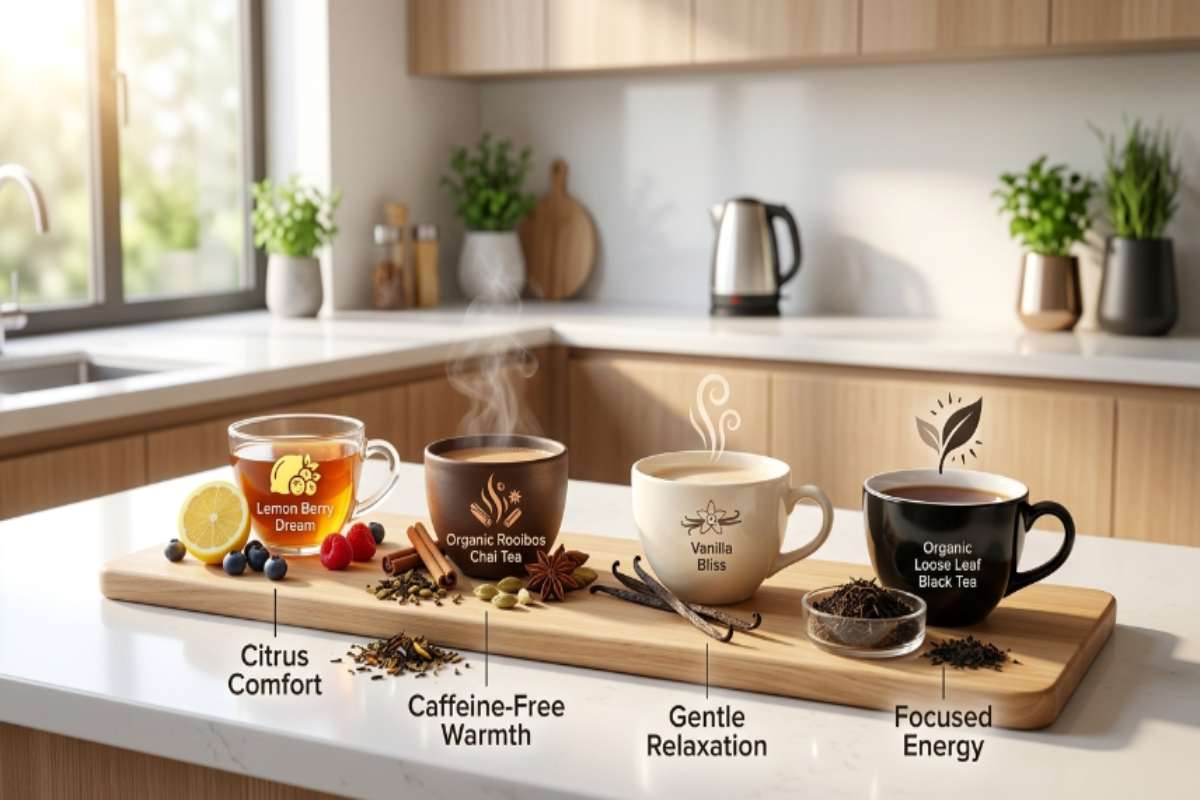
Lemon Berry Dream Bright, Citrus Forward and Soothing
Lemon Berry Dream is the most versatile fever tea in the Vocal Leaf lineup and for most people dealing with fever plus throat irritation, congestion, or general malaise, it is the first cup to reach for. Its flavor profile is built around citrus, lemon peel, orange peel, freeze dried lemon granules and marigold blossoms, which gives it a brightness that cuts through the heavy, foggy feeling that illness produces. When everything tastes flat and your appetite has disappeared, and Lemon Berry Dream Tea is the cup that still tastes like something worth drinking.
The citrus character also serves a functional purpose during illness. Citrus compounds stimulate saliva production, which naturally coats and lubricates an irritated throat, a meaningful benefit when fever and sore throat are occurring together. The apple pieces and cinnamon in the blend add a softness that rounds out the citrus edge, making it smooth enough to sip even when your throat is at its most sensitive.
Steep at 203–212°F for 10–12 minutes. It can be brewed hot or iced, but during fever, hot is the right choice, you need the warmth as much as the hydration. Naturally caffeine free, never chemically decaffeinated.
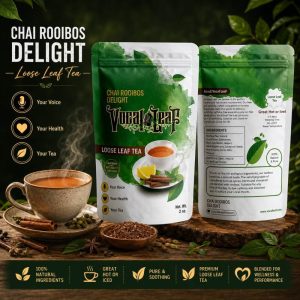
Organic Rooibos Chai Tea Warming and Naturally Caffeine Free
Organic Rooibos Chai Tea is the heavyweight of the Vocal Leaf fever lineup, the cup to make when chills are present, body aches are significant, or you need something that feels genuinely restorative rather than merely soothing. Rooibos brews into a full bodied, rich base with a natural sweetness and depth that most herbal teas cannot match and the chai profile layered over it adds a warming character that engages the senses in a way that lighter teas simply do not.
Rooibos is also one of the most antioxidant dense herbal bases available. Research published in Food Chemistry identified rooibos as containing aspalathin and nothofagin, two flavonoids unique to the plant, which demonstrated antioxidant activity that supports the body defenses during periods of physiological stress. Fever is exactly that kind of stress and a tea that delivers this compound profile while also being naturally caffeine free, never chemically decaffeinated, is doing more than keeping you hydrated.
The caffeine free status matters specifically for evening use. Fever recovery depends heavily on sleep quality, your immune system most intensive repair work happens during deep sleep phases and and Organic Rooibos Chai Tea can be brewed and consumed at any hour without disrupting that process.
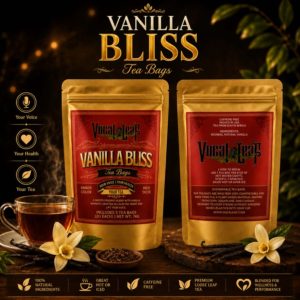
Vanilla Bliss Gentle, Comforting and Easy on a Taxed System
Vanilla Bliss occupies a specific and important role in fever recovery that the other teas do not fully cover, it is the cup for when everything feels like too much. When your stomach is unsettled, your throat is raw, your taste is off and the idea of anything sharp, citrusy, or boldly flavored is unappealing, and Vanilla Bliss is the tea that still works. Its smooth, soft vanilla character is the least demanding flavor profile in the lineup, warm without being spicy, sweet without being cloying and gentle enough that it goes down easily even when swallowing is uncomfortable.
This makes Vanilla Bliss particularly valuable in two specific fever scenarios. The first is the acute high fever phase, when nausea is a factor and your tolerance for sensory input is at its lowest, a smooth, undemanding cup is easier to keep drinking consistently than a more complex or assertive one. The second is the tail end of illness, when the fever has broken. Still, fatigue, throat soreness and general depletion linger for days afterward. During that recovery window, Vanilla Bliss is the cup that provides comfort without demanding anything from a system that has already given a great deal. Naturally caffeine free, never chemically decaffeinated. Brew it before bed. Keep it on the nightstand.
Organic Loose Leaf Black Tea For When You Need Gentle Caffeine Support
Organic Loose Leaf Black Tea is the one caffeinated option in the Vocal Leaf lineup and it earns its place in the fever context for a specific reason, recovery days. The acute phase of fever, when your body temperature is elevated and your immune system is running at full intensity, is not the time for caffeine. But the days that follow, when the fever has resolved and you are left with the heavy fatigue of post illness depletion, are a different situation. Getting back to normal function requires some degree of engagement with the day and a cup of clean, properly brewed black tea provides that gentle lift without the jitteriness or intensity of coffee.
Black tea also contains L theanine, an amino acid that modulates how caffeine is absorbed and experienced. Rather than a sharp spike followed by a crash, the caffeine in black tea, mediated by L theanine, tends to produce a steadier, calmer alertness. A 2008 study in Psychopharmacology found that the combination of caffeine and L theanine improved attention and focus more effectively than caffeine alone, with fewer of the anxiety and adjacent side effects. For someone climbing out of several days of illness related fatigue, that profile is meaningfully more useful than a strong coffee.
The practical guidance, hold and Organic Loose Leaf Black Tea until your fever has fully resolved, then use it as your morning cup during recovery days when you need to begin re engaging while still supporting your body return to full function.
Conclusion
When your body is running a fever, the decisions that matter most are the simple ones, stay warm, rest and keep fluids moving consistently. The best tea for fever is the one that makes that last part easy, warm, naturally caffeine free, clean in its ingredients and flavorful enough that you actually want to keep drinking it through the hours and days that recovery demands. Vocal Leaf loose leaf teas, Lemon Berry Dream, Organic Rooibos Chai Tea, Vanilla Bliss and Organic Loose Leaf Black Tea, are built precisely for this kind of moment, giving you a full range of options across symptom types, flavor preferences and times of day so that hydration never becomes a chore when your body can least afford the shortfall. If you are stocking up before fever season or restocking after a rough week of illness, and Vocal Leaf is the place to start.
Frequently Asked Questions (FAQs)
What is the best tea for fever?
The best tea for fever is a warm, naturally caffeine free loose leaf herbal tea that supports hydration without the diuretic effect of caffeine. Vocal Leaf Lemon Berry Dream, Organic Rooibos Chai Tea and Vanilla Bliss are all strong choices depending on your specific symptoms.
What tea is good for fever and chills?
When chills are present, reach for something warm and full bodied, Organic Rooibos Chai Tea is the strongest choice because its rich, deeply warming character helps ease the muscular tension that shivering produces. Vanilla Bliss is the gentler alternative if your stomach is unsettled alongside the chills.
Is hot tea good for a fever or does it make it worse?
Hot tea actively helps during fever, it replaces fluid lost to sweating, delivers warmth that eases chills and throat irritation and keeps mucous membranes hydrated. The key is choosing a naturally caffeine free option, since caffeinated teas have a mild diuretic effect that works against the hydration your body needs most.
Is caffeine free tea better when you have a fever?
Yes, significantly. Fever accelerates fluid loss and caffeine increases it further by signaling the kidneys to excrete more fluid. A tea that is naturally caffeine-free, never chemically decaffeinated, keeps every sip contributing to hydration rather than partially offsetting it, which is why it is the clear choice during illness.
What tea should I drink if I have a fever and sore throat?
Lemon Berry Dream is the standout option for this combination, its citrus profile stimulates saliva production that naturally coats and soothes an irritated throat, while its smooth character makes it easy to swallow even when throat pain is significant. Vanilla Bliss is the right backup when your throat is too raw for anything with brightness.
What tea is good for hay fever?
For hay fever, prioritize a naturally caffeine free herbal tea that soothes throat irritation and supports hydration without introducing new allergen variables during a period when your immune system is already hyperreactive.
Top Selling Products




Best Tea for Singers | What Actually Helps Your Voice
If you sing, whether you perform professionally, teach voice lessons, or spend your weekends in rehearsal, you’ve probably wondered whether tea actually does anything useful…

Best Tea for Vocal Cords | Herbs, Hydration and Recovery
If your voice feels tired, strained, or dry, the right tea for your vocal cords can make a real difference, not by healing damaged tissue,…
Best Tea for Laryngitis | Soothe Your Voice Naturally
The best tea for laryngitis is a warm, caffeine free loose leaf blend that hydrates the throat and eases the strain on inflamed vocal cords.…

What Is Chai Tea? The Ultimate Guide to Ingredients, Benefits, Types & How It’s Made
If you’ve ever wondered what chai tea is, you’re not alone. It’s one of the most searched beverage questions online, yet the answer is often…

Best Tea for Your Voice | Does It Make You Sound Deeper
What it can do is change how your voice feels and sounds in the moment, which is where most of the confusion starts. If you…

The Best Tea for Performers & Speakers, And Why Your Voice Deserves Better
You spend hours rehearsing the words. You perfect the tone, the breath, the timing. But then you reach for whatever is nearby, a cup of…
Best Tea for Stress Relief | Calming Loose Leaf Blends
Stress is something everybody carries. It shows up in tight shoulders, restless nights, and a mind that won’t quiet down after a long day. And…

Best Tea for Dry Throat | The Teas That Help and the Ones That Hurt
The best teas for a dry throat are caffeine-free herbal blends, teas with no tannins to strip moisture from the throat lining and no caffeine…
Best Teas for Acid Reflux, Heartburn and GERD
Acid reflux doesn’t just cause heartburn. If you have searched for tea good for acidity, you are asking the same question, acidity and acid reflux…

Best Morning Tea for Energy and Focus Without Coffee Crash
The best tea to drink in the morning is black tea if you want steady, coffee level energy without the crash, rooibos chai if you…

Best Tea for Cough | The Complete Guide to Soothing Relief
The best tea for cough relief is a warm, hydrating blend that soothes irritated throat tissue while easing the reflex that triggers coughing in the…

Best Teas for a Cold That Actually Work
Best teas for a cold combines warmth, hydration and gentle steam to ease congestion, calm a scratchy throat and help your body rest while it…