Vocal Leaf

Best Teas for a Cold | What to Drink for Every Symptom, from Congestion to Sore Throat

Best Teas for a Cold

There’s something instinctive about reaching for a warm mug the moment you feel a cold coming on. That instinct, it turns out, is backed by more than comfort. The right tea can ease congestion, soothe a raw throat, calm inflammation, and help your body do what it’s already trying to do: recover.

But not every tea works the same way, and when you’re sick, you don’t want to guess. The best tea for a cold depends on what’s actually bothering you. A head cold calls for something different than a chest cold. A dry, scratchy throat needs a different kind of relief than a stuffy nose. And if you’re pregnant, the calculus shifts again entirely.

This guide cuts through the noise. Whether you’re dealing with full-blown cold and flu symptoms, trying to head something off before it takes hold, or just looking for a warm drink that genuinely helps, you’ll find the right answer here, matched to exactly what your body needs right now.

Why Tea Actually Helps When You Have a Cold

Before diving into which teas work best for specific symptoms, it’s worth understanding why tea works at all. Because it isn’t just about warmth or ritual, there’s real physiological reasoning behind why a well-chosen cup can move the needle when you’re sick.

The Science of Steam, Hydration, and Recovery

When you have a cold, your body is working overtime. Your immune system is mounting a response, your mucous membranes are inflamed, and dehydration quietly makes everything worse: headaches intensify, congestion thickens, and recovery slows.

Hot tea addresses several of these problems at once. The steam rises directly into your nasal passages, loosening congestion and making it easier to breathe. The warmth soothes irritated throat tissue on contact. And the act of drinking warm liquid keeps you hydrated in a way that feels manageable even when your appetite and energy are gone.

It’s a simple mechanism, but the compounding effect is real. Staying well-hydrated during a cold shortens the duration and severity of symptoms, and hot tea is one of the most effective ways to do so comfortably.

Tea Actually Helps When You Have a Cold

Key Compounds in Tea That Support Immune Response

Hydration alone doesn’t explain why certain teas outperform plain hot water when you’re sick. The difference lies in what’s dissolved in the cup.

True teas, black, green, white, and oolong, are rich in polyphenols, a class of antioxidants that help reduce oxidative stress and inflammation in the body. Green tea in particular contains EGCG (epigallocatechin gallate), one of the most studied antioxidant compounds in food science, with documented effects on immune function.

Many teas also contain L-theanine, an amino acid that supports calm, focused energy without the jitteriness of caffeine alone. When you’re sick and exhausted, that balance matters; you want rest, not stimulation, but you also don’t want to feel completely flattened.

Herbal teas bring their own active compounds to the table. Ginger contains gingerols and shogaols, which have measurable anti-inflammatory and antinausea properties. Echinacea has been studied for its potential to reduce the duration of colds. Elderberry is loaded with flavonoids that support immune defense. Each herb contributes something specific, which is why matching the tea to the symptom matters as much as simply drinking something warm.

Hot Tea vs. Cold Tea, Which Works Better When You’re Sick?

The short answer: hot, almost always.

A study published in Rhinology found that hot drinks provided immediate, sustained relief from cold symptoms, including runny nose, cough, sneezing, sore throat, and fatigue, compared to the same drink consumed at room temperature. The steam effect, the warmth on throat tissue, and the sensory comfort all contribute to that response.

Cold tea still delivers antioxidants and hydration, and if a sore throat is severe, a cooled or room-temperature tea can sometimes feel more soothing than something scalding. But for symptom relief, especially congestion and throat discomfort, hot tea is the clear choice. Drink it warm, sip it slowly, and let the steam do part of the work.

The Best Teas for a Cold, Ranked by Symptom

Not all colds feel the same, and not all teas work the same way. The best tea for a cold depends almost entirely on what’s making you miserable, and getting that match right is the difference between real relief and just drinking something warm. Here’s what to reach for based on what your body is actually dealing with.

Best Teas for a Cold Symptom

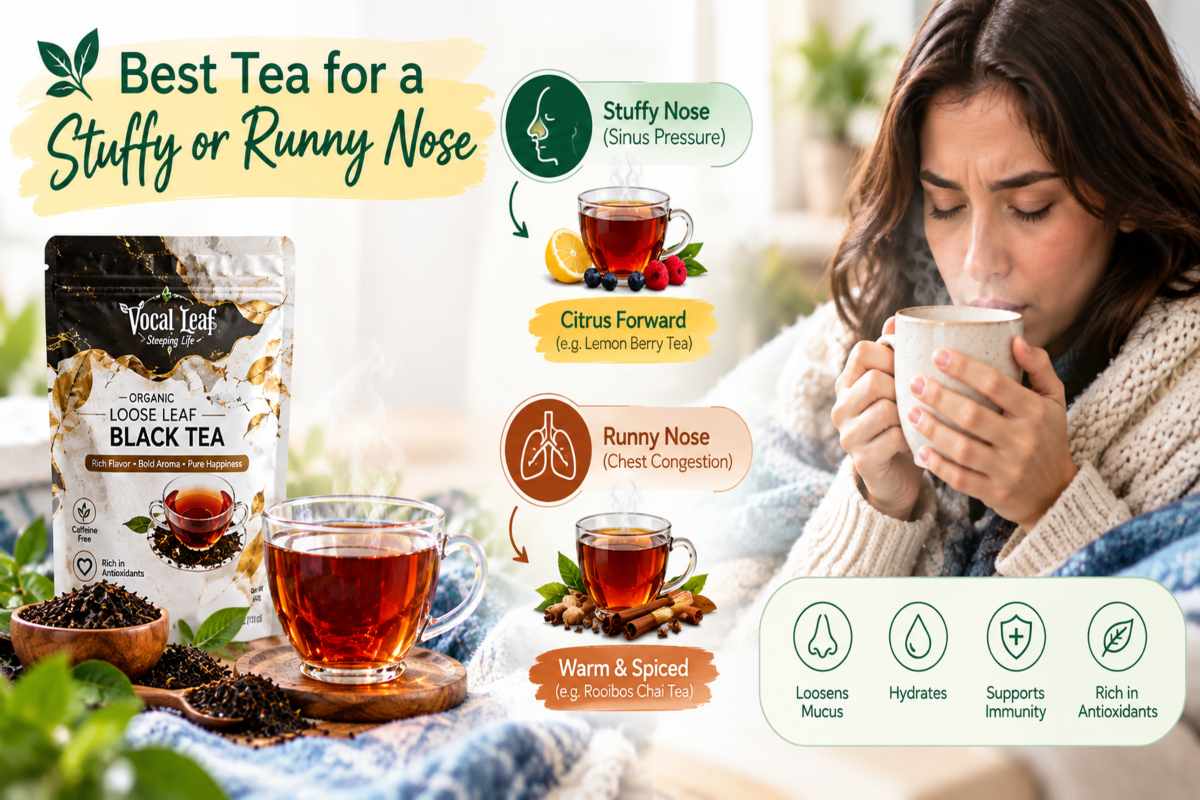
Best Tea for a Stuffy Nose and Congestion

When congestion is the main event, you need a tea that works on two levels: the steam that clears your nasal passages as you drink, and the active compounds that reduce the underlying inflammation causing the blockage.

Peppermint tea is the frontrunner here. Menthol, the primary compound in peppermint, is a natural decongestant that creates an immediate cooling, opening sensation in the nasal passages. It doesn’t actually reduce mucus production, but it makes breathing feel dramatically easier, which matters enormously when you can’t get comfortable enough to sleep.

Eucalyptus tea, or any blend that contains eucalyptus, delivers a similar effect. The compound cineole has been studied for its ability to reduce sinus inflammation and loosen mucus. If you can find a blend that combines peppermint and eucalyptus, you’re getting the most effective one-two punch available in a cup.

Ginger tea earns a place here, too. Its anti-inflammatory properties work on the swollen tissue lining your sinuses, and the steam’s warmth helps shift stubborn congestion. Add a spoonful of raw honey and a squeeze of lemon, honey coats and soothes, while lemon’s vitamin C gives your immune system quiet support in the background.

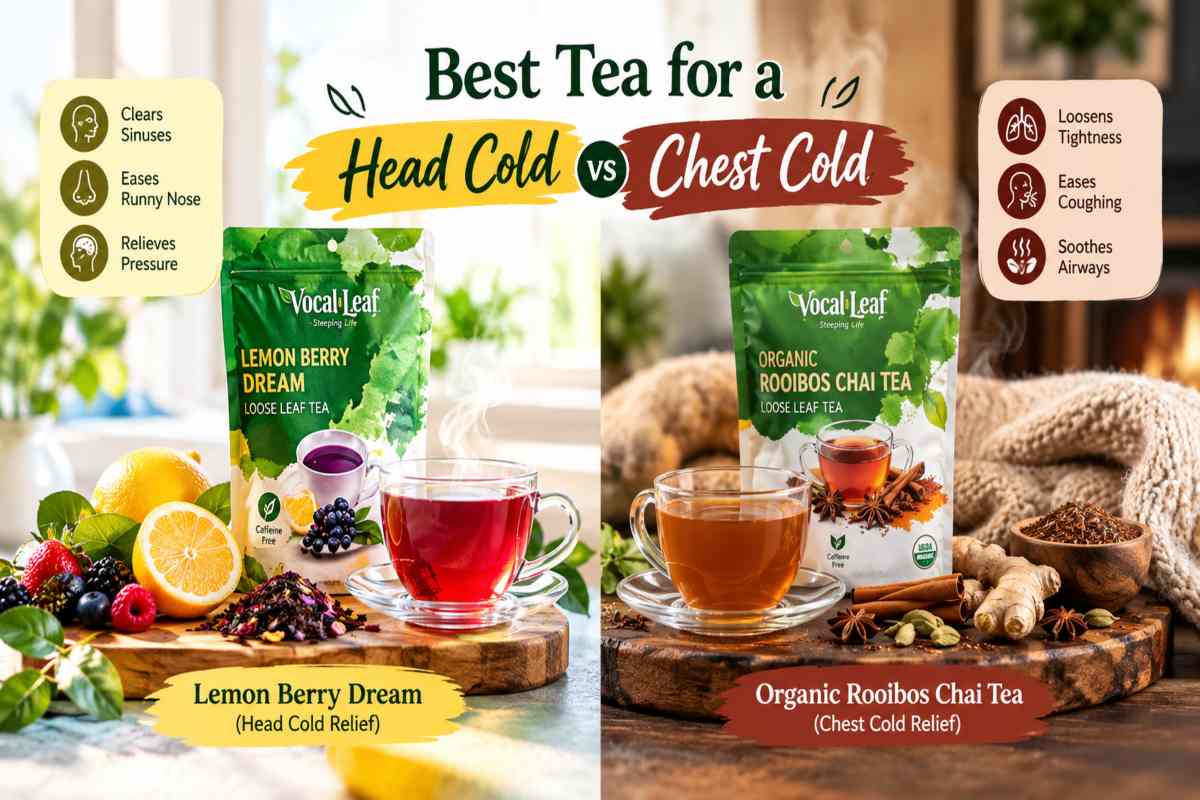
Best Tea for a Head Cold

A head cold sits behind your eyes, across your forehead, and deep in your sinuses. The pressure can be relentless, often accompanied by congestion, fatigue, and a general feeling of heaviness that makes it hard to think clearly.

The best tea for a head cold needs to address both the sinus congestion and the inflammation driving the pressure. Ginger tea is the most effective single option; gingerols and shogaols reduce inflammation, ease headache pain, and warm you from the inside, genuinely shifting how you feel within a cup or two.

Peppermint is equally effective for relieving a head cold. The menthol helps open sinus passages, and there’s evidence that peppermint has mild analgesic properties that can take the edge off tension headaches and sinus pressure headaches alike.

For a head cold that’s also draining your energy, a green tea with ginger is worth considering. You get the polyphenols and a modest caffeine lift, enough to function, alongside the anti-inflammatory benefits of ginger. Just keep it to one cup if you’re planning to rest, and avoid it in the evening.

Best Tea for a Chest Cold

A chest cold is its own category of miserable. The congestion has moved down, breathing feels labored, and a persistent cough drains energy that your body desperately needs for recovery. What you drink matters more here, not less.

Thyme tea is underrated and genuinely effective for chest colds. Thyme contains thymol and carvacrol, compounds with demonstrated antimicrobial and expectorant properties that help loosen mucus in the bronchial passages and make it easier to cough productively. It’s been used in European herbal medicine for respiratory complaints for centuries, and research increasingly supports its use.

Licorice root tea is another strong option for chest congestion. It acts as a natural expectorant and has a soothing, slightly sweet taste that makes it easy to drink even when your appetite is gone. It also has mild antiviral properties, making it a legitimate choice for cold and flu symptom relief.

Mullein tea, less common but worth seeking out, has been used specifically for respiratory health and is thought to help clear mucus from the lungs. For a lingering chest cold, it’s one of the most targeted herbal options available.

Avoid heavy black tea or anything highly caffeinated when a chest cold has you coughing and fatigued. Your body needs rest far more than stimulation at this stage.

Best Tea for a Sore Throat and Dry Throat

A sore or dry throat is one of the most common cold symptoms, and it’s also one of the most directly treatable with tea. The key is coating and calming the irritated tissue, not just warming it.

Licorice root tea is exceptional here. It creates a natural coating effect on throat tissue, reduces inflammation, and has a mild analgesic quality that genuinely dulls the sting of a raw throat. It’s one of the few herbal teas where you’ll notice the relief almost immediately.

Slippery elm tea works through a similar mechanism. The inner bark of the slippery elm tree contains mucilage, a gel-like substance that coats and protects irritated mucous membranes. Singers and voice professionals have relied on it for generations precisely because the coating effect is real and sustained.

Chamomile tea earns its place for sore throat relief through a different pathway. It’s anti-inflammatory and mildly analgesic, and its gentle flavor makes it easy to sip repeatedly throughout the day. Add honey, not just for taste, but because honey has documented antimicrobial properties and forms its own soothing layer on irritated throat tissue.

For a dry throat specifically, hydration is as important as the tea itself. Drinking warm, not scalding or boiling liquid, as hot liquid can further irritate already sensitive tissue. Sip slowly, breathe the steam, and let the tea do its work.

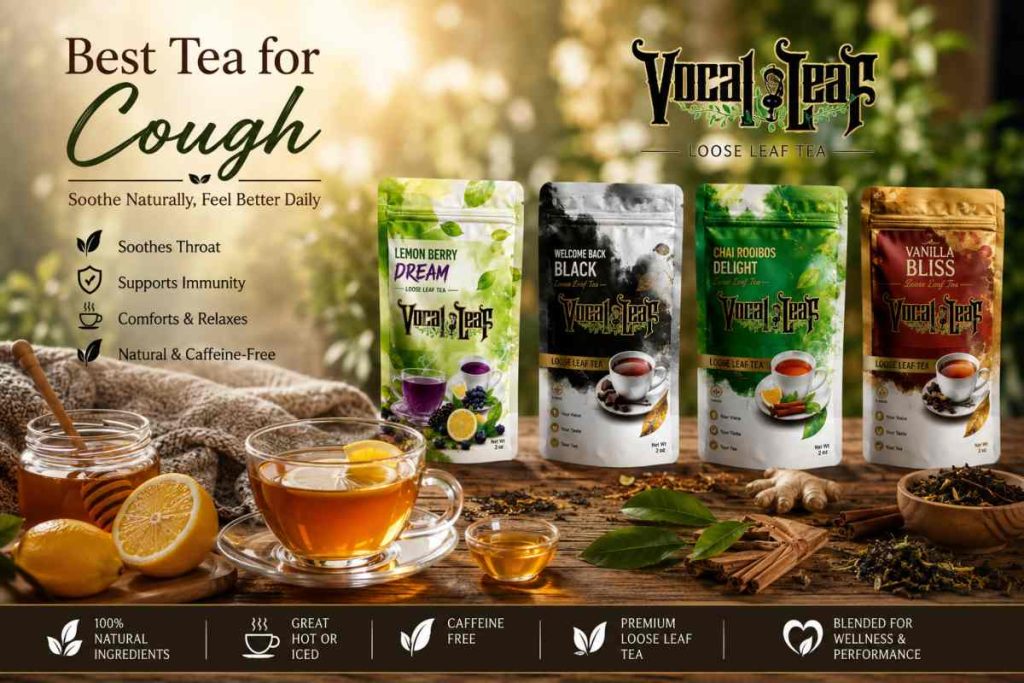
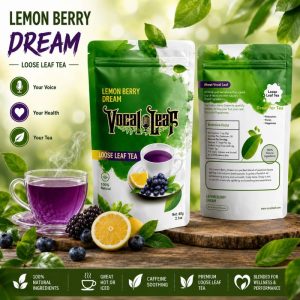
From Vocal Leaf: Lemon Berry Dream was formulated with throat comfort in mind. The brightness of lemon, paired with a naturally smooth berry base, makes it one of the most pleasant teas to sip when your throat is sore, and the citrus notes support immune function as you recover.

Best Tea for Cold and Fever

When a cold comes with a fever, your body is doing exactly what it’s supposed to, raising its internal temperature to create an inhospitable environment for the virus. Your job is to support that process, stay hydrated, and avoid anything that works against it.

Elderberry tea is one of the best choices when a fever accompanies cold symptoms. Elderberries are rich in flavonoids that have been shown to interfere with viral replication and support immune response. There’s a reason elderberry has become one of the most well-researched natural remedies for cold and flu; the evidence base is stronger than most herbal options.

Ginger tea again earns a mention here. It promotes gentle sweating, which helps regulate body temperature naturally, and its anti-inflammatory properties address the systemic inflammation that often accompanies a fever.

Yarrow tea is a traditional fever remedy that works through a similar diaphoretic (sweat-inducing) mechanism. It’s less commonly found in mainstream blends, but if you come across it, it’s a genuinely effective option for both cold and fever.

Whatever tea you choose when you have a fever, prioritize hydration above all else. Drink more than you think you need. Fever accelerates fluid loss, and dehydration can significantly slow your recovery.

Best Tea for a Cold and Runny Nose

A runny nose is your immune system actively working; the increased mucus production is designed to trap and flush the virus out. That doesn’t make it any less exhausting to deal with, and the right tea can help reduce the inflammation driving excess mucus without shutting down the process entirely.

Nettle leaf tea is one of the most effective options for a runny nose. It acts as a natural antihistamine, helping calm the inflammatory response in the nasal passages without the drowsiness associated with over-the-counter antihistamines. For cold symptoms that overlap with any seasonal allergy component, nettle is particularly well-suited.

Peppermint tea helps here too, primarily through its menthol effect, which reduces the sensation of nasal dripping and makes breathing feel more manageable. It won’t stop a runny nose, but it makes the experience significantly more bearable.

Ginger and honey together, whether in a dedicated ginger tea or as additions to another base, have a mild astringent, anti-inflammatory effect that can reduce mucus overproduction over the course of a day of consistent drinking.

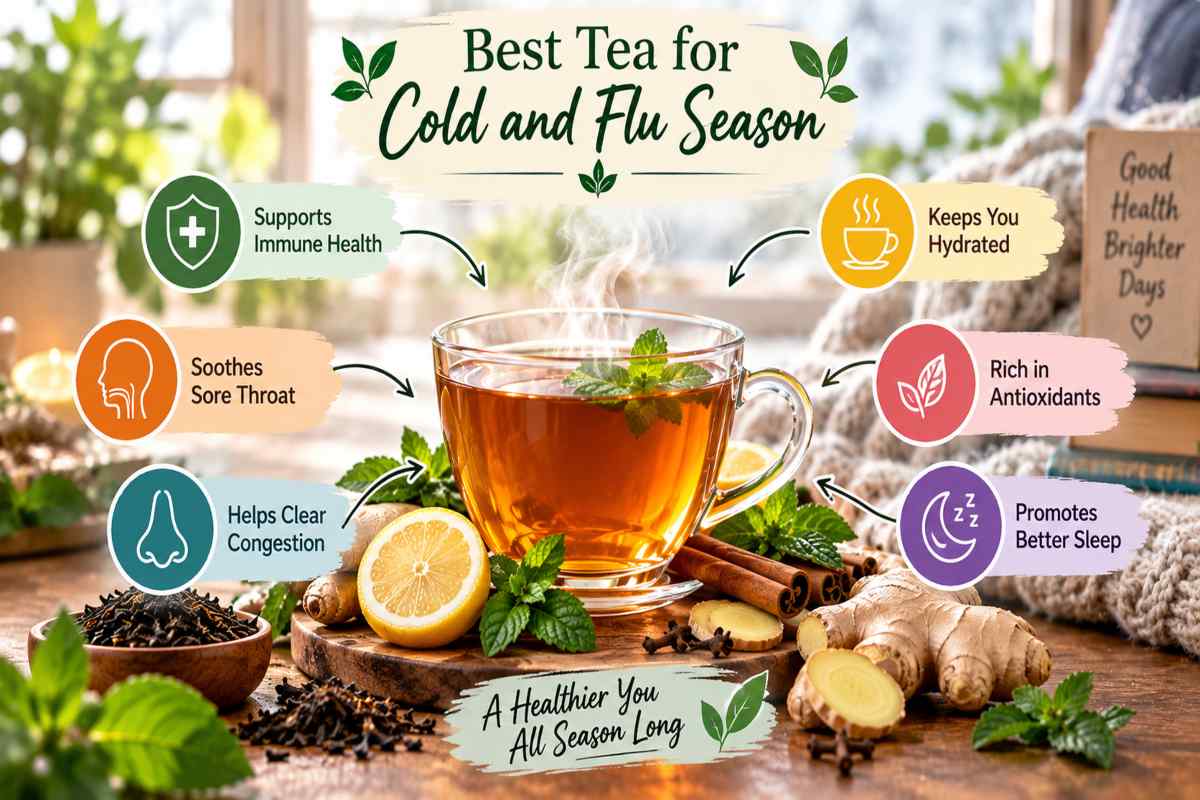
Best Tea for Cold and Flu Symptoms Together

When you can’t tell if you have a cold or the flu, or when the symptoms have merged into one relentless wave of feeling awful, you need a tea that offers the broadest possible range of symptom relief.

The most versatile combination is ginger, lemon, and honey in a strong herbal base. Whether that’s a ginger-forward herbal blend, a green tea with ginger, or simply fresh ginger steeped with lemon and honey, this combination addresses inflammation, hydration, throat comfort, and immune support in a single cup.

Echinacea tea is worth adding to your rotation when cold and flu symptoms are hitting hard. The research on echinacea is mixed but leans positive, particularly for reducing the duration and severity of upper respiratory infections when started at the first sign of symptoms. It works best as a short-term intervention, not a long-term daily drink.

For evenings, when you want symptom relief without anything that will keep you awake, a chamomile and elderberry blend, or any caffeine-free herbal blend built around those two, gives you immune support and genuine relaxation in one cup. Rest is one of the most powerful recovery tools available, and a tea that helps you get there is doing real work.

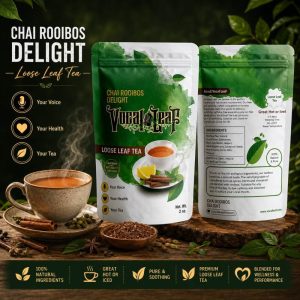
From Vocal Leaf: Organic Rooibos Chai is naturally caffeine-free, warming, and made with a rooibos base rich in antioxidants. It’s the tea we’d reach for at the end of a long, sick day when you need something that feels restorative without keeping you wired at midnight.

The Best Herbal Teas for a Cold

If you’re wondering which herbal tea is best for a cold, the honest answer is that it depends on what you’re working with, but herbal teas as a category have a genuine edge over standard teas when you’re sick. They’re naturally caffeine-free, which means you can drink them throughout the day and into the evening without disrupting the sleep your body desperately needs to recover. And unlike black or green tea, which support immunity through polyphenols and antioxidants, herbal teas deliver targeted active compounds, each herb bringing something specific to the fight.

Best Herbal Teas for a Cold

Here are the most effective herbal teas for cold and flu symptoms, and what each one actually does.

Our Top Picks from Vocal Leaf

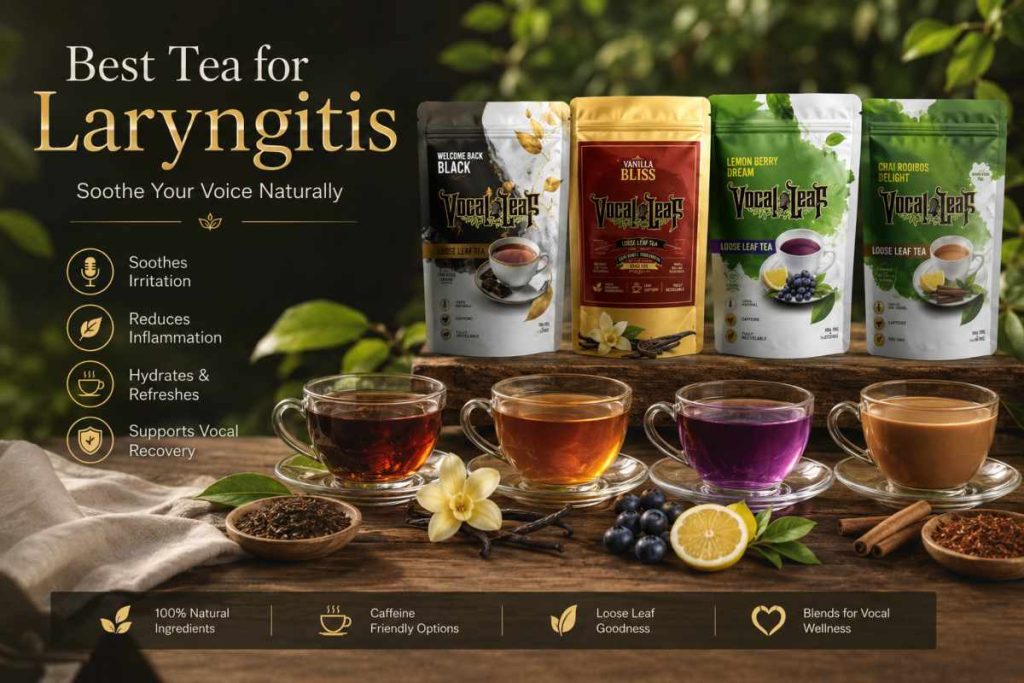
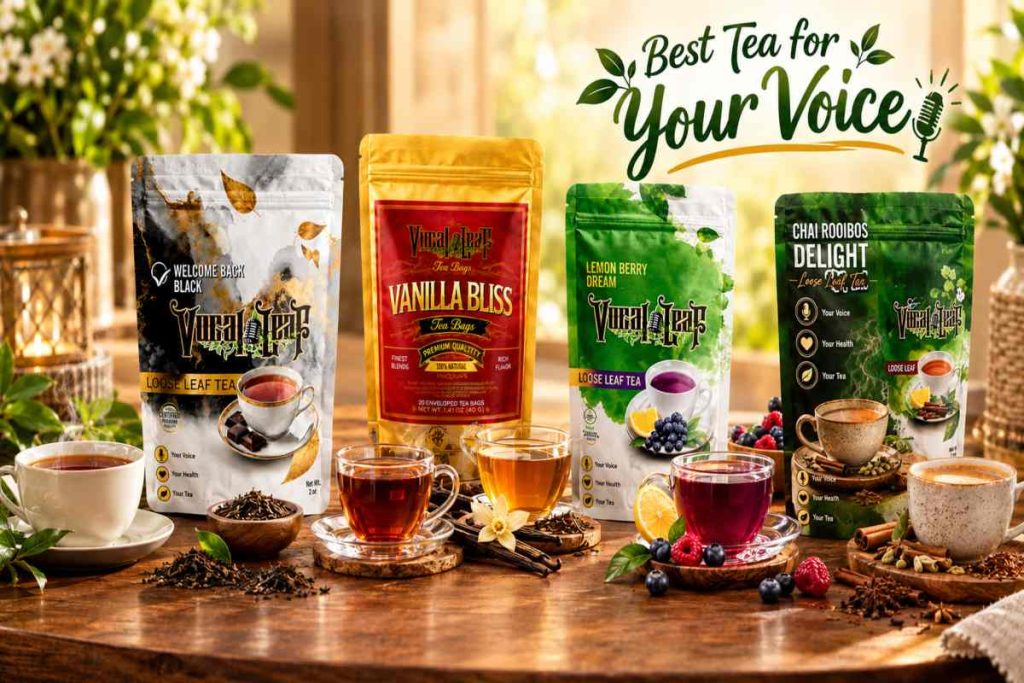
Understanding which herbal ingredients work best for a cold is one thing; finding blends that are actually worth drinking when you feel terrible is another. These three Vocal Leaf teas have earned their place in a sick-day rotation not because they’re marketed for illness, but because the ingredients genuinely deliver, and the experience of drinking them is exactly what you need.

Lemon Berry Dream, Bright Citrus for Sore Throat and Congestion

When your throat is raw, and your nose is blocked, you want something that cuts through, something bright and alive that reminds you a cup of tea can actually feel good even when you don’t. Lemon Berry Dream does that. The citrus forward profile delivers a clean hit of vitamin C-adjacent brightness, the berry base soothes on the way down, and the combination makes it the easiest tea to keep reaching for throughout a long sick day. It works particularly well hot, with a small spoonful of raw honey stirred in.

Organic Rooibos Chai, Caffeine-Free Warming Blend for Overnight Recovery

Rooibos is one of the best base teas for a cold precisely because it asks nothing of you. No caffeine, no bitterness, no reason to limit how much you drink or when. The chai spice profile, warm with ginger, cinnamon, and clove, adds genuine anti-inflammatory value on top of rooibos’s naturally high antioxidant content. This is the tea for the end of a hard, sick day, when you want something warming and restorative that won’t keep you awake at midnight when your body most needs to heal.

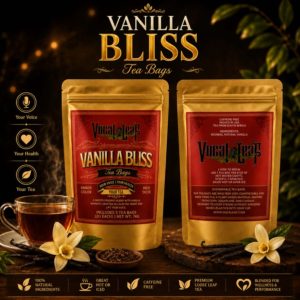
Vanilla Bliss, Gentle Herbal Comfort When You Need Rest

Sometimes a cold doesn’t call for aggressive symptom-fighting. It calls for comfort, something warm, quiet, and easy that wraps around you while you rest on the couch. Vanilla Bliss is that tea. Its gentle herbal base with soft vanilla warmth is the kind of thing you sip slowly without thinking too hard about it, which is exactly the right energy for a recovery day. Naturally caffeine-free, smooth, and genuinely soothing, it’s the tea that makes resting feel like something you chose rather than something the cold forced on you.

Ginger Tea, The Anti-Inflammatory Frontrunner

Ginger is the most well-rounded herbal option for a cold, and it’s not particularly close. The active compounds, gingerols and shogaols, reduce systemic inflammation, ease nausea (which sometimes accompanies a bad cold or flu), and create a deep internal warmth that feels genuinely therapeutic when you’re chilled and achy.

For congestion and sinus pressure specifically, ginger’s anti-inflammatory properties help reduce swelling in the nasal passages. For a sore or dry throat, it soothes on the way down. For cold and flu symptoms together, it’s the most versatile single ingredient you can steep.

Fresh ginger root steeped in hot water with honey and lemon is the most effective preparation; you get more of the active compounds than most tea bags deliver. But a high-quality loose leaf ginger blend works well and is far more convenient when you’re not feeling up to much.

Tulsi (Holy Basil) Tea, Adaptogenic Immune Support

Tulsi, or holy basil, is one of the most respected herbs in Ayurvedic medicine, and its application to cold and respiratory illness is well-founded. It contains eugenol, rosmarinic acid, and a range of other compounds with documented antimicrobial and anti-inflammatory properties.

What makes Tulsi particularly useful during a cold is its adaptogenic quality; it helps regulate the body’s stress response, which matters because physical illness is a genuine stressor that can prolong recovery if the body stays in a heightened inflammatory state. Tulsi helps modulate that response while simultaneously supporting immune function.

It has a warm, slightly clove-like flavor that blends naturally with ginger or honey, and it’s gentle enough to drink multiple times a day. For a common cold that’s dragging on, Tulsi is one of the best herbal teas to add to your rotation.

Echinacea Tea, Traditional Cold Remedy with Research Behind It

Echinacea is one of the most studied herbs for upper respiratory infections, and the evidence is more supportive than its skeptics suggest, particularly when used at the first sign of symptoms rather than after a cold is fully established.

It works by stimulating immune cell activity and has shown consistent results in reducing both the duration and severity of cold symptoms in clinical trials. It’s best used as a short-term intervention, a week or two at the onset of illness, rather than a year-round daily tea.

The flavor is earthy and mild, and it pairs well with elderberry or honey-based blends. If you feel something coming on and want the best herbal tea to fight a cold before it fully takes hold, echinacea is where you start.

Elderberry Tea, Antioxidant-Rich Immune Defense

Elderberries contain some of the highest concentrations of flavonoids found in any common fruit or herb, and those flavonoids have been shown to interfere with viral replication and reduce the severity of cold and flu symptoms. The research base here is among the strongest of any herbal remedy.

Elderberry tea is particularly well-suited when cold symptoms overlap with flu-like symptoms, body aches, fatigue, and fever, because its antiviral properties are more broad-spectrum than many single-herb options. It has a pleasant, slightly tart berry flavor that makes it genuinely enjoyable to drink even when you have no appetite for much else.

Peppermint Tea, Natural Decongestant

Peppermint’s value during a cold is covered extensively in the symptom section above. Still, it earns its place on any herbal cold remedy list for one simple reason: nothing else delivers decongestant relief as quickly or effectively in tea form. The menthol opens nasal passages, eases sinus pressure, and makes breathing feel possible again when congestion is at its worst.

It’s also naturally caffeine-free, mildly analgesic, and settles an upset stomach, a useful secondary benefit when a cold or flu is affecting your digestion.

Chamomile Tea, Rest and Recovery

Chamomile doesn’t fight a cold aggressively, but it supports the single most important recovery mechanism available: sleep. It contains apigenin, an antioxidant that binds to receptors in the brain associated with relaxation and sleep initiation. A cup of chamomile tea in the evening won’t knock you out, but it creates the physiological conditions that make restful sleep more likely.

It’s also gently anti-inflammatory and mildly analgesic, which takes the edge off sore throat discomfort and body aches without any stimulants that would work against you at night. For the best herbal tea to drink when you have a cold and need to sleep, chamomile is the clear answer.

Best Tea for a Cold and Flu: Is There a Difference?

People use “cold” and “flu” interchangeably, but your body experiences them very differently, and if you’re choosing a tea actually to help, that distinction matters

.Best Tea for a Cold and Flu

Cold vs. Flu Symptoms and What Your Body Needs

A common cold typically builds gradually. You’ll notice a scratchy throat first, then a runny nose, congestion, and maybe a mild headache. Fatigue is present but manageable. You feel off, but you can usually function.

The flu hits differently. It arrives fast, often within hours, and brings a more aggressive set of symptoms: high fever, significant body aches, deep fatigue, chills, and sometimes nausea or vomiting. Your body isn’t just fighting a localized respiratory infection; it’s mounting a full systemic immune response, and you feel every bit of it.

What this means practically is that a cold primarily calls for targeted relief, something that addresses congestion, soothes the throat, and keeps you hydrated. The flu calls for broader, deeper immune support, fever management, anti-inflammatory action throughout the body, and, above all, rest and consistent hydration. The stakes are higher, the inflammation is more systemic, and what you drink should reflect that.

Which Teas Overlap for Both

The good news is that the most effective teas for cold and flu symptoms share many common traits. You don’t need a completely different medicine cabinet for each; you need to understand which teas belong on both lists and why.

Ginger tea belongs at the top of both. Its anti-inflammatory properties work whether the inflammation is localized to your sinuses or systemic across your whole body. It helps regulate temperature, eases nausea, soothes a sore throat, and keeps you warm when chills are making everything worse. It’s the single most versatile tea for cold or flu, full stop.

Elderberry tea is equally at home on both lists, arguably more so for flu than cold, given the strength of its antiviral research. When you’re dealing with cold and flu symptoms together, or genuinely can’t tell which you have, elderberry is the one to reach for first.

Echinacea works for both conditions when started early. Its mechanism, which stimulates immune cell activity, is relevant regardless of whether the pathogen is a rhinovirus causing your cold or an influenza strain causing your flu. The earlier you start it, the better it performs.

Peppermint crosses over naturally for congestion and fever. The cooling menthol effect provides relief whether your stuffiness is cold-related or flu-related, and the mild temperature-regulating sensation can help when fever is making you feel overheated and uncomfortable.

Chamomile is the universal closer for both the evening tea that helps you sleep, regardless of what’s causing the illness, because rest is the common denominator in every recovery.

When to Choose Caffeine-Free

This is simpler than most people make it out to be. When you’re sick, cold, or have the flu, caffeine-free tea should be your default, not your exception.

Caffeine is a mild diuretic, which means it works against the hydration your body needs most during illness. It also elevates cortisol and keeps your nervous system in a state of alertness that directly competes with the rest and sleep that drive recovery. A cup of green tea in the morning when you have a mild cold is unlikely to cause problems, but cycling through caffeinated teas all day when you have the flu is actively working against you.

The practical rule: if it’s past noon and you’re sick, choose a caffeine-free option. If your symptoms are severe, high fever, deep fatigue, significant body aches, go caffeine-free all day. Your body is running a resource-intensive operation, and it doesn’t need caffeine redirecting energy away from the immune response it’s trying to mount.

Rooibos-based blends are the best caffeine-free foundation for both cold and flu recovery. Rooibos is naturally caffeine-free, rich in antioxidants, and gentle enough to drink in unlimited quantities throughout the day and night. Pair it with warming spices like ginger and cinnamon, and you have something that genuinely supports recovery without the trade-offs of caffeinated teas.

Best Tea to Prevent a Cold Before It Starts

There’s a narrow window between feeling fine and feeling sick, that vague, uneasy stretch where your throat is slightly off, your energy is lower than it should be, and something just doesn’t feel right. Most people ignore it. That’s a mistake. That window is exactly when tea can do its most meaningful work.

Best Tea to Prevent a Cold Before It Starts

Teas to Drink When You Feel Something Coming On

When you feel a cold coming on, your immune system has already detected a threat and begun responding. What you do in the next 12 to 24 hours can genuinely influence whether that response succeeds or gets overwhelmed.

Echinacea is the most evidence-supported option at this stage. Studies consistently show it performs best when started at the very first sign of symptoms, not after a cold is fully established. A strong cup of echinacea tea at the first hint of a scratchy throat or unusual fatigue is one of the most proactive things you can do. Continue drinking it 2 to 3 times daily for the first few days to give your immune system a meaningful head start.

Elderberry tea belongs alongside it. Its flavonoid compounds have been shown to interfere with the replication and spread of certain viruses within the body. Starting elderberry early, before symptoms fully develop, is when its antiviral properties are most relevant. Think of it as closing a door while it’s still only slightly open.

Ginger tea with raw honey and lemon is the third pillar of an oncoming cold response. The ginger addresses early inflammation before it escalates, honey provides antimicrobial support and soothes any early throat irritation, and lemon contributes vitamin C alongside a brightness that makes the whole thing feel actively medicinal rather than passive. Drink it hot, drink it strong, and drink it often.

Daily Habits That Support Immune Health

Prevention isn’t only about what you do when you feel something coming, it’s about the baseline you maintain when you feel completely fine. Tea fits naturally into that baseline, but it works best when the surrounding habits support it.

Hydration is the foundation. A well-hydrated body maintains the function of mucous membranes, which act as the first physical barrier against viruses. Hot tea counts toward that hydration while delivering antioxidants and other active compounds that plain water doesn’t.

Consistency matters more than intensity. One strong cup of echinacea tea when you feel terrible is useful. Still, a daily cup of green tea, rooibos, or a ginger-forward herbal tea, sustained over weeks and months, builds a genuinely more resilient immune baseline. The antioxidants, polyphenols, and anti-inflammatory compounds in tea accumulate in their effect over time. This isn’t dramatic or immediate, but it’s real.

Sleep and stress management are the variables that most directly affect immune vulnerability, and both interact with tea in practical ways. Chamomile, rooibos, and other caffeine-free herbal blends in the evening support the quality of sleep that keeps your immune system functioning properly. Managing the caffeine-to-herbal ratio in your daily tea drinking, leaning more toward herbal as the day progresses, is a simple habit that pays dividends in resilience.

Ingredients to Look for in an Immunity-Focused Blend

Not all herbal teas are created equal for immune support, and label claims don’t always match what’s actually inside a blend. When choosing a tea specifically for cold prevention or immune health, look for these ingredients.

Echinacea remains the gold standard for short-term immune stimulation, particularly during high-exposure periods, winter months, travel, or whenever you know your resistance is likely to be tested.

Elderberry is the strongest antiviral option in the herbal world, and any immunity-focused blend that includes it is worth taking seriously. Look for elderflower or elderberry listed as a primary ingredient, not a trace addition buried at the end of the label.

Ginger and turmeric together form a powerful anti-inflammatory pairing. Turmeric’s active compound, curcumin, has broad anti-inflammatory and antioxidant properties that complement ginger’s more targeted action. A blend built around both is one of the best teas for preventing a cold.

Rosehips are among the richest plant sources of vitamin C and appear in many cold-prevention blends for good reason. They provide genuine immune-supporting nutrition, not just flavor.

Rooibos, as a base, is worth prioritizing over plain herbal fillers. It’s naturally rich in antioxidants, completely caffeine-free, and makes a strong foundation for any immunity blend you plan to drink consistently and in volume throughout the day.

When these ingredients appear together in a well-constructed loose leaf blend, you’re not just drinking something comforting; you’re giving your immune system consistent, layered support that adds up over the course of a cold and flu season.

Best Tea for a Cold During Pregnancy

Getting a cold while pregnant is its own particular frustration. Most of the over-the-counter remedies you’d normally reach for are off the table, your immune system is naturally suppressed to protect the pregnancy, and you’re already tired in ways that have nothing to do with being sick. Tea becomes one of the few genuinely useful tools available, but pregnancy adds a layer of consideration that matters.

Best Tea for a Cold During Pregnancy

What’s Safe and What to Avoid

The good news is that many of the most effective cold-relief teas are perfectly safe during pregnancy. The important thing is knowing which herbs require caution, because not everything sold as “natural” or “herbal” is appropriate when you’re expecting.

Teas to approach with caution or avoid entirely during pregnancy:

Echinacea sits in a gray area. Some midwives and practitioners consider short-term use acceptable; others recommend avoiding it due to insufficient safety data for pregnancy. If you’re considering echinacea while pregnant, this is a conversation to have with your OB or midwife rather than a decision to make independently.

Licorice root, effective as it is for sore throats, should be avoided during pregnancy. High consumption has been linked to adverse outcomes, including preterm labor. Even in tea form, it’s not worth the risk.

Elderberry’s safety during pregnancy hasn’t been established with enough certainty to recommend it confidently. Again, check with your provider before including it.

Peppermint tea in moderate amounts is generally considered safe, but very high doses are sometimes cautioned against in the first trimester. A cup or two when congestion is at its worst is unlikely to be problematic, but it’s not something to drink in large quantities throughout the day.

The general rule: if an herb is potent enough to have a meaningful medicinal effect, it’s potent enough to warrant checking its pregnancy safety profile before drinking it regularly.

Caffeine-Free Options That Still Deliver Results

The clearest guidance during pregnancy is to keep caffeine intake low; most guidelines suggest staying under 200mg per day from all sources combined. When you’re sick and need to drink tea consistently throughout the day, caffeine-free becomes the obvious choice, not just a preference.

The good news is that some of the most effective cold-relief teas are naturally caffeine-free and well-established as pregnancy-safe.

Ginger tea is the frontrunner, effective, well-researched, and one of the few herbal remedies with a genuinely strong safety record during pregnancy. Chamomile in moderate amounts is widely considered safe and supports recovery and rest, which matter enormously when you’re pregnant and sick. Lemon and honey in hot water, while not technically a tea, delivers soothing throat relief, vitamin C, and antimicrobial support with zero concerns.

Rooibos deserves particular attention here. It’s naturally caffeine-free, rich in antioxidants, gentle on the digestive system, and has no known contraindications during pregnancy. It’s arguably the best base tea for a cold while pregnant precisely because it asks so little of you while still delivering meaningful antioxidant support.

Ginger and Rooibos During Pregnancy

These two deserve their own moment because together they cover most of what a pregnant person needs when dealing with a cold.

Ginger has one of the strongest safety and efficacy profiles of any herb used during pregnancy. It’s been extensively studied as a remedy for pregnancy-related nausea, and that same antinausea, anti-inflammatory action translates directly to cold relief. It soothes a sore throat, eases congestion through its warming and anti-inflammatory properties, and settles a stomach that may already be unpredictable. Fresh ginger steeped in hot water with honey and lemon is as close to a universal pregnancy-safe cold remedy as exists in tea form.

Rooibos is the quiet workhorse of pregnancy-safe tea. Completely caffeine-free, naturally sweet, rich in antioxidants including aspalathin and quercetin, and gentle enough to drink from morning through evening without any concerns. When you need to stay hydrated, keep your antioxidant intake up, and drink something warm and comforting throughout a sick day, and you need all of that to be completely safe for your pregnancy, rooibos is the answer.

From Vocal Leaf: Organic Rooibos Chai combines a rooibos base with warming chai spices, including ginger and cinnamon, both well-tolerated during pregnancy and both genuinely useful for cold symptom relief. It’s naturally caffeine-free, smooth, and warming in exactly the way you need when you’re pregnant, sick, and running low on options.

As always, if you have any uncertainty about a specific tea or ingredient during pregnancy, your midwife or OB is the right person to ask. This is one area where individual circumstances vary enough that a blanket recommendation has its limits.

How to Make the Most of Your Tea When You’re Sick

Knowing which tea to drink is half the equation. The other half is how you drink it, because the same cup of ginger tea consumed correctly can do meaningfully more work than one thrown together as an afterthought. When you’re trying to fight a cold, beat it quickly, or stop it before it fully takes hold, these details matter.

How to Make the Most of Your Tea When You're Sick

Adding Honey, Lemon, and Ginger for Maximum Effect

These three additions appear throughout this guide for good reason; they’re not garnish. Each one contributes something distinct, and together they turn a good tea into one of the most effective natural cold remedies available.

Raw honey is the most important of the three. It coats irritated throat tissue, provides genuine antimicrobial properties, and makes any tea easier to drink when your appetite and motivation are at their lowest. It also helps your body absorb certain tea compounds more effectively. Use raw honey where possible; processed honey loses much of its active enzyme content in manufacturing. Add it after you’ve poured your tea, not while it’s boiling, which degrades those same beneficial compounds.

Lemon brings vitamin C and acts as a mild antimicrobial in its own right. More practically, the acidity cuts through mucus, and the bright flavor makes a tea feel alive and worth drinking when everything tastes muted and flat. Squeeze half a fresh lemon into your cup, not bottled lemon juice, which has neither the vitamin content nor the flavor impact of fresh.

Fresh ginger, where available, outperforms dried ginger in most tea preparations because it delivers more of the active gingerols before they oxidize. A thumb-sized piece of fresh ginger, sliced thin and steeped for 5 to 10 minutes, delivers a noticeably stronger anti-inflammatory effect than a standard ginger tea bag. When you’re trying to get over a cold quickly, that difference is worth the extra two minutes of effort.

Together, a strong herbal or green tea base, raw honey, fresh lemon, and ginger make something that addresses throat comfort, inflammation, hydration, and immune support in a single cup. It’s the closest thing to a complete cold remedy that a mug can contain.

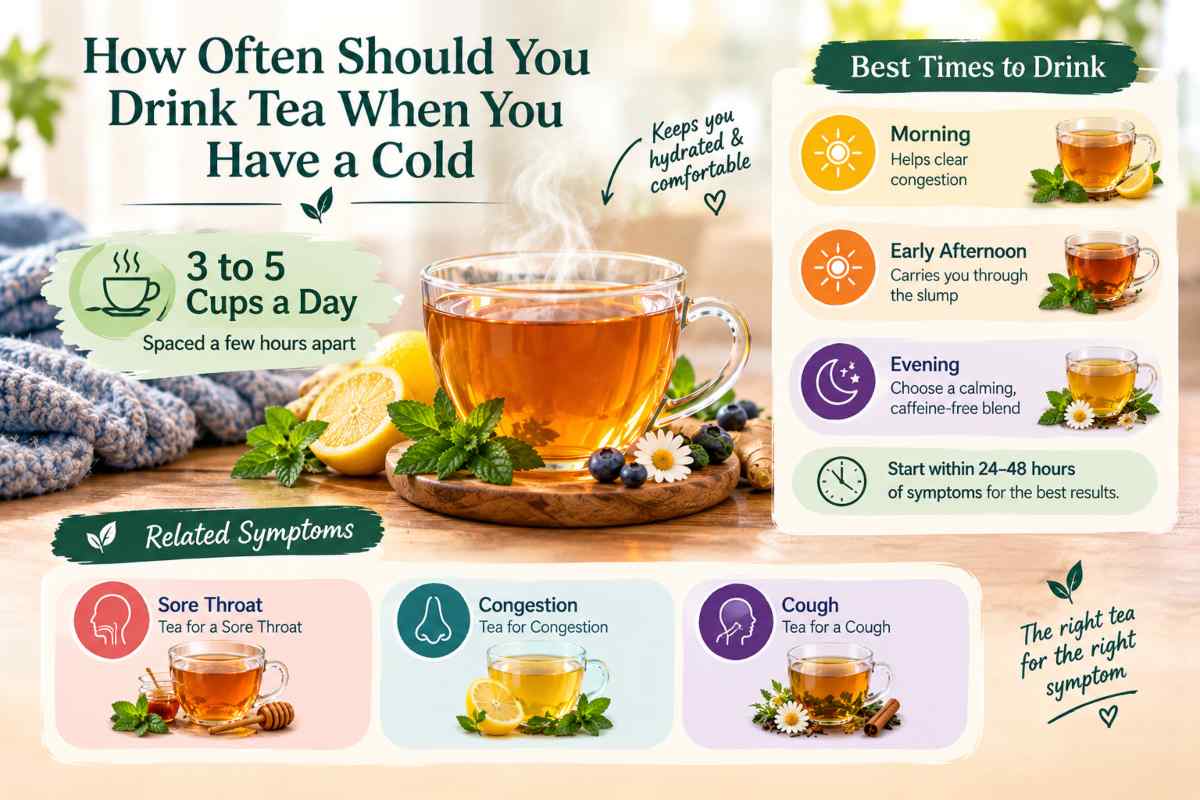
How Often to Drink Tea When Sick

This is where most people underperform. One cup of tea when you’re sick is comfort. Four to six cups throughout the day is medicine.

The active compounds in tea, whether polyphenols from green or black tea, gingerols from ginger, or flavonoids from elderberry, don’t accumulate in a single large dose. They work best when maintained at consistent levels throughout the day through repeated moderate consumption. If you’re trying to fight a cold or help your body heal, treat tea like any other supportive therapy: regularly, not occasionally.

A practical rhythm that works well: a warming, slightly stimulating tea in the morning, ginger, green tea with lemon, or a chai-spiced rooibos, to get your system moving. A soothing herbal blend mid-morning and early afternoon when symptoms are often at their peak. Then, in the evening, choose chamomile, rooibos, or another caffeine-free option to support the sleep your body needs to complete its recovery overnight.

Stay ahead of your hydration rather than chasing it. If you wait until you’re thirsty to drink, you’re already behind. Keep a mug nearby and refill it before it runs dry.

Loose Leaf vs. Tea Bags: Does It Matter?

When you’re sick and exhausted, the last thing you want is a complicated answer to a simple question. Here’s the honest version: yes, it matters, but not so much that you should stress about it when you’re already unwell.

Loose leaf tea generally delivers more of the active compounds that make tea useful when you’re sick. The leaves are less processed, more intact, and have more surface area contact with hot water when steeped properly. A good loose leaf blend of ginger, peppermint, or echinacea will typically outperform a standard commercial tea bag of the same herb.

That said, a high-quality tea bag from a reputable brand is meaningfully better than a low-quality loose leaf tea that’s been sitting in a cabinet for two years. Freshness and quality of the ingredient matter more than the format alone.

The practical takeaway: if you have good loose leaf tea available, use it, especially for the teas where potency matters most, like ginger or echinacea. If tea bags are what you have, choose the best quality available and steep them longer than the package suggests, four to five minutes rather than two, to get more of the active compounds into the cup.

Either way, drink more of it than you think you need. Volume and consistency are the variables that move the needle most when you’re trying to help your body heal.

Where to Buy the Best Tea for a Cold, and What to Look For

Walking into a store or scrolling through options online when you’re sick and just want something that works is its own kind of exhausting. The tea aisle is full of claims, and not all of them hold up. Here’s how to navigate it quickly and make a choice you won’t regret.

What Actually Makes a Cold Tea Worth Buying

Before getting into specific brands, it’s worth understanding what separates a tea that genuinely helps from one that just sounds medicinal on the label.

The ingredient list is everything. A good tea for a cold leads with active, purposeful herbs, ginger, echinacea, elderberry, peppermint, licorice root, tulsi, listed as primary ingredients, not trace additions buried at the end of a long label. If the first three ingredients are “natural flavors,” “citric acid,” and “hibiscus,” you’re buying a flavored drink, not a cold remedy.

Avoid blends that rely heavily on “wellness” branding without substance. Packaging that says “immune support” means very little if the actual herb content doesn’t back it up. Read the label, not the box’s front.

Loose leaf tea from a reputable brand will almost always outperform a commercial tea bag in terms of active compound delivery. Still, a well-sourced tea bag from a quality brand is a legitimate option, especially when you need something quickly and conveniently.

When to Go Beyond the Store Shelf

Store-bought teas are convenient, and the best ones are genuinely useful. But if you find yourself getting sick regularly, or you want a tea built around real ingredient quality rather than mass-market economics, a specialty loose leaf brand is worth the investment.

The difference comes down to freshness, herb quality, and the blend’s intentionality. A loose leaf tea from a brand that sources with care, where you can actually see and smell the ingredients, delivers more of the active compounds that matter when you’re sick. It also gives you control over steep time, quantity, and combination in a way that a pre-filled tea bag simply doesn’t.

From Vocal Leaf: Our teas are crafted with the same standard, real ingredients, no fillers, and blends built around what the herbs actually do rather than what the packaging needs to say. Lemon Berry Dream, Organic Rooibos Chai, and Vanilla Bliss each bring something genuine to a sick day, and because they’re loose leaf, you’re getting the full benefit of every ingredient in the cup.

When it comes to the best natural tea for a cold, the store shelf is a perfectly good starting point. But knowing what to look for, and where quality actually lives, means you spend less time reading boxes and more time getting better.

Conclusion

A cold runs its course on its own timeline, but what you drink while you’re sick genuinely influences how you feel along the way and how quickly your body recovers. The best tea for a cold isn’t one single answer. It’s ginger when inflammation is the problem, peppermint when you can’t breathe, chamomile when you need sleep, and echinacea when you feel something coming on and want to stop it before it starts.

Drink consistently, drink hot, and don’t underestimate what a well-chosen cup can do.

If you’re looking for a place to start,Vocal Leaf’s loose leaf blends are crafted with real ingredients that earn their place in your mug, especially on the days when you need them most.

Frequently Asked Questions (FAQ’s)

What tea is best for a cold?

Ginger, echinacea, and elderberry teas are consistently the most effective options for a cold. Ginger reduces inflammation and soothes the throat; echinacea supports the immune response when started early; and elderberry delivers antioxidant-rich antiviral support. For the broadest symptom relief, a ginger-based herbal blend with honey and lemon covers the most ground in a single cup.

Is hot tea or cold tea better when you’re sick?

Hot tea is significantly more effective when you’re sick. The steam helps open congested nasal passages, the warmth soothes irritated throat tissue, and hot liquid supports the hydration your body needs to recover. A clinical study found that hot drinks provided immediate, sustained relief from cold symptoms that room-temperature drinks did not.

What herbal tea is best for a head cold?

Ginger and peppermint are the best herbal teas for a head cold. Ginger’s anti-inflammatory compounds address the sinus pressure and facial pain that define a head cold, while peppermint’s menthol opens blocked nasal passages and makes breathing noticeably easier. Drinking both throughout the day, alternating if needed, targets the two dominant symptoms from different angles.

Can I drink tea for a cold while pregnant?

Yes, but ingredient selection matters. Ginger tea is safe, well-researched, and one of the most effective pregnancy-safe cold remedies available. Rooibos is another excellent option, naturally caffeine-free, antioxidant-rich, and free of any known pregnancy contraindications. Avoid licorice root, elderberry, and high doses of peppermint, and check with your midwife or OB before using echinacea during pregnancy.

What tea helps with cold and congestion?

Peppermint tea is the most effective tea for congestion because menthol acts as a natural decongestant, creating an immediate opening sensation in the nasal passages. Eucalyptus and ginger teas also help reduce the underlying sinus inflammation that drives the blockage. Drinking any of these hot drinks and inhaling the steam as you sip amplifies the relief significantly.

Does ginger tea actually help with colds?

Yes, and the mechanism is well understood. Ginger contains gingerols and shogaols, active compounds with documented anti-inflammatory, antimicrobial, and antinausea properties. For a cold, these translate to reduced sinus inflammation, soothed throat tissue, and easier breathing. Fresh ginger steeped in hot water with honey and lemon is the most potent preparation and one of the most effective natural cold remedies available in any form.

What’s the best tea to drink when you feel a cold coming on?

Echinacea is the strongest choice at the very first sign of symptoms; it performs best when started early, before a cold is fully established. Pair it with elderberry tea, which has antiviral properties that work most effectively when the viral load is still low. Add ginger with honey and lemon to address early inflammation and throat irritation, and drink all three consistently in the first 24 hours for the best chance of shortening what’s coming.

Is rooibos tea good for colds?

Rooibos is an excellent choice when you have a cold, particularly as a base tea for all-day drinking. It’s naturally caffeine-free, critical when your body needs rest, not stimulation, and contains high levels of antioxidants, including aspalathin and quercetin, that support immune function. It’s also gentle on the digestive system, completely safe during pregnancy, and mild enough to drink in volume throughout the day without the trade-offs of caffeinated teas.

Previous Post
Best Tea for Cough | 9 Herbal Remedies for Fast Relief
Next Post
Best Teas for Anxiety | Guide to Calming Herbs, Stress Relief, and Better Sleep

Related Posts

Leave a Reply

Your email address will not be published. Required fields are marked *

Fill out this field
Fill out this field
Please enter a valid email address.
You need to agree with the terms to proceed